
The Impact of Heavy October Rain on Crawlspace Ductwork Insulation
Trust Allred
October atmospheric rivers can saturate your crawlspace, destroying duct insulation and causing severe heat loss. See how to spot the signs before winter hits.
The Hidden Pre-Winter Threat Beneath Your Floors
Before the first hard freeze hits, the Pacific Northwest experiences a rapid weather shift, and understanding the impact of heavy October rain on crawlspace ductwork insulation is critical for protecting your home's winter efficiency. When the seasonal transition arrives, most homeowners immediately focus their attention on the furnace itself. You might swap out the air filter, check the thermostat, and listen for unusual noises when the system first kicks on. However, a much larger threat to your comfort and your utility bills often lies hidden in the dark, unconditioned space directly beneath your floors.
During the early fall, October atmospheric rivers dump massive amounts of water into the soil surrounding your foundation. This sudden influx of groundwater fundamentally changes the environment inside your crawlspace. The air underneath your home becomes heavily saturated with moisture, creating a harsh climate for any exposed heating, ventilation, and Air Conditioning Services equipment. Because your ductwork acts as the circulatory system for your indoor air, any vulnerability in this area directly impacts how effectively your home retains heat.
Addressing this hidden vulnerability is an urgent pre-winter necessity. If you wait until you are relying on your heating system full-time to discover that your duct insulation has been compromised by moisture, you will already be paying for severe heat loss. By taking a proactive look at the unconditioned spaces beneath your floors now, you can stop weather-induced degradation in its tracks and ensure your system runs efficiently all winter long.
The Rapid Shift: How Fall Weather Alters Your Crawlspace
The transition from a dry summer to a wet fall happens quickly, especially given the microclimate of Auburn WA and Pacific Northwest crawlspaces. You do not need standing floodwater under your home to experience severe moisture damage. A sudden influx of precipitation elevates the relative humidity in unconditioned spaces, setting off a chain reaction that directly threatens your HVAC components.
Here is the step-by-step environmental timeline of how this rapid shift alters the space beneath your floors:
- The Dry Summer Baseline: Throughout July and August, the soil beneath your home remains relatively dry. The relative humidity in the crawlspace stays manageable, and the fiberglass insulation wrapped around your ductwork remains fluffy, lightweight, and effective at trapping air.
- The Groundwater Saturation Point: As early fall storms arrive, the ground absorbs heavy rainfall until it reaches full saturation. Once the soil can no longer drain water away quickly, moisture begins to evaporate directly into the enclosed air of your crawlspace.
- The Humidity Spike: Because unconditioned spaces lack proper climate control, the relative humidity levels skyrocket. The air becomes thick with water vapor, creating a damp environment that permeates every porous material under your home.
- The Condensation Phase: When the temperature drops outside, the metal ductwork carrying warm air from your furnace interacts with the cold, damp air in the crawlspace. This temperature differential causes condensation to form on the outer layers of the ducts, giving moisture a direct path into the surrounding insulation.
This timeline highlights why early intervention matters. The longer elevated humidity sits trapped beneath your floors, the more time it has to interact with exposed ductwork, transforming a minor seasonal shift into a major efficiency problem.
The Physics of Heat Loss: Moisture's Attack on Fiberglass
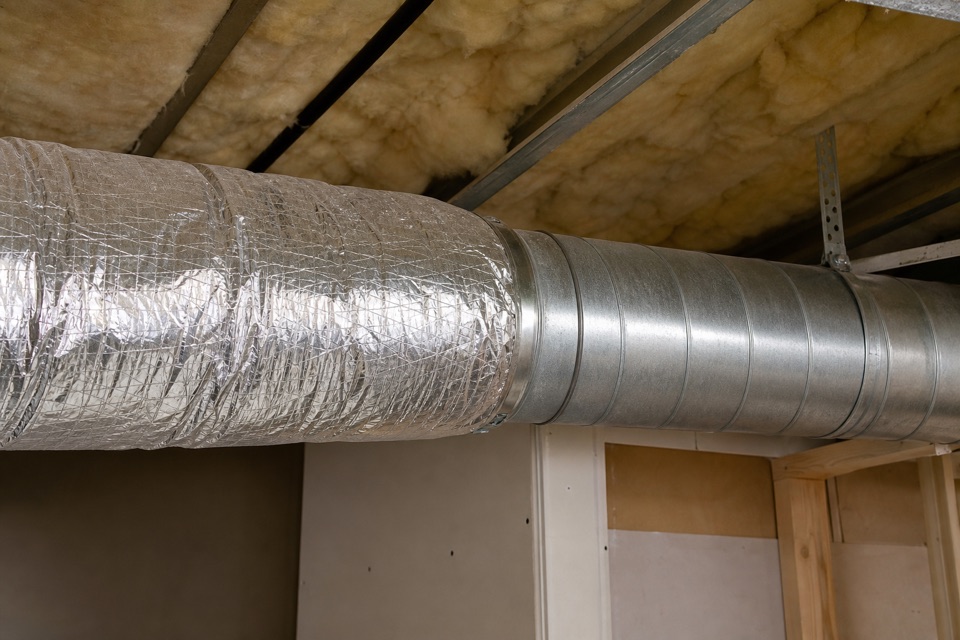
To understand why damp crawlspaces are so destructive to your heating bills, you have to look at the physics of thermal resistance. The effectiveness of any insulation is measured by its R-value, which represents its ability to resist heat transfer. Fiberglass duct wrap achieves its R-value not through the glass fibers themselves, but by trapping millions of tiny pockets of dry air. Dry air is an excellent insulator, keeping the heat generated by your furnace locked inside the ducts until it reaches your living space.
When October atmospheric rivers drive up the humidity, that fiberglass acts like a giant sponge. It absorbs moisture directly from the surrounding damp air. Water is a highly efficient thermal conductor—meaning it transfers heat rather than blocking it. As the trapped air pockets fill with water vapor, the insulation loses its ability to resist heat transfer. The moisture actually pulls the heat out of the metal ducts and disperses it into the cold crawlspace.
Wet insulation essentially reverses the primary purpose of duct wrapping. Instead of protecting your warm air, it actively cools the ducts down, leading to massive energy waste before the heated air ever reaches your bedroom or living room registers.
| Condition | Thermal Resistance (R-Value) | Structural Impact | Energy Efficiency |
|---|---|---|---|
| Dry Fiberglass | Maximum heat retention | Lightweight and secure | Low utility waste |
| Damp Fiberglass | Moderate heat loss | Begins to compress | Noticeable furnace strain |
| Saturated Fiberglass | Near-zero insulation value | Heavy, sagging, tearing | Severe energy waste |
How Fast Does Degradation Happen?
Moisture saturation does not take months to occur. Under the right conditions, fiberglass can become saturated within days of a major weather event. Once the material is heavy with water, the insulation begins to sag away from the metal ducts. This sagging creates large air gaps between the duct wall and the insulation, exposing the bare metal directly to the freezing winter air and further accelerating heat loss.

Early Warning Signs of Compromised Duct Insulation
Because you rarely spend time under your house, ductwork degradation often goes unnoticed until the symptoms appear inside your living space. Recognizing these signs early allows you to address the root cause before the coldest months arrive. Just as you might spend an afternoon Clearing Fall Debris from Your Outdoor AC Unit, you need to stay vigilant for signs that your indoor airflow has been compromised.
Watch for these common indicators that the weather in Auburn WA and Pacific Northwest crawlspaces has damaged your duct insulation:
- Noticeable musty odors: If you detect a damp, earthy, or dirty sock smell coming through your supply registers when the blower engages, it usually means moisture has penetrated the outer vapor barrier of your ductwork.
- Uneven heating room to room: When insulation sags or tears away from specific duct runs, the heated air traveling to those rooms cools down rapidly. You will notice that certain bedrooms feel significantly colder than the hallway, despite the thermostat setting remaining constant.
- Extended heating cycles: If your furnace seems to run constantly just to maintain a normal indoor temperature, it is overworking to compensate for the heat being lost into the crawlspace.
- Unexplained utility spikes: A sudden, sharp increase in your early-season heating bills—without a corresponding drop in outdoor temperatures—is a strong indicator that you are paying to heat the underside of your home instead of your living room.
If you notice any combination of these symptoms after a heavy rainstorm, the problem is likely beneath your feet rather than inside the furnace cabinet.
The High Cost of Ignoring Damp Ductwork
Hoping that a damp crawlspace will simply dry out on its own is a costly mistake. Leaving wet insulation wrapped around your HVAC system throughout the winter creates cascading consequences that extend far beyond a high monthly energy bill. The immediate threat of October atmospheric rivers quickly evolves into long-term structural and mechanical issues.
First, there is the long-term strain on your heating equipment. When heat bleeds out of uninsulated or poorly insulated ducts, the thermostat takes much longer to reach its set point. Your blower motor and heat exchanger are forced to run for extended cycles, accumulating unnecessary wear and tear. This constant overworking dramatically shortens the lifespan of the equipment and increases the likelihood of a mid-winter breakdown that requires professional AC Repair Service or furnace intervention.
Additionally, the sheer physical weight of waterlogged insulation causes mechanical damage. Fiberglass gets incredibly heavy when saturated. As it pulls downward, it can physically tear the foil tape and mastic sealant holding your duct joints together. Once a joint separates, you are blowing conditioned air directly into the dirt, creating severe air leaks that devastate your home's efficiency.
Secondary Damage to the System
Moisture introduced into the duct system also creates a perfect environment for secondary damage. Metal duct components, including the trunk line and register boots, will begin to rust and corrode when exposed to constant dampness. Furthermore, a dark, humid environment allows microbial growth to take hold within 24 to 48 hours. Once this growth establishes itself on the deteriorating insulation, the compromised air quality can easily circulate back into your living space every time the blower turns on.
Why Thorough Professional Inspections Are Non-Negotiable
Navigating a damp, cramped crawlspace to assess hidden HVAC components is dangerous and complex. This is not a weekend DIY project. Replacing or repairing ductwork requires strict adherence to local energy codes, precise airflow measurements, and specialized materials designed to withstand the unique weather patterns of Auburn WA and Pacific Northwest crawlspaces.
During a routine service visit, one local homeowner discovered their existing system needed proper servicing because the original company had missed key details in the unconditioned spaces. Technicians arrived on time, properly serviced the equipment, and provided pictures and specific details of the hidden wear and tear. This scenario highlights exactly why a professional evaluation is so critical—experts know exactly where to look for weather-induced degradation that the untrained eye misses.
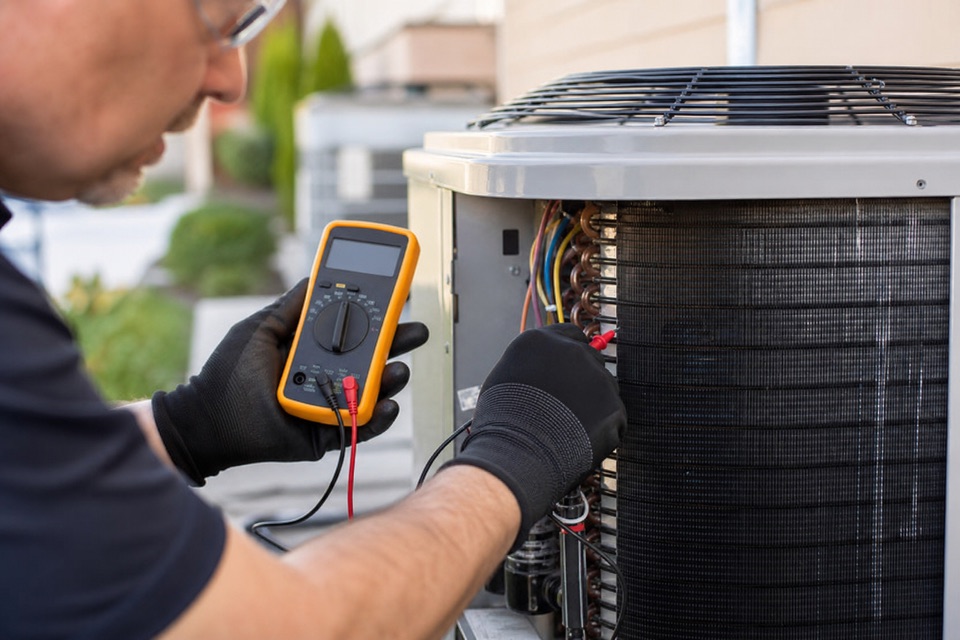
Licensed professionals use specialized diagnostic tools to evaluate the true condition of your system. They use anemometers to measure airflow drops at the registers, thermal imaging to spot hidden heat loss along the duct runs, and hygrometers to assess the exact moisture content of the insulation. An AC Inspection and Testing protocol ensures that every inch of the system is evaluated safely. At Allred Heating Cooling Electric, our deep local experience navigating PNW weather patterns means we specialize in identifying hidden, weather-induced duct degradation before the peak freezing months hit, ensuring your system is actually ready for winter.
Common Questions About Wet Crawlspace Ductwork
What happens if duct insulation gets wet?
When duct insulation gets wet, it immediately loses its thermal resistance (R-value). The water fills the tiny air pockets within the fiberglass, turning the material into a heat conductor rather than a heat barrier. Additionally, the added weight causes the insulation to sag and tear, while the persistent dampness creates a breeding ground for rapid microbial growth.
Does wet fiberglass insulation lose its R-value?
Yes, wet fiberglass insulation loses a massive percentage of its R-value almost instantly. Because water conducts heat much faster than trapped air, the moisture effectively pulls the warmth out of your heating ducts and releases it into the cold crawlspace. Even after October atmospheric rivers pass, fiberglass rarely regains its original fluffy structure once it has been fully saturated.
How do I know if my crawlspace ducts are leaking?
The most common signs of leaking crawlspace ducts include uneven heating throughout the house, a sudden spike in utility bills, and noticeably weaker airflow coming from certain vents. You might also notice an increase in dust settling on your furniture or a persistent musty smell whenever the blower motor kicks on. These symptoms indicate that conditioned air is escaping beneath the floorboards.
Should ductwork in a crawl space be insulated?
Absolutely. Insulating ductwork in any unconditioned space, like a crawlspace or attic, is critical for energy efficiency and is required by modern building codes. Without proper insulation, the extreme temperature differences between the metal ducts and the surrounding air will cause severe heat loss in the winter and heavy condensation buildup in the summer.
Can high humidity ruin duct insulation even if the crawlspace isn't flooded?
Yes, high relative humidity alone is enough to ruin fiberglass duct insulation over time. The porous material absorbs water vapor directly from the damp air, leading to slow saturation, sagging, and a steady decline in thermal resistance even if standing water never touches the actual ductwork.
Secure Your Heating Efficiency Before the Freeze
Understanding the impact of heavy October rain on crawlspace ductwork insulation empowers you to make smarter, more proactive home maintenance decisions. When you know how quickly fall moisture can degrade your system's thermal resistance, you can take action before the weather turns freezing. Catching insulation degradation, sagging ductwork, and moisture intrusion early prevents massive winter utility waste and protects your equipment from unnecessary strain.
Do not wait until your furnace is struggling to keep your living room warm. Schedule a comprehensive evaluation of your hidden HVAC components to ensure they are sealed, insulated, and ready for the cold months ahead. Reach out for an HVAC Maintenance and Tune-Up today, and gain the confidence of knowing exactly how your ductwork is performing, protecting your home's efficiency all season long.
Related Articles
Ready to Get Started?
Whether you need a repair, maintenance, or a new installation, our expert team is here to help.