
Clearing Fall Debris from Your Outdoor AC Unit to Prevent Winter Damage
Trust Allred
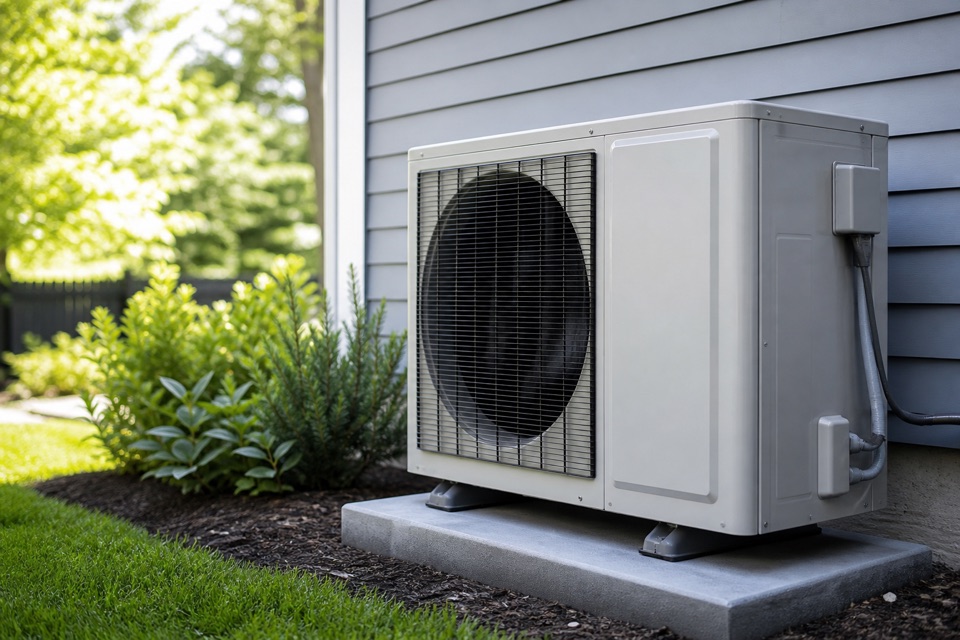
September winds blow pine needles and leaves directly into your condenser. Safely brush this debris away before seasonal rains turn it into a corrosive mat.
The September Window: Protecting Your Cooling System Before the Rains
Before the first major freeze hits, clearing fall debris from your outdoor AC unit to prevent winter damage becomes one of the most critical tasks for any homeowner in the Pacific Northwest. The transition into early fall brings heavy winds that scatter leaves, twigs, and pine needles across your yard and directly into the path of your exterior HVAC equipment. While this organic matter looks harmless blowing across your lawn, it poses a severe mechanical threat when it settles into the delicate exterior fins of your cooling system. Taking action in September is absolutely crucial because you have a brief, valuable window to brush this debris away while it is still dry. Once the continuous seasonal rains begin, that loose yard waste transforms into a sticky, wet mat that clings stubbornly to your condenser, making safe removal nearly impossible without professional tools. If you want to ensure your system survives the dormant season, exploring professional Air Conditioning Services is the best way to keep your equipment protected.
Why Timing Matters in the Pacific Northwest
The climate in Auburn WA dictates a very specific maintenance schedule for outdoor home systems. During the summer, your air conditioner pulls in vast amounts of air to dissipate heat, acting almost like a vacuum for airborne dust and pollen. However, as September arrives, the nature of the debris changes dramatically. Broadleaf trees drop heavy foliage, and evergreens shed dense clusters of pine needles. If you wait until late October or November to address this accumulation, the predictable autumn rains will have already saturated the debris.
The dry advantage: When leaves and needles are dry, they rest lightly against the aluminum fins of your condenser. A gentle breeze or a soft brush can dislodge them with zero effort.
The wet complication: Once saturated, organic matter binds together. The surface tension of the water causes the leaves to adhere flat against the metal grilles, blocking airflow and trapping moisture against components that were never designed to be permanently submerged or damp.
By marking your calendar for early fall, you intercept the debris before the weather changes its physical properties. This proactive approach sets the stage for preventative care that avoids expensive, unexpected repairs next summer when you finally turn the cooling system back on.
The Chemistry of Decomposing Pine Needles and Leaves
To understand why fall yard waste is so destructive to HVAC equipment, you have to look beyond simple airflow restriction and examine the actual chemistry of decomposing organic matter. Dry summer dust is vastly different from wet, biological fall debris. Summer dust can often be rinsed away easily and rarely causes long-term structural damage to metal. Fall debris, on the other hand, initiates a slow, corrosive chemical reaction when left sitting against your unit throughout the wet season.
When you schedule an AC maintenance and tune-up, technicians frequently discover the hidden damage caused by this chemical process. Decomposing pine needles, in particular, are highly problematic for outdoor condenser units.
The Acidic Threat to Copper and Aluminum
As pine needles and dead leaves break down in the constant Auburn WA rain, they begin to rot. This decomposition process naturally releases tannic acids. While these acids are great for enriching forest soil, they are highly destructive to the exposed aluminum fins and copper tubing inside your air conditioner.
| Debris Type | Characteristics | Impact on HVAC Equipment |
|---|---|---|
| Summer Dust & Pollen | Dry, particulate, easily displaced by wind. | Restricts airflow slightly but rarely causes chemical corrosion. |
| Wet Maple/Oak Leaves | Broad, flat, traps moisture tightly against surfaces. | Creates a damp micro-environment that encourages mold and rust. |
| Decomposing Pine Needles | Dense, acidic, easily slips through exterior grilles. | Releases tannic acid, actively corroding delicate aluminum fins. |
When this acidic, biological sludge sits against the metal components of your condenser for months on end, a process called galvanic corrosion accelerates. The protective oxidation layer on the aluminum breaks down, leading to pitting and weakening of the metal. What starts as a small patch of wet leaves in September can easily become a permanent, rust-accelerating sludge by January. This constant exposure to moisture and acid drastically reduces the lifespan of the condenser coil, which is one of the most expensive components of your entire cooling system to replace.
The Physics of Trapped Water: Why Winter Freezes Threaten Your Condenser
Beyond the chemical threat of acidic sludge, the physical presence of trapped water introduces a massive mechanical danger once temperatures drop. The basic physics of water density state that water expands by approximately 9% when it freezes into ice. In the Pacific Northwest, where wet winters frequently dip below freezing overnight, this expansion becomes a silent destroyer of outdoor HVAC equipment.
The biological sludge created by decomposed leaves acts exactly like a sponge. Instead of allowing rain and condensation to drain away harmlessly through the bottom of the unit, this sludge holds water directly against and between the delicate aluminum fins. These fins are spaced just millimeters apart to maximize heat transfer. When the trapped water freezes, it expands outward, forcefully bending and crushing the fins. When the ice thaws the next day, the water settles deeper into the newly widened micro-fractures, only to freeze and expand again the following night.
The Freeze-Thaw Cycle Inside Your Condenser
This repeated mechanical warping is devastating. Over a single winter, the freeze-thaw cycle can crush large sections of the condenser coil. The tragic part of this winter neglect is that the damage remains completely hidden until the weather warms up.
This kind of hidden winter damage often stays dormant until you need cooling the most. One local homeowner experienced this exact delayed reaction when their air conditioner stopped working on the hottest day of the year after 7 PM. Because the winter ice had warped the fins and restricted the system's ability to breathe, the compressor overworked itself and failed under peak summer strain. Fortunately, a technician arrived within an hour, diagnosed the underlying mechanical failure, and restored operation at a reasonable after-hours rate—but preventative care in early fall can help you avoid that stressful emergency altogether.

Safe Exterior Cleaning: Brushing Away Debris Without Bending Fins
Now that the stakes are clear, taking action in early fall is your best defense. Performing a safe, careful exterior cleaning in September protects your investment and ensures your system is ready for its dormant phase. While internal mechanical work requires a licensed professional, clearing the outer casing is a task most homeowners can handle safely if they follow the right protocols.
The primary goal here is to remove the biological material without bending the fragile aluminum fins. Because these fins are designed to be as thin as possible for optimal heat transfer, they can be flattened by surprisingly light pressure. Completing these steps now is one of the most essential spring maintenance tasks for your cooling system that you can actually start in the fall.
Tools You Need (And Tools to Avoid)
Before you begin, gather your supplies. You will need heavy leather gloves, a soft-bristled brush (like a car wash brush or a soft hand broom), and a heavy-duty trash bag. Never use a hard metal rake, a stiff-bristled push broom, or any abrasive scraping tools.
- Turn off the power disconnect: Safety always comes first. Locate the exterior electrical disconnect box mounted on the wall near your AC unit. Pull the disconnect block or flip the breaker to the "off" position to ensure the fan cannot suddenly start while you are working nearby.
- Put on heavy protective gloves: The aluminum fins on your condenser are razor-sharp. Furthermore, hidden debris like thorny twigs or sharp yard waste can cause injury. Always protect your hands.
- Use a soft-bristled brush: Gently sweep away loose leaves, cobwebs, and pine needles from the outer cage. Let the bristles do the work rather than applying heavy pressure.
- Always brush in the direction of the fins: This is the most critical step. Condenser fins run vertically. You must brush strictly straight up and straight down. Brushing horizontally or diagonally will instantly catch and bend the delicate aluminum, blocking airflow and ruining the unit's efficiency.
- Maintain a clear 2-foot radius: Once the unit itself is clear, turn your attention to the surrounding yard. Trim back bushes, rake away ground leaves, and ensure there is a minimum of 24 inches of totally clear space around the entire circumference of the condenser unit.
What to Avoid: The Dangers of Heavy Hosing and DIY Dismantling
When researching how to maintain an outdoor AC unit, you will often find conflicting and outright dangerous misinformation online. Many generic guides recommend aggressive cleaning methods that can instantly destroy a system, especially in the Auburn WA area where debris tends to be heavy and wet. Knowing what not to do is just as important as knowing the correct cleaning steps.
There is a strict line between exterior yard cleanup and internal mechanical maintenance. Crossing that line without proper training and licensing often leads to catastrophic equipment failure or severe electrical hazards. If your unit requires more than a soft brush to get clean, it is time to schedule professional AC inspection testing rather than forcing a DIY solution.
The "Garden Hose Trick" and Other Myths
Avoid these dangerous practices when dealing with fall debris:
- The Pressure Washer Peril: Never, under any circumstances, point a pressure washer at your AC condenser. The high-velocity water will instantly flatten the aluminum fins across the entire side of the unit, completely destroying its ability to transfer heat. Even a standard garden hose with a high-pressure nozzle can cause irreversible fin damage.
- Pushing Sludge Deeper: Spraying a unit that is heavily coated in pine needles and dirt often makes the problem worse. The water simply pushes the biological sludge deeper into the internal coil bed where you can no longer reach it, creating a permanent moisture trap deep inside the machinery.
- The Dismantling Danger: Do not attempt to open the electrical panel, unscrew the top grille, or remove the heavy fan motor. These components are hard-wired into high-voltage electrical systems. Removing the top of the unit without proper licensing is dangerous and can easily throw the fan blade out of balance, leading to motor burnout.
- Using Chemical Solvents: Never spray household cleaners, bleach, or degreasers onto the condenser coils. These unapproved chemicals can react violently with the copper and aluminum, accelerating the very corrosion you are trying to prevent.
When to Call a Professional for Deep Cleaning
While gentle exterior brushing is highly effective in September, sometimes the debris has already bypassed the outer guards and embedded itself deep within the system. If you missed the early fall window or if heavy storms have forced wet pine needles deep into the coil fins, DIY brushing will no longer be sufficient. Transitioning from DIY exterior care to professional intervention is necessary to protect the longevity of your system.
Working with veteran-owned and professionally operated companies means you benefit from technicians who carry the discipline and specialized tools required to handle delicate machinery. Professional, careful technicians know exactly how to safely clear embedded sludge and inspect delicate condenser fins without causing damage.
Signs You Need Professional Maintenance
How do you know when it is time to put away the brush and call for Auburn AC maintenance services? Look for these clear indicators:
- Visible sludge between the fins: If you look closely at the exterior and see dark, wet dirt packed tightly between the aluminum ridges, a soft brush will not remove it.
- Unusual organic smells: A musty, swampy odor coming from the unit indicates that biological matter is actively rotting inside the casing.
- Bent or crushed fins: If previous hail storms or accidental bumps have flattened sections of the fins, a professional needs to carefully realign them.
Professionals use specialized tools, such as calibrated fin combs, to meticulously straighten bent aluminum without tearing the metal. They also utilize highly specific, non-acidic foaming coil cleaners that safely lift embedded dirt and pine sap out of the micro-crevices without corroding the copper tubing. Furthermore, having the internal electrical components checked for early signs of moisture damage or corrosion before winter sets in provides total peace of mind. Reaching out for professional maintenance now prevents emergency replacements later, ensuring your system is pristine, protected, and ready for whatever the changing seasons bring.
FAQ
Can leaves damage my AC unit?
Yes, leaves can cause significant damage to your AC unit if left unaddressed. When wet leaves stick to the exterior fins, they trap moisture and release acidic compounds as they decompose, which accelerates rust and corrosion on the metal components. Additionally, thick layers of leaves block critical airflow, forcing the compressor to overwork and potentially fail.
How do you clean debris out of an air conditioner?
For safe exterior cleaning, always turn off the power disconnect first, then use a soft-bristled brush to gently sweep away loose debris. You must brush strictly up and down in the direction of the fins to avoid bending the delicate aluminum. For debris that has fallen inside the top grille or embedded deeply into the coils, you should hire a licensed professional to safely dismantle and clean the interior.
Should I cover my outside AC unit in the winter?
In most cases, you should not completely cover your outside AC unit with a tight plastic tarp during the winter. Full covers trap ground moisture rising from the soil, creating a humid micro-climate that promotes severe rust and invites rodents seeking shelter. If you are concerned about falling icicles or heavy debris, a simple hard top-cover that leaves the sides completely open for airflow is a much safer alternative.
How do pine needles affect outdoor HVAC units?
Pine needles are particularly harmful because their slender shape allows them to slip easily through the protective outer grilles of the condenser. Once inside, they decompose slowly and release tannic acids that eat away at the protective coating on aluminum and copper parts. They also form a dense, sponge-like mat that holds freezing water directly against the delicate internal machinery.
What happens if water freezes inside my AC condenser fins?
When water freezes inside your AC condenser fins, it expands by approximately 9%, exerting immense pressure on the surrounding metal. This expansion acts like a wedge, bending, crushing, and warping the fragile aluminum fins. Repeated freeze-thaw cycles over the course of a winter can severely restrict the unit's ability to transfer heat, leading to catastrophic system failure in the summer.
Clearing Fall Debris from Your Outdoor AC Unit to Prevent Winter Damage
Taking the time to clear away wet leaves and pine needles before the cold weather sets in is one of the smartest investments you can make in your home's comfort. By addressing this simple task early, you eliminate the trapped moisture and corrosive sludge that destroy delicate metal components during the dormant season. Schedule your professional tune-up before the heavy winter weather hits to guarantee you have clear, safe equipment and absolute confidence that you are preventing expensive winter corrosion.
Related Articles
Ready to Get Started?
Whether you need a repair, maintenance, or a new installation, our expert team is here to help.