
Whole-House Humidifiers vs. Standalone Units for Combating Dry Indoor Air in Winter
Allred
Tired of refilling portable humidifiers every night? Weigh the daily maintenance of standalone units against the long-term convenience of a whole-house system.
Tired of the Daily Humidifier Refill Routine?
Are you already exhausted by the daily chore of filling water tanks across multiple rooms just to keep your living space comfortable? If you are weighing whole-house humidifiers vs. standalone units for combating dry indoor air in winter, you certainly are not alone. As the November pre-winter heating season begins, many homeowners find themselves dragging heavy, sloshing water jugs from the kitchen sink to the bedroom every single night. The dry air causes scratchy throats, static shocks, and restless sleep, but the temporary fix often feels like a part-time job.
The core decision comes down to continuing with the repetitive hassle of portable units or upgrading to an integrated solution that handles the moisture levels automatically. Addressing your indoor air quality early in the season prevents months of discomfort and protects your home's interior. Fortunately, broader residential air conditioning and HVAC services offer permanent solutions to manage indoor air quality year-round, eliminating the need for constant manual intervention.
The Auburn WA Paradox: Why Damp Winters Cause Dry Indoor Air
It sounds contradictory at first: how can the air inside your home be bone-dry when it is constantly raining outside? This is a common point of confusion for many homeowners. People assume that a rainy, damp outdoor climate naturally means the indoor air will remain sufficiently moist. However, the exact opposite happens during the colder months.
The science of relative humidity: Cold air simply cannot hold as much moisture as warm air. When your furnace pulls in that chilly 40-degree outdoor air—even if it is raining and the outside humidity is 80%—and heats it up to a cozy 70 degrees, the relative humidity of that air plummets. The constant heating cycles drastically strip moisture from the indoor environment, often dropping the humidity level inside Auburn WA homes down to 15% or 20%. For context, that is drier than the air in the Sahara Desert.
This severe drop in indoor humidity directly affects your daily comfort. You will likely notice:
- Physical discomfort: Dry, itchy skin, chapped lips, and irritated nasal passages.
- Static electricity: Painful shocks when touching doorknobs or light switches.
- Respiratory irritation: Waking up with a sore throat or a dry cough.
Because the furnace actively removes moisture while it heats, proactive humidification is an absolute requirement for winterizing local homes, rather than just an optional luxury.
The Hidden Time Cost of Standalone Humidifiers
Portable humidifiers offer a quick fix, but their operational realities carry a significant, hidden burden. The initial convenience quickly fades once the daily maintenance routine sets in. Over the course of the November pre-winter heating season and throughout the coldest months, the time lost to managing these units adds up rapidly.
- The daily refill run: Moving heavy, awkwardly shaped water tanks from the sink to the unit, often resulting in spilled water on hardwood floors or carpets.
- The rigorous cleaning schedule: According to Consumer Product Safety Commission (CPSC) guidelines, portable humidifiers require daily water changes and frequent deep cleaning with vinegar to prevent the buildup of scale.
- The risk of contamination: If you skip the cleaning routine, standalone units can easily become breeding grounds for microorganisms, dispersing bacteria and mineral dust directly into your breathing air.
- The aesthetic clutter: Running portable units means sacrificing floor space, dealing with tripping hazards from power cords, and listening to the constant gurgling of water in your primary living areas.
Room-by-Room Limitations
Beyond the time cost, single-room units simply fail to create a consistent humidity baseline throughout the home. A portable unit only treats the air in its immediate vicinity. This creates a frustrating "yo-yo" effect: the air right next to the humidifier might reach a comfortable 40% humidity, but the moment you step out into the hallway or enter a secondary bedroom, the air is bone dry again. You are left with isolated pockets of moisture rather than a comprehensively comfortable home.
Integrated Comfort: How Whole-House Humidifiers Work
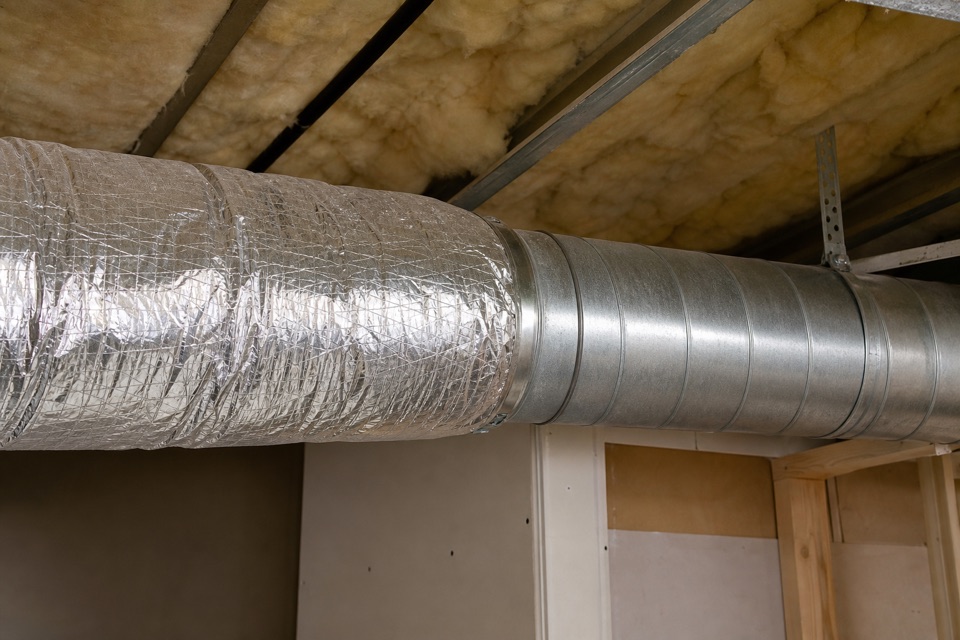
A whole-house humidifier takes a fundamentally different approach to indoor air quality. Instead of treating a single room, these systems integrate directly into your existing ductwork and connect directly to your home's plumbing. This foundational mechanic eliminates manual refills entirely.
How the system operates:
- Automatic water supply: The unit draws water directly from your plumbing line, passing it over an internal evaporator pad or generating steam, depending on the model.
- Seamless distribution: As your furnace runs, warm air passes through the humidifier, absorbs the water vapor, and distributes that perfectly moisturized air evenly across every room through your supply ducts.
- Precision control: A dedicated humidistat monitors the moisture levels in your home, automatically turning the humidifier on and off to maintain your exact preferred setting.
The greatest advantage is that the system operates entirely in the background. It requires no daily upkeep, no heavy lifting, and no vinegar soaks. The unit only requires attention during your routine HVAC system maintenance, usually just an annual pad replacement and a quick operational check. Because these systems interface directly with your ductwork, electrical system, and plumbing, professional installation is an absolute requirement. DIY installation attempts can easily lead to severe ductwork damage, water leaks, or electrical hazards. Choosing professional installation is an investment in a hassle-free winter, reflecting a commitment to honest, long-term whole-home solutions rather than temporary fixes.
Side-by-Side Comparison: Coverage, Maintenance, and Convenience
To help you weigh your options objectively, it helps to look at the daily realities of both approaches. While portable units might seem easier to acquire initially, the long-term convenience heavily favors an integrated approach. If you are already considering upgrading an out-of-date heating setup with an Auburn system installation and replacement, adding a whole-house humidifier at the same time is highly efficient.
| Feature | Standalone Portable Units | Whole-House HVAC Humidifiers |
|---|---|---|
| Water Supply | Manual daily refills (heavy tanks) | Automatic (plumbed into home water line) |
| Coverage Area | Single room or small localized zone | Consistent whole-home distribution |
| Maintenance Schedule | Daily water changes, weekly deep cleaning | Annual pad replacement during HVAC tune-up |
| Aesthetics & Clutter | Takes up floor space, visible power cords | Out of sight, mounted to ductwork in utility area |
| Air Quality Risk | High risk of mold/bacteria if not cleaned daily | Low risk, continuous fresh water supply |
When making this decision during the November pre-winter heating season, frame your choice around the value of your time. The hours spent scrubbing water tanks and wiping up spills over a single winter often outweigh any perceived convenience of portable units.

Indoor Air Quality, Health, and Home Protection
Maintaining proper indoor humidity is about much more than just avoiding static shocks; it is a critical component of your overall health and the structural integrity of your property. The Environmental Protection Agency (EPA) explicitly recommends maintaining indoor humidity levels between 30% and 50% for optimal health and comfort.
Protecting your home's interior: Wood is a hygroscopic material, meaning it absorbs and releases moisture depending on the surrounding air. When the air inside Auburn WA homes becomes excessively dry in the winter, hardwood floors, wooden cabinetry, antique furniture, and musical instruments lose their internal moisture. This causes the wood to shrink, leading to visible gaps in flooring, cracked cabinets, and warped door frames. A whole-house humidifier provides the consistent moisture needed to protect these valuable investments.
Respiratory benefits and dust reduction: Proper moisture levels also play a significant role in reducing airborne irritants. Dry air allows dust, pet dander, and allergens to stay airborne much longer. When the humidity is balanced, these particles are more likely to settle out of the breathing zone. Furthermore, excessively dry air can cause your heating system to circulate more particulate matter. If you are noticing strange odors when your system kicks on, understanding what a burnt smell from your HVAC vents actually means often points back to excessive dust buildup, which is exacerbated by low humidity environments.
Frequently Asked Questions About Winter Humidification
Are whole house humidifiers worth it?
Yes, for homeowners who want consistent comfort without daily chores, they offer excellent long-term value. They eliminate the need to purchase, refill, and clean multiple portable units for different rooms. By protecting your home's woodwork and improving respiratory comfort automatically, the investment pays off in both convenience and property preservation.
Do whole house humidifiers cause mold?
When professionally sized, installed, and maintained, whole-house humidifiers do not cause mold. They are controlled by a humidistat that prevents the air from becoming overly saturated. Mold issues typically only arise if a system is installed incorrectly, set to an excessively high humidity level, or neglected during annual maintenance.
How much maintenance does a whole house humidifier need compared to a portable unit?
An integrated system requires a fraction of the maintenance of a portable unit. While standalone humidifiers need daily water changes and weekly scrubbing to prevent bacteria, a whole-house system generally only needs attention once a year. This typically involves swapping out the water panel or evaporator pad during your standard pre-winter HVAC tune-up.
Can one humidifier do a whole house?
Yes, a single whole-house humidifier is designed to treat the entire home. Because it is installed directly into your central HVAC ductwork, it uses the furnace's blower motor to distribute water vapor evenly to every room that has a supply register. This ensures a consistent humidity level upstairs, downstairs, and in every bedroom.
What is the hidden time cost of using portable humidifiers?
The hidden time cost includes the daily routine of unplugging the unit, carrying the tank to a sink, waiting for it to fill, carrying it back, and wiping up inevitable spills. Additionally, the rigorous cleaning required to prevent mineral buildup and bacterial growth can easily consume an hour or more every single week during the November pre-winter heating season.
How do whole-house humidifiers integrate with existing ductwork?
A professional technician mounts the humidifier unit directly to the supply or return plenum of your furnace. A small water line is tapped into your home's plumbing to provide a constant water source. When the humidistat detects dry air, water flows through the unit, and the furnace blower pushes the resulting moisture through your existing duct system.
Make an Informed Decision for Your Home's Winter Comfort
While portable units can certainly work in a pinch for a single room, they simply cannot match the unmatched convenience and consistent comfort of an integrated system. The daily chores of refilling tanks and scrubbing basins quickly become a frustrating routine. A whole-house humidifier runs quietly in the background, ensuring every room in your home stays at the perfect moisture level all winter long.
Every home's ductwork and heating setup is unique, which is why a professional assessment is the best way to determine the right humidification strategy for your specific layout. If you are tired of waking up to dry air in Auburn WA homes, now is the perfect time to schedule an inspection. Secure your home's comfort before the deepest cold sets in, and enjoy a perfectly balanced indoor environment without the daily hassle.
Related Articles
Ready to Get Started?
Whether you need a repair, maintenance, or a new installation, our expert team is here to help.