How to Safely Reset Your Electrical Panel After a High-Wind Power Outage in Kent
Allred
When neighborhood power returns after a storm, the sudden voltage spike can instantly fry your furnace's control board. Follow this staged breaker reset sequence to protect your equipment.
The Hidden Danger When the Grid Returns After a Kent Windstorm
With the November windstorm season fast approaching, knowing how to safely reset your electrical panel after a high-wind power outage in Kent is one of the most important skills a homeowner can learn. When the wind howls through the valley and the lights suddenly go dark, your first instinct is usually to find a flashlight and wait it out. However, the real danger to your home's expensive appliances rarely happens when the power drops. The true threat occurs in the exact moment the utility grid reactivates.
When neighborhood power lines are re-energized, the electricity does not return in a gentle, steady stream. Instead, it floods back into your home as a massive, unstable surge. This sudden voltage spike can instantly fry the sensitive microprocessors inside modern air conditioning systems and high-efficiency heating equipment. Many homeowners are completely unaware that their equipment has been damaged until they try to turn on the heat hours later, only to find a blank thermostat and a silent furnace.
Fortunately, you do not have to leave your home's electrical safety up to chance. By following a simple, staged breaker reset protocol, you can manually protect your investments from these destructive grid fluctuations. This process requires no special tools and can be safely performed by anyone who knows where their breaker box is located. Taking a few proactive minutes at the electrical panel can mean the difference between a minor inconvenience and needing to call for major AC repair services in Kent or a complete furnace replacement.
Understanding Inrush Current and Grid Instability
To understand why staging your electrical panel is so important, you first need to understand the mechanics of a power surge. When utility power is restored to your neighborhood, every single home on your block attempts to pull electricity at the exact same millisecond. This massive, simultaneous demand creates what electricians call inrush current.
During normal operation, your home receives a steady, predictable flow of 120V or 240V electricity. But during the chaotic moments of grid restoration—especially during the November Pacific Northwest windstorms that cause sudden, repeated grid fluctuations—the voltage can spike violently. These transient voltage surges easily exceed standard ratings. While old-school appliances with simple mechanical switches could often absorb these spikes without issue, modern home technology cannot.
Today's HVAC control boards are essentially advanced computers. They rely on delicate microprocessors to communicate with your thermostat, monitor safety sensors, and regulate fan speeds. A sudden surge of inrush current can melt these tiny components in a fraction of a second. Because fall windstorms are a recurring seasonal threat rather than a rare event, understanding this underlying mechanical vulnerability is crucial before you even touch your electrical panel.
| Condition | Voltage Stability | Impact on HVAC Control Boards | Risk Level |
|---|---|---|---|
| Normal Grid Operation | Steady 120V/240V | Safe, regulated power flow to microprocessors. | Low |
| Initial Power Loss | Sudden drop to 0V | System shuts down unexpectedly; minimal damage risk. | Low to Moderate |
| Grid Restoration (Unstaged) | Violent spikes exceeding 240V | Inrush current overwhelms delicate circuits, frying boards. | Extreme |
| Grid Restoration (Staged) | Controlled, gradual load | System is isolated during the spike, protecting electronics. | Low |
Step 1: Immediate Actions to Take During the Power Outage
The best time to protect your home from a power surge is while the power is still out. As soon as the grid drops, your goal is to physically disconnect your home's internal circuits from the incoming utility lines. This ensures that when the electricity comes rushing back, your appliances are completely shielded from the initial blast.
Take the following safe, actionable steps immediately after losing power:
- Locate a reliable light source: Grab a flashlight or battery-powered lantern. Never use candles near your electrical panel or HVAC equipment, and ensure you have a clear, well-lit path to your breaker box.
- Turn off individual user-accessible breakers: Open the outer door of your electrical panel. Flip every single individual breaker to the "Off" position. Do not attempt to remove the metal panel covers or touch any internal wiring—only interact with the plastic breaker switches.
- Leave one indicator breaker on: Choose a single breaker that controls a central room light (like the kitchen or living room overhead light) and leave it in the "On" position. Make sure the light switch in that room is also turned on. This acts as your visual indicator so you know exactly when utility power returns.
- Unplug sensitive electronics: Walk through your home and physically unplug computers, televisions, and countertop appliances from the wall outlets. This provides an extra layer of physical disconnection that even a tripped breaker cannot match.
- Note your system's status: If your heating or cooling system was running at the exact moment the power failed, or if you heard a loud pop before the lights went out, the initial surge may have already caused damage. Make a mental note of this; you may need to schedule an emergency AC repair or heating inspection once the grid stabilizes.
Step 2: The Safe Sequence for Restoring Power
Eventually, your indicator light will flicker and turn back on. When this happens, your first instinct might be to rush to the panel and flip everything back on so you can get back to normal. Stop and wait. The first few minutes of restored utility power are often the most unstable, with voltage fluctuating wildly as the utility company balances the neighborhood load.
Follow this exact, staged reset protocol to safely bring your home back online:
- Wait for grid stability: Watch your indicator light. Wait at least 5 to 10 minutes to ensure the light stays steady without flickering or dimming. This waiting period lets the initial neighborhood inrush current settle.
- Reset the main breaker (if necessary): If your main breaker (the large switch at the very top or bottom of the panel) tripped during the outage, firmly push it all the way to the "Off" position, then snap it back to the "On" position.
- Stage individual breakers one by one: Begin turning your individual room breakers back on. Wait 10 to 15 seconds between flipping each switch. This slow staging process allows your home's baseline electrical load to stabilize gradually.
- Save large 240V appliances for last: Do not turn on the breakers for your HVAC system, electric oven, clothes dryer, or water heater until every other standard circuit is active. These heavy-draw appliances should be the very last items introduced to the newly restored grid.
Why Staging Matters for Large Appliances
Heavy-draw appliances require a massive amount of electricity just to start their motors. If you flip the main breaker on while the HVAC system, oven, and dryer are all set to activate simultaneously, those appliances create their own internal mini-surge inside your home's wiring. By staging the breakers and saving the largest appliances for last, you are acting as a manual surge protector for your entire house, ensuring the electrical load ramps up safely and smoothly.

Connecting Electrical Panel Safety to HVAC Protection
Your electrical panel is much more than just a box of switches; it is the first line of defense for your most expensive home investments. Many homeowners view their electrical system and their heating system as two completely separate entities, but they are deeply intertwined. A failure at the breaker box often results in an immediate failure at the furnace.
At Allred Heating Cooling Electric, our team has spent years responding to post-storm emergency calls across Auburn and Kent. Because we have dual expertise in both HVAC and electrical systems, we see firsthand how actions at the breaker box directly dictate the lifespan of your heating equipment. A pattern we see often after a severe November windstorm is homeowners rushing to flip the main breaker, instantly sending a destructive surge into their furnace control board. Modern high-efficiency systems rely heavily on sophisticated electronics to maximize energy savings and maintain precise indoor temperatures. Unfortunately, these advanced systems often lack robust internal surge suppression. They rely entirely on your home's main electrical panel to filter and manage the power they receive.
While manually staging your breakers is an excellent emergency protocol, it requires you to be home and awake when the power returns. For true round-the-clock protection, we highly recommend installing a whole-home surge protector directly at the electrical panel. This permanent upgrade acts as a silent guardian, instantly diverting transient voltage spikes into the ground before they can reach your HVAC control boards.
Additionally, the violent voltage fluctuations of a windstorm can sometimes cause wiring connections to loosen over time. Routine AC maintenance and tune-ups often include checking these vital electrical connections, ensuring that previous power events have not left your system vulnerable to future electrical faults.
When to Keep the Panel Closed and Call a Professional
While flipping a standard breaker is a safe task for any homeowner, there are strict safety boundaries you must never cross. Electricity is unforgiving, and a compromised panel poses a severe risk of fire or electrocution. Knowing when to stop and call a licensed professional is just as important as knowing how to reset the system.
First and foremost, never attempt to remove the metal deadfront cover of the electrical panel. The internal bus bars and raw wiring carry lethal amounts of current, even if the main breaker is turned off. Your interaction with the panel must be strictly limited to the plastic toggle switches.
If you notice that any breakers feel hot to the touch, emit a burning plastic or ozone smell, or show visible signs of scorching, do not touch them. Leave the panel exactly as it is, step away, and call a professional immediately. Furthermore, if a breaker refuses to stay in the "On" position and immediately snaps back to "Off" or the middle tripped position, do not force it. Repeated tripping indicates a deeper wiring issue, a dead short, or a compromised breaker that requires a licensed electrician to diagnose.
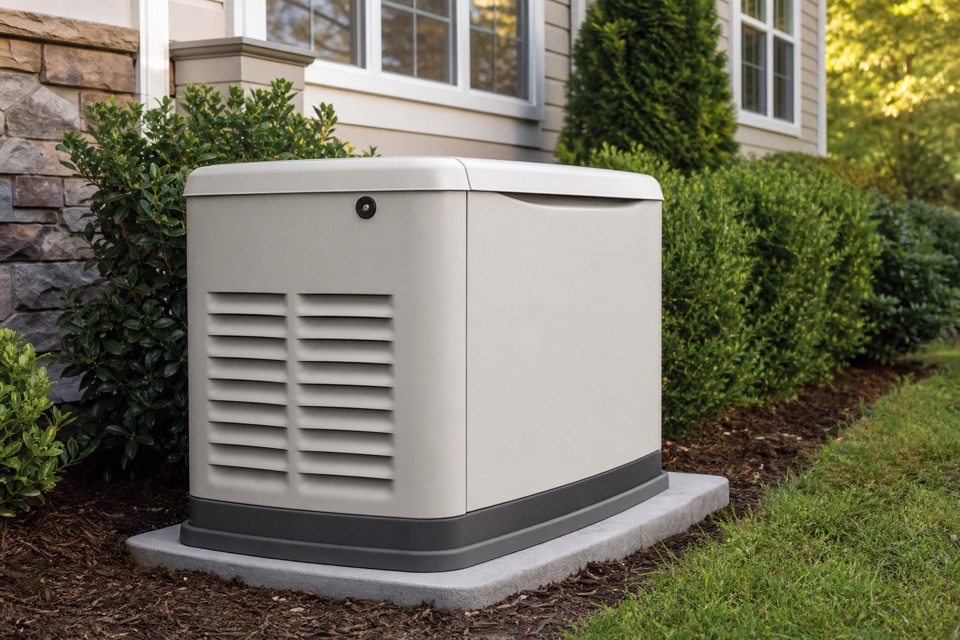
Severe weather can cause highly unexpected electrical faults that go far beyond a simple tripped breaker. For example, our technicians recently helped an Auburn homeowner who experienced partial power loss and repeatedly tripping circuits during a blustery late-fall storm. Rather than repeatedly forcing the breakers back on and risking an electrical fire, they called our team for help. We arrived and discovered a loose wire connected to their generator system, which was safely tightened by our electrician to restore full power to the entire house. If you experience similar strange behavior at the box, recognizing the signs it's time to schedule a circuit breaker repair will keep your home and family safe.
Frequently Asked Questions About Post-Outage Electrical Safety
Should I turn off my main breaker during a power outage?
Turning off your main breaker is an effective way to protect your entire home from a sudden power surge when the grid reactivates. However, if you turn off the main breaker, you will not know when utility power has been restored to your neighborhood. A better strategy is to turn off all individual branch breakers while leaving one single lighting circuit on to act as a visual indicator, then staging the rest back on slowly once power is stable.
Can a power outage or power surge damage my HVAC system?
Yes, power surges are a leading cause of catastrophic failure in modern HVAC systems. When the grid fluctuates, transient voltage spikes can instantly melt the delicate microprocessors inside your furnace or heat pump control board. While the outage itself rarely causes damage, the massive surge of inrush current when the power returns is highly destructive to unprotected electronics.
What should I do immediately when the power comes back on?
When the power first returns, you should wait 5 to 10 minutes before taking any action at your electrical panel. This waiting period allows the utility grid to stabilize and shed the initial massive load from the neighborhood. Once the power is steady and your indicator light is no longer flickering, you can begin the staged process of turning your individual breakers back on one at a time.
How do I correctly reset my electrical panel after an outage?
To correctly reset your panel, start by ensuring the main breaker is in the "On" position, then flip your individual room breakers back on one by one. You should wait 10 to 15 seconds between each breaker to prevent your home from pulling a massive surge of electricity all at once. Always save your large 240V appliances, like your heating system and electric oven, for the very last step.
How long should I wait between flipping individual breakers back on?
You should wait approximately 10 to 15 seconds between flipping each individual breaker back to the "On" position. This brief pause gives your home's electrical system time to handle the sudden draw of lights, refrigerators, and standard outlets waking up. Rushing through the panel and flipping them all at once defeats the purpose of staging and can trigger a localized power surge inside your home.
Ensure Your Electrical and HVAC Systems Are Ready for Winter
Proactive preparation is always the best defense against seasonal grid instability. Before the next major windstorm rolls through the valley, take the time to familiarize yourself with your electrical panel and ensure every breaker is clearly labeled. If your panel has a history of tripping, or if your heating system struggled during the last power event, now is the time to take action. Schedule a professional inspection for both your electrical panel and your HVAC system today to ensure your home remains safe, warm, and fully protected all winter long. Additionally, if you decide to upgrade to a high-efficiency heating system or modern electrical panel, keep in mind that generic federal tax credits or local utility incentive programs may apply—just be sure to verify current programs with your utility provider or a tax professional.
Related Articles

Ready to Get Started?
Whether you need a repair, maintenance, or a new installation, our expert team is here to help.