AC Repair Troubleshooting: Answering Common Homeowner Questions
Trust Allred
Navigating Unexpected AC Failures: Finding the Right Solutions
You adjust the thermostat down another two degrees, but the air coming from the vents still feels lukewarm. The system is running constantly, yet the indoor temperature continues to climb. Dealing with a failing cooling system is incredibly frustrating, especially when it happens on a day you need it most. When the system struggles, getting your common homeowner questions answered is the first step toward restoring the comfort of your home.
Understanding the basic mechanics of your cooling equipment helps you make informed decisions about when to seek professional help. Having clear, objective answers to general professional service FAQs removes the guesswork from the process. When you know what symptoms to look for and what a professional diagnostic actually entails, you can navigate unexpected breakdowns with confidence rather than stress.
For more comprehensive guidance, explore our resources on HVAC Services, or learn more about professional AC Repair.
The Value of a Troubleshooting Roadmap
When an air conditioner stops working correctly, the instinct is often to panic or assume the worst-case scenario. However, many common cooling issues share similar symptoms. By reviewing foundational troubleshooting questions, you can identify whether the problem is a simple airflow restriction or a complex mechanical failure that requires a licensed technician. This roadmap prepares you for the initial consultation, ensuring you know exactly what to expect when a professional arrives at your home.
Why Is My Air Conditioner Running But Not Cooling?
One of the most frequent top-of-funnel questions homeowners ask is why their system sounds like it is working, but the indoor air remains uncomfortably warm. This specific problem usually stems from one of three primary causes: restricted airflow, blocked heat transfer, or a loss of refrigerant.
The Problem: Restricted Airflow
Air conditioners do not actually create cold air; they remove heat from the existing indoor air. To do this effectively, the system requires a massive, continuous volume of air moving across the indoor evaporator coil. If that airflow is restricted, the cooling process halts. According to the U.S. Department of Energy, replacing a dirty, clogged filter with a clean one can lower your air conditioner's energy consumption by 5% to 15%. When a filter becomes completely impacted with dust, pet dander, and debris, the blower motor cannot pull enough air through the system. The result is a unit that runs nonstop but produces very little cooling.
The Cause: Blocked Heat Transfer at the Condenser
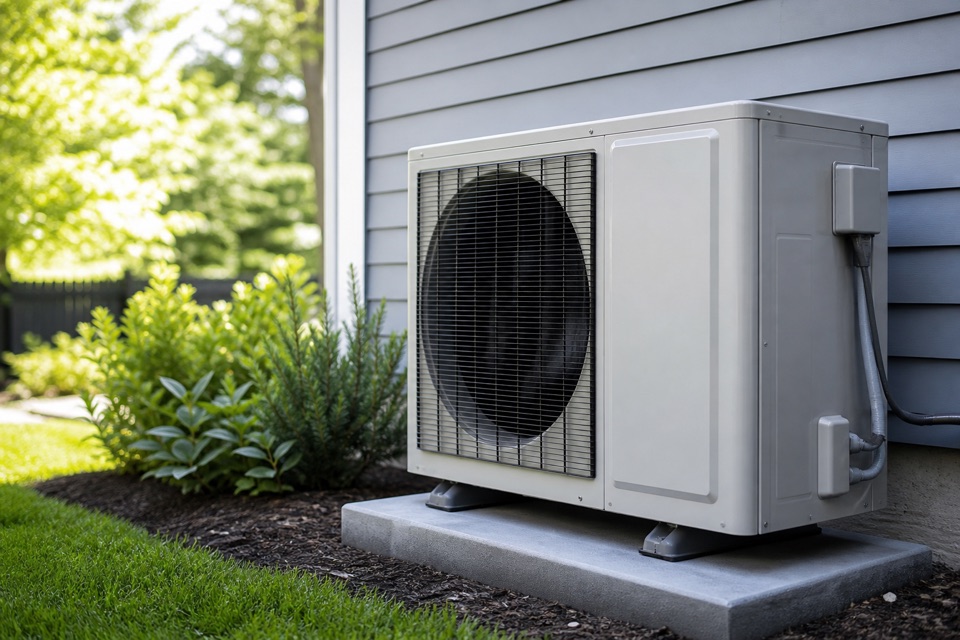
The outdoor unit, known as the condenser, is responsible for releasing the heat absorbed from inside your home into the outdoor air. Because it sits outside, the condenser coil is constantly exposed to the elements. Over time, grass clippings, cottonwood seeds, dirt, and leaves can form a thick blanket over the aluminum fins. When this happens, the heat remains trapped inside the system. The compressor will continue to run, but without the ability to exhaust the heat, the air blowing from your vents will feel lukewarm at best.
The Solution: Professional Assessment for Refrigerant Issues
While checking and changing a dirty filter is a safe, necessary maintenance task for homeowners, other causes require specialized intervention. If the filter is clean and the outdoor unit is clear of debris, the system may be suffering from a refrigerant leak. Refrigerant is the chemical compound that actually absorbs the heat. Because an air conditioner is a closed-loop system, it does not "consume" refrigerant. If the level is low, there is a physical leak in the copper lines or coils. Handling refrigerant, pinpointing microscopic leaks, and brazing copper lines strictly requires a licensed professional with specialized diagnostic tools. Recognizing these Signs Your Air Conditioner Needs Repair ensures you bring in an expert before the compressor sustains permanent damage.
Identifying the Source of Strange AC Noises and Odors
Air conditioners are generally designed to operate quietly in the background. When you start noticing intrusive sounds or strange smells, the system is actively signaling that an internal component is failing. Categorizing these common symptoms helps you understand what might be happening behind the access panels.
Decoding Mechanical Noises
Different sounds point to entirely different mechanical failures. Understanding these acoustic warning signs can prevent a minor repair from turning into a major system replacement.
- Squealing or screeching: This high-pitched sound usually indicates a failing bearing in the indoor blower motor or the outdoor condenser fan motor. In older units, it can also point to a slipping fan belt.
- Grinding or metal-on-metal scraping: A harsh grinding noise is a severe warning sign. It often means a motor's bearings have completely disintegrated, or the fan blade has come loose and is actively striking the metal housing. If you hear grinding, turn the system off immediately at the thermostat to prevent further damage.
- Bubbling or hissing: A continuous hissing or bubbling sound coming from the refrigerant lines usually points to a pressurized refrigerant leak.
- Repeated clicking: While a single click is normal when the system turns on, rapid, repeated clicking often signals a failing electrical contactor or a defective capacitor struggling to send power to the compressor.
Interpreting Unusual Odors
Smells coming from your ductwork provide another layer of diagnostic information. A musty, damp odor—often referred to in the industry as "dirty sock syndrome"—typically indicates microbial growth on the dark, damp indoor evaporator coil. Conversely, a sharp, burning smell or the scent of melting plastic usually points to an electrical short, a failing motor, or damaged wiring insulation. Electrical odors should always be treated as an immediate safety concern.
By understanding these sensory clues, you can provide accurate information to your technician, speeding up the diagnostic process. For more foundational knowledge, reviewing AC Repair Troubleshooting Basics can help you articulate exactly what the system is doing when you call for service.
How Pacific Northwest Climate Variations Strain Idle AC Units
The regional weather patterns in the Pacific Northwest create a unique set of challenges for residential cooling systems. Unlike systems in the deep south that run continuously for eight months of the year, AC units in this region often sit completely idle from October through May. This prolonged dormant phase followed by sudden, extreme usage creates significant mechanical strain.
The Impact of Sudden Heatwaves
Pacific Northwest summers are notorious for sudden, severe temperature spikes. A week of mild 70-degree weather can instantly shift into a 95-degree heatwave. When this happens, homeowners across the region turn their thermostats down simultaneously. The air conditioning unit is forced to go from zero activity to operating at maximum capacity under an immense thermal load.
This sudden demand stresses components that have not moved in months. Capacitors that have degraded over the winter may fail to deliver the necessary voltage to start the compressor. Bearings in the fan motors that have lost their lubrication during the damp, idle months can seize up when suddenly forced to spin for hours on end. The mechanical shock of a sudden heatwave is why so many systems fail on the very first hot day of the year.
The Necessity of Pre-Season Checks
Because the regional climate dictates intermittent, heavy usage, pre-season checks become a critical part of system longevity. A professional evaluation before the summer heat arrives ensures that electrical connections haven't loosened, moving parts are properly lubricated, and the system hasn't suffered any degradation during its dormant months. Connecting these regional climate realities to proactive maintenance helps ensure the system is ready to perform exactly when the sudden heat hits.
What to Expect During a Professional AC Repair Diagnostic
Many homeowners hesitate to call for service because they are unsure of what happens during an initial consultation. Removing the ambiguity from this process is essential. A professional, efficient, and trusted local service visit is designed to be objective, informative, and entirely focused on diagnosing the root cause of the failure without any high-pressure tactics.
During a routine spring service visit, one local homeowner noted how the technician took the time to perform the service carefully, explaining the process step-by-step and providing a thorough debriefing afterward. This level of transparency is the standard for professional diagnostics.
The Standard Diagnostic Process
- The Initial Visual Inspection: The technician will begin by examining the thermostat settings, inspecting the indoor air filter, and checking the electrical breaker panel. They will also look at the outdoor condenser for obvious signs of physical damage, debris buildup, or oil stains that indicate a refrigerant leak.
- Electrical and Voltage Testing: Using specialized multimeters, the technician will test the dual run capacitor, the contactor, and the voltage reaching the compressor. Electrical faults are among the most common reasons a system fails to start, and precise measurements quickly isolate the failing component.
- Refrigerant and Airflow Analysis: If the electrical components are functioning, the technician will attach gauges to measure the refrigerant pressures and check the temperature drop across the indoor coil. This confirms whether the system is properly absorbing and rejecting heat.
- The Educational Debriefing: Once the testing phase is complete, the technician will explain their findings in clear, jargon-free language. They will present the objective data—such as a capacitor reading below its required microfarads or a specific drop in refrigerant pressure—and outline the available options to restore the system.
Reassuringly, a standard diagnostic is designed to educate you about the health of your equipment. If you need Auburn HVAC Repair, knowing these steps ensures you feel in control of the consultation from the moment the technician arrives.
Understanding the Lifespan of Your Cooling System
Eventually, every homeowner faces the decision point of whether to continue repairing an aging unit or to invest in a complete system replacement. Making this decision requires objective data rather than guesswork. Understanding the expected lifespan of your cooling equipment provides a neutral framework for evaluating your options.
Industry Benchmarks for Longevity
According to the U.S. Department of Energy, a well-maintained central air conditioner typically lasts 15 to 20 years. However, this benchmark assumes that the system has received consistent, professional maintenance throughout its life. Factors such as improper initial sizing, coastal salt air, or years of running with restricted airflow can significantly reduce this expected lifespan.
Evaluating Efficiency Loss Over Time
As cooling systems age, they naturally lose efficiency. An air conditioner that was rated at 14 SEER (Seasonal Energy Efficiency Ratio) a decade ago may only operate at a 10 SEER equivalent today due to wear and tear on the compressor and micro-leaks in the ductwork. Older units simply have to work harder and run longer to keep up with current cooling demands, which directly increases your monthly energy consumption.
The Repair vs. Replace Decision
The frequency of past repairs is a strong indicator of overall system health. If a unit is over 12 years old and requires a major component replacement—such as a new compressor or a replacement evaporator coil—the continuous repairs are often no longer a viable investment. In these cases, the cost of the repair combined with the ongoing efficiency loss makes upgrading to a modern, high-efficiency system the more logical, long-term solution.
Checklist: When to Stop Troubleshooting and Call a Professional
While checking your thermostat settings and replacing the air filter are excellent first steps, there is a strict line where DIY troubleshooting must end. Modern HVAC systems utilize high-voltage electricity and pressurized chemicals that require specialized training to handle safely.
One homeowner reached out at 7:10 PM on the hottest evening of the summer when their unit suddenly stopped working. A technician arrived within ten minutes, quickly diagnosed the electrical fault, and had the system working again efficiently. Recognizing when to make that call is vital for your safety and the health of the equipment.
Stop troubleshooting and contact a licensed professional immediately if you notice any of the following critical symptoms:
- The system rapidly turns on and off (short cycling): If the unit runs for only two or three minutes before shutting down and restarting, the compressor is under extreme stress and will fail if allowed to continue.
- Electrical issues are present: If the air conditioner is constantly tripping the dedicated circuit breaker, do not keep resetting it. A tripping breaker is a critical safety mechanism indicating a dangerous electrical short or an overheating compressor.
- Ice is forming on the equipment: If you see a block of ice forming on the copper refrigerant lines outside or on the indoor evaporator coil, turn the system off immediately. Ice indicates a severe airflow restriction or a refrigerant leak.
- The system produces warm air despite a clean filter: If you have verified the thermostat is set to "cool" and the filter is brand new, but the air remains warm, the internal cooling cycle has failed.
- Unusual, loud mechanical noises persist: Harsh grinding or screeching sounds during operation mean internal components are actively destroying themselves.

Frequently Asked Questions About Air Conditioning Service
When an air conditioning system struggles, homeowners often turn to search engines for immediate answers. Below are straightforward, neutral-expert answers to the most common top-of-funnel questions regarding professional AC service.
Why is my AC running but not cooling?
This issue typically occurs when the system suffers from severely restricted airflow or a lack of heat transfer. The most common culprit is a completely clogged air filter that prevents the blower from pulling air across the indoor coil. If the filter is clean, the outdoor condenser coil may be blanketed in dirt and debris, or the system may be low on refrigerant due to a physical leak in the copper lines.
How do I know if my AC needs professional repair?
You need professional repair if the system exhibits symptoms that go beyond basic filter maintenance. Key indicators include harsh grinding or screeching noises, a system that trips the circuit breaker upon startup, visible ice forming on the refrigerant lines, or warm air blowing from the vents despite correct thermostat settings. These issues require specialized diagnostic tools to resolve safely.
What happens during an AC repair diagnostic?
During a professional diagnostic, a technician will perform a comprehensive evaluation of the system's electrical and mechanical components. They will measure the voltage reaching the compressor, test the capacity of the capacitors, check the refrigerant pressure levels, and evaluate the overall airflow. Afterward, they will provide a clear debriefing, explaining the objective findings and presenting options for repair.
How long does an air conditioner last?
The U.S. Department of Energy states that a well-maintained central air conditioner generally lasts between 15 and 20 years. However, this lifespan depends heavily on consistent annual maintenance, proper initial installation sizing, and the climate in which it operates. Systems that run with dirty filters or low refrigerant for extended periods often fail well before hitting the 15-year mark.
How often should I replace my AC filter?
For most standard residential systems, you should inspect the air filter once a month and replace it at least every 90 days. During periods of heavy use, such as sudden summer heatwaves, or if you have multiple pets in the home, you may need to replace the filter every 30 to 45 days to maintain optimal airflow and system efficiency.
Is it normal for my air conditioner to drip water outside?
Yes, it is entirely normal for an air conditioner to drip water from the primary condensate drain line while it is running. The system naturally dehumidifies the indoor air as it cools, and that extracted moisture must drain safely outside. However, if water is pooling heavily around the indoor furnace unit or dripping through the ceiling, the drain line is likely clogged and requires professional clearing.
Getting Clear Answers for Your AC Repair Needs
Understanding common AC issues is the most effective way to make confident, proactive maintenance decisions for your home. When you know the difference between a simple clogged filter and a failing compressor motor, you can respond to unexpected breakdowns with clarity rather than frustration. Reviewing these foundational questions ensures you are fully prepared for the diagnostic process.
Clear, objective answers remove the ambiguity from the repair process, allowing you to evaluate your options without feeling pressured. By recognizing the early warning signs of mechanical failure and knowing exactly when to stop troubleshooting, you protect your equipment from further damage. If your system is struggling to keep up with the heat, exploring professional AC Repair options ensures your home remains comfortable, efficient, and safe throughout the season.
Ready to Get Started?
Whether you need a repair, maintenance, or a new installation, our expert team is here to help.