Home Maintenance Tips and Troubleshooting: Recognizing When to Consider a New AC Installation
Trust Allred
Recognizing the Early Warning Signs of HVAC Trouble
Your air conditioner is running nonstop, but the house still feels uncomfortably warm. If you are searching for home maintenance tips and troubleshooting, you are likely trying to catch a minor issue before it turns into a complete system breakdown. Our team at Trust All Red sees this exact scenario every summer. A struggling HVAC system is incredibly frustrating, especially when it starts losing ground on the hottest day of the year. For comprehensive guidance, exploring professional air conditioning solutions is the best way to protect your home and ensure long-term comfort.
Homeowners often face a critical decision point: knowing exactly what basic maintenance they can safely perform versus when complex diagnostics are required. During our service calls, we constantly remind customers that neglected maintenance is the leading cause of premature HVAC system failure, and catching early warning signs can save you from an expensive, sudden replacement. During the peak heating/cooling season, your system works harder than ever, exposing underlying weaknesses in components that may have been deteriorating for months.
Understanding the basic mechanics of your system empowers you to make informed decisions. By paying attention to how your system sounds, smells, and operates, you can intervene before a minor airflow restriction causes a major compressor failure. Here are the primary warning signs our technicians recommend monitoring:
- Unusual noises: Grinding, squealing, or rattling sounds often indicate loose belts, failing motor bearings, or debris trapped in the outdoor unit.
- Short cycling: If your system turns on and off rapidly without fully cooling the home, it is experiencing severe operational strain.
- Weak airflow: A noticeable drop in air pressure from your vents suggests a blockage in the ductwork or a failing blower motor.
- Unexpected utility bills: A sudden spike in energy costs without a change in weather usually means your system is working twice as hard to produce the same amount of cooling.
Safe Home Maintenance Tips and Troubleshooting: What You Can Do Yourself
Before assuming your system has suffered a catastrophic mechanical failure, there are several safe, straightforward steps you can take. Performing these simple steps can often prevent sudden breakdowns during temperature spikes, especially during the peak heating/cooling season when HVAC companies are booked weeks in advance. Scheduling routine AC maintenance and tune-ups ensures your system stays efficient, but your proactive care between visits is just as important.
Here is a definitive list of maintenance tasks our team agrees you can safely manage:
- Inspect and replace air filters: This is the single most important task for any homeowner. Replacing a dirty, clogged filter with a clean one can lower your air conditioner's energy consumption by 5% to 15%. Check your filter monthly and replace it at least every 90 days.
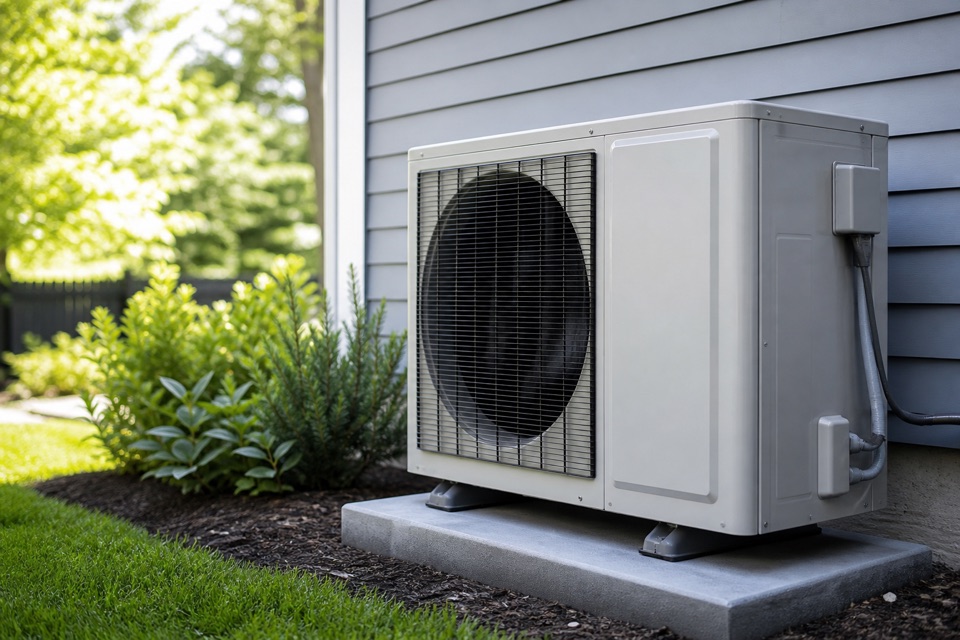
- Clear the outdoor condenser unit: Your outdoor unit needs to breathe to release heat. Remove any leaves, twigs, or debris resting on the top grille. Trim back bushes, tall grass, and branches so there is a minimum of two feet of clear space around the entire unit.
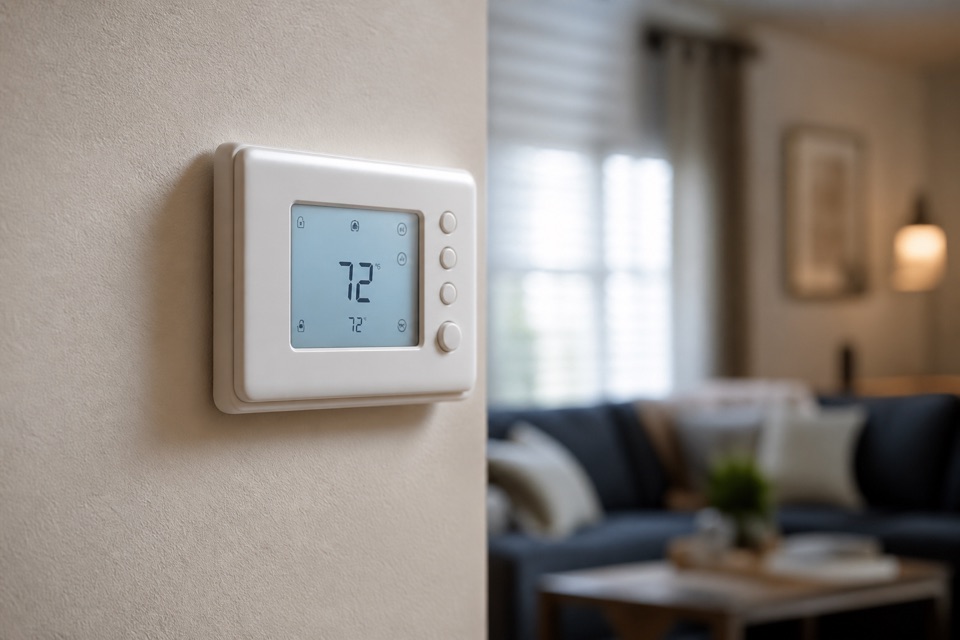
- Check thermostat settings and batteries: A blank thermostat screen or an unresponsive unit is often just a battery issue. Replace the batteries and verify that the system is set to "Cool" and the fan is set to "Auto" rather than "On."
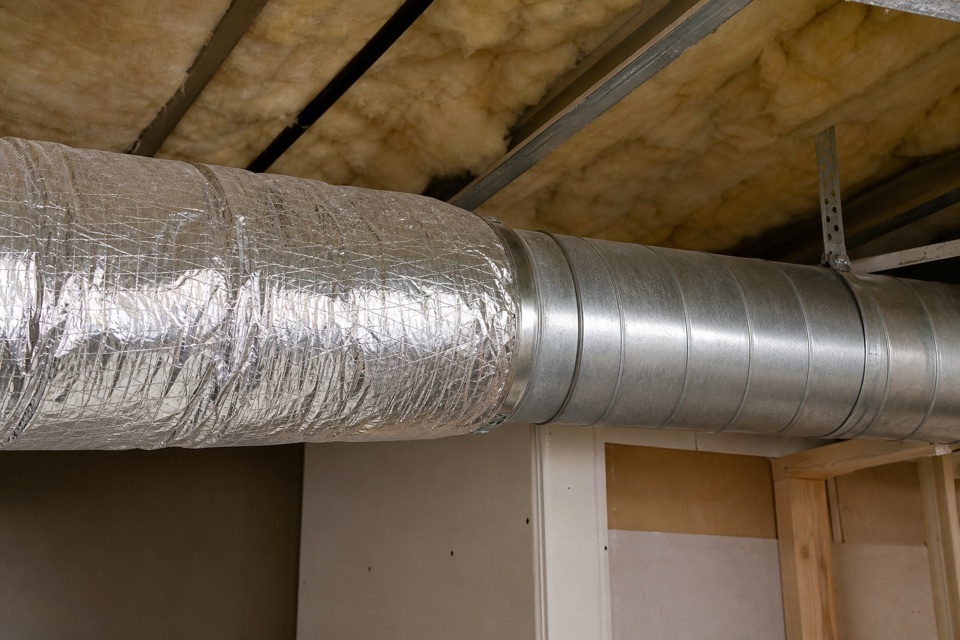
- Inspect visible ductwork: Look at the ductwork in your attic or basement for obvious disconnections or severe crimps that might be restricting air delivery to your living spaces.
The Role of Proper Airflow in System Health
Airflow is the lifeblood of your HVAC system. When airflow is restricted by a clogged filter or blocked return vents, the blower motor is forced to work substantially harder to pull air through the system. This excessive strain causes the motor to overheat and consume more electricity.
Furthermore, restricted airflow across the indoor evaporator coil prevents the system from absorbing enough heat from your home's air. Without that warm air flowing over the coils, the refrigerant inside drops below freezing. The condensation on the coils turns to ice, eventually encasing the entire component in a solid block of ice and completely halting the cooling process.
| System Status | Airflow Condition | Expected Outcome |
|---|---|---|
| Clean Filter & Clear Vents | Unrestricted, balanced pressure | Even cooling, normal cycle lengths |
| Clogged 1-Inch Filter | Moderate restriction | Longer run times, higher energy bills |
| Blocked Return Vents | Severe restriction | Frozen evaporator coils, potential blower failure |
Troubleshooting Airflow: Why Your System is Running but Not Cooling
In our years of serving the local area, one of the most common and perplexing issues we see homeowners face is an air conditioner that sounds like it is running perfectly, yet only pushes lukewarm air through the vents. To understand why this happens, you must understand the basic refrigeration cycle. Your air conditioner does not actually "create" cold air; instead, it absorbs heat from inside your home and releases it outside. If this heat transfer process is interrupted, the system will continue to run, but the air will not cool down. This is especially noticeable during the peak heating/cooling season when the demand for heat removal is highest.
The Problem: The thermostat registers a demand for cooling, the blower fan engages, and air circulates through the ductwork, but the temperature inside the home continues to rise.
The Cause: The issue almost always lies in a failure of the heat transfer process. Common culprits we identify include a tripped circuit breaker specifically tied to the outdoor compressor unit. If the indoor fan has power but the outdoor unit does not, the system will just circulate warm air. Another major cause is a frozen evaporator coil, which acts as an insulating barrier, preventing the refrigerant from absorbing heat. Finally, severe dirt buildup on the outdoor condenser coils prevents the system from dumping the absorbed heat into the outside air, causing the refrigerant to return indoors still warm.
The Solution: Start by verifying that both the indoor and outdoor units have power. Check your electrical panel for any tripped breakers and reset them once. Next, check the air filter; if it is completely caked in dust, replace it and turn the system off for a few hours to allow any potential ice on the coils to melt. If you have verified power, changed the filter, and ensured the outdoor unit is clean, but the air remains lukewarm, the issue has likely escalated to a mechanical failure or a refrigerant leak. At this stage, basic airflow checks have been exhausted, and our professional intervention is required.
The Hard Line: When DIY Maintenance Ends and Professional Diagnostics Begin
While proactive homeowner maintenance is essential, there is a definitive, objective technical threshold where DIY troubleshooting must stop. Crossing this line not only risks catastrophic damage to your equipment but also poses severe safety and legal risks. During the peak heating/cooling season, the temptation to attempt a quick fix is high, but understanding these boundaries is crucial when evaluating professional service providers to handle the complex work. When our team responds to emergency calls, we unfortunately often see the costly results of DIY attempts gone wrong.
First and foremost, any work involving high-voltage electrical components or the internal electrical panel requires a licensed professional. Your HVAC system runs on 240 volts of electricity, and components like the dual run capacitor store lethal amounts of electrical charge even after the power to the unit has been shut off at the breaker. Homeowners should never attempt to test, remove, or replace capacitors, contactors, or wiring harnesses.
Secondly, the handling of refrigerants is strictly regulated by federal law. The Environmental Protection Agency (EPA) mandates that only certified technicians can handle, recover, or top off AC refrigerant. A system does not "consume" refrigerant like a car consumes gas; if the levels are low, there is a physical leak that must be located and brazed shut. Homeowners must never attempt to purchase or add refrigerant themselves.
Finally, misdiagnosing a complex mechanical issue can lead to far more expensive damage. Replacing a blown fuse without identifying the underlying electrical short that caused it will simply result in another blown fuse—or worse, a damaged compressor. Professional diagnostics provide a clear, accurate picture of component health using specialized tools like multimeters, manifold gauges, and psychrometers that homeowners do not possess.

How Pacific Northwest Heatwaves Strain Aging HVAC Systems
Our technicians have witnessed firsthand how the environmental realities for homeowners in the Seattle and Auburn areas have shifted dramatically over the past decade. The Pacific Northwest is experiencing more frequent and intense summer heatwaves, transforming reliable air conditioning from a luxury into an absolute necessity. Understanding this regional climate context is vital when evaluating why a system might be struggling during the peak heating/cooling season.
Many older HVAC systems in the region were simply not originally designed for sustained high-temperature operation. Historically, systems installed in the Pacific Northwest were sized and calibrated for mild summers, with "design temperatures" rarely exceeding the mid-80s. When a heat dome settles over the region and temperatures push past 95 degrees for several consecutive days, these older units are forced to operate far outside their intended performance parameters—a pattern we see often during summer service calls.
Operating near maximum capacity continuously accelerates wear and tear on aging mechanical parts. The compressor runs hotter, the blower motor works longer hours without a cooling-down period, and the electrical components degrade faster under the sustained thermal load. This environmental strain means that a 12-year-old system today is experiencing significantly more wear than a 12-year-old system would have a generation ago.
This reality connects directly to the necessity of proactive system evaluation. If your older unit is struggling to maintain a comfortable indoor temperature during these new, extreme heat events, it is not necessarily a sign of a single broken part. Instead, it is often a symptom of a system that is fundamentally undersized and outmatched by the changing regional climate.
Connecting Recurring Failures to System Sizing and Lifespan
As systems age and endure heavy workloads, our technicians often find homeowners caught in a cycle of frequent, frustrating repairs. If you constantly need AC repair service just to keep the house livable, you are likely experiencing the law of diminishing returns. Transitioning from immediate troubleshooting to evaluating long-term solutions is the best way to protect your finances.
The Problem: You are paying for multiple repairs in a single season—a new capacitor in June, a refrigerant top-off in July, and a blower motor repair in August. The system is becoming a money pit.
The Cause: Beyond simple old age, recurring failures are frequently tied to improper system sizing. When an AC unit is initially installed, it must be sized using a precise mathematical formula known as a Manual J calculation, which accounts for your home's square footage, window placement, insulation quality, and local climate. An improperly sized system—whether too large or too small—will fail prematurely. An oversized unit will "short-cycle," turning on and off so rapidly that it never properly dehumidifies the air, causing excessive wear on the compressor. An undersized unit will run constantly, never reaching the thermostat set point, leading to motor burnout.
The Solution: At this stage, a transparent, professional evaluation is the best way to determine if replacement is more cost-effective than another repair. Our team at Trust All Red is committed to transparent practices and professional sizing, ensuring homeowners get an objective, data-backed assessment of their home's cooling load rather than a pressured sales pitch. By accurately measuring the home and evaluating the ductwork, our professionals can tell you definitively if your current system's recurring failures are due to an unfixable sizing mismatch, guiding you toward a reliable, long-term solution.
Frequently Asked Questions About AC Troubleshooting
When should I call an HVAC professional instead of trying to fix it myself?
We highly recommend calling a professional the moment your troubleshooting requires opening the unit's access panels or handling electrical wiring. While changing filters and clearing debris are safe DIY tasks, diagnosing a system that repeatedly trips the circuit breaker or fails to cool despite good airflow requires specialized tools. Attempting to fix internal mechanical or electrical components yourself during the peak heating/cooling season can void your warranty and pose serious safety risks.
Why is my AC running but not cooling the house?
If your system is running but blowing warm air, the heat transfer process has been interrupted. This is most commonly caused by a severely clogged air filter, a frozen indoor evaporator coil, or dirt blocking the outdoor condenser unit. If you have replaced the filter and cleaned the outdoor unit but the air remains lukewarm, you likely have a refrigerant leak or a failing compressor that requires our professional diagnostics.
What basic HVAC maintenance can I safely do myself?
Homeowners can safely manage the external upkeep of the system to ensure proper airflow. This includes replacing the indoor air filter every 1 to 3 months, keeping the outdoor condenser unit free of leaves and debris, and ensuring all indoor supply and return vents remain open and unblocked by furniture. You can also safely replace thermostat batteries and clean the external casing of the indoor unit.
How often should I change my AC filter during peak summer months?
During the heavy usage months of summer, you should inspect your air filter every 30 days and replace it at least every 45 to 60 days. If you have multiple pets, live in an area with high dust or wildfire smoke, or keep your windows open frequently, you may need to replace the filter every single month to prevent airflow restriction and system strain.
What causes an air conditioning unit to freeze up?
An AC unit freezes when there is insufficient warm airflow moving across the indoor evaporator coil, or when the system is low on refrigerant. Without enough warm air from the house to absorb the cold, the condensation on the coils turns to ice. The most frequent culprit we encounter is a dirty air filter blocking the airflow, but closed vents or a failing blower motor can also cause the system to freeze over completely.
Taking the Next Step for Reliable Home Comfort
Understanding the core mechanics of your system is the key to making empowered, cost-effective decisions about your home comfort. By recognizing the early warning signs of trouble and performing safe, routine upkeep, you can prevent many common issues from escalating. However, knowing exactly when to step back and call a professional protects both your financial investment and your personal safety.
If your system is showing signs of terminal failure, struggling to keep up with the summer heat, or requiring constant repairs, it is time to explore your options. Reviewing proper home maintenance tips and troubleshooting eventually leads to the realization that an aging system cannot run forever. If you are experiencing these recurring frustrations during the peak heating/cooling season, reaching out to Trust All Red for an objective evaluation regarding AC installation and replacement ensures your home remains a reliable, comfortable sanctuary for years to come.
Ready to Get Started?
Whether you need a repair, maintenance, or a new installation, our expert team is here to help.