Repair vs. Replace: The Math Behind Your Next AC Installation
Trust Allred
Are Your Energy Bills Trying to Tell You Something?
Are you constantly adjusting your thermostat, searching for home maintenance tips and troubleshooting advice online, yet your living room still feels uncomfortably warm? The first sign of a failing cooling system rarely comes as a sudden breakdown. Instead, it usually shows up in your mailbox. Unexplained spikes in energy costs, particularly during extreme weather patterns, are a clear indicator that your equipment is working harder than it should to produce the same level of comfort.
As HVAC systems age, they naturally lose their ability to transfer heat efficiently. What used to be a quick, 15-minute cooling cycle turns into a continuous, hour-long struggle. When you notice this happening, the choice between scheduling another repair and investing in new equipment should be a mathematical decision, not an emotional one. Upgrading your home's climate control requires evaluating the true cost of keeping an old unit running versus the long-term benefits of modernizing. Whether you are looking for general air conditioning services to keep your current unit limping along or you are ready to explore comprehensive AC installation and replacement, understanding the numbers is the first step.
The Difference Between Emotional and Mathematical Decisions
Many homeowners feel attached to their current equipment simply because it has kept them comfortable for a decade. It is easy to look at a repair estimate and think it is the cheaper route. However, this emotional attachment often ignores the compounding costs of operating an inefficient machine. During peak summer or winter, an aging system that runs non-stop is quietly draining your budget. By stepping back and looking at the math—factoring in utility costs, repair frequency, and performance degradation—you can make a financially sound choice that protects your household budget over the next ten to fifteen years.
The Hidden Cost of HVAC Efficiency Loss
To understand why a system becomes more expensive to operate over time, it helps to look at the mechanics of how aging equipment degrades. The core of your cooling system relies on precision parts that endure intense pressure and temperature fluctuations. Over thousands of hours of operation, these components inevitably wear down, creating a hidden tax on your monthly utility bill increase.
Compressor degradation: The compressor is the heart of your cooling system, responsible for pumping refrigerant. As it ages, the internal valves and seals begin to wear. This means the compressor must consume significantly more electricity to achieve the same level of refrigerant compression it once managed easily.
Coil deterioration: Both the indoor evaporator coils and outdoor condenser coils can suffer from micro-corrosion and accumulated debris over the years. Even with regular cleaning, the metallic surfaces lose their optimal heat transfer capabilities, forcing the system to run longer cycles to cool the air.
Blower motor strain: Continuous run cycles put massive added wear and tear on blower motors and electrical components. When the system struggles to reach the target temperature, the blower motor operates almost constantly, drawing substantial electrical current and accelerating its own eventual failure.
The Illusion of Repair Savings
The perceived savings of delaying a replacement are almost always offset by higher monthly operational costs. You might save on the upfront cost of new equipment, but you are paying that money directly to the utility company instead. In fact, data from energy authorities indicates that replacing a 10 to 15-year-old unit can reduce cooling energy costs by 20 to 40 percent. When you calculate that 40 percent savings over the course of a long, hot season, the financial argument for holding onto an obsolete, inefficient system begins to fall apart.
The 50 Percent Rule: When is Maintenance No Longer Enough?
Knowing exactly when to stop pouring money into an aging machine can feel overwhelming. Fortunately, industry professionals rely on an objective framework to make this call: the 50 percent rule. This guideline states that if the cost of a required repair exceeds half the value of a comparable new system, replacement is mathematically the smarter choice. This rule helps homeowners step away from the sunk-cost fallacy of trying to save a fundamentally degraded unit.
There are clear limitations to what routine tune-ups can achieve. While scheduling regular AC maintenance is critical for extending the lifespan of a healthy system, it cannot reverse the permanent mechanical wear of a 15-year-old compressor. You can clean the coils and replace the filters, but you cannot restore the lost compression ratio that is driving up your monthly utility bill increase.
Evaluating the Frequency of Breakdowns
Age and repair costs are not the only variables; the frequency of recent interventions matters just as much. A common pattern we see involves an air conditioning unit stopping entirely during hot weather. While an emergency weekend service call can successfully diagnose the problem, replace a failing part, and add coolant to get the house cooled down before record-breaking high temperatures arrive, this should be viewed as a temporary lifeline rather than a permanent cure. If you find yourself repeatedly executing spring maintenance tasks for your cooling system only to face mid-summer breakdowns anyway, the equipment is signaling its end of life.
A successful, targeted repair on a five-year-old system makes perfect sense. However, when a system is simply failing due to advanced age, fixing one component usually means another will break shortly after. Applying the 50 percent rule prevents you from funding a slow, agonizing, and expensive system failure.

Why Western Washington Heatwaves Demand Precision Sizing
The decision to replace an aging system cannot be made in a vacuum; it must be contextualized within the specific climate realities of your region. In the Seattle and Auburn areas, we have seen a documented increase in days exceeding 85 degrees. Historically, many homes in Western Washington either lacked air conditioning entirely or relied on small, builder-grade units designed only for occasional use. Today, reliable cooling has shifted from a supplemental luxury to an absolute, continuous-use necessity.
Older systems were simply not sized for prolonged, multi-day heatwaves. When an undersized unit is forced to run continuously during peak summer or winter temperature extremes, it never reaches its target temperature. This continuous operation leads to rapid component degradation, frozen coils, and eventual catastrophic failure. The equipment was engineered for a climate that no longer exists.
The Danger of Undersized Equipment
Proper sizing is the foundation of modern HVAC efficiency. A properly sized modern unit handles sustained high temperatures without excessive energy draw because it is matched exactly to the square footage, insulation levels, and solar heat gain of your specific home. Regional climate shifts make holding onto an undersized, aging unit a massive financial liability. If you are considering AC installation in Auburn or the surrounding communities, demanding a rigorous load calculation is the only way to ensure your new system will handle the increasingly warm summers without driving up your energy costs.
The Airflow Factor: Installation Quality and System Performance
Bridging the gap between buying state-of-the-art equipment and actually experiencing lower utility bills comes down to one critical factor: the quality of the installation. When you research new systems, you will see high SEER2 (Seasonal Energy Efficiency Ratio) ratings advertised. However, it is vital to understand that a SEER2 rating is only a theoretical maximum achieved in a laboratory setting. Your actual, real-world efficiency depends entirely on how the equipment is integrated into your home.
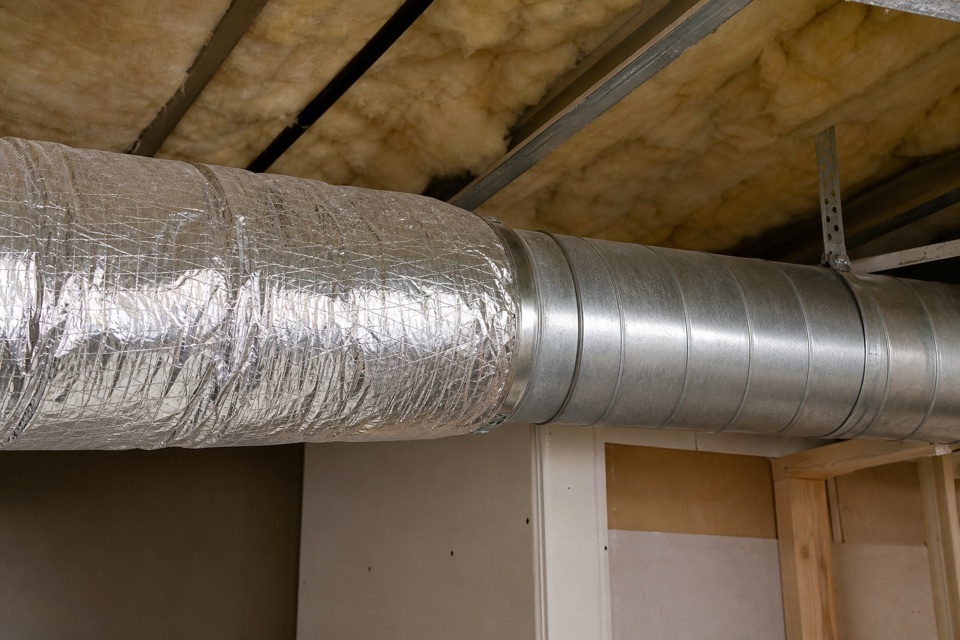
Ductwork compatibility: Modern, high-efficiency systems require precise airflow to function correctly. If your existing ductwork is undersized, leaking, or poorly designed, the new system will choke. This restriction forces the variable-speed blower motors to work harder, instantly erasing the efficiency gains you paid for and leading to a persistent monthly utility bill increase.
Electrical panel capacity: Upgrading to a modern system often requires checking the existing electrical infrastructure. Older homes may not have the dedicated amperage required to safely run high-performance compressors alongside modern appliances. A thorough installation process includes verifying that your panel can support the load without tripping breakers.
Refrigerant charging: Even a minor miscalculation in the refrigerant charge can severely impact performance. An undercharged system struggles to absorb heat, while an overcharged system risks damaging the compressor. Poor installation, incorrect sizing, or failing blowers can reduce a brand-new system's efficiency by up to 15 percent right out of the box.
What to Expect During a Professional System Upgrade
The prospect of tearing out an old HVAC system and installing a new one can cause anxiety for many homeowners. Walking through the actual replacement process helps remove that anxiety and demonstrates the value of doing the job right the first time. A proper installation is a multi-day process that respects your property and leaves your home safer and more comfortable than before. At Trust All Red, a commitment to precision and trusted professional service ensures that every technical detail is handled with rigorous attention.
A Comprehensive Approach to Home Comfort
- Initial Assessment and Sizing: The process begins with a detailed load calculation, measuring windows, insulation, and square footage to determine the exact tonnage required for your home.
- Infrastructure Inspection: Before any new equipment is brought in, technicians thoroughly inspect the existing ductwork, refrigerant lines, and electrical systems. When installing a new air conditioning system, it is common to encounter related infrastructure issues, such as an outdated or tripping breaker panel. A professional team will identify and resolve these underlying electrical panel complications to ensure safe operation.
- Removal and Installation: The aging unit is safely evacuated of old refrigerant and removed. The new indoor evaporator coil, outdoor condenser, and upgraded blower components are then meticulously fitted and secured.
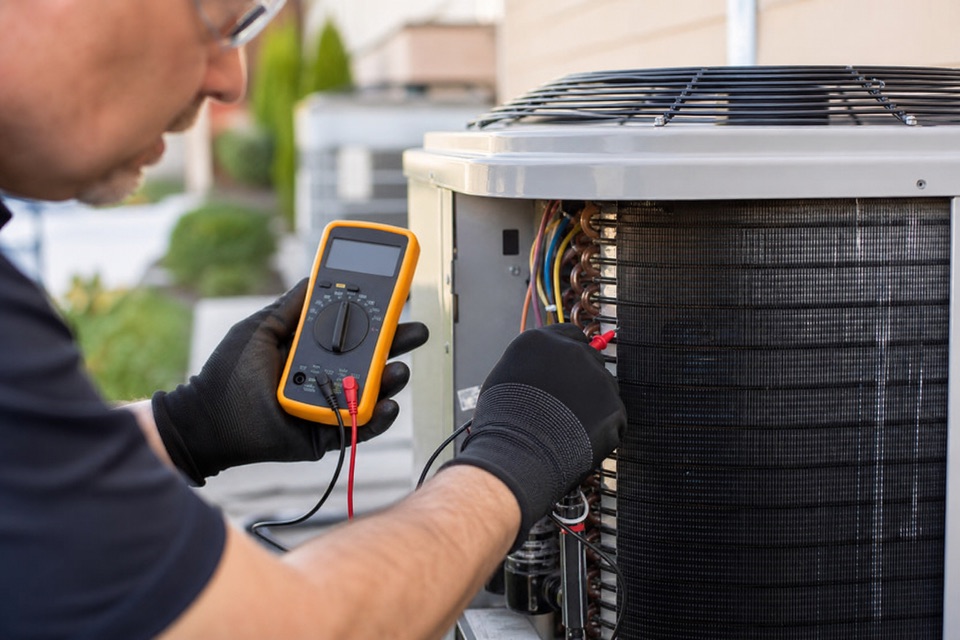
- Testing and Recalibration: Once physically installed, the system undergoes rigorous testing. Technicians measure airflow, verify the exact refrigerant charge, and test the electrical draw to ensure the new unit operates at its absolute peak efficiency during peak summer or winter loads.
A comprehensive upgrade resolves both the cooling demand and any related infrastructure issues, ensuring the AC system is installed correctly the first time and your home is left pristine.
Comparing Your Options: The Math of SEER2 Upgrades
To make the best mathematical decision, it helps to look at a clear, side-by-side comparison of keeping your old unit versus upgrading to a modern SEER2 system. In 2023, the Department of Energy transitioned to the SEER2 standard, which subjects new units to much stricter, real-world testing conditions, including higher external static pressure. This means a modern SEER2 unit is vastly superior to a unit built just ten years ago.
| System Factor | Aging Unit (10-15 Years Old) | Modern SEER2 Upgrade |
|---|---|---|
| Energy Consumption | High; continuous run cycles lead to a monthly utility bill increase. | Optimized; variable speed motors reduce energy use by 20-40%. |
| Repair Frequency | Increasing; parts are wearing out and warranties have expired. | Minimal; protected by comprehensive manufacturer warranties. |
| Cooling Capacity | Struggles to maintain temperature during prolonged heatwaves. | Precision sized to handle sustained high temperatures effortlessly. |
| Secondary Benefits | Loud operation, poor humidity control, uneven room temperatures. | Whisper-quiet operation, advanced dehumidification, even airflow. |
Secondary Benefits of Modern Equipment
If your system meets the checklist criteria for replacement—specifically being over 10 years old, requiring frequent repairs, and causing high utility bills—the math strongly indicates replacement is the better choice. Beyond the pure financial calculation, modern units offer significant secondary benefits. Advanced variable-speed compressors provide vastly superior humidity control, pulling moisture out of the air even on milder days. Furthermore, modern sound-dampening technology ensures the equipment operates much more quietly, eliminating the loud clanking and roaring associated with older models.
Make a Math-Based Decision for Your Home's Comfort
Evaluating HVAC efficiency is ultimately about calculating the true cost of operation over time. Every month you run a failing, inefficient system, you are paying a premium on your utility bills for subpar comfort. The math is clear: when the cost of repairs and the burden of a monthly utility bill increase outpace the value of the equipment, replacement is the most cost-effective path forward.
Do not wait for a complete system failure during the most extreme weather of the year. Emergency replacements often limit your options and add unnecessary stress. By taking a proactive approach, you can carefully select the right equipment, ensure precision sizing, and lock in long-term energy savings. We encourage you to schedule a professional assessment today to evaluate your current system's efficiency and explore the mathematical benefits of a modern upgrade.
Frequently Asked Questions
Why is my electric bill so high in the summer?
A high electric bill in the summer is usually caused by an aging or poorly maintained AC unit losing its operating efficiency. As components like the compressor and coils wear down, the system must run longer cycles to achieve the same cooling effect. This continuous operation draws significantly more electricity, directly resulting in a monthly utility bill increase.
How do I know if my AC needs replacing?
You should consider replacing your AC if it is over 10 to 15 years old, requires frequent repairs, or struggles to keep your home cool during peak summer heat. Unexplained spikes in energy costs and loud, grinding noises during operation are also strong indicators of advanced mechanical failure. A professional load calculation and system assessment can confirm if the unit is beyond its useful life.
Does a new AC lower your electricity bill?
Yes, upgrading to a new, high-efficiency AC unit can significantly lower your electricity bill. Modern systems built to current SEER2 standards utilize advanced variable-speed technology and improved coil designs to cool your home using far less power. Homeowners often see a 20 to 40 percent reduction in cooling energy costs after replacing a decade-old unit.
At what age should you replace your air conditioner?
Most industry experts recommend replacing an air conditioner when it reaches 10 to 15 years of age. Beyond this point, the internal components have typically degraded enough that the system loses its efficiency, and replacement parts become more expensive to source. Upgrading proactively prevents you from facing a catastrophic breakdown during extreme weather.
When is an AC unit considered beyond repair?
An AC unit is considered beyond repair when it suffers a major component failure—such as a seized compressor or a severe refrigerant leak in the evaporator coil—and the unit is already past its warranty period. If the system uses obsolete refrigerant or the surrounding components are heavily corroded, attempting a repair is usually a waste of money. At this stage, a full replacement is the only reliable solution.
What is the 50 percent rule for HVAC replacement?
The 50 percent rule states that if the cost of repairing your current HVAC system exceeds half the value of a comparable new installation, you should replace the unit instead. This mathematical guideline helps homeowners avoid the sunk-cost fallacy of pouring money into a failing machine. It ensures your investment goes toward reliable, long-term efficiency rather than a short-term patch.
Related Articles
Ready to Get Started?
Whether you need a repair, maintenance, or a new installation, our expert team is here to help.