Seasonal Home Maintenance Checklist: Prioritizing AC Installation and HVAC Prep
Trust Allred
Navigating the Upcoming Seasonal Transition: Your Home Maintenance Strategy
Nearly 48% of the energy used in a typical U.S. home goes directly toward heating and cooling, which makes building a strategic seasonal home maintenance checklist your best defense against high utility bills and unexpected breakdowns. The Department of Energy highlights this statistic to remind homeowners that their HVAC equipment works harder than almost any other system in the house. As the weather begins to shift, that workload only increases. Preparing for the upcoming seasonal transition requires more than just a quick visual inspection; it demands a comprehensive strategy to ensure your home remains comfortable and efficient.
When you take a proactive approach to your property's upkeep, you avoid the chaotic scramble that happens when the first major heatwave hits. Prioritizing essential HVAC services early in the season prevents minor wear and tear from developing into catastrophic system failures. For aging units that have already shown signs of struggling, scheduling an efficient AC installation before extreme weather arrives is the smartest move you can make. By addressing these heavy-duty requirements now, you lock in reliable performance for the months ahead.
Setting Boundaries: DIY Upkeep vs. Licensed Professional Services
A successful approach to the upcoming seasonal transition involves knowing exactly where your responsibilities end and a licensed technician's job begins. Many homeowners accidentally void their equipment warranties or put their safety at risk by attempting to service complex mechanical components themselves.
Safe Tasks for Homeowners
There are plenty of valuable maintenance tasks you can handle safely on your own to improve your home's overall efficiency. These basic upkeep items keep the environment around your equipment clean and reduce the overall load on your system.
- Replacing air filters: Swapping out dirty filters every 30 to 90 days prevents restricted airflow and reduces strain on the blower motor.
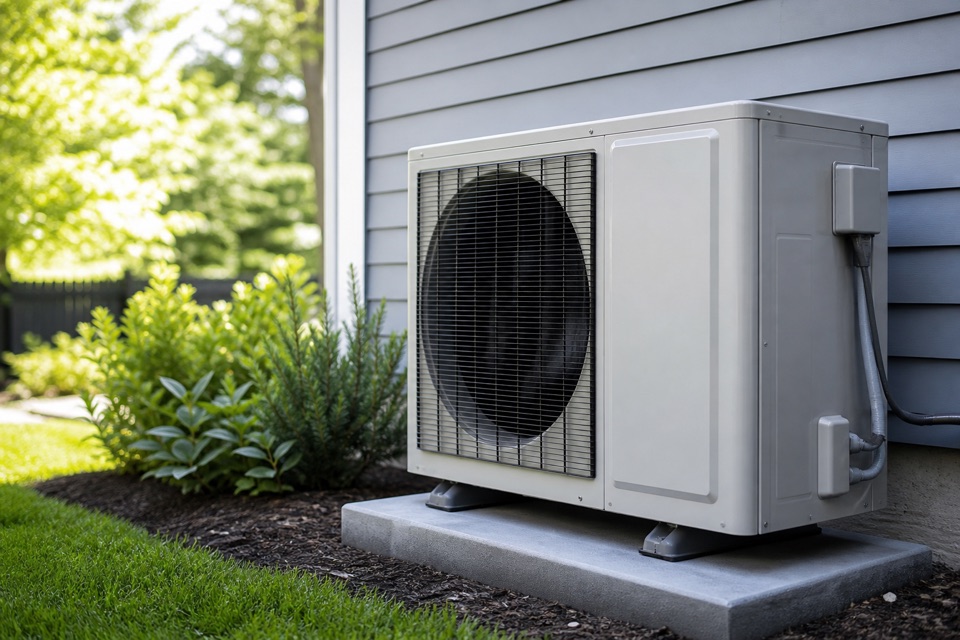
- Clearing yard debris: Keeping leaves, branches, and overgrown shrubs at least two feet away from the outdoor condenser allows for proper heat exhaust.
- Testing safety devices: Checking the batteries in your smoke detectors and carbon monoxide monitors is a mandatory step for household safety.
- Checking weatherstripping: Sealing gaps around windows and doors keeps conditioned air inside, reducing the workload on your cooling equipment.
Strict Professional Boundaries
While basic cleaning is helpful, any internal work on your heating and cooling equipment strictly requires a licensed professional. Modern air conditioners operate using high-voltage electricity and pressurized chemicals that demand specialized training to handle legally and safely.
| Task Type | DIY or Professional? | Why It Matters |
|---|---|---|
| Filter Replacement | DIY | Maintains basic airflow and indoor air quality. |
| Refrigerant Handling | Professional Only | Requires EPA certification; incorrect levels destroy compressors. |
| Electrical Diagnostics | Professional Only | High-voltage components pose severe shock and fire risks. |
| Internal Component Cleaning | Professional Only | Evaporator coils are delicate and easily damaged by household tools. |
Respecting these boundaries protects your manufacturer warranty, as most brands immediately void their coverage if unlicensed individuals attempt internal repairs. Leaving the technical work to the experts guarantees a safe, reliable system for the upcoming seasonal transition.

Evaluating Your Cooling System for the Washington Climate
The problem: Many older air conditioning units struggle to keep up with the shifting summer temperatures in the Washington area. As local weather patterns increasingly feature sudden, frequent heat spikes, systems that were installed a decade ago often lack the capacity or efficiency to maintain a consistent indoor climate. You might notice the unit running nonstop, failing to reach the temperature set on the thermostat, or causing a massive spike in your monthly utility bills.
The cause: This drop in performance usually stems from a combination of age, wear, and improper system sizing. When an air conditioner is undersized, it runs continuously in a desperate attempt to cool the house, accelerating the wear on its internal parts. Conversely, an oversized unit will short-cycle—turning on and off rapidly—which fails to remove indoor humidity and leaves the house feeling sticky. Furthermore, as systems age, their electrical components degrade, making them highly vulnerable during the heavy workloads required by the upcoming seasonal transition.
The solution: A comprehensive evaluation by a licensed technician determines whether your current setup can handle the regional climate shifts. If your equipment is past its prime, securing an AC installation in Redmond or the surrounding communities early in the spring prevents mid-summer emergencies. Real-world upgrades often involve more than just swapping a box. For example, our team at Our Company frequently encounters installations that require a holistic approach. Recently, we helped a local homeowner who needed a new cooling system installed over a few days during the spring. While mapping out the project, our technicians identified and resolved a failing electrical panel issue at the same time, ensuring the entire setup was robust enough to handle the incoming summer heat safely.
What to Expect During a Professional AC Installation
Upgrading your home's cooling infrastructure is a highly technical process that goes far beyond simply dropping a new unit onto a concrete pad. Professional expertise and reliable installation practices ensure long-term efficiency and provide lasting peace of mind. Here is exactly what happens when our experts at Our Company handle your upgrade ahead of the upcoming seasonal transition.
- Initial Load Calculation: Our technicians do not guess what size unit you need. We perform a rigorous load calculation that factors in your home's square footage, window placement, insulation quality, and local climate data. This ensures the new equipment is perfectly matched to your property's specific thermal dynamics.
- Safe Equipment Removal: Our installation team carefully powers down the old unit and safely recovers any remaining refrigerant in accordance with environmental regulations. The old hardware is then removed without damaging your landscaping or property exterior.
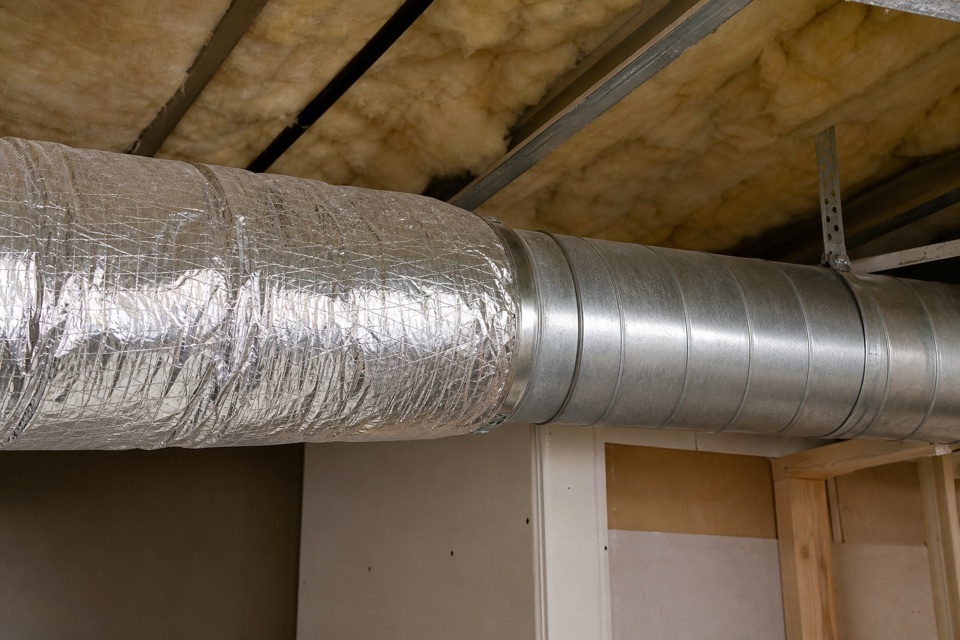
- Site Preparation and Upgrades: Before the new unit arrives, our technicians inspect the existing ductwork, electrical connections, and the physical mounting pad. Any necessary modifications—such as upgrading the wiring to handle modern energy-efficient standards—are completed at this stage.
- Precision Installation and Calibration: The new condenser and indoor evaporator coil are set into place. Technicians braze the copper refrigerant lines, pull a deep vacuum to remove moisture from the system, and carefully charge the unit with the exact amount of required refrigerant.
- Testing and Homeowner Walkthrough: The system is powered on and tested across all operating modes. Technicians verify the airflow, check the temperature drop across the coils, and ensure the thermostat communicates perfectly. Finally, they walk you through the new system's operation.
High-quality service also means respecting your property. Technicians wear protective booties indoors, use drop cloths, and maintain clear communication throughout the project. Executing this process thoroughly and professionally early in the year eliminates the frantic need for a same-day AC installation when the peak summer heat finally arrives.
The Value of Proactive Annual HVAC Maintenance
Even if your equipment is relatively new, integrating an ongoing service strategy into your seasonal checklist is non-negotiable. Routine check-ups catch minor friction points—like a loose wire, a failing capacitor, or a slightly low refrigerant charge—before they escalate into complete, expensive system failures.
Waiting until the hottest day of the year to find out if your air conditioner still works is a massive gamble. During peak summer months, service schedules fill up rapidly. One local customer learned this firsthand when their air conditioning unit completely stopped working right before a weekend of record-breaking high temperatures. Our team had to route a technician out immediately to diagnose the failure, replace a burnt-out part, and add coolant just to get the house cooled down before the extreme heat peaked. While the situation was resolved, it highlights the intense stress placed on equipment that hasn't been prepped for the weather.
Enrolling in annual HVAC maintenance plans ahead of the upcoming seasonal transition removes this risk entirely. During a scheduled tune-up, a technician cleans the condenser coils, lubricates moving parts to reduce motor strain, and tests the electrical draw of the compressor. These preventative steps restore the system's energy efficiency, lower your monthly cooling costs, and ensure uninterrupted comfort when the weather turns harsh.
Structuring Your Timeline Ahead of the Heatwave
Timing is everything when preparing your home for shifting weather. If you wait until the first ninety-degree day to test your equipment, you will be competing with hundreds of other homeowners for service appointments. Structuring your timeline during the early phases of the upcoming seasonal transition guarantees better scheduling availability and gives you ample time to make informed decisions.
Early Spring: Visual Checks and Basic Upkeep
- Replace all indoor air filters: Start the season with a fresh filter to guarantee maximum airflow.
- Clear the outdoor unit: Remove winter debris, branches, and dirt that have accumulated around the condenser base.
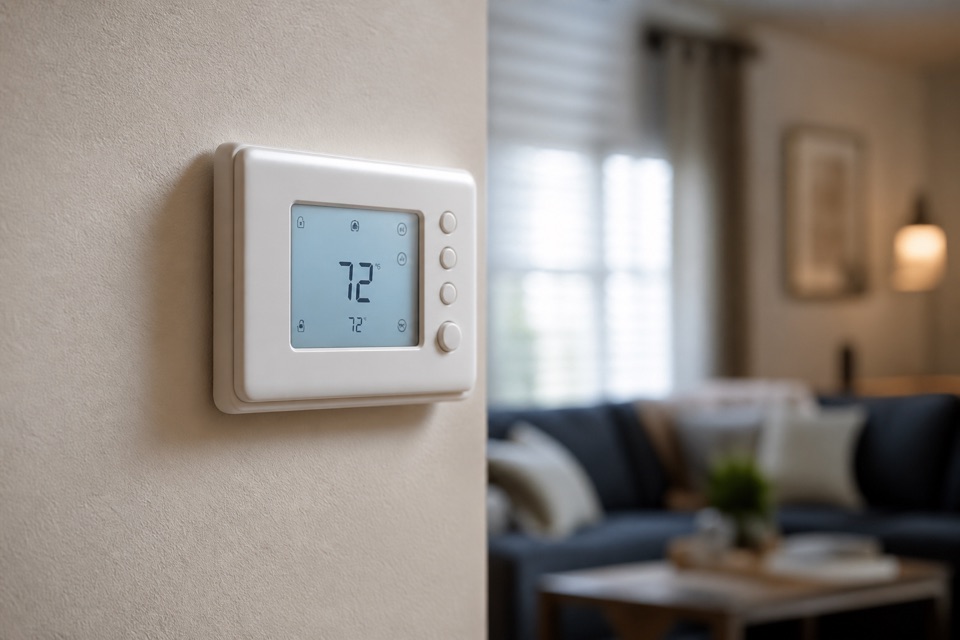
- Check the thermostat: Swap the batteries in your thermostat and run a brief test cycle to ensure the system actually turns on.
Mid Spring: Professional Diagnostics
- Schedule the tune-up: Bring in a licensed technician to perform a deep clean, test the electrical components, and verify the refrigerant levels.
- Assess equipment lifespan: If your system is over ten years old and requiring frequent repairs, ask the technician for a candid assessment of its remaining viability.
- Review financing options: If a replacement looks likely, use this window to review estimates and financing without the pressure of a broken unit.
Late Spring: Finalizing Installations
- Complete the upgrade: Have your new cooling system installed before the regional heat spikes begin.
- Test the new setup: Run the newly installed equipment for a few days to ensure everything operates quietly and efficiently.
- Lock in the maintenance plan: Sign up for an ongoing service agreement to protect your newly installed investment.
Finalizing Your Seasonal Service Plan
Successfully navigating the shifting weather comes down to preparation and knowing when to call in the experts. By separating basic household chores from the highly technical work required for your heating and cooling systems, you protect your property and your wallet.
Completing Your Seasonal Home Maintenance Checklist
Taking action during the upcoming seasonal transition is the only way to guarantee a stress-free, comfortable summer. Whether your current equipment simply needs a thorough professional tune-up to restore its efficiency, or you are ready to upgrade to a modern, correctly sized cooling system, moving early puts you in control. Explore your professional service options today to ensure your home is fully prepared for whatever the local climate brings next.
Frequently Asked Questions
What should be on a home maintenance checklist?
A comprehensive checklist should balance DIY tasks with professional service appointments. As a homeowner, you should include swapping out HVAC filters, testing smoke detectors, clearing yard debris away from outdoor units, and checking window weatherstripping. However, the list must also include scheduling professional preventative maintenance for your heating and cooling equipment to ensure internal components are operating safely.
When should I schedule seasonal HVAC maintenance?
The ideal time to book your preventative service is during the spring for your cooling system and during the fall for your heating system. Scheduling these appointments ahead of the upcoming seasonal transition ensures you beat the peak-season rush. It also gives technicians ample time to order replacement parts if they discover a failing component during the inspection.
What seasonal maintenance strictly requires a professional?
Any task involving the internal mechanics, electrical systems, or refrigerant lines of your HVAC equipment must be handled by a licensed professional. This includes checking coolant levels, cleaning delicate evaporator coils, testing capacitor voltage, and calibrating the blower motor. Attempting these tasks without proper training can result in severe injury, property fire, or the immediate voiding of your manufacturer warranty.
How do I properly prepare my AC for summer?
Start by replacing your indoor air filter and clearing away any leaves or dirt that have gathered around the outdoor condenser unit. Next, turn the system on for a brief test run on a mild day to ensure it produces cold air and operates quietly. Finally, bring in a licensed expert to perform a comprehensive tune-up, which restores the unit's efficiency and catches minor wear before it causes a breakdown.
When is the best time of year to install a new AC?
Spring is widely considered the best time to upgrade your cooling infrastructure. Technicians generally have more flexible schedules before the intense summer heat drives up emergency service calls. Installing early also means your home is fully equipped and efficiently cooled on the very first hot day of the year, rather than waiting weeks for an available installation slot in July.
How do shifting local temperatures impact AC sizing requirements?
As regional weather patterns produce more frequent and intense heat spikes, a system that was adequately sized a decade ago may no longer have the capacity to cool your home effectively. Technicians use advanced load calculations to account for these shifting temperatures. Properly sizing the new unit ensures it can handle extreme heat without short-cycling or running continuously, which wastes energy and burns out parts.
Why is proactive scheduling critical before the summer heat arrives?
Once extreme temperatures hit, HVAC companies experience a massive surge in emergency repair requests from homeowners whose neglected systems have failed. Proactive scheduling allows you to secure an appointment at your convenience and ensures your system is optimized before it takes on its heaviest workload. It transforms a potential mid-summer crisis into a smooth, comfortable transition.
Ready to Get Started?
Whether you need a repair, maintenance, or a new installation, our expert team is here to help.