Understanding AC Compressor Failure: Symptoms, Causes, and Replacement
Trust Allred
Identifying Early Warning Signs Before a Complete AC Breakdown
Your air conditioner is running nonstop, but the house still feels warm, and you are likely searching for reliable home maintenance tips and troubleshooting before a total breakdown leaves you sweating. The most critical, and often most expensive, component in your cooling setup is the compressor. When this part begins to fail, it rarely happens without warning. You might notice strange noises, short cooling cycles, or higher energy bills. In our years of serving the local area, we've found that the challenge for most homeowners is distinguishing between a minor dirty filter issue and a severe mechanical failure that requires immediate attention.
Catching these symptoms early is vital, especially as we approach the peak summer cooling season. A struggling compressor forces the rest of the unit to work twice as hard, accelerating wear and tear across the board. Knowing when to simply change your air filter and when to call our professionals for diagnostics can save you from an unexpected, total system failure. By understanding the early warning signs, you can protect your investment in your air conditioning systems and keep your home comfortable when you need it most.
What Does an AC Compressor Do and Why Does It Fail?
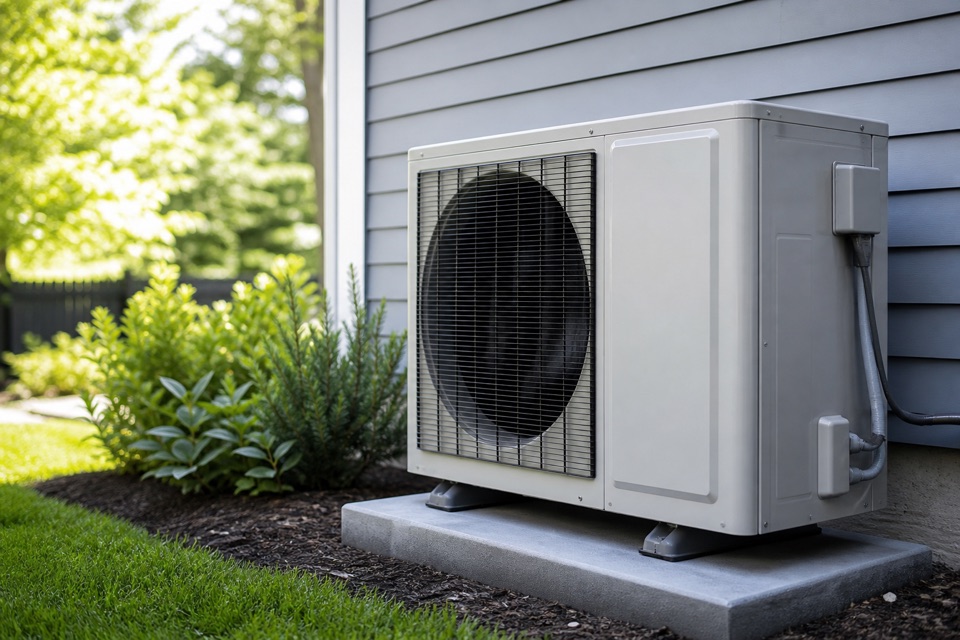
To understand why a breakdown happens, it helps to know how the equipment works. The compressor acts as the "heart" of your cooling system. Its primary job is to pump chemical refrigerant through the copper lines, compressing the warm, low-pressure gas into a hot, high-pressure gas. This process allows the system to absorb heat from inside your house and release it outside. Without a functioning compressor, the entire refrigeration cycle stops, and your vents will only blow room-temperature air.
Under normal operating conditions, a high-quality compressor has an average lifespan of 10 to 15 years. However, our team at Trust All Red routinely sees several factors that cause premature death, particularly during the peak summer cooling season when the unit runs constantly. Based on our field experience, the leading causes of failure include:
- Electrical failures: Power surges, failing capacitors, or burnt contactors can send incorrect voltage to the motor, causing electrical windings to short out.
- Refrigerant contamination: Moisture, dirt, or air trapped inside the sealed refrigerant lines creates a deadly mix. Moisture mixes with the refrigerant oil to create harmful acids that eat away at internal wiring.
- Thermal overload: The compressor motor is actually cooled by the cold refrigerant flowing back to it. If the system is low on refrigerant, or if poor airflow prevents the coils from absorbing enough heat, the motor overheats and eventually burns out.
Understanding these underlying causes helps explain why routine check-ups are so important. Our technicians can spot a failing electrical component or a slow refrigerant leak long before it destroys the compressor.
Top Mechanical Symptoms of HVAC Compressor Failure
A pattern we see often is that when the heart of your cooling system starts to struggle, it leaves clear mechanical clues. Ignoring these signs will inevitably lead to a total breakdown, often right in the middle of the peak summer cooling season. If you notice any of the following symptoms, it is time to seek professional AC repair services.
- Hard starts and dimming lights: If your system shudders, stutters, or causes the lights in your house to flicker when it turns on, it is experiencing a "hard start." This means the compressor motor is drawing significantly more electrical current than it should just to get moving. This is a massive red flag that the internal components are seizing up.
- Strange and loud noises: A healthy unit produces a steady, even hum. If you hear loud buzzing, clanking, or grinding sounds upon startup, internal mechanical failure is likely occurring.
- Frozen evaporator coils: While frozen coils can be caused by a severely clogged air filter, they can also indicate that the compressor is not pumping refrigerant efficiently. If the pressure drops too low, moisture in the air freezes on the indoor coils, blocking airflow entirely.
- Repeatedly tripped circuit breakers: Your electrical panel is designed to protect your home. If the AC unit repeatedly trips the breaker, it means the compressor is pulling a dangerous amount of electricity, indicating a dead short or a locked rotor.
- Reduced cooling capacity: If the unit runs for hours but the indoor temperature never reaches your thermostat setting, the compressor may have worn internal valves, preventing it from compressing the gas effectively.
Decoding Unusual AC Noises
Not all noises mean the system is doomed, but knowing the difference is crucial. A light humming or whooshing sound is just the normal operation of fans and electrical contactors. However, a loud, aggressive buzzing often points to an electrical issue, such as a failing capacitor trying and failing to jump-start the motor. Screeching or hissing can indicate dangerous pressure buildup or a severe refrigerant leak. Clanking or rattling sounds usually mean internal hardware, like a piston or spring inside the compressor shell, has broken loose and is bouncing around during operation. None of these sounds should be ignored.

Safe Maintenance Tips vs. When to Call a Professional
Homeowners can handle several basic upkeep tasks, but we always emphasize how vital it is to know where DIY ends and professional intervention begins. Attempting to fix complex mechanical or electrical issues without proper training can result in severe injury or permanent damage to the equipment. Here is a breakdown of what we recommend you can safely do and when you must call an expert before the peak summer cooling season arrives.
Problem: The system is running, but airflow is incredibly weak.
Cause: A severely clogged air filter is suffocating the blower motor, preventing heat transfer and putting massive strain on the system.
Solution (Safe DIY): Turn off the thermostat, locate your indoor air filter, and replace it with a fresh one. You should do this every 30 to 90 days to ensure proper airflow and protect the compressor from thermal overload.
Problem: The air conditioner suddenly loses power and will not turn on.
Cause: A temporary power surge or a minor electrical overload may have tripped the dedicated circuit breaker in your main electrical panel.
Solution (Safe DIY): Check your breaker box. If the AC breaker is tripped, firmly push it all the way to the "off" position, then snap it back to "on." Important: You should only do this one time. If it trips again immediately, stop. You have a serious electrical short.
Problem: The system is hissing, or there is ice building up on the copper lines outside.
Cause: This is a classic symptom of a refrigerant leak. The system pressure has dropped, altering the temperature of the coils and causing freezing.
Solution (Professional Required): Turn the system off completely to prevent the compressor from burning out. Handling refrigerant requires specialized EPA licensing, gauges, and recovery equipment. A professional must locate the leak, repair the copper line, and recharge the system to exact factory specifications.
Problem: The outdoor unit hums loudly but the fan does not spin, or the lights dim on startup.
Cause: This points to a hard start, a failing dual-run capacitor, or a locked compressor rotor.
Solution (Professional Required): Do not attempt to touch the electrical components. Capacitors hold high-voltage charges even when the power is off. A licensed technician must test the electrical draw and diagnose the internal fault. Investing in routine AC maintenance is the best way to catch these failing electrical parts before they destroy the main motor.
How Pacific Northwest Heatwaves Accelerate Compressor Wear
The climate you live in plays a massive role in how long your HVAC equipment lasts. In the Pacific Northwest, homes and cooling systems are traditionally designed for moderate, temperate climates. However, sudden and extreme temperature spikes have become increasingly common. When a heatwave strikes, systems that usually run in short, easy cycles are suddenly forced to run continuously at maximum capacity.
This rapid shift creates a dangerous scenario for aging equipment. Compressors that have sat dormant or seen only light use are suddenly subjected to extreme, unexpected loads right in the middle of the peak summer cooling season. This continuous operation without a break prevents the motor from cooling down properly, leading directly to thermal overload. The internal oil breaks down, friction increases, and the electrical windings begin to degrade under the intense heat.
A rapid, professional response is critical when a system fails under these extreme conditions. We see this firsthand all the time. In fact, one local homeowner reached out to us on the hottest day of the year after their air conditioner suddenly stopped working just past 7 PM. Because the system was battling unexpected high temperatures, a Trust All Red technician was dispatched to arrive within an hour, diagnosing the thermal overload and restoring operation. When record-breaking heat pushes a system beyond its design limits, having a reliable professional to diagnose the stress points is essential for restoring comfort quickly.
Should You Replace the Compressor or the Entire AC Unit?
When our technicians confirm that the compressor has failed, we often help homeowners navigate a major financial decision: do you pay to replace just the broken part, or do you invest in a completely new air conditioning system? Because the compressor is the most expensive component in the unit, a part-replacement is rarely a cheap fix. Making the right choice depends on the age of your equipment, your warranty status, and your long-term comfort goals.
If a breakdown happens during the peak summer cooling season, you need to weigh your options quickly but carefully. Replacing just the compressor on an aging system is what we often refer to as a "patchwork repair." You are putting a brand-new, powerful engine into an old car. The older coils, blower motor, and electrical components will still be prone to failure, and the new compressor will not operate at peak efficiency if the surrounding parts are degrading.
| Factor to Consider | Replace the Compressor Only | Replace the Entire AC Unit |
|---|---|---|
| System Age | Best for units under 5-7 years old. | Highly recommended for units over 10 years old. |
| Warranty Status | Makes sense if the part is fully covered by a manufacturer warranty. | Necessary if the warranty has expired, as out-of-pocket part costs are very high. |
| Energy Efficiency | Maintains current efficiency levels; no improvements to your monthly energy bills. | Massive efficiency gains. Modern SEER2 ratings significantly lower monthly cooling costs. |
| Refrigerant Type | Only viable if the system uses modern R-410A refrigerant. | Required if your old system uses phased-out R-22 (Freon). |
Upgrading to a modern, matched system ensures that the indoor evaporator coil and the outdoor condenser are designed to work together flawlessly. If you are unsure which path makes the most financial sense for your home, reviewing the signs it's time for an air conditioning replacement can help guide your final decision and provide peace of mind.
Why Code-Compliant Installation Prevents Premature Failure
If you decide that replacing the entire system is the best route, we cannot stress enough that the quality of the installation matters just as much as the brand of equipment you choose. A premium air conditioner will still fail prematurely if it is installed poorly. Rigorous, code-compliant installation practices are the only way to ensure the longevity of your new compressor from day one.
At Trust All Red, our trained professionals eliminate the guesswork from the installation process, ensuring every step meets strict industry standards. Proper system sizing is the first critical step. An oversized unit will short-cycle, turning on and off constantly, which burns out the compressor rapidly. An undersized unit will run non-stop, never quite cooling the house, leading to thermal overload while handling the extreme loads of the peak summer cooling season.
Beyond sizing, accurate refrigerant charging and proper vacuuming of the copper lines are mandatory. If a technician fails to pull a deep vacuum with a specialized pump, moisture and non-condensable gases are left inside the lines. As discussed earlier, this moisture creates acid that destroys the compressor from the inside out. Furthermore, a thorough installation addresses underlying electrical issues that may have killed the old unit. In one instance, we had a local customer who needed a complete air conditioning system installed because their old unit had failed. During the installation process, our technicians identified and fixed a continuously tripping breaker panel that had been causing electrical stress on the previous unit. The outcome was a brand-new, code-compliant system and a fully resolved electrical panel issue, protecting the new investment for years to come.
Frequently Asked Questions About AC Compressor Issues
What are the early signs of AC compressor failure?
In our experience, the earliest signs usually involve unusual noises, such as loud buzzing or clanking upon startup, and electrical hard starts that cause your lights to dim. You may also notice the system running for longer periods without adequately cooling the home. Frequent tripped circuit breakers are another major warning sign that the motor is drawing too much power. Catching these symptoms before the peak summer cooling season can prevent a total breakdown.
Why is my AC making a loud buzzing noise on startup?
A loud buzzing noise typically points to an electrical problem, most commonly a failing capacitor or a sticking contactor relay. The capacitor provides the initial jolt of electricity needed to start the compressor motor. If it is weak or dead, the motor will hum or buzz loudly as it tries to start but fails. This requires immediate professional testing to prevent the motor from burning out.
Is it better to replace the AC compressor or the whole unit?
If your system is over 10 years old, uses outdated R-22 refrigerant, or is out of warranty, we generally recommend replacing the entire unit as the most cost-effective choice. Replacing just the compressor is expensive and leaves you with old surrounding components that are likely to fail soon. A full replacement provides better energy efficiency, a fresh warranty, and reliable performance during the peak summer cooling season.
What does a failing AC compressor sound like?
A failing compressor can produce a variety of alarming sounds depending on the specific mechanical failure. You might hear a harsh grinding noise, which indicates internal bearings are wearing out. A clanking or rattling sound usually means an internal component has broken loose. A high-pitched screeching or hissing can indicate a dangerous buildup of internal pressure or a severe refrigerant leak.
Can a sudden heatwave cause my AC compressor to break?
Yes, sudden and extreme heatwaves put massive stress on your cooling system. Systems designed for moderate climates are forced to run continuously at maximum capacity, which prevents the compressor motor from adequately cooling down between cycles. This continuous strain can lead to thermal overload, especially if the unit is older, lacks maintenance, or is low on refrigerant heading into the peak summer cooling season.
Ensure Your Home Stays Comfortable with Expert AC Solutions
Identifying the early warning signs of a struggling system is the best way to protect your home from an unexpected loss of comfort. From recognizing the dangers of a hard start to understanding why a loud buzzing noise demands immediate attention, knowing the mechanics of your equipment empowers you to make informed, proactive decisions. When you address minor electrical faults or airflow issues early, you prevent them from destroying the heart of your system.
If your current unit is showing signs of severe mechanical decline, or if you are constantly paying for patchwork repairs, it may be time to evaluate your long-term options. Upgrading your equipment ensures reliable, energy-efficient performance throughout the peak summer cooling season and beyond. When you are ready to explore your options for a professional AC installation, working with our trained experts guarantees a code-compliant setup that provides true peace of mind and lasting comfort.
Ready to Get Started?
Whether you need a repair, maintenance, or a new installation, our expert team is here to help.