Standard Wall Heaters vs. Ductless Mini-Splits for Unfinished Basement Conversions
Allred
Figuring out how to heat a newly finished basement without overloading your existing HVAC is critical. Compare the installation impact and efficiency of wall heaters versus ductless systems.
Are You Choosing the Right Heating Strategy for Your Basement Conversion?
As we help homeowners throughout Auburn prepare their homes for holiday guests, one question our team hears constantly is whether to choose Standard Wall Heaters vs. Ductless Mini-Splits for Unfinished Basement Conversions to keep newly remodeled spaces comfortable. Figuring out how to effectively heat a newly finished basement without overloading your existing home HVAC system is one of the most critical decisions in any lower-level remodel. Your existing furnace or heat pump was sized for the upper floors, meaning simply tapping into existing ductwork often leads to unbalanced airflow and a freezing basement.
With November pre-winter readiness in full swing, finalizing your heating strategy before freezing temperatures set in is essential. Delaying the decision leaves your new drywall, flooring, and finishes vulnerable to the deep cold. The central decision point for most homeowners comes down to choosing between the lower initial installation effort of standard electric wall or baseboard heaters versus investing in a ductless mini-split for long-term efficiency and superior climate control.
The Challenge of Subterranean Heating
Heating a basement requires a completely different approach than heating a second-story bedroom. Below-grade spaces fight constant thermal loss through concrete foundation walls and the surrounding earth. Because of these unique environmental factors, you need a system designed specifically for the space.
To help you navigate this choice, we will look at how each system operates, how they handle moisture, and what they require from your home's electrical panel. If you want to explore broader cooling and heating concepts first, review our comprehensive Air Conditioning and Mini-Split Services. When you are ready to move forward with a high-efficiency solution, our team is here to handle your Ductless Mini-Split Installation.
Why Below-Grade Spaces Demand Specialized Climate Control
The problem: After countless basement conversions throughout the Pacific Northwest, we have seen firsthand how subterranean spaces present unique environmental hurdles that above-ground rooms simply do not face. In Auburn, WA and surrounding area basements, the soil stays cold and damp throughout the winter. This constant contact with cold earth turns your foundation walls into thermal sinks that constantly pull heat out of the room. Furthermore, moisture naturally migrates through concrete, leading to high humidity levels.
The cause: The natural physics of air movement compounds this problem. Heat naturally rises, a process known as air stratification. When you introduce heat into a basement without adequate air circulation, the warm air immediately floats to the ceiling. This leaves the floor level—where you actually sit, walk, and play—uncomfortably cold, while the ceiling near the floor joists stays excessively warm.
More Than Just Raw Heat
The solution: Because of these factors, pumping raw heat into the room is insufficient. Active moisture management and robust air circulation are just as critical as temperature control. If you do not actively circulate the air, the cold pockets near the floor and in the corners become breeding grounds for condensation. Over time, that winter dampness can lead to structural damage, warped flooring, and mold growth behind your newly installed drywall.
With the reality of cold, damp Auburn WA winters, your below-grade moisture management strategy must be proactive. As our technicians evaluate different heating methods with homeowners, the deciding factor often becomes how well the equipment addresses these specific environmental hurdles rather than just how much heat it produces.
Evaluating Standard Electric Wall and Baseboard Heaters
Traditional electric resistance heating is one of the most common methods we see homeowners initially consider for basement remodels. These systems operate using a very simple mechanism: electricity passes through a resistive element (like a metal coil), which gets hot. The heat then radiates outward into the room.
The Mechanics of Electric Resistance
Because they rely on direct electrical resistance, baseboard and wall heaters operate at a 1-to-1 energy efficiency ratio. For every unit of electrical energy they consume, they produce exactly one unit of heat energy. While this is technically 100% efficient, it requires a massive amount of electricity to generate enough heat for a large, cold basement.
- Lower initial installation effort: The primary advantage of standard electric heaters is their simplicity. They require a minimal equipment footprint, do not need refrigerant lines, and can often be mounted directly to the baseboard or wall with basic electrical routing.
- Independent room control: You can install a separate heater with its own dial thermostat in every room of the basement, allowing you to only heat the rooms you are currently using.
The Drawbacks for Basement Environments
Despite their simplicity, we frequently observe electric resistance heaters struggling significantly in below-grade applications. Because most baseboard heaters rely on convective heating—meaning they do not have a fan to push the air—they produce stagnant heat. The warmth slowly rises to the ceiling, failing to push into the corners of the room. This lack of circulation creates noticeable cold spots.
Furthermore, standard electric heaters lack active dehumidification capabilities. They dry out the air immediately surrounding the heating element, but they do not remove moisture from the environment. During a damp Pacific Northwest winter, leaving your basement vulnerable to high humidity can compromise the comfort and safety of your newly finished space.
The Ductless Mini-Split Advantage for Basement Environments
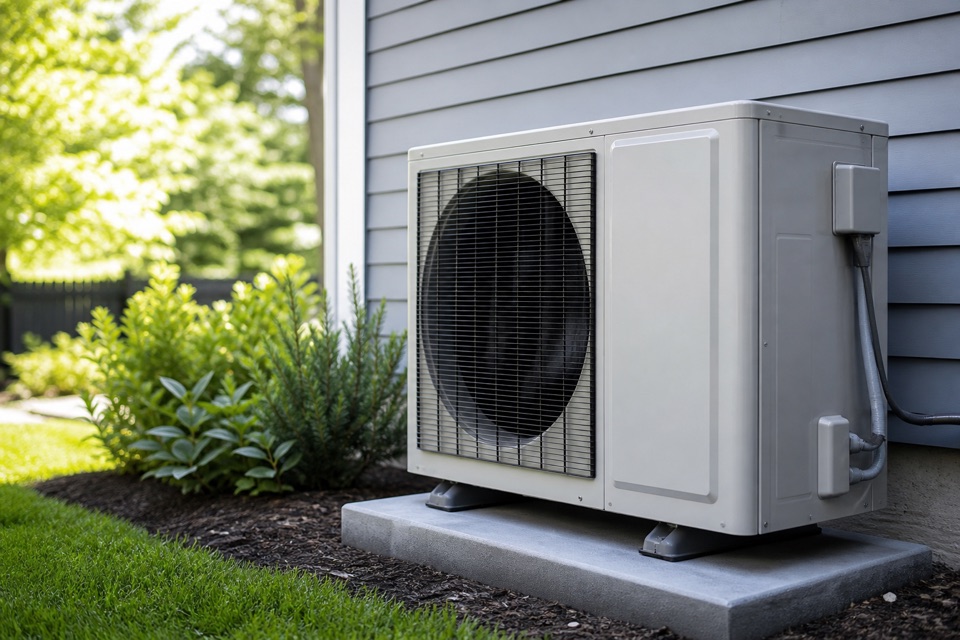
Ductless mini-split heat pumps offer a fundamentally different approach to climate control. Instead of burning fuel or using electrical resistance to create heat, a heat pump moves existing heat from one place to another. Even in near-freezing temperatures, the outdoor compressor extracts ambient heat from the outside air, compresses it to a higher temperature, and transfers it to the indoor wall cassette.
High-Performance Heating Mechanics
This heat transfer process is what gives ductless mini-splits their incredible efficiency. A modern heat pump can deliver up to three times more heat energy to your basement than the electrical energy it consumes. This 3-to-1 ratio drastically reduces the utility footprint required to keep a subterranean space warm all winter long.
Beyond efficiency, our installation teams highly recommend ductless systems because they provide a crucial dual-benefit for basements:
- Active air mixing: Unlike baseboard heaters, mini-split indoor cassettes feature powerful, multi-speed fans. These fans actively push warm air down to the floor and into the far corners of the room, breaking up air stratification and eliminating cold spots.
- Built-in dehumidification: As the system conditions the air, it actively removes excess moisture, providing critical dehumidification during damp winters. This protects your drywall and flooring from condensation.
- Year-round comfort: A heat pump reverses its cycle in the summer, providing high-efficiency air conditioning to keep the basement cool and dry during the hottest months.
Planning for Your Ductless System
To maintain this high level of performance, ongoing care is essential. Regular filter cleanings and professional System Maintenance and Tune-Ups ensure the indoor coil remains clean and capable of properly dehumidifying the air.
When planning your basement layout, you must also account for space and clearance requirements. While baseboard units sit low to the ground, ductless wall cassettes are typically mounted high on the wall, requiring specific clearances from the ceiling to ensure proper airflow. If wall space is limited, ceiling-mounted cassettes or floor-mounted consoles are also available.

Electrical Panel Capacity: The Hidden Conversion Hurdle
In our daily work across Auburn, one of the most frequently overlooked challenges we see during basement remodels is the electrical infrastructure required to support new heating loads. Older homes were not built with the anticipation of doubling their conditioned square footage, and their electrical panels often reflect those limitations.
The Risk of Panel Overloads
Installing multiple high-draw electric wall heaters places a massive burden on your electrical system. A single large baseboard heater can draw significant amperage. If you install four or five of these units to cover a large basement layout, you can easily max out the available capacity of a standard 100-amp or even 200-amp panel. Without professional load calculations, turning on all your basement heaters at once can lead to tripped breakers, overheating wires, or serious electrical hazards.
In contrast, a ductless mini-split system operates on a single, highly efficient 240-volt circuit. Because of the 3-to-1 efficiency ratio, the total amp draw required to heat the entire basement is significantly lower than running multiple resistance heaters.
Safely Assessing Your Electrical Infrastructure
Before finalizing any basement heating choice, assessing your panel capacity safely is a critical first step. Here is how the evaluation process generally works:
- Total Load Calculation: A professional evaluates your home's current total electrical draw, including major appliances like your oven, dryer, and existing HVAC system.
- Heating Demand Assessment: The specific amperage requirements for your proposed basement heating solution are calculated based on the square footage and insulation values.
- Capacity Verification: The new heating load is compared against the remaining safe capacity of your electrical panel to ensure compliance with local electrical codes.
- Integration Planning: If capacity is tight, high-efficiency options like mini-splits are prioritized to avoid the need for a costly full-panel upgrade.
This is where working with a specialized team makes a difference. Allred Heating Cooling Electric's dual-trade expertise in both HVAC and Electrical services allows us to assess your panel capacity safely and ensure flawless integration without overloading your older home systems. Having one team handle both the mechanical and electrical requirements prevents miscommunication and ensures a much smoother installation process.
Long-Term Efficiency and Return on Investment
When evaluating heating options, we always advise looking past the initial installation phase and focusing heavily on the cost-to-benefit ratio over a 5-to-10-year span. The heating method you choose will impact your utility footprint every single month of the long heating season.
The True Cost of Resistance Heating
Because standard wall heaters operate at a 1-to-1 energy efficiency ratio, relying on them to heat a large, uninsulated concrete space requires a continuous, heavy draw of electricity. Over a decade of winters, the ongoing utility impact of running multiple resistance heaters can easily outpace the lower initial installation effort. You are paying full price for every single unit of heat generated.
The Heat Pump Advantage
High-efficiency heat pumps change the long-term math. According to U.S. Department of Energy (DOE) data, heat pump systems can reduce electricity use for heating by up to 50% compared to electric resistance heating such as furnaces and baseboard heaters. By moving heat rather than generating it from scratch, a mini-split drastically lowers your monthly energy consumption.
Furthermore, upgrading to high-efficiency technology often comes with external financial incentives. Generic federal tax credits and local utility rebates may apply to qualifying high-efficiency heat pump installations, improving your long-term return on investment. We always advise readers to verify current programs and eligibility requirements with their utility provider or tax professional, as these incentives can significantly offset the initial equipment investment.
Because these systems require professional installation and electrical integration, they also require proper municipal oversight. To help you plan the administrative side of your remodeling project, review our guide on Navigating Federal Way Permitting for New Ductless Mini-Split Installations.
Side-by-Side Feature Comparison: Wall Heaters vs. Mini-Splits
To help you synthesize the technical differences between these two approaches, we have broken down how they compare across the most critical basement performance categories. This quick-reference summary highlights why the initial installation effort is only one piece of the puzzle.
| Performance Feature | Standard Electric Wall Heaters | Ductless Mini-Split Systems |
|---|---|---|
| Initial Installation Effort | Lower; requires basic electrical routing and wall mounting. | Requires professional installation of refrigerant lines and a dedicated circuit. |
| Energy Efficiency | Standard (1-to-1 efficiency ratio). High energy consumption. | High (SEER and HSPF rated). Delivers up to 3x more heat than energy consumed. |
| Moisture Control | None. Dries adjacent air but does not remove environmental moisture. | Active dehumidification built into the conditioning cycle. |
| Air Circulation | Convective and stagnant. Prone to creating cold spots at floor level. | Active fan mixing forces warm air down and across the entire room. |
| Electrical Load | High draw across multiple units, risking panel overloads. | Lower total draw running on a single, highly efficient dedicated circuit. |
Make a Confident Heating Choice for Your Basement
Evaluating Standard Wall Heaters vs. Ductless Mini-Splits for Unfinished Basement Conversions ultimately comes down to what you want out of your newly remodeled space. While standard electric heaters offer a quick fix and a smaller initial footprint, we consistently see them fall short when battling the unique environmental challenges of a subterranean space. Ductless systems provide the active moisture control, superior air circulation, and long-term efficiency necessary for a fully livable, comfortable basement.
By comparing the installation impact and the actual heating performance conceptually, you can make a confident choice that protects your remodeling investment. You deserve a space that is warm, dry, and safe from electrical overloads.
Before you close up your drywall, we encourage you to consult with our dual-trade experts to evaluate your basement's unique layout and your home's electrical capacity. Reach out to the Allred Heating Cooling Electric team today to discuss your ductless mini-split installation options and ensure your new living space is ready for the winter ahead.
Frequently Asked Questions
Are mini splits better than baseboard heaters in a basement?
Yes, ductless mini-splits are generally superior for basement environments. They provide active air circulation to eliminate cold spots and offer built-in dehumidification to handle subterranean dampness. Baseboard heaters rely on stagnant, convective heat and consume significantly more electricity over time.
How does a mini-split handle basement moisture compared to a wall heater?
A mini-split naturally dehumidifies the air as part of its conditioning cycle, pulling excess moisture out of the environment and draining it away. Standard wall heaters only heat the air immediately around them; they do not extract or remove moisture, leaving the basement vulnerable to high humidity and condensation.
Can a single mini split heat an entire basement?
A single high-capacity mini-split can often heat an open-concept basement effectively, thanks to its powerful fan that circulates air across large areas. However, if your basement is divided into multiple enclosed rooms or bedrooms, a multi-zone system with a separate wall cassette for each distinct area is usually required for even heating.
Will adding electric baseboard heaters overload my electrical panel?
It is a very real possibility in older homes. Installing multiple baseboard heaters requires a massive amount of amperage, which can easily exceed the remaining capacity of a standard 100-amp or 200-amp electrical panel. A professional load calculation is strictly necessary before adding multiple resistance heaters to your home.
Do I still need a separate dehumidifier if I have a mini split in the basement?
In many cases, the mini-split will handle the daily moisture load of a well-sealed basement during its normal operation. However, during the shoulder seasons when the heating or cooling demand is very low, the system may not run long enough to dehumidify fully. In highly damp regions, keeping a small supplemental dehumidifier on standby is a wise backup strategy.
Which basement heating option offers better long-term efficiency?
Ductless mini-splits offer vastly superior long-term efficiency. Because they transfer existing ambient heat rather than generating it from raw electricity, they can deliver up to three units of heat for every one unit of electricity consumed. This drastically lowers your monthly utility consumption compared to the 1-to-1 ratio of standard wall heaters.
Related Articles

Ready to Get Started?
Whether you need a repair, maintenance, or a new installation, our expert team is here to help.