A Proactive Seasonal Home Maintenance Checklist for Peak HVAC Performance
Trust Allred
Beating the Rush: Preparing for the Next Climate Shift
Your heating and cooling equipment might seem perfectly fine today, but the first major temperature drop of the year often tells a completely different story. Firing up a dormant system only to discover it cannot keep up with the weather is a frustrating situation, especially because it usually happens exactly when every local technician is already booked solid. Building a reliable seasonal home maintenance checklist is the most effective way to avoid this chaos and keep your home comfortable year-round.
In our years of serving the local area, our team at Our Company frequently sees homeowners wait until the weather drastically changes to evaluate their infrastructure. This reactive approach leads to a scramble for professional help, long wait times, and unnecessary stress. The smartest decision you can make for your property is to proactively book services now, rather than waiting for peak demand to dictate your schedule. By addressing minor wear and tear before it escalates, you protect the lifespan of your most expensive home appliances.
For a comprehensive overview of how professional care fits into your home’s ecosystem, explore our HVAC services guide.
The Psychology of Waiting vs. Proactive Care
It is human nature to ignore the furnace during the summer and forget about the air conditioner during the winter. However, understanding your home’s mechanical needs ahead of the upcoming seasonal transition ensures long-term efficiency. A well-structured checklist removes the guesswork from homeownership. It transforms a vague sense of “I should probably get that checked” into an objective, actionable timeline.
When you shift from a reactive mindset to a proactive one, you gain control over your schedule. You can select convenient appointment times, ensure your equipment is operating at peak efficiency, and rest easy knowing your home is prepared for whatever weather arrives next.
The True Cost of Waiting: Why Proactive Scheduling Matters
The problem: Service demand historically spikes during the very first major temperature shift of the season. When a sudden freeze or an unexpected heatwave hits, hundreds of local homeowners simultaneously realize their systems are failing. This sudden surge in demand overwhelms local service schedules, leaving many families waiting in uncomfortable temperatures.
The cause: Heating and cooling systems are complex mechanical networks that suffer when left dormant. Components like capacitors can lose their charge, lubrication in blower motors can dry out, and dust can settle across sensitive electrical sensors. When you suddenly demand 100% capacity from a system that has been sitting idle for six months, those weakened components simply fail under the stress. Waiting for the upcoming seasonal transition to fully arrive before testing the equipment forces the system to work much harder than necessary.
The solution: Following a strategic timeline ensures your system is evaluated when technicians have flexible schedules and your equipment isn’t under immediate environmental stress. Catching a weak capacitor or a clogged drain line during mild weather is a minor inconvenience; catching it during a blizzard is an emergency.
How Extreme Weather Stresses Dormant Systems
To fully understand the cost of waiting, we always tell our customers to look at exactly what happens to neglected equipment during a severe weather event:
- Thermal expansion: Rapid temperature changes cause metal components in heat exchangers to expand and contract. If not properly inspected, minor stress fractures can quickly turn into major cracks.
- Electrical strain: A failing motor draws significantly more amperage to start up. During peak weather, this extra electrical strain can trip breakers or burn out surrounding wiring.
- Airflow restrictions: A filter that seemed “okay” during mild weather will quickly choke a system trying to run continuously during a heatwave, leading to frozen evaporator coils.
By securing HVAC maintenance services early, you eliminate these risks and ensure your system handles the heavy lifting safely.
Spring and Summer Prep: Moisture Control and Cooling Efficiency
As the weather warms, assessing the toll of winter on your heating and cooling infrastructure is absolutely essential. The transition out of colder months requires a specific set of inspections to ensure your air conditioning is ready to manage both temperature and humidity. Clearing drainage systems, verifying refrigerant levels, and ensuring proper airflow are critical steps before summer heat transitions fully take hold.
In our experience serving the local area, our unique climate demands specific attention during this period. The damp, chilly winters create the perfect environment for moisture buildup, mold growth, and poor drainage in ductwork and condensate lines. As we transition into increasingly warm summers, an air conditioner that cannot properly drain its condensation will quickly back up, potentially causing severe water damage or shutting the system down entirely. Evaluating the system before the upcoming seasonal transition prevents these unexpected mid-summer breakdowns.
Critical Spring Inspection Points
Proper servicing requires checking for missed items from previous years, as older systems need thorough, documented inspections. This level of detailed evaluation is critical. For example, during one spring service visit in the local area, our team at Our Company was called to evaluate an older furnace that had supposedly been maintained previously. Our technicians quickly identified several critical safety and performance items that had been entirely missed during prior visits. By catching these oversights before the heavy cooling demands of summer, we properly recalibrated the system, ensuring safe operation and earning the homeowner’s long-term trust.
Key areas to address in spring include:
- Condensate drain lines: Flushing the lines to remove algae and winter buildup.
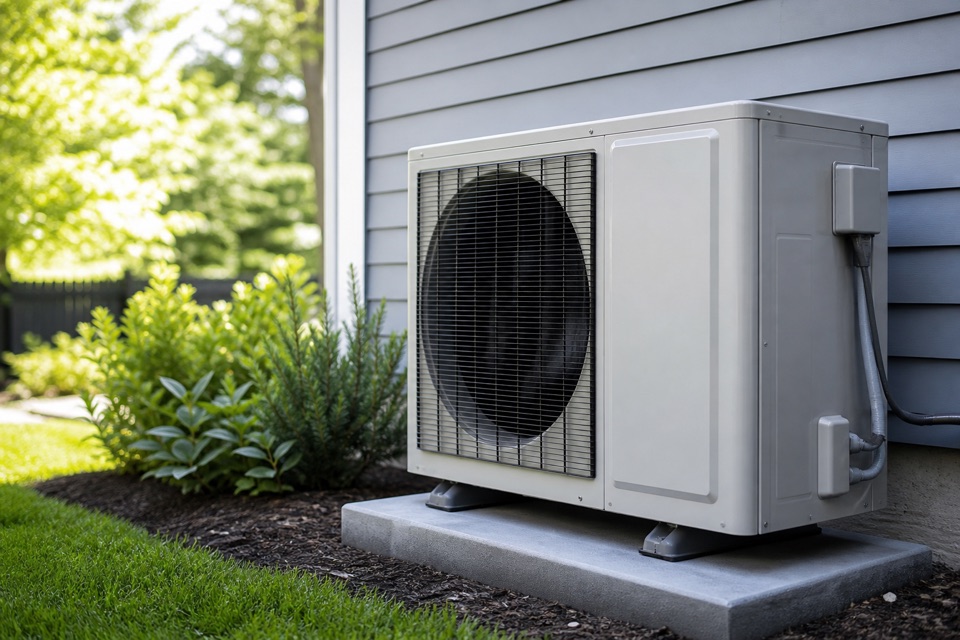
- Outdoor unit clearance: Removing wet leaves, twigs, and debris that accumulated around the compressor during winter storms.
- Coil cleaning: Ensuring the evaporator and condenser coils are free of dirt so they can effectively transfer heat.
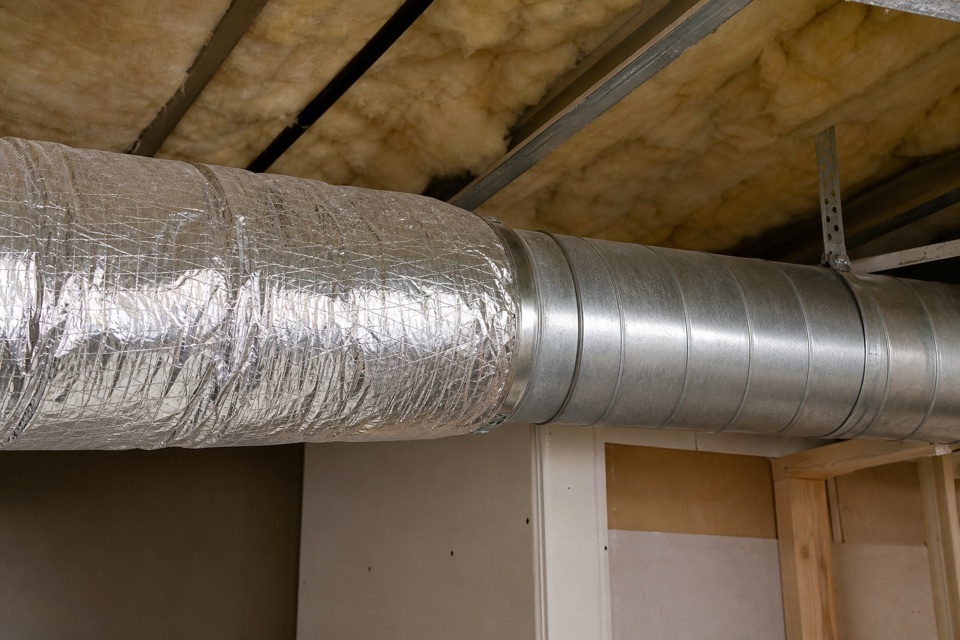
- Ductwork inspection: Checking for signs of moisture intrusion or pest activity that occurred during the colder months.
Fall and Winter Readiness: Ensuring Heating Reliability
Heating systems that sit dormant during the summer require careful, methodical evaluation before heavy winter use. When temperatures drop, your furnace or heat pump becomes the most critical appliance in your home. Overheating, poor ignition, or short-cycling issues must be diagnosed early to ensure continuous comfort, especially for vulnerable household members.
A comprehensive seasonal home maintenance checklist should prioritize heating safety checks above all else. This includes rigorous ventilation and exhaust inspections to ensure dangerous combustion gases, like carbon monoxide, are safely routed out of the home. Securing professional evaluations ahead of the upcoming seasonal transition is the safest way to guarantee winter reliability.
Diagnosing Short-Cycling Before the Freeze
One of the most common signs of heating trouble our technicians encounter is short-cycling—when the furnace turns on, runs for a brief moment, and shuts off before the house actually warms up. This is often caused by an overheating safety mechanism triggering prematurely.
The danger of overlooking these internal components is very real. One local family came to us after struggling for over a year with a furnace that would overheat and completely shut off after just a single cycle—a terrifying situation when trying to provide consistent warmth for newborn premature twins during the winter. It wasn’t until our team performed a thorough professional evaluation that we identified a faulty limiter switch that prior checks had missed. Replacing that single component restored reliable heat immediately. Diagnosing these specific mechanical faults ahead of the winter freeze is the only way to guarantee your home remains safe.
Essential winter preparations include:
- Testing the igniter and flame sensor: Ensuring the furnace lights reliably and registers the flame to prevent gas buildup.
- Checking the heat exchanger: Inspecting for cracks that could leak carbon monoxide into the living space.
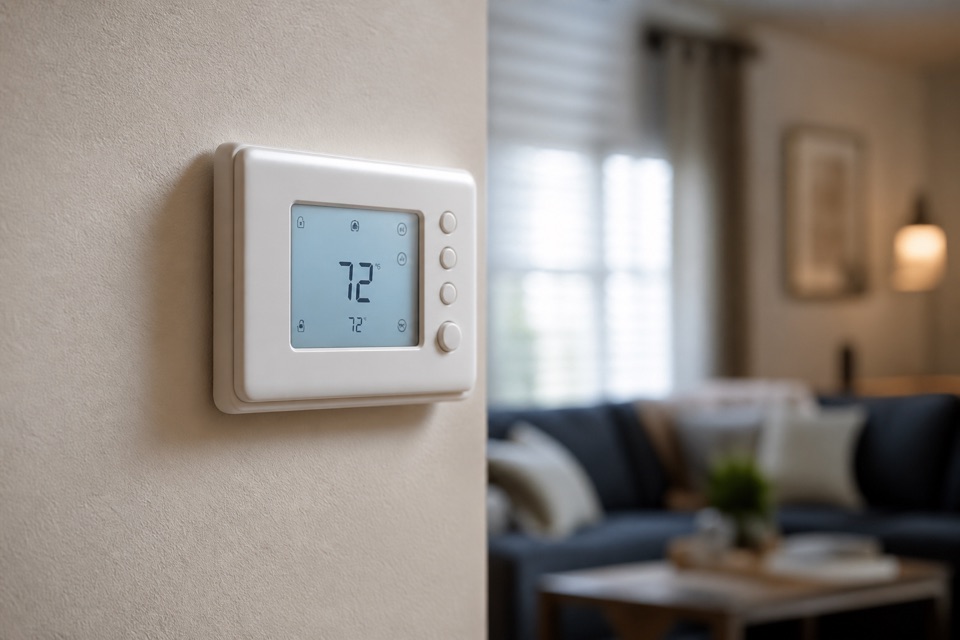
- Calibrating the thermostat: Verifying that the temperature on the wall matches the actual temperature in the room.
- Testing safety controls: Ensuring high-limit switches and rollout switches function correctly to prevent overheating.
Navigating DIY Upkeep vs. Certified Professional Tasks
Homeownership involves a lot of hands-on work, but knowing exactly where to draw the line between basic upkeep and professional mechanical work is vital. A successful seasonal home maintenance checklist clearly delineates these responsibilities. Basic homeowner tasks are generally limited to external cleaning, filter management, and visual inspections.
Conversely, internal mechanical inspections, electrical testing, and refrigerant checks must always be left to certified professionals. Relying on certified professionals ensures safe, efficient, and warranty-compliant system performance. Attempting DIY repairs on complex components can void manufacturer warranties, damage expensive equipment, and create serious safety hazards involving high voltage or combustible gases. Integrating professional visits from Our Company into your checklist ahead of the upcoming seasonal transition ensures you stay fully compliant with your warranty terms.
Where Homeowner Maintenance Ends
To help clarify the division of labor, here is a breakdown of which tasks belong to the homeowner and which require professional expertise:
| Maintenance Task | DIY (Homeowner) | Certified Professional | Why It Matters |
|---|---|---|---|
| Air Filter Replacement | Yes | No | Maintains basic airflow and protects the blower motor from dust buildup. |
| Debris Clearing (Outdoor Unit) | Yes | No | Ensures the condenser can pull in enough air to cool the refrigerant. |
| Refrigerant Level Checks | No | Yes | Handling refrigerant requires EPA certification and specialized gauges. |
| Electrical Component Testing | No | Yes | High-voltage capacitors and contactors pose severe shock hazards. |
| Combustion Safety & Exhaust | No | Yes | Requires specialized tools to detect carbon monoxide leaks and cracked exchangers. |
By understanding this balance, you can safely perform the basic tasks while relying on essential HVAC services for the heavy, technical lifting.
Structuring Your Annual Professional Scheduling Timeline
Maintaining a consistent timeline prevents the stress of emergency calls during peak seasons. The goal is to establish a rhythm that puts you ahead of the weather, rather than reacting to it. Planning for the upcoming seasonal transition well in advance is the foundation of long-lasting system health.
Here is an objective, actionable timeline for booking professionals throughout the year:
- Late Winter (February – March): Schedule your cooling system evaluations. This is the optimal time to catch any lingering issues from the previous summer and ensure the AC is ready before the first unexpected heatwave arrives in spring.
- Spring (April – May): Focus on homeowner tasks. Clear away winter debris from the outdoor unit, change your air filters, and ensure all interior vents are unblocked and open.
- Late Summer (August – September): Book your heating system inspections. Having a professional evaluate the furnace or heat pump before freezing temperatures arrive guarantees you won’t be caught in a massive waitlist when the first frost hits.
- Fall (October – November): Finalize winter preparations. Check the weatherstripping around doors and windows, test your smoke and carbon monoxide detectors, and verify that your insulation is secure.
The Optimal 12-Month Service Window
Sticking to this schedule means your equipment is always evaluated during the “shoulder seasons”—the mild periods between extreme weather. Technicians have more availability, parts are easier to source quickly, and you aren’t forced to suffer in an uncomfortable house while waiting for a repair. For more strategies on extending the life of your equipment, review these maintenance tips for long-lasting systems.

Frequently Asked Questions About Seasonal Home Maintenance
What should be on a seasonal home maintenance checklist?
Your checklist should prioritize filter replacements, debris clearing around outdoor units, and scheduling professional tune-ups. It is also important to test smoke and carbon monoxide detectors, check weatherstripping, and verify that all interior vents are open and unblocked. Structuring these tasks by season ensures nothing is overlooked before extreme weather arrives.
When is the best time to schedule HVAC maintenance?
Ideally, you should schedule professional service 1-2 months before the upcoming seasonal transition. This means booking your cooling inspection in late winter or early spring, and your heating inspection in late summer or early fall. Booking during these mild “shoulder seasons” helps you avoid peak demand wait times.
What seasonal maintenance requires a certified professional?
Electrical diagnostics, internal component cleaning, and combustion safety checks strictly require a licensed professional. Tasks like measuring refrigerant charge, testing high-voltage capacitors, and inspecting heat exchangers for micro-fractures demand specialized training and tools to ensure the system operates safely.
How do I prepare my home for seasonal changes?
Start by sealing drafts around windows and doors, testing all safety detectors, and verifying your heating and cooling functionality early. You should also clear gutters to prevent water damage and ensure your attic insulation is adequate. Taking these steps early reduces the workload on your mechanical systems.
How does the local climate affect maintenance schedules?
High moisture levels in the local area require extra attention to drainage and mold prevention in ductwork. The damp winters mean condensate lines are prone to algae buildup, which must be cleared before the warm summers arrive to prevent water backups and system shutdowns.
Take Action Before the Next Climate Shift
A clear, well-structured technical approach to seasonal prep saves you significant time, money, and frustration. When you understand exactly what preparations are required mechanically, navigating the upcoming seasonal transition becomes a seamless, stress-free process rather than an emergency scramble. Don’t wait for your equipment to fail under the pressure of extreme weather. Explore your professional service options with Our Company today, establish a proactive scheduling timeline, and ensure your home remains safe, efficient, and fully prepared for whatever the next season brings.
Ready to Get Started?
Whether you need a repair, maintenance, or a new installation, our expert team is here to help.