Seasonal Home Maintenance Checklist: Preventing Unexpected AC Breakdowns
Trust Allred
Protecting Your Home Before the Season Changes
Building a reliable seasonal home maintenance checklist is often the only thing standing between a comfortable home and an unexpected system breakdown. As the weather begins to shift, many property owners face the stressful reality of preparing their property and systems for changing temperatures. The upcoming seasonal transition forces your heating and cooling equipment to switch gears, and if those systems aren't ready, the risk of sudden failure skyrockets.
The core challenge is knowing exactly which maintenance tasks you can safely handle on your own and which require a licensed expert. A clear, proactive approach prevents costly damage and keeps your equipment running smoothly year-round. By starting with routine HVAC upkeep, you lay the foundation for a seamless transition, ultimately reducing the likelihood that you will need emergency professional AC repair services when the weather hits its peak.
Why Seasonal Transitions Threaten HVAC Stability
When the weather changes, your heating and cooling systems are forced out of their dormant states or regular patterns. Prolonged periods of inactivity, combined with sudden shifts in usage, place immense strain on critical internal components like blower motors and compressors. If these parts have not been cleaned, inspected, and lubricated, the initial startup sequence can cause immediate, irreversible damage.
This creates a dangerous domino effect within the system. When one neglected component struggles to operate, it forces the entire system to work harder to compensate. For example, a struggling blower motor forces the compressor to run longer cycles, leading to premature wear across the board. In our years of experience serving Auburn, WA, our team often sees the mild but increasingly warm summers lull homeowners into a false sense of security. We frequently respond to emergency calls where AC preparation was delayed because the spring felt cool, only for a sudden heatwave to trigger a complete system failure because the equipment was never properly prepped for the upcoming seasonal transition.
| HVAC Component | Impact of Seasonal Neglect | Resulting System Failure |
|---|---|---|
| Blower Motor | Dust accumulation increases operating temperature and friction. | Motor burnout, requiring complete replacement and causing total system shutdown. |
| Compressor | Restricted airflow forces the unit to run continuously without resting. | Overheating and mechanical failure, often leading to full unit replacement. |
| Evaporator Coil | Dirt insulates the coil, preventing proper heat transfer. | The coil freezes over, blocking all airflow and potentially damaging the compressor. |
The Impact of Neglect on System Lifespan
The dangers of dirt buildup: Dirt and debris are the natural enemies of mechanical efficiency. When dust coats the internal components of your HVAC system, it acts as an unwanted layer of insulation. This traps heat inside motors and electrical panels, dramatically increasing internal operating temperatures. Over time, this chronic overheating degrades wire insulation, weakens capacitors, and shortens the overall lifespan of the equipment.
The friction factor: Unlubricated moving parts suffer immense friction during that initial seasonal startup. Bearings that have sat dry for months will grind, generating excess heat and metal fatigue. Preventative maintenance directly combats this friction, ensuring that when the thermostat calls for cooling, the system responds smoothly without tearing itself apart.
Essential DIY Maintenance Tasks for Homeowners
There is plenty of preventative care that property owners can safely perform to prepare for the upcoming seasonal transition. An effective seasonal home maintenance checklist should always include these foundational, homeowner-approved steps to protect the property and optimize system efficiency.
- Replace your HVAC air filters: This is the single most important DIY task you can perform. According to Department of Energy data, replacing a dirty, clogged filter with a clean one can lower an air conditioner's energy consumption by 5% to 15%. A clean filter ensures optimal airflow, preventing the evaporator coil from freezing and keeping the blower motor from overworking.
- Inspect and clean gutters and downspouts: While it may seem unrelated to your AC, proper drainage is critical. Overflowing gutters can dump gallons of water directly onto the foundation supporting your outdoor HVAC unit. This water intrusion can cause the concrete pad to sink or shift, throwing the condenser off-balance and straining the refrigerant lines.
- Test smoke and carbon monoxide detectors: A holistic seasonal sweep must prioritize safety. Press the test buttons on all detectors, replace the batteries if they are more than six months old, and verify that the alarms are loud and responsive.
- Check weatherstripping and insulation: Inspect the seals around your doors and windows. Damaged weatherstripping allows cooled air to escape and warm, humid air to infiltrate your home. Resealing these gaps ensures that the air your HVAC system works so hard to cool actually remains inside during the warmer months.
By staying on top of these basic tasks, you can often catch early warning signs your air conditioner needs repair before they escalate into full-scale emergencies.
Optimizing Indoor Airflow
Beyond changing the filter, you must actively manage the airflow pathways inside your home. Ensure all indoor supply vents and registers are completely unblocked. It is common to accidentally cover a floor vent with a new rug, or block a wall register with a piece of furniture during winter rearranging. Additionally, verify that the large return air grilles are clear of dust accumulation. Vacuum the face of the grilles to remove pet hair and debris so the system can breathe freely.
Clearing the Perimeter: Outdoor Condenser Care
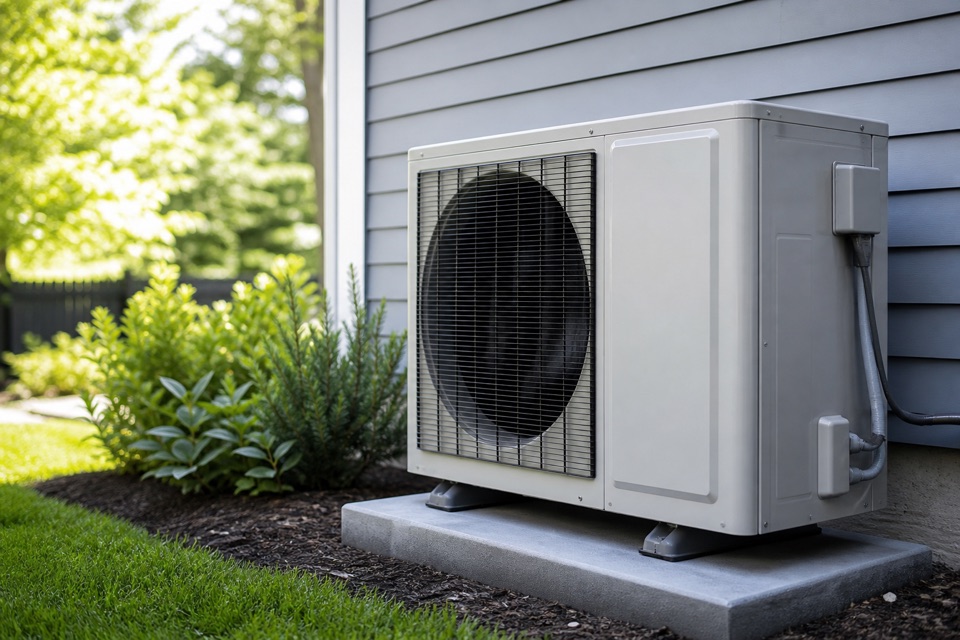
The outdoor portion of your air conditioning system, known as the condenser, requires specific attention before the summer heat demands peak. The upcoming seasonal transition means it is time to clear away the remnants of winter and fall. Throughout the off-season, leaves, twigs, dirt, and even trash can blow into the fins of the outdoor unit, choking off its ability to release heat.
Establish a safe clearance zone: The general rule of thumb our team recommends is maintaining a strict 2-foot clearance zone entirely around the condenser. Trim back bushes, pull tall weeds, and rake away dead leaves. The unit needs a massive volume of unrestricted airflow to operate efficiently. When airflow is restricted by overgrown vegetation or debris, the compressor is forced to overwork. It runs hotter and longer, significantly increasing the risk of mechanical failure and driving up your monthly utility bills.
Perform a visual inspection: Take a slow walk around the unit to check for physical damage caused by winter weather. Look for hail dents on the delicate aluminum fins, check the foam insulation wrapping the copper refrigerant line to ensure it hasn't degraded or been chewed by pests, and verify that the unit is still sitting level on its concrete pad. If you spot severe damage, document it, but do not attempt to pry or bend the delicate fins back into place yourself.
When to Step Back: Tasks Requiring Licensed Professionals
While clearing debris and changing filters are safe and necessary tasks, there is a strict line between DIY upkeep and dangerous, complex work. Crossing that line not only poses severe safety risks but can also instantly void your manufacturer warranties.
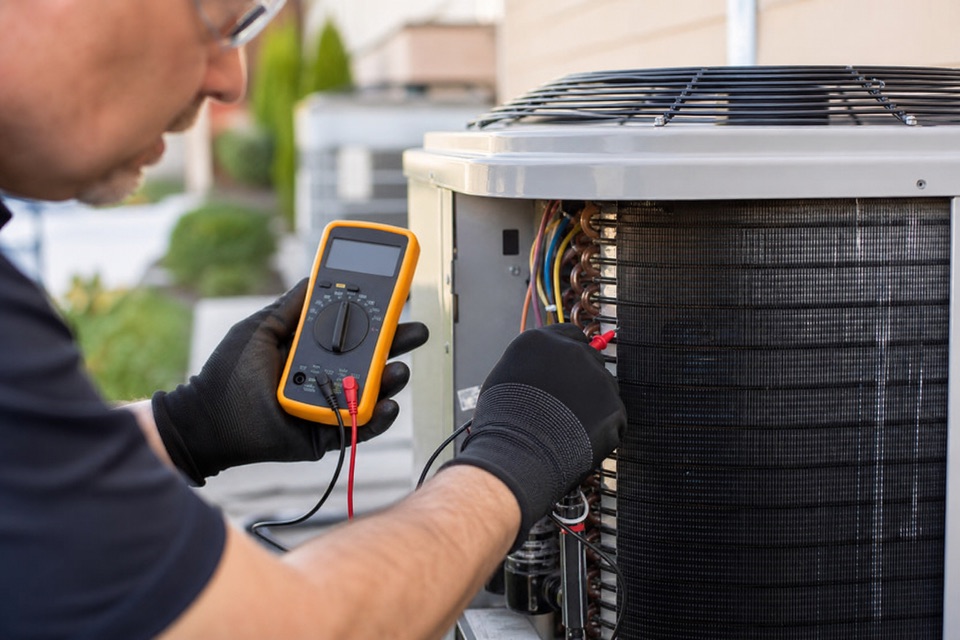
Electrical testing and wiring: Never attempt to DIY any electrical testing, wiring adjustments, or capacitor replacements. HVAC systems operate on high-voltage circuits. The capacitor, which stores energy to jump-start the compressor, can hold a lethal electrical charge even when the power to the unit is completely shut off at the breaker. Only a trained technician has the tools to safely discharge and test these components.
Invisible inefficiencies: Professionals do much more than look at the unit; they measure its invisible performance. Technicians calibrate thermostats to ensure accurate temperature reading and measure the electrical amp draw of motors. If a motor is drawing more amperage than it is rated for, it is a guaranteed sign that it is failing, even if it currently seems to be running fine. Catching these hidden issues requires specialized diagnostic equipment and deep technical knowledge. If you suspect an internal failure, the safest route is always to schedule professional HVAC repair in Auburn.
The Dangers of Refrigerant Mishandling
Handling, testing, or recharging refrigerants is strictly regulated by law and requires specialized EPA licensing. Refrigerant operates under extreme pressure. If a line is accidentally punctured or a valve is mishandled, the sudden release of pressurized cooling chemicals can cause severe frostbite, blindness, and respiratory damage.
Furthermore, there are serious environmental and legal implications associated with refrigerant leaks. Venting refrigerant into the atmosphere is illegal. A licensed professional uses sealed gauges to check the system's superheat and subcooling levels safely, ensuring the charge is perfect without risking exposure or environmental harm.

Establishing a Professional Baseline for Emergency Readiness
One of the most overlooked benefits of the upcoming seasonal transition is the opportunity to establish a professional performance baseline for your equipment. When our licensed technicians perform a seasonal tune-up, we record the exact operating pressures, temperature drops, and electrical draws of your system while it is healthy. This data is invaluable.
Preventing catastrophic failures: By comparing current readings against factory specifications, a professional can identify minor wear-and-tear long before it becomes a major issue. A slightly weak capacitor or a slightly dirty flame sensor might not stop the system today, but it will inevitably cause a failure during peak usage times when the system is under maximum stress. Fixing these small issues proactively neutralizes the stress of sudden breakdowns.
The advantage of an established relationship: Having an established relationship with a trusted local expert ensures prompt, reliable emergency repair capabilities if the unthinkable does happen. When our team already knows your system's history, layout, and baseline metrics, we can diagnose problems much faster. Proactive maintenance makes emergency rescue faster and more effective. If you notice strange noises or weak airflow, having that baseline data makes AC repair troubleshooting far more precise, saving you time and frustration during the diagnostic process.
Finalizing Your Seasonal Maintenance Strategy
A clear, actionable seasonal home maintenance checklist empowers property owners to protect their investments and ensure comfort year-round. By taking care of the safe, foundational DIY tasks—like changing filters and clearing outdoor debris—you drastically reduce the strain on your heating and cooling systems.
However, it is equally important to recognize when professional intervention is required to handle high-voltage electrical components and pressurized refrigerants. Do not wait until the first heatwave to find out if your system is ready for the upcoming seasonal transition. Finalize your preparations today, and consider scheduling a professional assessment to ensure total system readiness before the extreme weather arrives.
Frequently Asked Questions
What should be on a home maintenance checklist?
A comprehensive seasonal home maintenance checklist should prioritize tasks that protect your property from weather shifts and optimize system performance. This includes replacing HVAC air filters, cleaning gutters and downspouts, testing smoke and carbon monoxide detectors, sealing windows and doors, and clearing debris from around outdoor condenser units. Completing these tasks regularly prevents unexpected breakdowns and extends the life of your home's major systems.
How do I prepare my AC for the summer?
Preparing your AC for summer starts with ensuring unrestricted airflow both indoors and outdoors. Begin by replacing your indoor air filter and opening all supply and return vents inside the house. Next, head outside to clear at least two feet of space around the condenser unit, removing leaves, branches, and overgrown weeds. Finally, schedule a professional tune-up to check electrical components and refrigerant levels before the peak heat arrives.
What is routine home maintenance?
Routine home maintenance refers to the predictable, recurring tasks required to keep a property safe, efficient, and structurally sound. This includes monthly chores like checking air filters and testing alarms, as well as seasonal tasks like flushing the water heater, clearing gutters, and inspecting roof shingles. Staying on top of routine maintenance prevents minor wear and tear from escalating into expensive emergency repairs.
How often should HVAC be serviced?
Our team recommends having your HVAC system serviced by a licensed professional at least twice a year. We highly advise scheduling an air conditioning tune-up in the spring before the summer heat, and a heating system inspection in the fall before the winter freeze. This biannual schedule ensures that both systems are clean, calibrated, and ready to handle the upcoming seasonal demands.
Can a dirty air filter cause my AC to stop working?
Yes, a severely clogged air filter can absolutely cause your air conditioner to stop working. When a filter becomes completely blocked with dust and debris, it chokes off the airflow over the indoor evaporator coil. Without enough warm air passing over it, the coil can freeze solid in ice, which forces the system to shut down and can potentially cause catastrophic damage to the outdoor compressor.
What is the difference between DIY AC maintenance and a professional tune-up?
DIY AC maintenance involves safe, exterior tasks like changing the indoor air filter, keeping vents unblocked, and clearing leaves away from the outdoor unit. A professional tune-up involves technical, licensed work that accesses the internal mechanics of the system. Professionals use specialized tools to test high-voltage electrical components, measure refrigerant pressures, calibrate thermostats, and inspect the system for hidden safety hazards.
Related Articles
Ready to Get Started?
Whether you need a repair, maintenance, or a new installation, our expert team is here to help.