Diagnosing AC Failure: When to Troubleshoot and When to Call the Pros
Trust Allred
Identifying the Root Cause of Sudden AC Failure
Your air conditioner is running nonstop, but the house still feels warm, bringing you straight to the hunt for home maintenance tips and troubleshooting. That sudden drop in cooling performance is incredibly frustrating, especially when it happens exactly when you need relief the most. The immediate reaction is often panic, but not every cooling issue requires a massive mechanical overhaul. Many common problems are easily identifiable, and some can be resolved with a few simple checks. In our years of serving the local area, our team has found that most homeowners just need a clear path forward to figure out what is wrong.
To get your system back online quickly, you need a trusted partner who understands the equipment. If you feel out of your depth, exploring professional AC repair services is the safest way to restore your home's comfort.
Based on the countless service calls our technicians handle every summer, this breakdown serves as a technical explainer to help you make informed decisions about your cooling equipment. We will establish a clear boundary between safe homeowner checks and complex mechanical repairs that require certified expertise. By understanding the root causes of system failures, you can diagnose the symptoms accurately, avoid unnecessary service calls, and know exactly when it is time to bring in a licensed technician.
Understanding How Unexpected Heatwaves Stress Cooling Systems
Air conditioning systems are mechanical workhorses, but they are highly susceptible to sudden environmental changes. The mechanical "why" behind most sudden failures usually traces back to thermal overload. When a system sits dormant for six to eight months, its moving parts, electrical connections, and lubricants settle. Asking that same system to suddenly run at maximum capacity places immense stress on every component.
The Reality of Thermal Overload
In the Seattle and Auburn region, we are experiencing an increasing frequency of 90-plus degree summer days. This shift in weather patterns is rapidly turning air conditioning from a seasonal luxury into an absolute necessity. When extreme external temperatures hit, the outdoor condenser's ability to dissipate heat is severely reduced. The hotter it is outside, the harder the system has to work to release the heat it absorbed from inside your home.
This prolonged strain leads to thermal overload on critical components like capacitors and compressors. The compressor is the heart of the system, pumping refrigerant through the lines. If the system cannot shed heat fast enough, the compressor overheats and safety switches trip, shutting the system down entirely. Preventative maintenance standards must adapt to these changing weather patterns to protect the equipment.
Our team saw this exact type of thermal stress firsthand with a local resident on a blistering 98-degree day. One of our technicians attempted an initial fix to get the system running, but the intense heat caused the equipment to quit again shortly after. Recognizing the severity of the overload, our technician returned promptly to solve the underlying problem, ensuring the system could handle the extreme weather. That level of dedication is why trusting our AC repair technicians makes all the difference during a heatwave.
Safe Homeowner Maintenance and Basic Checks
Before you pick up the phone, there are several safe, non-technical troubleshooting steps you can perform. Our team always recommends these simple checks, as they often resolve minor issues without the need for a professional visit. If you want to spot common AC repair issues early, start with these baseline inspections.
- Verify thermostat settings: This sounds obvious, but it is the most common culprit we encounter. Ensure the thermostat is explicitly set to "Cool" and that the set temperature is at least three degrees below the current room temperature. If the screen is blank or unresponsive, replace the batteries before assuming the system is broken.
- Inspect and replace dirty air filters: A clogged filter chokes the airflow, forcing the blower motor to work twice as hard. According to the U.S. Department of Energy, replacing a dirty, clogged filter with a clean one can lower your air conditioner's energy consumption by 5% to 15%. Slide the filter out and hold it up to a light; if you cannot see light through the material, it is time for a new one.
- Check the electrical panel: Air conditioners draw a massive amount of power, especially upon startup. Go to your main electrical panel and look for a tripped circuit breaker. If the switch for the AC is sitting in the middle position, push it fully to the "Off" position, then firmly back to "On." If it trips again immediately, stop. Do not reset it a second time, as this indicates a serious electrical short.
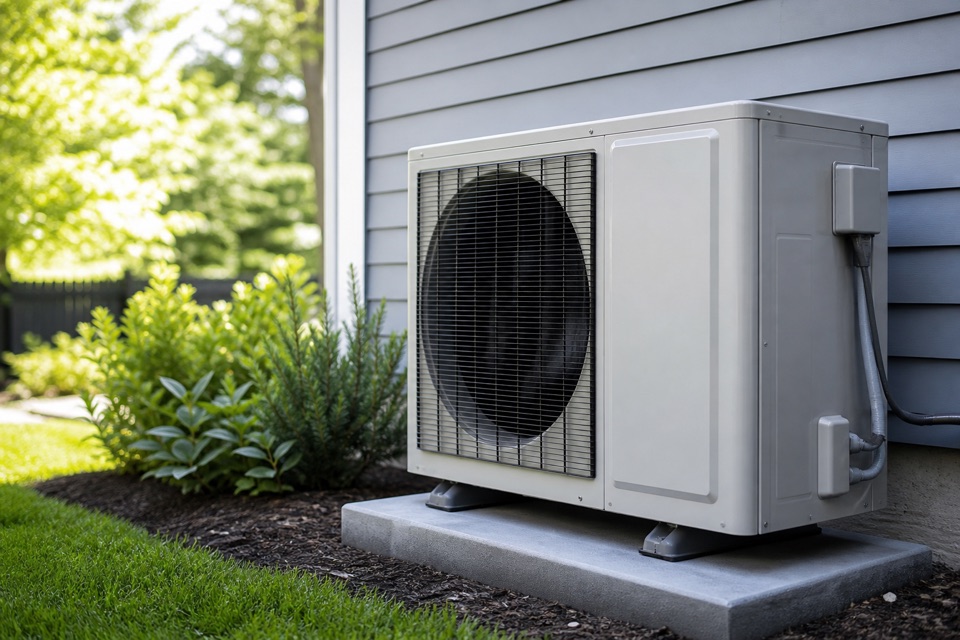
- Clear the outdoor condenser unit: The outdoor unit needs at least two feet of unobstructed clearance on all sides to properly exhaust heat. Inspect the unit for overgrown bushes, tall grass, accumulated leaves, or debris trapped against the metal fins. Gently clear away any obstructions to restore proper airflow.

Recognizing the Mechanical Signs of Component Failure
If the basic checks do not resolve the issue, you are likely dealing with a mechanical failure. Providing a technical breakdown of how specific components fail removes the guesswork and helps you understand exactly what is happening inside the metal cabinet. Recognizing the signs your air conditioner needs repair allows you to communicate effectively with our dispatchers.
The Capacitor
The dual run capacitor is essentially a massive, high-voltage battery that delivers the necessary jolt of electricity to start the compressor and the fan motor. When a capacitor begins to fail, you might hear a humming sound from the outdoor unit, but the fan blades will not spin. A visually failing capacitor often looks swollen or bulging at the top, much like an expired food can. If the capacitor is dead, the compressor cannot start, and your home will not cool.
The Contactor
The contactor is a mechanical relay switch that controls the flow of high-voltage electricity to the compressor. Every time your thermostat calls for cooling, the contactor snaps shut to complete the circuit. Over thousands of cycles, the metal contacts can become pitted, burned, or coated in carbon buildup. When this happens, the electrical flow is disrupted. You might hear a loud chattering or clicking noise as the contactor struggles to maintain a solid connection.
The Evaporator Coil
Located inside your home, the evaporator coil is responsible for absorbing heat from the indoor air. If you notice ice building up on the copper refrigerant lines or water pooling around the indoor unit, the coil has likely frozen over. This freeze-up is typically caused by severely restricted airflow (such as a neglected filter) or a low refrigerant charge. A frozen coil cannot absorb heat, meaning the system will blow warm air into the house.
Understanding these parts helps you diagnose the issue, but replacing them requires specialized knowledge. During a recent service call where the source of a system issue was unclear, one of our technicians patiently explained this exact diagnostic process and repair plan to the homeowner. By breaking down the mechanics without rushing the appointment, our team resolved the issue efficiently and gave the homeowner total confidence in the repair.
The Diagnostic Tree: Deciphering Strange Noises and Smells
In our experience, your air conditioner communicates its health through sensory clues. Translating these noises and odors into actionable diagnostic information is the key to preventing catastrophic damage. If you are ever unsure about a symptom, consulting an HVAC system FAQ can provide quick context, but the diagnostic tree below covers the most common red flags our team encounters in the field.
| Symptom (Noise or Smell) | Likely Mechanical Cause | Recommended Action |
|---|---|---|
| Squealing or Screeching | Failing fan motor belt (in older units) or worn-out motor bearings. | Turn off the system immediately to prevent motor burnout and call for service. |
| Rapid Clicking | Electrical issues, specifically a failing relay switch or pitted contactor. | Check the thermostat first, then shut off power at the breaker if the clicking persists. |
| Musty Odors (Dirty Sock Syndrome) | Biological growth, mold, or mildew accumulating on the damp indoor evaporator coil. | Schedule a professional coil cleaning and inspect the condensate drain line for clogs. |
| Burning Electrical Smell | Overheating electrical components, melting wire insulation, or a failing motor. | Emergency: Shut off the system at the breaker immediately to prevent a fire hazard. |
| Hissing or Bubbling Sounds | A strong indicator of a pressurized refrigerant leak in the copper lines or coils. | Turn off the unit. Do not attempt to patch the leak; this requires EPA-certified handling. |
By categorizing these sensory details, you move from guessing to knowing. A hissing sound means the system is bleeding refrigerant, while a screeching sound points to mechanical friction. Documenting these clues is vital for the next step in the process.
The Boundary Line: When to Stop and Call a Professional
There is a hard line between safe homeowner maintenance and legally restricted professional repairs. Basic airflow checks, filter replacements, and thermostat adjustments are perfectly safe. However, opening electrical panels, modifying high-voltage wiring, or handling refrigerant lines crosses into dangerous territory.
The Hazards of High Voltage
Air conditioning systems operate on 240 volts of electricity. Furthermore, the dual run capacitor retains a lethal electrical charge even after the main power is disconnected at the breaker. Attempting to test or replace a capacitor without properly discharging it with insulated tools can result in severe injury or worse. If your troubleshooting leads you to the electrical panel of the condenser, it is time to stop.
EPA Refrigerant Regulations
Handling, recovering, or charging refrigerants is strictly regulated by federal law. Under EPA Section 608, only certified technicians are legally permitted to handle these chemicals due to their severe environmental impact and physical safety hazards. Refrigerant operates under extreme pressure and can cause instant frostbite if it contacts the skin. If you suspect a leak, do not attempt a DIY patch.
Persistent issues, despite basic troubleshooting, warrant immediate professional intervention. We see this frequently—recently, a local homeowner's AC went out on a Sunday evening right in the middle of summer. Our technician arrived within 30 minutes, recognized the severity of the heat, and brought portable cooling units as a backup to provide immediate relief while the main system was diagnosed and repaired. That kind of rapid response from our team is critical when temperatures spike.
Trusted, rapid-response technicians utilize advanced diagnostic tools that go beyond basic visual troubleshooting to ensure long-term reliability. Our team uses digital manifolds to measure precise refrigerant subcooling and superheat, and multimeters to test exact electrical tolerances. This ensures the repair addresses the root cause, not just the surface symptom.
How to Accurately Communicate the Problem to Dispatch
When you cross the boundary line and decide to call our team for professional help, the information you provide to the dispatcher dictates how prepared the technician will be upon arrival. A vague complaint like "it is broken" leaves our technicians guessing, while a detailed report allows us to stock the truck with the specific parts likely needed for your system.
Here is what our dispatchers recommend to ensure a swift and prepared response:
- Provide the exact make and estimated age: Locate the data plate on the side of the outdoor unit. Give the dispatcher the brand name, the model number, and the year it was manufactured if visible. Older systems might require specialized legacy parts.
- Describe the specific symptom: Be precise. Note the difference between "the indoor fan is running but blowing warm air" and "the thermostat is on, but the entire system is completely unresponsive."
- Relay any sensory details: Use the diagnostic tree information. Tell the dispatcher if you heard a screeching noise right before it died, or if there is a faint burning plastic smell near the vents.
- Mention completed troubleshooting: Inform our team that you have already replaced the air filter, checked the thermostat batteries, and verified the circuit breaker is not tripped. This prevents the technician from duplicating your efforts and saves diagnostic time.
Taking the Right Next Steps for Your Cooling System
Understanding how your cooling system works and exactly why it fails removes the stress and anxiety from unexpected breakdowns. You are no longer in the dark when the house starts getting warm. By performing safe basic checks and recognizing the mechanical signs of failure, you are now fully equipped to make the right call regarding service.
Proactive communication with a professional prevents minor issues—like a failing capacitor—from turning into major failures, like a dead compressor. If your system is showing signs of struggle, do not wait for a total breakdown. Reach out to our team and lean on the expertise of professional AC repair services to keep your home comfortable, efficient, and safe all season long.
Frequently Asked Questions
Why is my AC running but not cooling?
When your system runs constantly without lowering the temperature, our technicians typically find it indicates restricted airflow or a refrigerant issue. Start by checking your air filter; a severely clogged filter prevents the evaporator coil from absorbing heat. If the filter is clean, you may have a refrigerant leak or a dirty outdoor condenser coil that cannot dissipate heat properly. Both of these latter issues require a certified technician to diagnose and repair.
What are the first signs of AC failure?
In our experience, the earliest warning signs are often subtle changes in performance or unusual sounds. You might notice weak airflow coming from the vents, the system cycling on and off more rapidly than usual, or a sudden, unexplained spike in your monthly energy bills. Strange noises, such as squealing or buzzing, also indicate that mechanical or electrical components are beginning to wear out and need immediate attention.
When should I call an AC repair technician?
You should call a professional immediately if you experience electrical burning smells, hissing sounds indicating a refrigerant leak, or if the system repeatedly trips your circuit breaker. Additionally, if you have already replaced the air filter and checked the thermostat settings but the house remains warm, it is time to bring in an expert. Continuing to run a struggling system can cause irreversible damage to the compressor.
Can I fix my AC myself?
Homeowners can safely handle basic maintenance, such as replacing air filters, clearing debris from the outdoor unit, and changing thermostat batteries. However, you cannot legally or safely perform complex mechanical repairs. Tasks involving high-voltage electrical components, internal wiring, or handling pressurized refrigerants require specialized tools and EPA certification to ensure safety and compliance.
What information should I give the dispatcher when reporting an AC breakdown?
Provide the dispatcher with the brand name, model, and approximate age of your cooling system. Be highly specific about the symptoms—explain whether the system is blowing warm air, making strange noises, or completely unresponsive to the thermostat. Finally, let our team know which basic troubleshooting steps you have already completed, such as checking the breaker and replacing the filter, so the technician arrives fully prepared.
How do sudden heatwaves affect air conditioning components?
Extreme external temperatures force your cooling system to run continuously at maximum capacity, significantly reducing its ability to exhaust heat outdoors. This prolonged strain leads to severe thermal overload, primarily affecting the compressor and the electrical capacitors. Systems that have skipped annual maintenance are especially vulnerable during these heatwaves, as older or weakened components quickly fail under the intense pressure.
Ready to Get Started?
Whether you need a repair, maintenance, or a new installation, our expert team is here to help.