AC Repair Mechanics: Troubleshooting Cooling Failures Without the Guesswork
Trust Allred
Decoding Cooling Failures: Where to Start When Symptoms Are Unclear
Your air conditioner is running constantly, but the house still feels warm, leaving you searching for home maintenance tips and troubleshooting strategies to figure out what is wrong. It is incredibly frustrating when a central cooling system fails to produce cold air without any obvious signs of physical damage. In our years of serving the local area, we know that when symptoms are unclear, identifying the root cause of a standard cooling failure becomes a real challenge. Most homeowners begin by typing general educational service queries into a search engine, trying to understand system mechanics before making a decision. The goal here is simple: you need to determine whether the service issue requires immediate professional intervention from our team or if it falls under standard scheduled maintenance.
Before diving into complex diagnostics, building a strong foundation of knowledge is the best approach. You can start by understanding your home's heating and cooling system, and if you realize the problem requires tools you do not have, reaching out for professional AC repair services is the safest next step. Here is the thing we always tell our customers: understanding how your air conditioner actually operates takes the guesswork out of the equation. We will walk through objective diagnostic procedures so you know exactly what to look for, what to listen for, and when to step back and call our experts.
The Physical Mechanics of AC Strain During Unexpected Heat
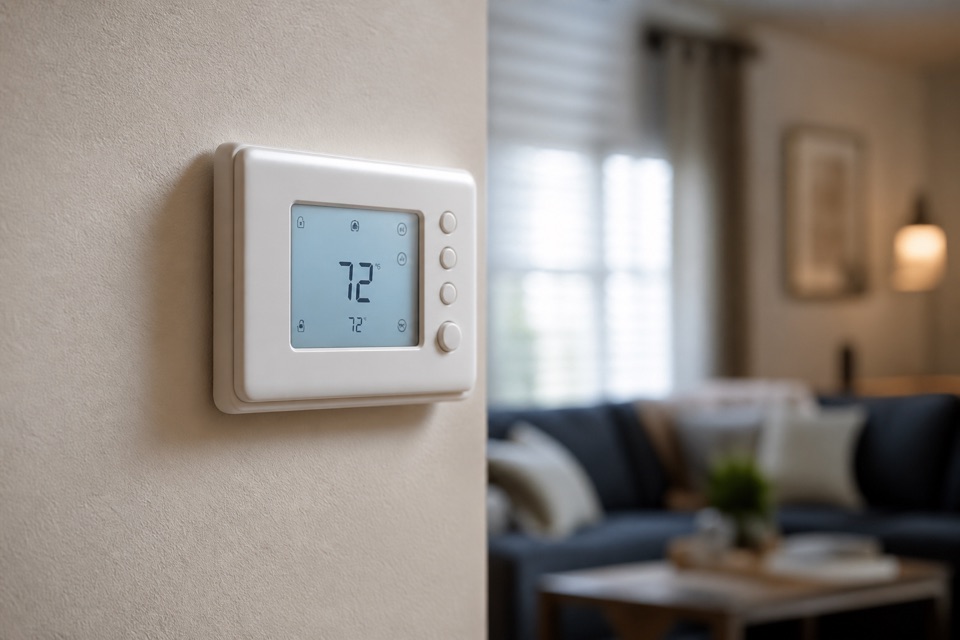
The Problem: Your cooling system suddenly struggles to keep up, running for hours on end without ever reaching the temperature set on the thermostat. The air coming from the vents feels lukewarm, and the outdoor unit sounds like it is straining.
The Cause: Air conditioners rely on a delicate process of heat transfer. They do not actually "create" cold air; instead, they remove heat from your indoor spaces and release it outside using chemical refrigerant. In our local area of the Pacific Northwest, our team has seen firsthand how summers increasingly feature unexpected heatwaves, shifting local HVAC needs from occasional use to critical, sustained operation. Sudden, unseasonal temperature spikes place maximum load on cooling systems. When an air conditioner is forced to run continuously against extreme outdoor temperatures, the physical stress on components like the compressor and condenser coils multiplies rapidly. A pattern we see often is that prolonged operational strain can trigger latent mechanical issues, turning a minor inefficiency into a standard failure.
The Solution: Recognizing the physical limits of your equipment helps you manage expectations and adjust usage. As our technicians frequently advise, keeping the system clean and well-maintained minimizes the baseline stress, giving the components a better chance of surviving sudden temperature spikes.
Understanding Heat Load and System Capacity
Heat load refers to the total amount of heat that must be removed from your home to maintain a comfortable indoor temperature. This metric dictates the exact workload of your AC unit. When the outdoor temperature skyrockets during a heatwave, the heat load often exceeds the system's designed cooling capacity. Mechanically, the compressor works overtime to pump refrigerant, and the condenser fan runs non-stop to dissipate the absorbed heat into the hot outdoor air. In the homes we service, if the system cannot shed heat fast enough, internal temperatures rise, efficiency drops, and the unit consumes significantly more electricity while producing less cooling. Understanding this dynamic helps explain why your system might run continuously during peak afternoon heat without necessarily being broken.
Safe AC Troubleshooting Steps Every Homeowner Should Know
Knowing the safe boundaries of homeowner intervention versus licensed HVAC work protects both you and your equipment. You can perform several basic checks safely, but anything involving electrical panels, pressurized refrigerant lines, or internal motor components requires a certified technician from our business. Our team recommends following these diagnostic steps to rule out simple fixes before scheduling a service call.
- Check the thermostat settings: Ensure the system is actually set to "cool" and the fan switch is set to "auto" rather than "on." If the fan is set to "on," it will blow air constantly, even when the compressor is resting, which can feel like warm air coming from the vents.
- Inspect and replace dirty air filters: A clogged filter chokes the airflow, forcing the blower motor to work much harder to pull air through the system. According to the U.S. Department of Energy, replacing a dirty, clogged filter with a clean one can lower an air conditioner's energy consumption by 5% to 15%.
- Verify power at the electrical panel: Sometimes a power surge or an overworked system will trip a breaker as a safety precaution. Check your main electrical panel to see if the dedicated AC circuit breaker has tripped. If it has, reset it exactly once. If it trips again immediately, stop and call a professional, as this indicates a dangerous electrical short.
- Ensure indoor vents are open and unblocked: Walk through every room and check the supply and return registers. Furniture, heavy rugs, or long drapes blocking these vents disrupt the return airflow, leading to pressure imbalances and significantly reduced cooling power.
- Check the outdoor unit for visible debris: The outdoor condenser needs clear space to exhaust heat into the atmosphere. Clear away any leaves, overgrown branches, grass clippings, or debris within a two-foot radius of the unit to ensure unobstructed airflow around the metal coils.

Diagnosing the Common Culprit: AC Running But Not Cooling
One of the most frequent questions our team receives from local homeowners is why an air conditioner operates continuously without actually producing cold air. The relationship between airflow restrictions and compromised cooling performance is direct and undeniable. When air cannot flow freely over the indoor coils, the entire heat transfer process breaks down. This symptom is rarely a complete mystery; it almost always points to a disruption in either the air volume moving through the house or the refrigerant cycle absorbing the heat.
Another potential culprit our technicians frequently encounter in the field is a failing blower motor. The blower motor is the heavy-duty fan responsible for pushing the conditioned air through your ductwork and into your living spaces. If the motor is failing due to worn bearings or electrical strain, it may spin too slowly or stop intermittently. This severely disrupts the distribution of conditioned air, leaving the house warm even if the outdoor compressor is working perfectly. Recognizing these mechanical symptoms early helps you identify the signs your air conditioner needs repair before a total system breakdown occurs.
The Impact of Frozen Evaporator Coils
It might sound contradictory, but a block of ice inside your AC is the primary reason it stops blowing cold air. Our technicians see this happen when the indoor evaporator coil gets too cold. Normally, warm indoor air blows across this coil, and the refrigerant inside absorbs the heat. If airflow is restricted by a severely dirty filter or blocked vents, there is not enough warm air passing over the metal to keep the coil above freezing temperatures. The natural condensation forming on the coil physically freezes into a solid sheet of ice.
This ice acts as a thick insulator, completely halting the cooling process. The refrigerant can no longer absorb heat, and the system just blows room-temperature air around the house. If you notice ice on the copper refrigerant lines outside or on the indoor unit, turning the system off entirely to let it thaw is the safest immediate action before further diagnostics. Running a frozen system forces liquid refrigerant backward into the compressor, which we have seen permanently destroy otherwise healthy units.
Identifying Electrical Stress and Component Failure
The Problem: Your air conditioner suddenly stops turning on altogether, or you hear strange noises coming from the outdoor unit without the large fan spinning.
The Cause: Electrical stress is a leading cause of system failures. As our business has noted during peak summer service calls, unexpected heatwaves place sudden, prolonged strain on residential AC systems. A pattern we see often is that this extreme weather specifically leads to overheating capacitors. The run capacitor acts like a heavy-duty battery; it provides the massive initial energy jolt required to start the compressor and the fan motors, and it helps keep them running smoothly. During an extended heatwave, the system cycles on and off much more frequently, causing the capacitor to overheat, bulge, and eventually fail. Another critical component is the contactor, which is essentially a heavy-duty mechanical switch. Over time, the high voltage passing through the contactor can cause the metal contacts to become pitted, burned, or welded shut. This disrupts the electrical flow and prevents the outdoor unit from receiving power.
The Solution: Listen closely to your system. Unusual system noises often point directly to specific electrical or component strains. A loud buzzing or humming sound from the outside unit usually indicates a failed capacitor or a stuck contactor—the electrical current is flowing to the unit, but the motor cannot start spinning. A rapid clicking noise might mean a failing relay switch or a loose electrical connection. Identifying these specific sounds helps you describe the exact issue to our professionals, narrowing down the diagnostic process significantly.
Advanced Diagnostics: Moving Beyond Basic Troubleshooting
While checking filters and resetting thermostats is a great starting point, there is a strict line between safe homeowner checks and advanced diagnostic protocols. General educational service queries can only take you so far. When basic troubleshooting does not resolve the cooling failure, our specialized tools and rigorous training become necessary to accurately assess internal system diagnostics.
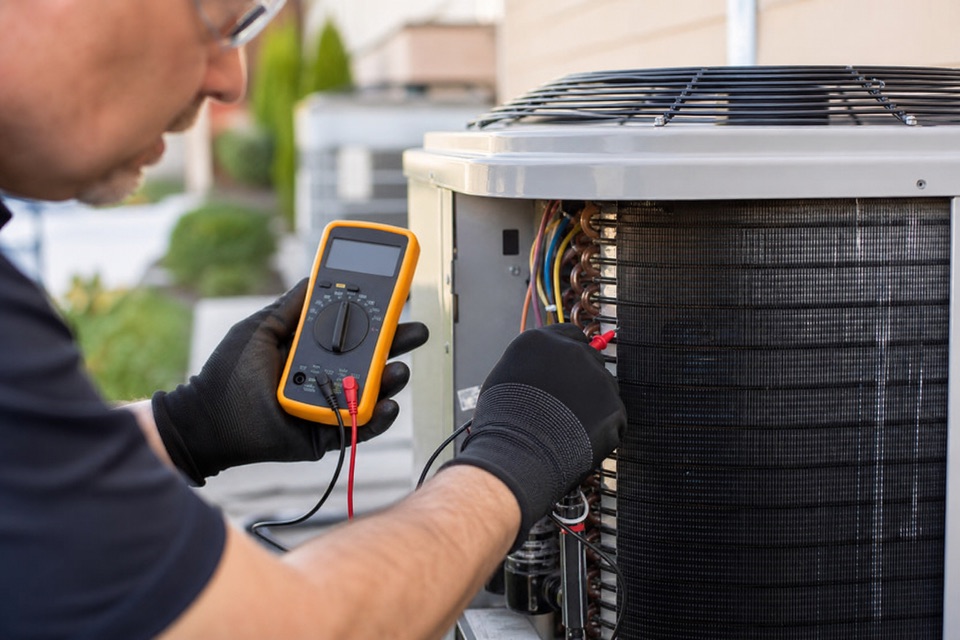
Our professional technicians use digital multimeters to measure precise electrical voltage, amperage draw, and resistance across complex circuits. We use digital manifold gauges to read the exact pressure and temperature of the refrigerant inside the sealed copper lines. This objective process allows our team to test refrigerant levels by calculating subcooling and superheat, monitor electrical draw on the compressor, and verify mechanical tolerances without relying on guesswork. For example, low refrigerant is not something you can simply "top off"; it requires finding and repairing a microscopic leak in the closed-loop system using electronic leak detectors.
Contrasting the efficiency and safety of professional diagnostics against the risks of DIY guesswork is critical. Handling high-voltage capacitors or pressurized chemical refrigerants without proper EPA licensing is dangerous and often voids manufacturer warranties. By trusting our AC repair technicians, you are relying on professionals who ensure efficient and reliable repairs by using advanced diagnostic protocols rather than guesswork. In our experience, proper, data-driven diagnosis is the absolute foundation of a lasting, reliable repair.
Evaluating System Health: Preventative Maintenance vs. Immediate Repair
When our team evaluates local HVAC units, we emphasize that deciding when a symptom warrants an emergency call versus a routine inspection requires evaluating your overall system health. Preventative maintenance is not just a suggestion; it is a mechanical necessity for modern cooling equipment. Regular preventative maintenance helps systems maintain up to 95% of their original operational efficiency, according to industry standards. Addressing minor wear and tear—like a slightly out-of-balance fan blade or a dusty evaporator coil—before it escalates into a catastrophic failure saves money and extends the lifespan of the equipment.
| Observed Symptom | Service Category | Recommended Action |
|---|---|---|
| Warm air blowing from vents consistently | Immediate Repair | Turn off system, call for professional diagnostics |
| Slightly reduced airflow or dust buildup | Preventative Maintenance | Change air filter, schedule routine inspection |
| Loud buzzing or humming from outdoor unit | Immediate Repair | Cut power at the breaker, schedule repair |
| System short-cycling (turning on/off constantly) | Immediate Repair | Turn off system to protect the compressor |
| Higher than normal energy bills | Preventative Maintenance | Schedule a seasonal tune-up and coil cleaning |
This framework guides you toward adopting a proactive approach to HVAC system health. As we often remind our clients, waiting until the system completely stops working usually means paying for a much more expensive repair. If you are unsure where a specific symptom falls, reviewing an HVAC system FAQ can provide additional context, but leaning toward caution and scheduling a professional inspection with our team is always the smartest move for your home's comfort and safety.
Expert Answers to Common AC Troubleshooting Questions
Why is my AC running but not cooling?
The short answer is that the system is likely suffering from restricted airflow or a refrigerant issue. When an AC runs but fails to cool, it usually means the evaporator coil cannot absorb heat because of a clogged filter, blocked vents, or a frozen coil. It can also indicate a failing compressor that is circulating refrigerant poorly. Checking your air filter is the best first step our technicians recommend to rule out basic airflow problems.
How do I safely troubleshoot my air conditioner?
Safe troubleshooting involves checking the external factors that impact the system without opening any electrical panels. You should verify that the thermostat is set to "cool," replace any dirty air filters, ensure all indoor vents are fully open, and check the main electrical panel for a tripped breaker. You can also clear leaves and debris away from the outdoor unit. Any steps beyond these require a licensed professional from our team.
What is the most common AC repair caused by heatwaves?
In our local service area, the most frequent failure during extreme heat is a blown run capacitor. Heatwaves force the system to cycle on and off constantly, which overheats this electrical component until it fails. When the capacitor dies, the outdoor fan and compressor cannot start, resulting in a loud buzzing noise from the unit while the house remains warm.
Can I fix a frozen evaporator coil myself?
You can safely perform the first step of fixing a frozen coil, which is turning the system completely off to let the ice melt naturally. You can also replace a dirty air filter, which is a common cause of freezing. However, if the coil freezes again after the filter is changed and the ice has melted, the system likely has a refrigerant leak or a blower motor issue, which requires professional repair from our business.
How often should I change my air filter to maintain efficiency?
We typically recommend most homeowners should inspect their air filters once a month and replace them every 30 to 90 days. If you have pets, live in a dusty area, or run the system continuously during a heatwave, you will likely need to change it closer to the 30-day mark. A clean filter is the single most effective way to protect your blower motor and maintain high cooling efficiency.
What does a buzzing noise from the outdoor AC unit mean?
A loud buzzing or humming noise usually indicates an electrical component is receiving power but failing to activate the mechanical parts. This is most commonly caused by a failed run capacitor or a stuck contactor relay. If you hear this noise, we urge you to turn off the system at the thermostat immediately to prevent further damage to the compressor motor.
Making Informed Decisions for Your Cooling System
Understanding the basic mechanics of your air conditioner is the best way to make informed decisions when things go wrong. While safe troubleshooting steps like changing filters and checking breakers are incredibly valuable, complex cooling failures require professional expertise. When general educational service queries no longer provide the answers you need, it is time to seek a thorough evaluation. Our business's goal is to provide a clear, technically sound, and neutral explanation of your system's mechanics so you can move forward confidently. If your system is still struggling after basic checks, reaching out for professional AC repair services will ensure your home returns to a comfortable temperature safely, efficiently, and without unnecessary stress.
Related Articles
Ready to Get Started?
Whether you need a repair, maintenance, or a new installation, our expert team is here to help.