Will a Dirty Flame Sensor Cause My Furnace to Short-Cycle?
Allred
A gas furnace that repeatedly shuts down on chilly nights is often protecting itself. We break down how a dirty flame sensor triggers this micro-amp safety mechanism.
Why Your Furnace Keeps Shutting Off in the Cold
Is your heating system firing up, producing a brief burst of warmth, and then abruptly shutting down before the house even gets comfortable? If you are asking, "Will a dirty flame sensor cause my furnace to short-cycle?" the short answer is absolutely yes. This specific pattern of starting and stopping is one of the most common and frustrating heating issues our technicians at Allred Heating Cooling Electric see homeowners face, especially as the damp, chilly Pacific Northwest conditions in Auburn make a reliable heating system critical. When indoor temperatures drop fast, a furnace that refuses to stay on becomes a rapid comfort emergency.
However, this immediate shutdown is not just a random malfunction or a sign that your entire system is failing. Short-cycling in this specific manner is actually a highly engineered, built-in safety response. Your furnace is intentionally turning itself off because it detects a potential hazard. The control board is actively preventing the system from running blindly, which could otherwise lead to dangerous conditions inside your home.
A dirty flame sensor is frequently the exact culprit behind this protective behavior. Over time, the internal components of a gas furnace are exposed to combustion byproducts, household dust, and microscopic debris. When this specific sensor becomes coated in grime, it loses its ability to perform its one vital job: proving that a fire actually exists inside the burner box. Without that proof, the system assumes the worst and locks down.
Understanding this underlying safety mechanism is crucial before attempting any fixes. Many homeowners assume a furnace that turns off quickly just needs a new filter or a thermostat adjustment. While those are important maintenance items, a shutdown that happens within seconds of ignition points directly to the system's flame verification process. As we enter the November early heating season, recognizing this symptom can save you from freezing nights and unnecessary panic.
The Science of Safety: What a Flame Sensor Actually Does
To understand why a little bit of soot can shut down an entire heating system, you have to look at the fascinating technical mechanics of how modern furnaces operate. The flame sensor is a relatively simple-looking device—usually a thin metallic rod bent at an angle, sitting directly in the path of the burner flames. However, the physics behind how it works, known as flame rectification, is highly advanced and critical for your safety.
Most people assume that a flame sensor works like a thermometer, measuring the physical heat of the fire to confirm the burners are lit. This is a misconception. The sensor does not measure temperature at all; it measures electrical conductivity. When natural gas or propane burns, the chemical reaction of the fire produces ionized gases. These ionized gases are actually capable of conducting electricity.
The furnace's control board sends a continuous alternating current (AC) voltage to the metallic rod. When the burners ignite and the flame engulfs the rod, the ionized gases in the fire act like an invisible wire. The flame itself completes an electrical circuit, carrying the current from the sensor rod to the metal chassis of the furnace (the ground). During this process, the flame acts as a rectifier, converting the alternating current into a tiny, measurable direct current (DC). This specific DC measurement is what the control board is looking for.
This mechanism exists solely to prevent unburned gas from accumulating in your home. If the gas valve opens but the burners fail to ignite—or if the flame blows out—raw gas would flood into your ductwork and living spaces. By requiring a continuous electrical circuit right through the fire itself, the furnace guarantees that gas is only flowing when it is being safely burned.
Understanding the Micro-Amp Threshold
The electrical current traveling through the flame is incredibly small, which is why the system is so sensitive to interference. A standard hot surface ignition furnace generates a micro-amp signal—a current measured in millionths of an ampere.
- The standard operating range: When a furnace is running perfectly, a clean sensor engulfed in a strong flame typically generates a signal between 1 and 10 micro-amps.
- The minimum safety threshold: Furnace control boards are programmed with a strict minimum limit, usually hovering around 0.5 to 1.0 micro-amps.
- The failure trigger: If the reading falls below this critical line for even a second, the control board registers a failure, assuming the flame has gone out, and instantly cuts the power to the gas valve.
How a Dirty Sensor Triggers a Short-Cycle Lockout
The transition from a perfectly functioning furnace to one that short-cycles is usually a gradual process that suddenly reaches a breaking point. The physical environment inside a burner box is harsh. Every time the furnace runs, the combustion process leaves behind trace amounts of carbon. Additionally, airborne particles from your home—such as dust, pet dander, and even microscopic silica from laundry detergents—are pulled into the combustion chamber.
Over months and years of operation, these particles bake onto the metallic rod of the flame sensor. This creates a hard, microscopic coating of soot and oxidation. Because the sensor relies on measuring an incredibly weak electrical current, this coating acts as a highly effective insulator. It physically blocks the electricity from passing from the rod into the ionized gases of the flame.
When this happens, the timeline of a short-cycle becomes very predictable. First, the thermostat calls for heat, and the draft inducer motor starts. The ignitor glows bright orange, and the gas valve opens with a soft click. The burners ignite successfully, producing a strong, hot fire. However, because the sensor is insulated by dirt, the micro-amp signal fails to reach the control board's minimum threshold. The board assumes the gas is flowing without a fire, and the gas valve immediately slams shut, extinguishing the flames.
The furnace will not just give up after one failed attempt. It will typically try this exact process three or four times in a row. You will hear the system start up, ignite, and shut down repeatedly. After these consecutive failures, the control board will go into a hard lockout—a safety mode that prevents the furnace from trying to ignite again for a set period, usually one to three hours, to allow any potential stray gas to dissipate.
The Critical 3-Second Window
The speed at taking this reading is what catches many homeowners off guard. The control board does not wait to see if the house gets warm; it demands immediate proof of combustion. This precise timing is deeply integrated into the sequence of operations in a gas furnace startup.
- The ignition phase: The exact moment the gas valve opens, a timer starts on the control board.
- The proving period: The sensor has a microscopic window—usually just 3 to 7 seconds—to register the required micro-amp signal.
- The rapid shutdown: If the signal is weak or non-existent by the end of those few seconds, the shutdown is instantaneous. This is why the furnace seems to produce heat for just a brief moment before dying.

Why Professional Diagnostics Beat DIY Scrubbing
If you search the internet for solutions to a furnace that shuts off after three seconds, you will inevitably find countless articles and videos suggesting a quick do-it-yourself fix. The most common advice is to pull the sensor out and scrub it aggressively with sandpaper, steel wool, or a wire brush. While it is true that removing the soot is necessary, this aggressive DIY approach is fraught with risks and can easily turn a minor maintenance issue into a costly repair.
The metallic rod of a flame sensor is often treated with specialized coatings to help it withstand the extreme heat of the burners without degrading. Abrasive cleaning with rough sandpaper or harsh steel wool scratches this surface. These micro-abrasions create tiny grooves where future carbon and silica can bond even faster. A sensor that is aggressively scrubbed might work for a few weeks, but it will foul up again much faster than before, eventually requiring complete replacement.
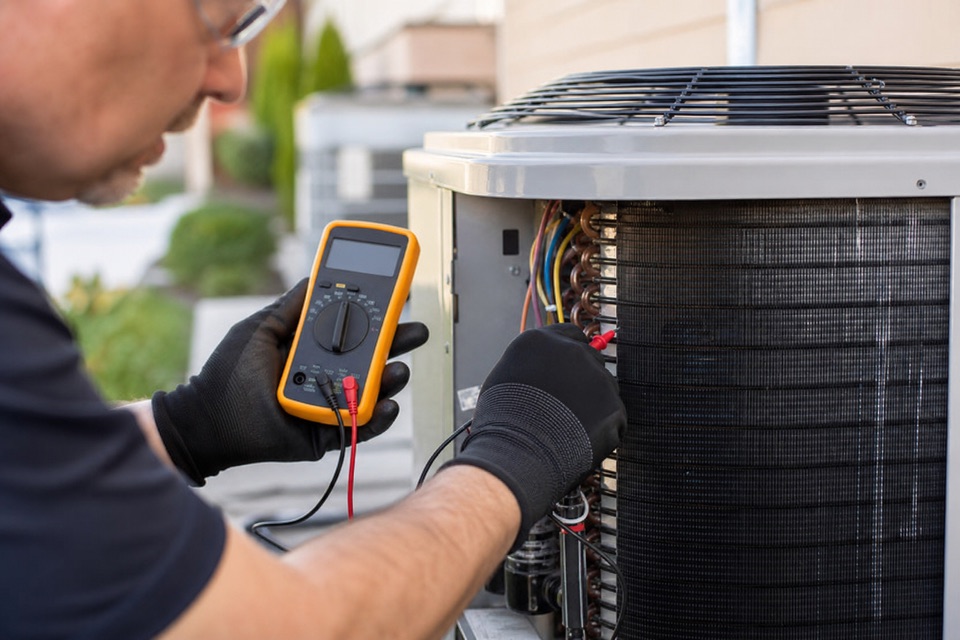
More importantly, blind cleaning completely skips the diagnostic phase. Based on our years of experience repairing furnaces across Auburn, the team at Allred Heating Cooling Electric knows that a proper approach to a short-cycling furnace involves verifying the exact micro-amp drop with a professional multimeter to guarantee safe operation. A technician does not just guess that the sensor is dirty; they measure the electrical current flowing through it while the furnace is running. This scientific approach ensures that a vital safety component is actually functioning within the manufacturer's specifications.
| Diagnostic Approach | Methodology | Safety & Long-Term Reliability |
|---|---|---|
| DIY Blind Scrubbing | Using abrasive materials like sandpaper to guess at the problem. | High risk of damaging the sensor coating; masks deeper electrical failures; frequent recurring lockouts. |
| Professional Multimeter Testing | Measuring the exact DC micro-amp signal during the 3-second ignition window. | Verifies the exact cause of failure; ensures the control board and grounding are functioning safely. |
The Risk of Ignoring Deeper Issues
Assuming a dirty sensor is the only problem can leave your home vulnerable to much more significant failures. A low micro-amp reading might not be caused by soot at all.
- Poor Grounding: Because the electrical circuit relies on the furnace chassis, a loose wire or a rusted mounting bracket can disrupt the ground connection, mimicking a dirty sensor.
- Cracked Insulators: The ceramic base holding the sensor rod can develop hairline cracks, allowing the tiny electrical current to short out against the furnace wall before it reaches the flame.
- Failing Gas Valves: Inconsistent gas pressure can create a weak flame that fails to properly engulf the sensor, leading to a shutdown that has nothing to do with dirt.
Professional verification ensures the system won't fail again on the next cold night, providing genuine peace of mind rather than a temporary, risky band-aid.
Diagnosing Short-Cycling: When It's Not the Sensor
While a dirty flame sensor is notorious for causing immediate shutdowns within seconds of ignition, it is not the only reason a furnace will short-cycle. If your heating system runs for several minutes—perhaps even long enough to blow warm air into the rooms—before abruptly shutting down well before the thermostat reaches its set temperature, you are likely dealing with a different safety mechanism.
One of the most frequent culprits for mid-run short-cycling is overheating. Modern furnaces are equipped with a high limit switch, another critical safety device designed to prevent the heat exchanger from reaching dangerous temperatures. If the furnace cannot push the hot air into the house fast enough, the internal temperature skyrockets. Once it hits a critical threshold, the limit switch trips, cutting power to the burners while leaving the blower fan running to cool the system down.
This type of overheating is frequently caused by severe airflow restrictions. A severely clogged air filter, blocked return vents, or closed registers in multiple rooms can choke the system. After sitting dormant through the summer, systems often reveal these compounding airflow issues during the first heavy continuous heating demand of the November early heating season. What seems like a mechanical failure is often the furnace desperately trying to protect its heat exchanger from cracking under extreme thermal stress.
Real-world experiences highlight how complex these diagnostics can be. For example, our team at Allred Heating Cooling Electric recently helped a local Auburn homeowner who reached out during a cold snap when their furnace began overheating and shutting off after just one heating cycle. With newborn twins at home, the rapid temperature drop was a serious concern. One of our technicians diagnosed a faulty limiter switch and replaced it, successfully restoring reliable heat after previous DIY troubleshooting attempts had failed to find the root cause. This perfectly illustrates why identifying the exact point of failure—whether it is a micro-amp signal drop at ignition or a thermal limit trip mid-cycle—requires professional diagnostic tools and expertise.
Frequently Asked Questions About Flame Sensors and Short-Cycling
Why does my furnace ignite and then shut off immediately?
When a furnace ignites and shuts down within three to seven seconds, it is usually because the control board cannot verify that a flame is present. The system relies on a flame sensor to detect the fire via a micro-amp signal. If this signal is blocked by dirt, soot, or a failing electrical connection, the furnace immediately closes the gas valve as a critical safety measure to prevent unburned gas from filling your home. It will typically try a few more times before entering a protective lockout mode.
Can a dirty flame sensor cause a furnace to short cycle?
Yes, a dirty flame sensor is one of the leading causes of immediate short-cycling in gas furnaces. The soot and carbon buildup act as an electrical insulator on the sensor rod. Because the furnace requires a continuous flow of electricity through the flame to keep the gas valve open, this insulating layer blocks the current. The furnace safely shuts down, resulting in a repetitive cycle of starting, briefly igniting, and stopping.
How do I know if my flame sensor is dirty?
The most obvious symptom is the distinct timing of the furnace's behavior: you will hear the burners ignite with a strong flame, but they will extinguish almost exactly three to five seconds later. You may also notice the system attempting this sequence three or four times before shutting down completely for an hour or more. A visual inspection by a professional might reveal a blackened or crusty metallic rod, but the only definitive way to know is by measuring the micro-amp signal drop with a specialized multimeter.
What happens when a furnace flame sensor goes bad?
When a flame sensor completely fails—such as when the internal ceramic insulator cracks or the internal wiring breaks—it stops sending any electrical signal to the control board, regardless of how clean the outer rod is. The furnace will exhibit the exact same short-cycling symptoms as a dirty sensor, igniting briefly and then shutting down. Because a broken sensor cannot be cleaned or repaired, the entire component must be replaced by a licensed technician to restore the vital safety circuit.
What is the normal electrical reading for a furnace flame sensor?
A standard, properly functioning flame sensor in a modern hot surface ignition furnace typically generates a direct current (DC) signal between 1 and 10 micro-amps when fully engulfed in a flame. Furnace control boards usually have a minimum safety threshold set between 0.5 and 1.0 micro-amps. If the reading drops below this strict minimum limit, the board registers a flame failure and initiates an immediate safety shutdown.
Restore Your Heating Reliability Today
A short-cycling furnace can be incredibly frustrating, but it is important to remember that the system is actively protecting your home from unsafe gas buildup. Whether the issue stems from a soot-covered sensor blocking a vital micro-amp signal or a deeper electrical fault, relying on professional testing over temporary DIY fixes is the only way to ensure lasting safety and comfort.
As the November early heating season brings colder nights to the region, you should not have to wonder if your furnace will make it through the night. Act before the deeper winter cold sets in. Schedule a comprehensive diagnostic inspection to verify your system's safety mechanisms, clean away the off-season buildup, and restore your heating reliability.
Related Articles
Ready to Get Started?
Whether you need a repair, maintenance, or a new installation, our expert team is here to help.