
Why Is One Room Always Hotter Than the Rest of the House?
Trust Allred
Walking from a chilled downstairs into an upstairs sauna is incredibly frustrating. Learn whether your stubbornly hot room needs a simple duct damper adjustment or a supplemental mini-split system.
Is Your AC Failing, or Is It Just That One Stubborn Room?
If you find yourself constantly asking, "Why is one room always hotter than the rest of the house?" our team at Allred Heating Cooling Electric can assure you that you are definitely not alone. Is your AC actually broken—or is it just struggling to keep up with that one stubbornly hot upstairs bedroom? It is incredibly frustrating to walk through a perfectly chilled downstairs living room, only to walk upstairs and feel like you just stepped into a sauna. When this happens, it is easy to assume your entire cooling system is on the verge of total failure, especially during the peak heat of the late-August cooling season as families transition back to school.
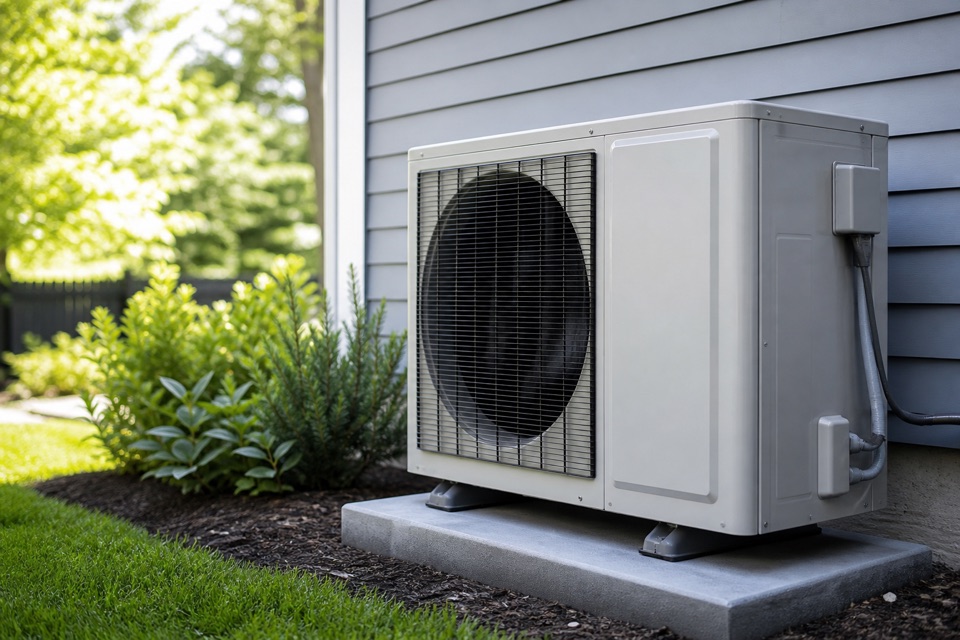
If you are tired of sweating through the night, exploring your air conditioning systems with a qualified professional is the first step to restoring whole-home comfort.
The good news is that in our years of diagnosing HVAC issues, we find that a single hot room rarely means your central air conditioner is completely broken. Instead, this specific symptom almost always points to structural airflow restrictions or basic thermodynamics. Your home is a complex system of thermal zones, and when one room falls out of balance, our technicians utilize a targeted approach to fix it. The core decision you will eventually need to make is determining whether the space requires a simple duct damper adjustment to redirect existing airflow, or if the room needs a supplemental ductless mini-split to handle the extra heat load. This guide will walk you through the physics of uneven cooling, help you diagnose the root cause, and steer you away from harmful DIY myths that we frequently see damaging homeowners' equipment.
The Physics of Solar Heat Gain in West-Facing Rooms
To understand why a specific room refuses to cool down, you have to look at the external forces working against your HVAC system. The most powerful of these forces is solar radiation. When the sun beats down on your home, it transfers massive amounts of thermal energy through your roof, walls, and especially your windows. This process is known as solar heat gain, and it is often the primary culprit behind uneven cooling.
In our experience servicing Auburn WA homes, we frequently see how the late-summer, late-afternoon sun hits west-facing exposures with incredible intensity. This direct sunlight acts like a continuous space heater running inside your room. Standard central AC systems are typically designed and sized for milder Pacific Northwest baseline temperatures. When a west-facing room absorbs that concentrated afternoon heat, it easily overwhelms the baseline cooling capacity of your ductwork. In rooms with large, unshaded windows, our load calculations often reveal that solar heat gain can account for nearly 50% of the total cooling load for that specific space.
Why Your Hallway Thermostat Can't Help
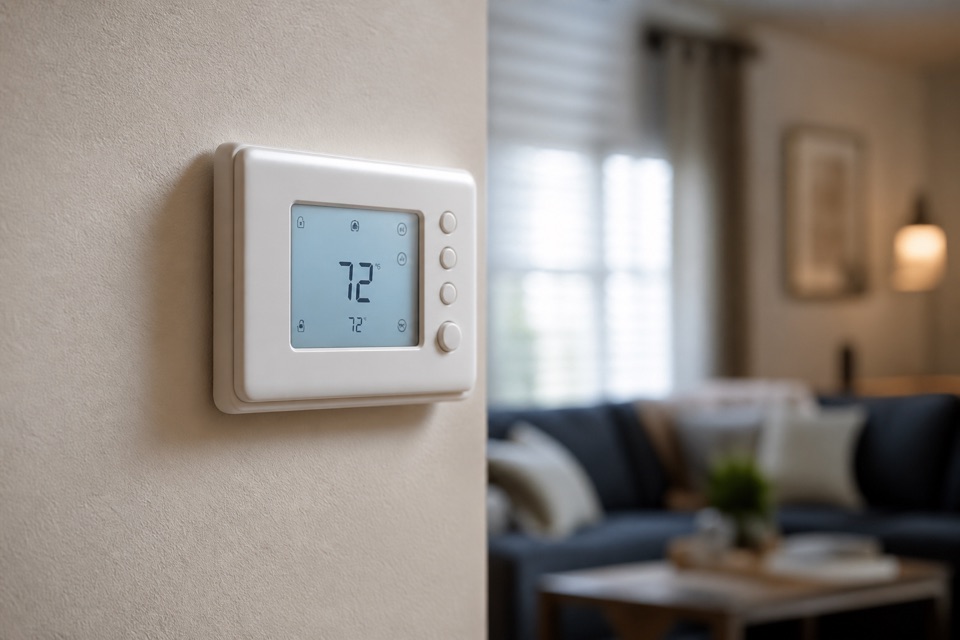
You might wonder why your air conditioner doesn't just run longer to cool the hot room down. The answer lies in where your thermostat is located. Central thermostats are usually mounted in interior hallways or main living areas, far away from direct sunlight.
- Localized temperature readings: Your thermostat only measures the air temperature in its immediate vicinity.
- Premature system shut-off: Once the shaded, interior hallway reaches your desired set point (like 72 degrees), the thermostat tells the AC to shut off.
- The stranded room: Because the AC cycles off based on the hallway temperature, the solar-heated perimeter room is left unconditioned and completely stranded.
This creates a permanent imbalance. The thermostat thinks the whole house is comfortable, while the west-facing bedroom continues to bake in the afternoon sun.

The Danger of the 'Closed Vent' Myth
When trying to figure out why is one room always hotter, we often see well-meaning homeowners turn to a classic piece of DIY advice: just close the vents in the rooms you aren't using to force more cold air into the hot room. While this sounds perfectly logical, it is actually one of the most damaging things you can do to a modern HVAC system.
The reality of static pressure: Your central heating and cooling system is essentially a giant breathing machine. It is carefully calibrated to move a very specific volume of air through a specific amount of ductwork. This resistance to airflow is called static pressure. When you close supply vents in unused bedrooms or bathrooms, you don't magically redirect that air to the hot room. Instead, you create a roadblock. The blower motor still tries to push the same volume of air, but now it has fewer places to push it.
The consequences for your equipment: As static pressure spikes inside the ductwork, the air backs up. Modern variable-speed blower motors will attempt to ramp up their speed to overcome this artificial resistance, which causes them to overwork and overheat. Older single-speed motors will simply struggle against the pressure, severely reducing the overall airflow throughout the entire house. Over time, this increased friction can lead to premature blower motor failure, frozen evaporator coils, and significantly reduced system efficiency. Rather than solving the hot room, closing vents disrupts the delicate balance of the entire system.
Trapped Heat: The Role of Inadequate Return Air
Cooling a home is not just about pumping cold air into a room; it is equally about removing the hot air that is already there. The basic physics of HVAC airflow dictate that supply air cannot enter a space if the existing air has nowhere to go. This brings us to the critical role of return air pathways.
The Physics of Pressurized Rooms
Think of blowing air into a plastic bottle. Once the bottle is full, you cannot force any more air inside. The same principle applies to the rooms in your house. If a bedroom has a supply vent blowing cold air in, but no return vent to pull the warm air out, closing the bedroom door traps the air inside. This creates a pressurized zone. The trapped hot air physically resists the incoming conditioned air, drastically reducing the cooling power of the supply vent.
Common Return Air Bottlenecks
A pattern we see often in older Auburn WA homes is that they were built with a single, large central return vent located in a main hallway, rather than dedicated return vents in every bedroom. This design relies on air flowing under the bedroom doors to make its way back to the system.
- Thick carpets blocking airflow: Upgrading to thicker carpet can eliminate the vital gap under the bedroom door, cutting off the return air pathway.
- Closed doors: Simply keeping a bedroom door closed for privacy severs the room's connection to the central return vent.
- Blocked grilles: Furniture or heavy drapes placed in front of return grilles prevent the system from pulling hot air out of the space.
Our professional diagnostics can quickly identify if trapped heat is your main issue. Often, our team can resolve this by adding a dedicated return air pathway, installing a transfer grille, or utilizing an AC repair service in Auburn to install a jump duct. This relieves the pressure and allows the cold air to finally enter the room.
Duct Distance and Friction Loss in Multi-Level Homes
Sometimes, the reason a room stays hot is purely geographical. The physical layout of your home and the length of your ductwork play a massive role in how much cooling power actually reaches the farthest corners of the house.
Understanding friction loss: As conditioned air travels away from the central indoor unit, it rubs against the inside walls of the ductwork. This friction slows the air down. Furthermore, every time the ductwork turns a corner, splits at a junction, or travels vertically to a second floor, the air loses momentum. By the time the air reaches the rooms furthest from the central blower—like a master bedroom over the garage or a distant upstairs nursery—the volume of conditioned air is naturally at its lowest.
The impact of duct leakage: This friction loss is heavily exacerbated if the ductwork travels through unconditioned spaces like hot attics or crawlspaces. If there are small leaks or disconnected joints in these areas, you are essentially pumping expensive, ice-cold air directly into your attic before it ever reaches your bedroom vent.
Real-world reliability: Addressing these airflow constraints is critical when extreme weather hits. We recently helped a local Auburn homeowner who reached out to our team on the hottest day of late summer when their air conditioner simply couldn't keep up during the evening hours. One of our technicians arrived quickly, diagnosed the airflow and cooling constraint, and had the system repaired and optimized within an hour. Ensuring your blower speeds and duct integrity are fully optimized during routine AC maintenance is essential for surviving the end-of-season cooling push without unexpected breakdowns.
Damper Adjustments vs. Supplemental Mini-Splits
When you are trying to figure out why is one room always hotter, our team relies on a definitive framework to understand when a simple fix will work versus when new equipment is required. The two most common professional solutions we recommend are duct damper adjustments and supplemental ductless mini-splits.
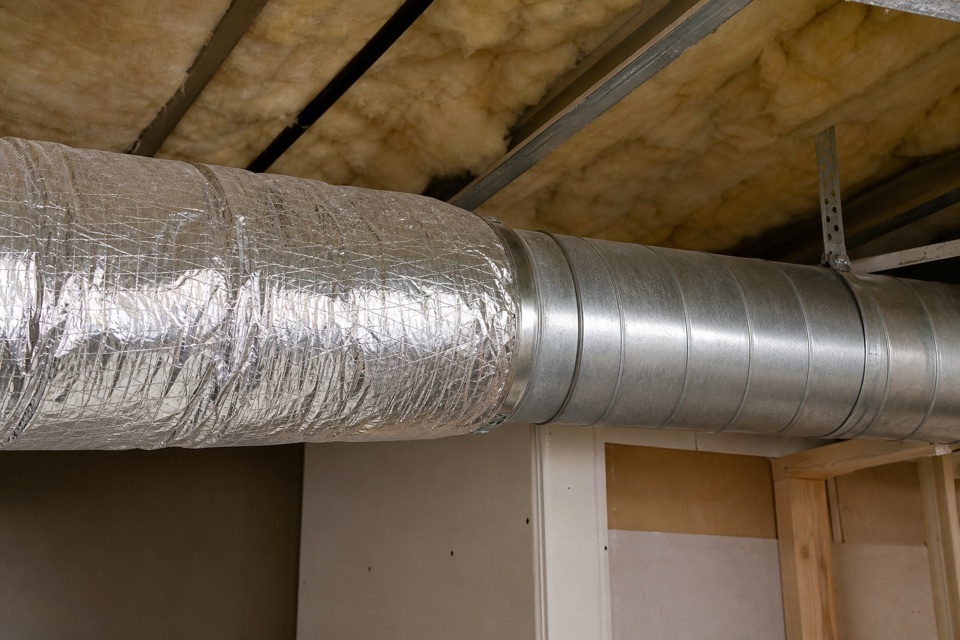
A duct damper is a metal valve installed inside the main trunk lines of your ductwork. Unlike closing a vent at the ceiling (which damages the system), our professionals can adjust these internal dampers near the equipment to properly balance the volume of air flowing to different zones of the house safely.
| Solution Type | Best Used For | How It Works | Limitations |
|---|---|---|---|
| Duct Damper Adjustment | Minor temperature imbalances in rooms with good insulation. | Professionally redirects airflow at the main trunk line to balance the system safely. | Cannot overcome severe solar heat gain or extreme duct distance issues. |
| Ductless Mini-Split | Rooms over garages, west-facing rooms, or home additions. | Provides independent, zoned cooling directly to the stubborn room without ductwork. | Requires professional installation and adequate electrical panel capacity. |
The go/no-go framework: Damper adjustments are excellent for minor imbalances where the ductwork is already adequately sized. However, structural issues—like rooms situated over uninsulated garages or spaces facing severe solar heat gain—often require independent cooling. In these cases, fighting a centralized system is inefficient. Installing a ductless mini-split is the permanent solution for rooms that simply cannot be served by the central ductwork. If you decide to upgrade, generic federal tax credits or local utility incentive programs may apply to qualifying heat pump installations, though we always advise readers to verify current programs with their utility provider or a tax professional. If you are weighing these options, comparing single-zone vs. multi-zone mini-splits can help you decide how many problematic rooms need independent control.
The Comprehensive Diagnostics Approach: HVAC and Electrical
At Allred Heating Cooling Electric, we believe solving a hot room permanently requires looking at the home as an interconnected system. You cannot just look at the vents and ignore the rest of the house. This is where a comprehensive diagnostic approach makes all the difference for Auburn WA homes.
Evaluating the whole home: If your home requires a supplemental mini-split to solve the hot room, that addition requires more than just HVAC expertise. It requires a thorough evaluation of your home's electrical panel capacity. Mini-splits need dedicated circuits, and older electrical panels may not have the available amperage to support new heating and cooling equipment safely.
The safety and efficiency benefit: Because our team is capable of diagnosing ductwork constraints while simultaneously assessing electrical loads, we can provide you with incredible peace of mind. You avoid the headache of hiring an HVAC contractor to install a unit, only to find out you need to hire a separate electrician to upgrade your panel before it can be turned on. Comprehensive testing prevents you from investing in partial solutions that fail to resolve the underlying physics of your home. Scheduling a professional AC inspection and testing ensures that both your airflow and your electrical infrastructure are fully prepared to handle the solution your home needs.
Frequently Asked Questions About Uneven Home Cooling
Why is my upstairs so much hotter than downstairs?
Heat naturally rises, meaning your second floor absorbs the thermal energy from the first floor. Additionally, the upstairs is directly beneath the roof, which absorbs massive amounts of solar radiation. When combined with ductwork friction loss over the long distance from the central blower, the upstairs simply receives less cooling power against a much higher heat load.
How do I fix a room that is always hot?
To fix a room that is always hot, you must identify the root cause of the airflow restriction. Start by ensuring all supply vents are fully open and that return grilles are unblocked by furniture. If the issue persists, a professional can test your system's static pressure, adjust internal duct dampers, or recommend a supplemental ductless mini-split for severe imbalances.
Does closing vents push more air to other rooms?
No, closing vents does not effectively push more air to other rooms. Instead, it drastically increases the static pressure inside your ductwork. This artificial resistance forces your blower motor to overwork, which can lead to premature equipment failure, frozen evaporator coils, and reduced overall system efficiency. Always leave your supply vents open.
Will a fan help cool a hot room?
A ceiling fan or box fan will make you feel cooler by creating a wind-chill effect on your skin, but fans do not actually lower the temperature of the room. In fact, the motor of a running fan generates a small amount of heat. Fans are great for personal comfort while you are in the room, but they will not solve the underlying HVAC imbalance.
Why does my room get hot even when the AC is running?
Your room gets hot while the AC is running because the heat gain in that specific room exceeds the cooling capacity of the air being delivered. This is often due to intense afternoon sun (solar heat gain), inadequate return air trapping hot air inside, or leaky ductwork losing cold air before it reaches the vent.
Can a ductless mini-split fix one hot room?
Yes, a ductless mini-split is often the most effective permanent solution for a single hot room. Because it operates independently of your central ductwork, it provides targeted, zoned cooling directly to the stubborn space. This allows you to overcome severe solar heat gain or distance issues without having to overcool the rest of the house.
Stop Sweating in Your Own Home This Summer
Understanding the basic physics of your home is the first step to achieving true comfort. Whether your upstairs bedroom is baking in the afternoon sun or your ductwork is struggling to push air across the house, you do not have to settle for uneven cooling during the late-August cooling season.
Take action today: Reassure yourself that whether the final solution is a simple internal damper adjustment or the addition of a highly efficient ductless mini-split, a clear, definitive path forward is available with our team. Stop guessing and stop relying on DIY myths that put your equipment at risk. Schedule an expert evaluation of your home's airflow and electrical systems to finally resolve that stubborn hot room for good.
If you are still wondering why is one room always hotter than the rest of the house, contact Allred Heating Cooling Electric today to get the answers you need.
Ready to Get Started?
Whether you need a repair, maintenance, or a new installation, our expert team is here to help.