Why Marysville Residents Are Switching to Heat Pumps for Year-Round Comfort
Trust Allred
Facing another winter with an aging furnace? See how upgrading to a dual-purpose heat pump solves your cold-weather heating needs while preventing next summer's sweating.
Facing the Fall Furnace Decision in Marysville
At Allred Heating Cooling Electric, a pattern we see often as that familiar chill creeps back into the morning air is homeowners dreading turning on their aging furnaces. If your system struggled through last winter, the primary question on your mind is likely why Marysville residents are switching to heat pumps for year-round comfort, especially as the September pre-heating transition approaches. You need reliable winter warmth, but the memory of sweating through recent, brutally hot summers without adequate cooling is still fresh. Replacing a failing heating unit is a significant decision. We frequently remind our customers that simply swapping an old gas furnace for a new one might solve your winter problem while completely ignoring your summer discomfort.
If you are exploring your options for upgrading your home's climate control, learning more about air conditioning and cooling systems can help you make an informed choice. When it is time to secure professional HVAC installation in Marysville, choosing a dual-purpose system often provides the most comprehensive solution for modern home comfort.
The dilemma many homeowners face during the early fall is whether to rush into a like-for-like furnace replacement or take a step back and look at the bigger picture. Modern heating technology has advanced significantly, offering solutions that handle both extremes of our local weather. Making a strategic choice now prevents you from making a panicked, emergency decision when temperatures plummet in December.
| Decision Factor | Traditional Standalone Furnace | Modern Dual-Purpose Heat Pump |
|---|---|---|
| Winter Heating | Burns fuel or uses electric resistance to generate heat. | Extracts ambient heat from outdoor air and moves it indoors. |
| Summer Cooling | Provides zero cooling; requires a separate AC unit. | Reverses the process to pull heat out of your home, providing full AC. |
| Space Requirements | Requires indoor closet/basement space plus outdoor AC pad. | Streamlined footprint with one outdoor unit and one indoor air handler. |
| Energy Strategy | Often relies on fluctuating fossil fuel markets. | Highly efficient electrical operation, maximizing energy transfer. |
Adapting to the Pacific Northwest's Shifting Climate
In our years of installing and servicing HVAC systems across the region, our team has seen firsthand how homes built decades ago are struggling to keep up with the Pacific Northwest's changing weather patterns. Historically, houses in Marysville residential areas were designed almost exclusively to combat chilly, damp winters. Builders prioritized heavy insulation, robust gas furnaces, and tight construction to keep the cold out. Summer cooling was treated as an unnecessary luxury, as the region rarely saw extended periods of extreme heat.
Here is the reality we face today: those traditionally mild summers are being replaced by intense heat waves. When the temperature spikes, homes built to trap winter heat suddenly become uncomfortable, stifling boxes. Relying solely on a winter-focused heating system leaves a massive comfort gap from June through August. You find yourself relying on noisy, inefficient window units or portable fans that barely make a dent in the indoor humidity and temperature.
Signs your home's climate control is outdated for the current climate:
- Trapped summer heat: Your upper floors remain unbearably hot long after the sun goes down.
- High winter utility bills: Your aging furnace runs constantly to combat the damp PNW chill, consuming excessive fuel.
- Inconsistent temperatures: Certain rooms feel like an icebox in January and a sauna in July.
- Air quality struggles: Without a central system moving and filtering air year-round, indoor air feels stagnant and dusty.
A heat pump serves as a direct, localized solution to this evolving climate reality. By combining robust winter heating with powerful summer air conditioning in a single system, it bridges the gap that older homes face. It adapts to the specific combination of our damp, cold winters and the new reality of extreme summer heat, ensuring your living space remains comfortable regardless of what the forecast dictates.
The Hidden Risks of Relying on an Aging Standalone Furnace
Pushing an old, struggling furnace through one more demanding winter is a gamble that often costs more than just money. As heating equipment ages past the 15-year mark, internal components endure significant thermal stress. Metal expands and contracts thousands of times over its lifespan, leading to metal fatigue, cracked components, and sudden mechanical failures right when you need the system most.
Just last season, our technicians responded to a call where a local homeowner experienced this exact danger firsthand when their aging furnace quit working unexpectedly. Upon inspection, our team discovered that the system had cracked heat exchangers, creating a severe carbon monoxide poisoning risk. A prompt replacement safely eliminated the hazard, thoroughly cleaned up the work area, and resulted in a surprising secondary benefit: the new, modern system significantly improved their sinus and allergy problems thanks to vastly superior air filtration.
Safety concerns like compromised heat exchangers are a primary reason why our team recommends the September pre-heating transition as the best time to evaluate your equipment. Carbon monoxide is odorless and colorless, making a failing gas furnace a silent threat. Furthermore, aging blower motors draw excessive electricity, and worn ignition systems can cause delayed combustion, leading to those startling "booming" noises when the furnace finally lights.
Addressing these critical safety issues provides a perfect opportunity to rethink your entire approach to home comfort. If you are weighing the costs and benefits, reading about upgrading an older furnace to a dual-fuel heat pump system can illuminate why investing in modern technology makes more financial sense than repeatedly patching outdated equipment. Every dollar spent repairing a 20-year-old furnace is money that could have been invested in a safe, clean, dual-purpose system.
How Modern Heat Pumps Provide All-in-One Climate Control
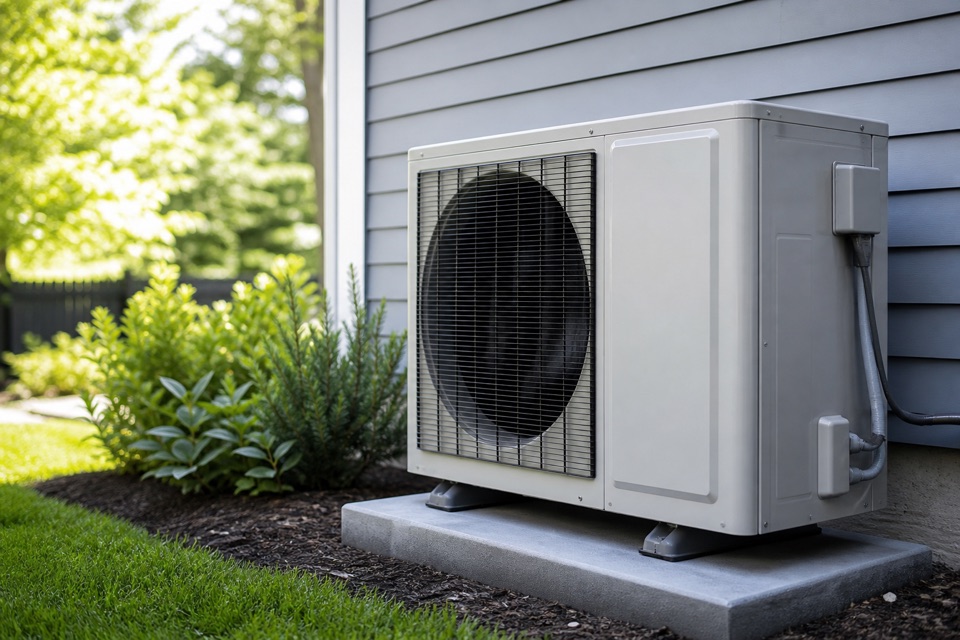
We frequently explain to our customers that the term "heat pump" can be slightly confusing if you have never owned one, as it implies the system only provides heat. In reality, a heat pump is a highly advanced, two-way air conditioner. Instead of generating heat by burning fossil fuels or using energy-heavy electric resistance coils, it uses electricity to transfer ambient heat energy from one place to another.
Even when it feels cold outside in Marysville residential areas, there is still thermal energy present in the air. A heat pump captures that energy using specialized refrigerant, compresses it to increase the temperature, and then releases that concentrated warmth inside your home. Because moving heat requires significantly less energy than creating it from scratch, the process is incredibly efficient.
Efficient Winter Heating
During the winter, the system extracts heat energy from the cold outdoor air. Modern advancements in compressor technology mean today's systems remain highly effective even in mild to chilly Washington winters. Unlike a traditional furnace that blasts dry, scorching air and then shuts off—creating noticeable temperature swings—a heat pump provides consistent, even temperature distribution. It runs longer cycles at lower speeds, maintaining a steady layer of warmth without the harsh blasts of a traditional system.
Built-In Summer Cooling
The true magic of this technology lies in a small component called the reversing valve. When summer arrives, this valve switches the direction of the refrigerant flow. The system now pulls heat and humidity out of your indoor air and pumps it outside, acting exactly like a high-performance central air conditioner. This provides exceptional dehumidification benefits during muggy summer days.
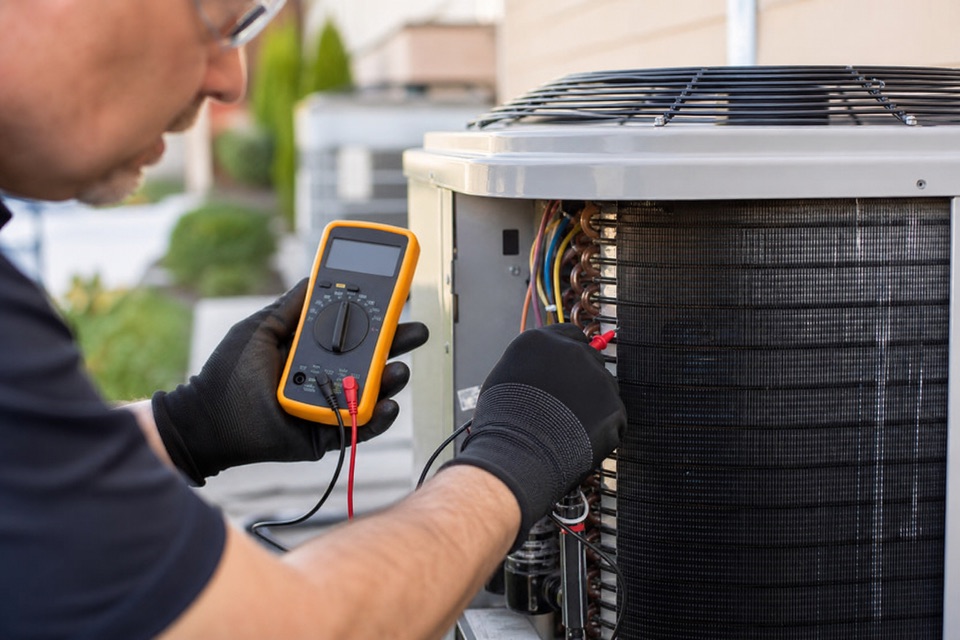
Maintaining a single, dual-purpose system rather than separate heating and cooling units saves valuable space in your yard and simplifies your home maintenance schedule. However, because the system runs year-round, having access to reliable HVAC repair services ensures that any minor wear and tear is addressed quickly, keeping both your heating and cooling cycles running flawlessly.

Efficiency, Performance, and Long-Term Value
When evaluating a major home upgrade, understanding the long-term value is just as important as the immediate comfort benefits. Data from the U.S. Department of Energy (DOE) and ENERGY STAR consistently highlight the superior efficiency of modern heat pump technology. Because these units transfer heat rather than generating it through combustion, they can deliver significantly more energy to your home than the electrical energy they consume to operate.
Efficiency is measured in two ways for these systems: SEER2 (Seasonal Energy Efficiency Ratio) for cooling, and HSPF2 (Heating Seasonal Performance Factor) for heating. Modern systems boast ratings that far exceed the equipment installed even a decade ago. By reducing your reliance on fossil fuels, you insulate yourself against unpredictable spikes in fuel costs during the coldest months of the year, leading to more predictable and manageable energy consumption.
Key performance benefits for Marysville residential areas include:
- Consistent dehumidification: Better moisture control during the damp transition seasons.
- Variable-speed technology: Compressors that adjust their output in tiny increments, using only the exact amount of energy needed to maintain your target temperature.
- Improved air filtration: Continuous air circulation filters out dust, pollen, and pet dander more effectively than a system that only runs in short bursts.
Furthermore, transitioning to highly efficient, electrified heating and cooling often opens the door to generic federal tax credits and local utility incentive programs designed to promote energy efficiency. While programs frequently change, qualifying installations may be eligible for significant benefits. At Allred Heating Cooling Electric, we always advise homeowners to consult with local utility experts and their tax professionals to understand current, applicable programs that can help offset the initial investment.
Why Early Fall is the Ideal Window for a System Upgrade
Timing your HVAC replacement strategically makes a massive difference in the quality of the installation and your overall peace of mind. The September pre-heating transition—those crucial weeks before the first hard freeze hits the Pacific Northwest—is widely considered the optimal window for a system upgrade.
Our dispatchers field frantic calls every December from homeowners forced into emergency scenarios because they waited until their furnace permanently failed. When you are freezing, you do not have the luxury of researching options, comparing dual-purpose systems, or waiting for the perfect equipment to be ordered. You are forced to accept whatever standalone furnace is sitting in the warehouse that day just to get the heat back on. We highly recommend proactively upgrading in the fall to completely avoid this stress and ensure you maintain control over your home comfort decisions.
| Factor | Fall Proactive Replacement | Winter Emergency Replacement |
|---|---|---|
| Equipment Choice | Full access to high-efficiency heat pumps and dual-fuel options. | Limited to immediate warehouse inventory (often basic furnaces). |
| Scheduling | Flexible booking before the peak busy season begins. | Long wait times during extreme weather events. |
| Stress Levels | Low. The home remains comfortable during the transition. | High. The home is freezing, risking frozen pipes and discomfort. |
| Summer Prep | AC cooling is automatically secured for next year's heat waves. | Cooling is ignored; a separate AC will need to be purchased later. |
A fall installation ensures your home is immediately ready for the upcoming winter heating demands, while simultaneously outfitting your house for next year's summer heat. The logistical benefits are substantial: scheduling major installations before peak winter service demand hits means our local technicians can take the necessary time to perfectly calibrate your new system without rushing to the next no-heat emergency.
Safely Transitioning Your Home with 'The Allred Way'
Moving from a traditional gas furnace to a modern heat pump is not a simple plug-and-play operation. It requires a thoughtful, engineered approach to ensure the new equipment integrates flawlessly with your home's existing infrastructure. This is where our team's commitment to "The Allred Way" makes a profound difference for Washington residents. Our guiding philosophy prioritizes education, safety, and long-term comfort over quick, high-pressure sales.
When applying "The Allred Way" to your home transition, a thorough evaluation by our experts is the first step. Proper sizing is critical; a system that is too large will short-cycle and fail to dehumidify, while a system that is too small will run constantly and struggle to keep you warm. A professional load calculation takes into account your home's square footage, insulation levels, window quality, and sun exposure in Marysville residential areas to determine the exact capacity required.
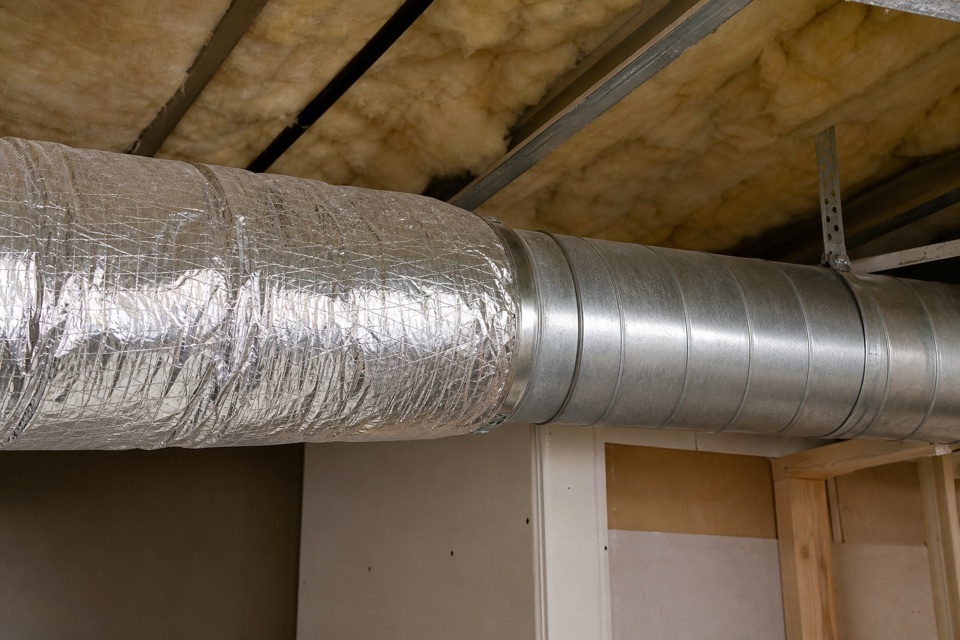
Additionally, your existing ductwork must be evaluated. Heat pumps move a higher volume of air at a slightly lower temperature than a roaring gas furnace. If your ducts are undersized, leaky, or blocked, the new system will not perform efficiently. A professional installation ensures these variables are corrected before the new unit is turned on.
Once the transition is complete, the focus shifts to longevity. Because a dual-purpose unit operates 365 days a year, ongoing care is vital. Partnering with a trusted local expert for routine system maintenance and tune-ups maximizes the lifespan of your investment, keeps your warranty valid, and ensures your system continues to deliver peak efficiency season after season.
Secure Your Year-Round Comfort Before Winter Arrives
The decision to upgrade your home's climate control is ultimately about taking control of your indoor environment. A modern heat pump solves the immediate, pressing need for reliable winter heat while permanently securing the robust summer cooling you will need next year. By taking action during the September pre-heating transition, you bypass the chaos of winter breakdowns and ensure a thoughtful, engineered installation.
If you are tired of paying high utility bills for a furnace that leaves you cold in the winter and offers no relief in the summer, now is the time to explore your options. Contact our team at Allred Heating Cooling Electric to schedule a professional evaluation today to see if a dual-purpose heat pump is the right fit for your home, and discover exactly why Marysville residents are switching to heat pumps for year-round comfort.
Frequently Asked Questions
Are heat pumps effective in Washington state?
Yes, modern heat pumps are highly effective in Washington state. Because our climate features relatively mild winters compared to the extreme cold of the Midwest, heat pumps can easily extract enough ambient heat from the outdoor air to keep your home warm and comfortable all season long.
Can a heat pump completely replace a gas furnace in the Pacific Northwest?
In most cases, a high-efficiency heat pump can completely replace a standalone gas furnace in the Pacific Northwest. For homes that experience slightly colder microclimates, our team often recommends a dual-fuel system—which pairs a heat pump with a backup gas furnace for extreme freezes—as an excellent alternative that maximizes efficiency.
Do modern heat pumps still work efficiently in freezing weather?
Advancements in variable-speed compressors and specialized refrigerants allow modern heat pumps to operate efficiently even when temperatures drop below freezing. While they work slightly harder in extreme cold, they still provide reliable, consistent warmth without relying entirely on backup heating elements.
Why are heat pumps increasingly recommended for Marysville homes?
They are recommended because they solve two problems with one piece of equipment. As Marysville experiences increasingly hotter summers alongside its traditional damp winters, homeowners need both heating and cooling; a heat pump provides both without requiring the installation of two separate systems.
Will a heat pump provide enough cooling for my house during hot summers?
Absolutely. During the summer, a heat pump functions exactly like a high-performance central air conditioning unit. It reverses its cycle to pull heat and humidity out of your indoor air, providing robust, whole-house cooling even during severe Pacific Northwest heat waves.
Should I wait until my furnace breaks, or replace it before winter?
Replacing an aging, unreliable furnace before winter is always the safer and more strategic choice. Waiting for a complete breakdown usually happens on the coldest day of the year, leading to emergency service fees, limited equipment choices, and several days of uncomfortable, freezing temperatures inside your home.
What is the typical lifespan of a dual-purpose heat pump system?
With proper professional installation and consistent routine maintenance, a high-quality heat pump typically lasts about 15 years. Because it operates year-round for both heating and cooling, scheduling bi-annual tune-ups is critical to maximizing its lifespan and maintaining its energy efficiency.
Related Articles
Ready to Get Started?
Whether you need a repair, maintenance, or a new installation, our expert team is here to help.