Repairing a 15-Year-Old Furnace vs. Upgrading to a Dual-Fuel Heat Pump
Trust Allred
When a major component fails on an aging heating system, you face a tough financial choice. Compare the reliability of a new dual-fuel heat pump against patching up your current unit.
Is It Worth Fixing an Aging Heating System?
Are you currently weighing the pros and cons of repairing a 15-year-old furnace vs. upgrading to a dual-fuel heat pump? In our experience at Trust All Red, it is one of the most common dilemmas homeowners face when a heating system suddenly breaks down. You are left sitting in a cold house, listening to a technician explain that a major component has failed, and you have to make a significant financial choice on the spot. The immediate stress of losing heat often pushes people toward a quick, short-term fix just to restore comfort.
However, making the right choice requires looking beyond this single breakdown. You have to evaluate the overall health of the entire system. Paying for a major repair on equipment that is already nearing the end of its natural life can sometimes lead to a frustrating cycle of ongoing breakdowns. When you reach out for professional HVAC services, our goal is to help you find a solution that offers long-term reliability and energy efficiency, rather than just putting a temporary bandage on a failing unit.
This guide will walk you through the objective realities of the 15-year-old furnace lifecycle, the mechanics of common major failures, and how modern dual-fuel technology compares to keeping your older system running.
Understanding the 15-Year-Old Furnace Lifecycle
To make an informed decision, it helps to understand exactly where your equipment stands in its natural lifespan. The average life expectancy of a well-maintained gas furnace is typically 15 to 20 years. Once a unit crosses that 15-year threshold, it enters a phase where cumulative wear and tear begins to take a serious toll on internal components.
As the system ages, the concept of diminishing returns becomes a real factor. Investing heavily in maintaining equipment that has passed its primary operational lifespan often yields lower efficiency and reduced reliability. A thorough professional evaluation is essential to determine the true health of the system, as age alone does not tell the whole story. For example, our technicians at Trust All Red frequently encounter aging systems in the local area that have hidden issues; recently, our team inspected a homeowner's furnace that was over 20 years old and had likely never been properly serviced. It took a comprehensive inspection by our crew to identify missed maintenance items, clean the system, and verify its safety—highlighting how older units require careful, professional oversight.
Here is how the lifecycle of a typical gas heating system breaks down:
- Years 1-5 (Peak Performance): The system operates at its highest efficiency. Breakdowns are rare, and any issues are usually covered by the manufacturer's warranty.
- Years 6-10 (Mid-Life Maintenance): Minor wear and tear begins. Regular tune-ups are critical during this phase to keep moving parts lubricated and sensors clean.
- Years 11-15 (The Decline): Efficiency slowly drops as components age. You may notice longer heating cycles and slightly higher utility bills as the system works harder to produce the same amount of heat.
- Years 15+ (End of Lifespan): Major components, such as the blower motor, heat exchanger, or control board, are at a high risk of failure. Repairs become more frequent and significantly more involved.
Signs Your System is Nearing the End
- Increased frequency of minor service calls: If you are calling a technician multiple times a year for different small issues, the system is struggling.
- Gradual decline in heating efficiency and comfort: Some rooms may feel colder than others, or the air coming from the vents may feel lukewarm.
- Lack of available replacement parts: As models are discontinued, finding specific proprietary parts for older units becomes difficult and time-consuming.
The Mechanics of a Blower Motor Failure
The Problem: Based on the countless service calls our team handles each winter, when a 15-year-old furnace breaks down, the culprit is very often the blower motor. This vital component is responsible for circulating conditioned air throughout your home's ductwork. Without it, the furnace may generate heat, but that heat has no way of reaching your living spaces.
The Cause: Why does this specific part tend to fail right around the 15-year mark? A blower motor works incredibly hard, spinning thousands of times a day during the peak winter heating season. Over a decade and a half, the internal bearings wear down, the electrical windings degrade due to heat exposure, and dust accumulation can cause the motor to overheat. Symptoms leading up to a failure often include a loud grinding or squealing noise from the furnace cabinet, weak airflow at the vents, or a burning smell when the system kicks on.
The Solution: Addressing a failed blower motor on an aging system is not a simple task. It requires intensive labor to dismantle the blower assembly, remove the heavy motor, wire in a new component, and calibrate the fan speed. While expert HVAC system repair can certainly get the unit running again, you are essentially attaching a brand-new, high-performance part to a 15-year-old machine. The new motor will work perfectly, but the older control board, heat exchanger, and gas valve surrounding it are still 15 years old and prone to their own impending failures.
Why Breakdowns Happen During Peak Winter Heating Season
Heating systems rarely fail on a mild autumn afternoon. Instead, they almost always break down during the peak winter heating season, precisely when you need them the most. This timing is not a coincidence; it is a matter of physics and mechanical strain.
Continuous Operation Strain: During a severe cold snap, your furnace runs almost continuously to maintain the temperature on your thermostat. This constant operation places maximum strain on aging components. A blower motor that was already struggling with worn bearings will quickly overheat and seize when forced to run for hours on end without a break.
Thermal Expansion and Contraction: Older metal parts and electrical connections have spent 15 years expanding when hot and contracting when cold. Over time, this thermal stress causes metal fatigue. Heat exchangers can develop microscopic cracks, and electrical connections can loosen, leading to sudden operational failures.
The Urgency Factor: The reality of losing heat in the dead of winter creates an immediate sense of urgency. Our emergency dispatch team frequently sees this exact scenario. One local homeowner experienced this stress when their heating system suddenly failed on a freezing Saturday morning. While our prompt professional support got their system up and running quickly, the sudden loss of comfort highlights how disruptive a breakdown can be. This urgency often leads to rushed decisions. When you are freezing, authorizing a major repair seems like the fastest way to get warm. However, it is crucial to pause, evaluate the long-term reliability of the equipment, and consider if a modern replacement is a smarter investment.
How a Dual-Fuel Heat Pump System Works
If you decide that repairing a 15-year-old furnace is no longer the best path forward, the most advanced replacement option available today is a dual-fuel system. But what exactly does that mean?
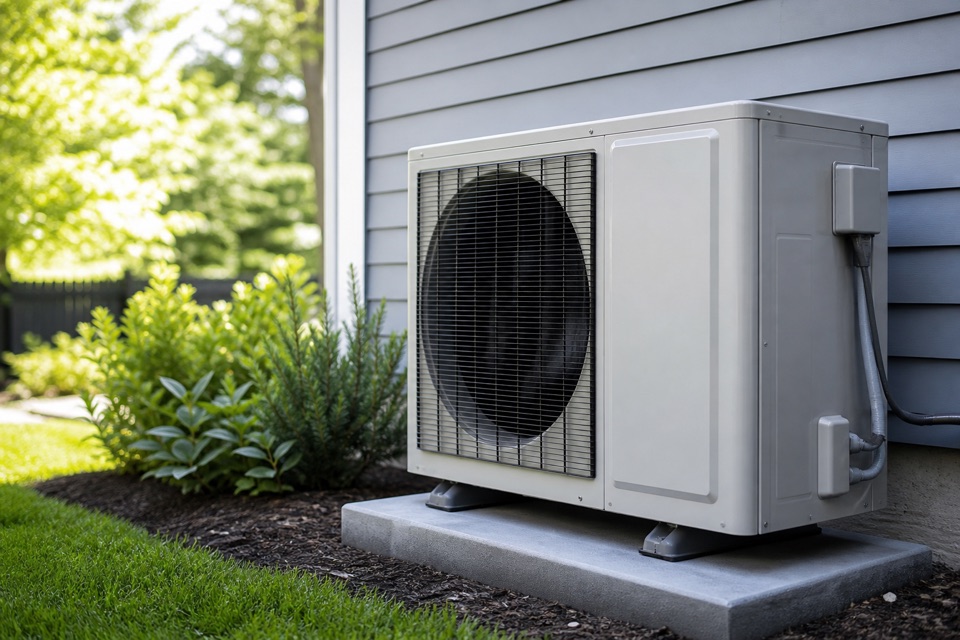
A dual-fuel (or hybrid) system pairs an electric high-efficiency heat pump with a traditional gas furnace. Instead of relying on a single fuel source, this system automatically switches between electricity and natural gas to maximize efficiency based on the exact temperature outside.
During mild to moderately cold weather, the electric heat pump takes the lead. It extracts ambient heat from the outside air and moves it indoors, which is an incredibly efficient way to warm a home. However, when the temperature drops below a certain threshold (known as the balance point) and there is not enough ambient heat in the air, the system seamlessly transitions to the gas furnace to provide powerful, continuous warmth. To understand more about how these technologies compare, you can review this guide on Furnace Vs. Heat Pump: Key Differences.
Year-Round Comfort Control
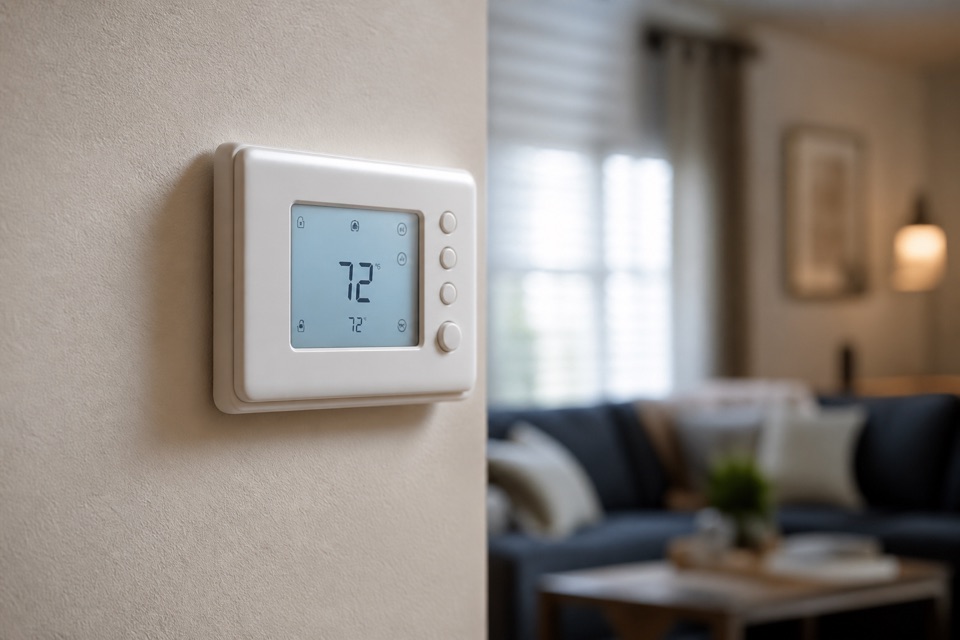
- Seamless transition between gas and electric heating: The system's smart thermostat handles the switch automatically, ensuring you are always using the most cost-effective fuel source for the current weather conditions.
- Adding robust air conditioning capabilities: Because a heat pump is essentially an air conditioner that can reverse its cycle, upgrading to a dual-fuel system gives you high-efficiency cooling. With Pacific Northwest summers becoming increasingly warm, our team at Trust All Red finds that having powerful, reliable summer air conditioning built into your heating system is highly advantageous for local homeowners.
- Consistent indoor temperatures: Heat pumps provide a steady, even flow of warm air, eliminating the drastic temperature swings often associated with older, single-stage gas furnaces.
Side-by-Side: Repairing vs. Upgrading to Dual-Fuel
When you are staring at a broken furnace, you need a clear framework to make your choice. Our team at Trust All Red is committed to guiding homeowners through objective cost-benefit analyses without high-pressure sales tactics. We believe you should have all the facts before deciding between a short-term fix and a comprehensive solution.
| Decision Factor | Repairing a 15-Year-Old Furnace | Upgrading to a Dual-Fuel Heat Pump |
|---|---|---|
| Immediate Outcome | Restores heat quickly by replacing the specific failed part (e.g., blower motor). | Provides a comprehensive, brand-new HVAC system for year-round comfort. |
| Energy Efficiency | Remains locked into the older, lower AFUE rating from 15 years ago. | Leverages modern SEER (cooling) and HSPF (heating) metrics for superior efficiency. |
| Warranty Coverage | Limited warranty applies only to the specific newly installed replacement part. | Full manufacturer warranty covers the entire system, protecting against future issues. |
| Long-Term Reliability | High risk of subsequent failures in other aging components (heat exchanger, valves). | Maximum reliability with brand-new components designed to work seamlessly together. |
| Functionality | Provides winter heating only. | Provides both winter heating and high-efficiency summer cooling. |
Choosing to repair means you are betting that the rest of the 15-year-old components will hold up. Choosing professional heat pump and cooling system installation means you are resetting the clock on your home's HVAC lifecycle while gaining significant efficiency upgrades.

Leveraging Generic Incentives for High-Efficiency Upgrades
One of the most compelling reasons to consider upgrading rather than repairing is the availability of financial incentives. Modern dual-fuel heat pumps are incredibly efficient, and various organizations want to encourage homeowners to adopt this technology to reduce overall energy consumption.
While a basic repair on an old furnace comes entirely out of pocket, a new system installation can often be offset by generic energy efficiency rebates and credits. Here is what you should look into:
- General energy efficiency rebates: Many manufacturers and utility boards offer mail-in rebates for installing high-efficiency equipment that meets specific energy standards.
- Federal tax credits: Federal tax credits may apply to qualifying heat pump installations, allowing you to claim a portion of the installation costs on your annual tax return.
- Local utility programs: Local utility providers frequently incentivize the transition to electric heat pump technology to reduce the strain on natural gas infrastructure during peak winter months.
Because these programs change frequently and vary by region, we always recommend consulting with a tax professional or your local utility provider to verify which current generic programs apply to your specific situation.
Frequently Asked Questions
Is it worth fixing a 15-year-old furnace?
Generally, our team recommends fixing a 15-year-old furnace only for minor, inexpensive repairs. Because the average lifespan of a gas furnace is 15 to 20 years, investing in a major repair like a blower motor or heat exchanger often results in diminishing returns. You risk paying for a costly fix only to have another old component fail shortly after.
Can I replace my gas furnace with a heat pump?
Yes, you can absolutely replace a traditional gas furnace with a heat pump. In fact, many homeowners choose a dual-fuel system, which combines an electric heat pump with a gas furnace to provide the most efficient heating possible regardless of how cold it gets outside.
What is a dual fuel heat pump system?
A dual-fuel heat pump system is a hybrid HVAC setup that pairs an electric heat pump with a gas furnace. The system automatically alternates between the two fuel sources, using the highly efficient electric heat pump during mild weather and switching to the gas furnace during extreme cold snaps.
How long does a gas furnace usually last?
With regular, professional maintenance, a standard gas furnace usually lasts between 15 and 20 years. Once the system crosses the 15-year mark, the internal components experience significant wear and tear, making major breakdowns more likely and efficiency drop-offs more noticeable.
Does a dual-fuel system provide air conditioning in the summer?
Yes, a dual-fuel system provides excellent air conditioning. The heat pump component works by moving heat, so during the summer, it reverses its operation to pull heat out of your home and vent it outside, functioning exactly like a high-efficiency central air conditioner.
How do I know if my blower motor is failing?
Common signs of a failing blower motor include strange grinding, squealing, or rattling noises coming from the furnace cabinet. You might also notice weak airflow coming from your vents, the system overheating and shutting down prematurely, or a faint burning smell when the heat turns on.
Make the Right Choice for Your Home's Comfort
Deciding between repairing a 15-year-old furnace vs. upgrading to a dual-fuel heat pump comes down to evaluating your long-term comfort and efficiency goals. While a repair might offer a quick fix, investing in modern dual-fuel technology provides year-round reliability, better energy management, and peace of mind during the coldest nights of the year. If you are facing a major breakdown and need objective, expert guidance to weigh your options, contact our heating and cooling experts today. We are here to help you find the right solution for your home.
Ready to Get Started?
Whether you need a repair, maintenance, or a new installation, our expert team is here to help.