Why Late Summer is the Ideal Time to Test Your Gas Furnace in Washington
Trust Allred
Discovering a failing heating system during the first sudden cold snap means weeks of waiting for repairs. Testing your furnace in August lets you bypass the emergency rush entirely.
Beating the Autumn Chill: Securing Your Comfort Before the Cold Snap
As the late August back-to-school transition begins, understanding exactly why late summer is the ideal time to test your gas furnace in Washington can mean the difference between a seamless seasonal shift and a stressful, freezing breakdown. While your thermostat is likely still set to cool the house during warm afternoons, the heating season is rapidly approaching. At Allred Heating Cooling Electric, we see homeowners make the mistake of ignoring their heating equipment every year until the very moment they need it, leaving their system dormant for months before demanding immediate, high-capacity performance.
The concrete problem with this approach is simple: discovering a failing gas furnace during the first sudden cold snap means you will face weeks of waiting for parts and service. When the temperature drops unexpectedly, every local HVAC company experiences a massive surge in emergency calls. By choosing to schedule a proactive test now, you completely bypass the inevitable autumn emergency rush and ensure your equipment is ready to perform safely.
If you are currently managing your air conditioning system transition, scheduling your end-of-summer HVAC maintenance now is the most effective way to protect your home's comfort.
The Risk of the Dormant Furnace
A gas furnace that has been sitting idle since early spring is highly vulnerable. Dust settles on critical sensors, lubrication in moving parts dries out, and minor electrical faults that developed at the end of the previous winter remain hidden. When you demand sudden heat from a dormant system, these minor issues frequently cascade into complete component failures. Testing the system while the weather is still forgiving allows our professionals to identify and correct these dormant-season issues without the pressure of a freezing house.
The Rapid Western Washington Climate Shift
Weather patterns in Auburn and the broader Western Washington area rarely follow a gentle, predictable slope into autumn. Instead, the local climate is known for abrupt transitions. In our years serving this community, we've seen how residents often experience dry, mild conditions one week, only to be hit with damp, chilly, and penetrating cold the next. This rapid shift catches thousands of homeowners off guard every single year, prompting them to turn on their heating systems simultaneously.
This simultaneous startup creates an immense strain not just on individual HVAC systems, but on the entire regional service infrastructure. When thousands of idle units fire up for the first time in six months, a significant percentage will fail to ignite, run poorly, or shut down completely. Because the damp cold of the Pacific Northwest makes a home uncomfortable very quickly, these failures instantly become urgent repair requests.
Why Idle Systems Fail on Startup
When a furnace sits unused, several environmental factors compromise its readiness. The ambient humidity in Western Washington can cause surface corrosion on delicate flame sensors or ignition components. Additionally, spiders and other insects frequently build webs inside burner tubes or exhaust flues during the summer months. When the thermostat calls for heat, these minor obstructions can prevent the furnace from lighting properly or cause safety switches to trip, locking out the entire system until a professional can clear the blockage.
Bypassing the 'First Freeze' Emergency Queue
Every fall, the "first freeze rush" creates a severe scheduling bottleneck. When temperatures plummet, local HVAC schedules become completely booked within hours. Emergency no-heat calls spike dramatically, which means proactive maintenance requests and non-emergency diagnostics are inevitably sidelined to handle critical failures.
Taking action during the late August back-to-school transition is a strategic move that leverages off-peak scheduling availability. At Allred Heating Cooling Electric, our team focuses heavily on a proactive approach to maintenance, helping homeowners avoid this seasonal rush entirely by identifying potential problems before they become emergencies.
The Timeline of Autumn HVAC Demand
- Late August (The Optimal Window): Schedules are flexible, technicians have ample time for thorough diagnostics, and parts are readily available. This is the ideal time for proactive testing.
- Mid-September (The Warning Phase): Evening temperatures begin to drop. Early planners start booking appointments, and wait times for routine service begin to stretch from days to over a week.
- October (The Emergency Bottleneck): The first true cold snap hits. Dispatch boards light up with emergency "no heat" calls. Routine maintenance is pushed back, and homeowners with broken furnaces may wait days just for an initial diagnostic visit.
By testing your system early, you secure a flexible appointment time, ensure our technicians can dedicate comprehensive attention to your unit, and protect your family from the stress of a sudden breakdown.

Supply Chain Realities: Why Waiting Can Cost You Weeks
Modern HVAC supply chains are highly sensitive to seasonal demand spikes. During peak winter months, the sheer volume of failing furnaces across the country puts an enormous strain on manufacturers and regional distributors. Critical components, such as specific variable-speed blower motors, proprietary control boards, or specialized gas valves, may not be immediately available locally in Auburn and the broader Western Washington area.
If our technicians diagnose a failed control board in December, you might be forced to wait weeks for the part to ship from out of state. Waiting for a critical component in a freezing house is a miserable experience, often requiring homeowners to rely on inefficient and potentially dangerous space heaters. Conversely, identifying that same needed part in late summer ensures it can be ordered, shipped, and installed while the environment inside your home is still perfectly comfortable.
Understanding Peak Season Delays
| Component Type | Late Summer Availability | Peak Winter Availability |
|---|---|---|
| Standard Ignitors & Sensors | Fully stocked on local trucks | Usually available, subject to local run-outs |
| OEM Control Boards | 1-3 days from regional warehouse | 1-3 weeks depending on national backorders |
| Variable Speed Blower Motors | Readily available for order | High risk of extended shipping delays |
By diagnosing issues early, professionals can navigate these supply chain realities without subjecting your family to freezing temperatures. The strategic advantage of late summer testing is fundamentally about controlling the timeline of your own home maintenance.
Hidden Dangers: Catching Cracked Heat Exchangers Early
Beyond convenience and scheduling, testing a gas furnace early is a matter of profound safety. One of the most severe hazards in aging gas furnaces is a cracked heat exchanger. The heat exchanger is the metal shield that separates the toxic combustion gases of the furnace flames from the clean air that is blown into your living spaces. Over years of expanding and contracting with heat, this metal can develop microscopic fractures.
These cracks are incredibly dangerous because they can leak carbon monoxide—a colorless, odorless, and tasteless gas—directly into your home's ductwork. This requires immediate professional attention and is not something a homeowner can detect visually. Professional diagnostic tools, including combustion analyzers and specialized inspection cameras, are required to detect these microscopic fractures during the late August back-to-school transition, long before the furnace runs continuously.
Real-World Consequences of Undetected Cracks
The health impacts of carbon monoxide exposure can be subtle at first, often mimicking flu-like symptoms or severe allergies. In one local instance, our team responded to a homeowner whose furnace had completely quit working. Our technician discovered cracked heat exchangers that had been leaking carbon monoxide. Resolving the immediate hazard and replacing the compromised unit not only restored reliable heating but actually improved the residents' ongoing sinus and allergy problems, which were directly linked to the previously undetected carbon monoxide exposure. Resolving these severe issues proactively prevents serious health risks and avoids the chaos of a mid-winter system replacement. If you suspect your older unit is struggling, reviewing common furnace repair issues can help you understand what to look for.
Seamlessly Shifting from Cooling to Heating Care
Because modern HVAC systems are heavily interconnected, there is a significant overlap between wrapping up your summer cooling and preparing your heating system. Even if you have separate AC and furnace units, they almost always share the same blower motor, air handler, and ductwork system. The wear and tear accumulated by the blower motor while pushing dense, cold air all summer directly impacts its ability to circulate warm air in the winter.
Transitioning smoothly requires evaluating these shared components. A blower motor that is slightly out of balance or drawing too much amperage at the end of August will likely fail when tasked with heating your home in November. Furthermore, the physical space around your indoor equipment needs attention. During the summer, it is common for utility closets or basements to accumulate stored items, boxes, or cleaning supplies near the furnace.
Clearing the Way for Safe Operation
General guidance dictates keeping the area around the furnace entirely clean and clear of summer storage items to ensure proper airflow and eliminate fire hazards. One of our technicians recently worked with an Auburn homeowner to patiently explain how to maintain furnace cleanliness and properly manage the surrounding utility space, ensuring the system had the adequate ventilation required to operate safely. Having our experts evaluate the entire HVAC system's transition phase guarantees that your home is ready for the shift in Auburn and the broader Western Washington area. For comprehensive support during this seasonal changeover, relying on professional Auburn HVAC repair services provides critical peace of mind.
What a Proactive Late Summer Inspection Reveals
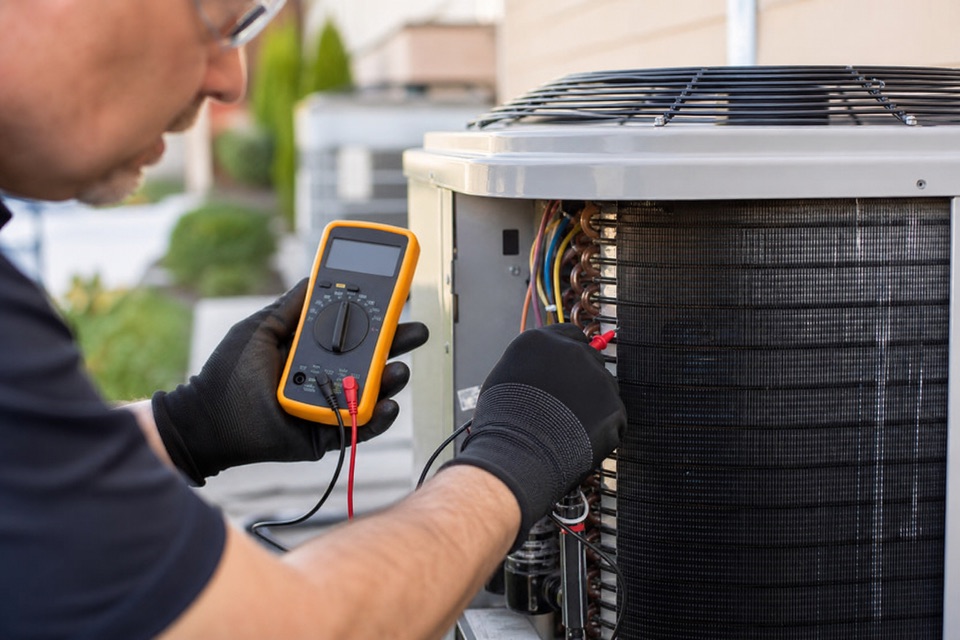
A professional gas furnace test is far more comprehensive than simply turning up the thermostat to see if hot air comes out of the vents. It involves a rigorous, step-by-step verification process that ensures every safety mechanism, ignition protocol, and airflow dynamic is functioning exactly as the manufacturer intended. This level of detailed verification requires licensed professional tools, electrical meters, and specialized expertise.
When dealing with older units, this inspection is particularly vital for establishing a baseline. For example, our team recently evaluated a 20-plus-year-old furnace that had absolutely no prior service records. By performing a meticulous verification sequence and a deep cleaning, our technician confirmed the aging furnace was still operating safely, establishing a clear baseline of health and verifying the unit was working well despite its age.
The Professional Verification Checklist
During the late August back-to-school transition, a licensed technician will typically perform the following critical checks:
- Ignition Sequence Verification: Ensuring the ignitor glows to the correct temperature and the gas valve opens at the precise millisecond required for safe combustion.
- Flame Sensor Cleaning: Removing microscopic carbon buildup from the flame sensor so the system doesn't falsely read a flame-out and shut down.
- Static Pressure Testing: Measuring the airflow resistance within the ductwork to ensure the blower motor is not being overworked, which prevents the heat exchanger from overheating.
- Combustion Analysis: Using specialized digital tools to measure the exact ratio of oxygen to fuel, ensuring the furnace is burning gas efficiently and safely.
- Safety Limit Testing: Intentionally triggering high-limit switches to verify that the furnace will automatically shut down if it begins to overheat.
Homeowners should never attempt these diagnostic steps themselves, as incorrect handling of gas valves or electrical components can result in severe safety hazards or voided manufacturer warranties.
Secure Your Comfort Before the Seasonal Rush
The logic behind testing your gas furnace in late summer is undeniable. By acting before the weather turns, you completely bypass the frustration of HVAC scheduling bottlenecks and the anxiety of peak-season supply chain delays. You give yourself the gift of time—time to secure off-peak appointments, time to source necessary replacement parts, and time to make informed decisions about the health of your heating system.
As the weather remains mild in Auburn and the broader Western Washington area, now is the moment to take control of your winter comfort. Don't wait until the first freeze leaves your home shivering and your family waiting in an emergency queue. Consult with our local experts today to schedule a comprehensive system check, ensuring your furnace is clean, safe, and fully prepared for the cold months ahead.
Frequently Asked Questions
When is the best time to schedule furnace maintenance in Washington?
The most strategic time to schedule furnace maintenance is in late summer, specifically late August through early September. During this window, HVAC companies have flexible schedules before the rush of emergency heating calls begins. Booking early also ensures that if any parts are needed, they can be ordered and installed long before the first freeze hits.
Why should I test my heater before winter arrives?
Testing your heater early allows you to identify and fix dormant-season issues without the stress of a freezing home. Furnaces that sit idle for months can develop dust buildup, sensor issues, or minor faults that cause them to fail on their first startup. Proactive testing ensures your system is safe, efficient, and ready to perform when the cold weather actually arrives.
When should I test my furnace before winter?
You should ideally test your furnace at least a month before you anticipate needing consistent heat. For Washington residents, this means turning the system on for a brief test run in late August or early September. This provides a comfortable buffer to schedule professional repairs if the system fails to ignite or produces strange noises.
How often should a gas furnace be serviced?
A gas furnace requires professional servicing at least once a year, ideally in the late summer or early fall. Annual maintenance is critical for verifying the integrity of the heat exchanger, cleaning the flame sensors, and ensuring all safety limit switches are fully operational. Skipping annual service can lead to decreased efficiency, higher utility bills, and potential safety hazards.
What temperature should I set my thermostat to test the heat?
To perform a brief functional test, set your thermostat about three to five degrees higher than the current indoor room temperature. This will force the system to call for heat and initiate the ignition sequence. Let the furnace run for about 10 to 15 minutes to verify that warm air is blowing consistently from the vents, then return the thermostat to your normal settings.
How do supply chain delays affect furnace repairs?
During the peak winter season, the high volume of furnace failures nationwide causes severe backorders for critical replacement parts like control boards and blower motors. A repair that might take two days in September could take two to three weeks in December. Testing your system early helps you identify needed parts before the national supply chain becomes overwhelmed.
Can a cracked heat exchanger go unnoticed without a professional test?
Yes, a cracked heat exchanger is nearly impossible for a homeowner to detect visually because the fractures are often microscopic and hidden deep within the unit. However, these tiny cracks expand as the metal heats up, allowing dangerous carbon monoxide to leak into your home's airflow. Only a licensed professional using specialized combustion analyzers and inspection cameras can accurately detect this severe safety hazard.
Related Articles
Ready to Get Started?
Whether you need a repair, maintenance, or a new installation, our expert team is here to help.