
Why Does My Heat Pump Blow Cool Air When It's Freezing Outside?
Trust Allred
Feeling a sudden blast of cool air from your vents during the first fall freeze can be alarming. We explain the normal defrost cycle and how to spot a true mechanical failure.
Is It Normal for a Heat Pump to Blow Cold Air in Freezing Weather?
Why does my heat pump blow cool air when it's freezing outside? You wake up to a freezing morning during an early fall first-freeze, check your vents, and feel an unwelcome blast of cool air instead of the cozy heat you expect. Here at Allred Heating Cooling Electric, our phones ring off the hook every September and October when Auburn homeowners experience their first cold snap. It is incredibly common to feel an immediate sense of panic, assuming your heating system has completely broken down right when you need it the most. Before you stress, here is some immediate reassurance from our experienced technicians: in most cases, this is a completely normal, temporary function designed to protect your outdoor unit from severe ice damage. The real trick for any homeowner is knowing the difference between a temporary cycle and a genuine mechanical failure. If you are looking for more information on how air conditioning and heat pump systems operate, we can help.
The Initial Panic vs. Operational Reality
To understand why this happens, it helps to understand how a heat pump differs from a traditional gas furnace. A gas furnace is straightforward: it burns fuel to create heat, so it is either blowing hot air or it is off. A heat pump, however, is a dynamic system that moves heat from one place to another. Even when it is freezing outside, there is still ambient heat energy in the air. Your heat pump extracts that heat and pumps it into your home.
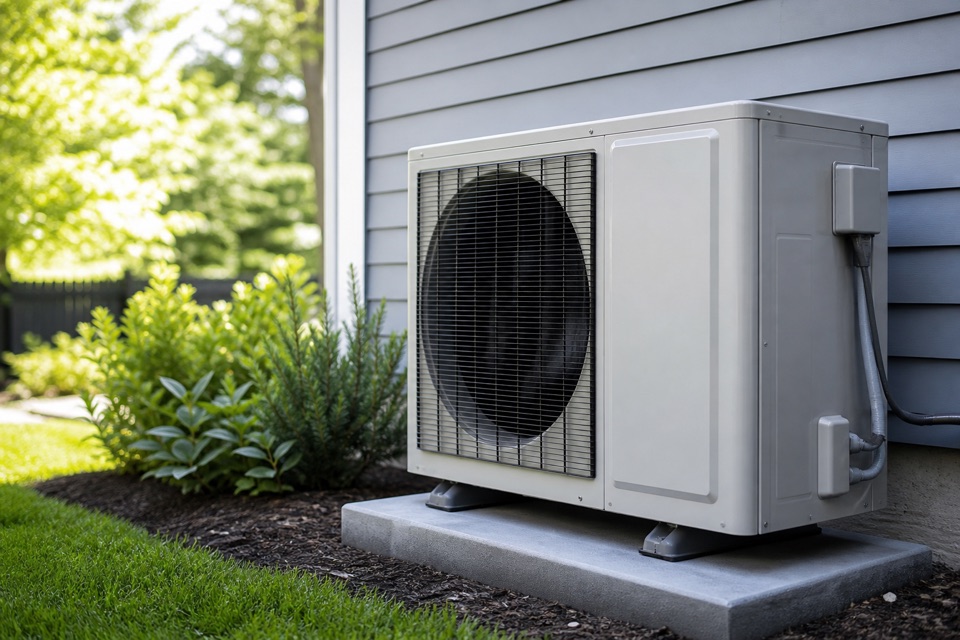
Because the outdoor coil is absorbing heat, it gets extremely cold. When the outdoor temperature drops near freezing, any moisture in the air condenses and freezes on the unit's metal coils. If that ice is allowed to build up, it will eventually choke the system, preventing it from absorbing any heat at all. To prevent this, the heat pump has to manage its own outdoor equipment while simultaneously trying to keep you warm inside. This balancing act is what causes the temporary blast of cool air that startles so many homeowners.
The Short Answer: Your System is in Defrost Mode
The short answer is that your system is in defrost mode. When frost builds up on the outdoor unit, the heat pump temporarily reverses its operation to melt the ice, which briefly pulls warm air from inside your home and pushes cool air out of your vents.
How the Defrost Cycle Actually Works
During a normal heating cycle, the system takes heat from outside and brings it inside. When the system's sensors detect a layer of frost on the outdoor coils—often during an unexpected temperature drop like an early fall first-freeze—the control board triggers the reversing valve. For a few minutes, the heat pump switches back into air conditioning mode. It takes the warm air from inside your house and sends it to the outdoor unit to melt the accumulated ice quickly.
Because the system is technically running in air conditioning mode during this brief window, the air coming out of your indoor vents will feel cool. As our team frequently reminds customers during our fall-prep tune-ups, it is an intentional, protective mechanism, not a sign that your compressor is failing.
The Role of Auxiliary Heat
Obviously, blowing cold air into a house during a freezing morning is not ideal for your comfort. That is why most modern heat pump systems are equipped with auxiliary or backup heating strips. When the defrost cycle begins, these backup electric heat strips are supposed to engage automatically. They warm up the air before it reaches your vents, neutralizing the cold draft so your indoor temperature does not plummet.
However, if these backup strips are malfunctioning, you will feel the full chill of the air conditioning cycle. If the backup heat fails to engage during these cycles, you might need a professional heat pump repair service to inspect and test the auxiliary heating elements.
Why Damp Pacific Northwest Weather Triggers the Defrost Cycle
Damp Pacific Northwest weather triggers the defrost cycle frequently because high humidity combined with near-freezing temperatures causes frost to accumulate rapidly on outdoor coils. In our years of servicing systems across Auburn WA and the Puget Sound region, we have seen first-hand how local homeowners experience this much more often than people living in other parts of the country.
The Perfect Storm for Heat Pump Frost
Frost formation on an outdoor heat pump coil depends on two main factors: the ambient air temperature and the amount of moisture (humidity) in the air. The absolute worst conditions for a heat pump are temperatures hovering right around 32 to 40 degrees Fahrenheit combined with heavy atmospheric moisture. In these conditions, the outdoor coil drops below freezing, and the heavy moisture in the air instantly turns to frost on contact.
Auburn's damp, near-freezing early fall mornings create this exact perfect storm. Your heat pump's coils will frost over much faster and more frequently here than they would in a dry-cold climate. Reassure yourself that frequent defrosting in this specific regional weather pattern is expected and entirely normal.
Comparing Climate Impacts on Heat Pumps
| Climate Type | Typical Humidity Level | Frost Accumulation Rate | Defrost Cycle Frequency |
|---|---|---|---|
| Auburn WA & Puget Sound | High (70-90%) | Rapid (heavy moisture freezes instantly) | High (often multiple times per day) |
| Arid / Dry Cold Regions | Low (20-40%) | Slow (very little moisture in the air) | Low (infrequent cycles) |
Decoding the Defrost Cycle: What Else to Expect
Beyond the cool air from your vents, a normal defrost cycle includes a loud "whoosh" sound, a temporary pause in the outdoor fan, and visible steam rising from the outdoor unit as the ice melts. Knowing these signs can save you a lot of unnecessary worry.
Visual and Auditory Cues of a Healthy System
When the defrost cycle initiates, it is not exactly subtle. The system undergoes several dramatic changes very quickly. Our technicians always tell homeowners to look and listen for these specific cues to confirm their system is just doing its job:
- The "Whoosh" Sound: As the reversing valve shifts the flow of refrigerant from heating to cooling, you will likely hear a distinct, loud whooshing or hissing noise. This is completely normal and is just the pressure equalizing in the lines. If you are concerned about weird noises during the defrost cycle, this specific sound is one you can safely ignore.
- The Paused Fan: You may notice that the outdoor fan completely stops spinning, even though you can still hear the compressor humming or buzzing. The fan stops so the outdoor unit can retain the heat it is pulling from your house, allowing the ice to melt faster.
- Steam, Not Smoke: As the hot refrigerant rapidly melts the ice on the cold coils, a plume of white vapor will rise from the top of the outdoor unit. Many homeowners mistake this for smoke and panic, assuming the unit is on fire. It is just steam, and it means the cycle is working perfectly.
These dramatic signs are standard operating procedures. Once the ice is melted, the system will shift back, and the normal heating routine will resume.
The 15-Minute Rule: When to Wait and When to Call a Professional
A normal defrost cycle should only last between 5 and 15 minutes, so always check your watch before assuming your system is broken and rushing to the phone. Establishing a clear time boundary is a trick our team shares to help manage your peace of mind during a cold snap.
Applying the 15-Minute Rule
When you first feel cool air coming from your vents on a freezing morning, note the time. Do not immediately adjust the thermostat or turn the system off, as this can interrupt the cycle and leave your outdoor coils frozen solid. Just wait it out. The system has an internal sensor that monitors the temperature of the outdoor coil. Once that coil reaches a specific temperature—usually around 57 degrees Fahrenheit—the control board knows the ice is gone.
At that exact moment, the reversing valve will shift back (often with another whoosh sound), the outdoor fan will kick back on, and warm air will return to your indoor vents. If the cycle finishes within that 5 to 15-minute window, your system is perfectly healthy.
The Allred Way: Transparent Troubleshooting
At Allred Heating Cooling Electric, we believe in transparent troubleshooting that saves our customers from a panic-induced service call fee. Building trust before you actually need a repair is a core part of how we operate in Auburn. If you call us five minutes into a defrost cycle, our dispatchers will always advise you to wait another ten minutes. However, if your system blows cold air for 30 minutes or more, the cycle has officially failed, and it is time to take action.

Red Flags: Signs Your Heat Pump Has a Mechanical Failure
If your heat pump is encased in a solid block of ice, rapidly cycling on and off, or blowing cold air for more than 30 minutes, you likely have a mechanical failure that requires professional attention. While the defrost cycle is normal, our repair crews regularly see distinct symptoms that point to a genuine breakdown.
When It Is Time to Call for Help
If the 15-minute rule has passed and your home is still getting colder, you need to look for specific red flags. Do not attempt to open the unit or diagnose electrical components yourself, as these systems operate under high voltage and high pressure. Look for these clear indicators that you need emergency repair services in Auburn:
- The Ice Block: A light layer of frost is normal. If the entire outdoor unit looks like a solid glacier or an igloo and the ice never melts, the defrost control board or sensors have failed.
- Total Auxiliary Heat Failure: If the indoor temperature drops significantly during the defrost cycle and never recovers, your backup heating strips are likely burned out or disconnected.
- Rapid Short-Cycling: If the system turns on, runs for two minutes, and immediately shuts off, only to repeat the process endlessly without producing warm air, it is trapped in a safety lockout.
- Extended Cold Air: As mentioned, any cold air blowing for over 30 minutes means the reversing valve may be physically stuck in the air conditioning position.
These symptoms often point to low refrigerant levels, faulty reversing valves, or bad thermistors—all of which require a licensed technician with the right diagnostic tools to resolve safely.
Preventing Winter Surprises with Routine Maintenance
Routine maintenance prevents winter surprises by ensuring your heat pump's defrost sensors, reversing valves, and refrigerant levels are perfectly calibrated before the heavy freezing weather sets in. Transitioning from reactive troubleshooting to proactive care is the best way to minimize future anxiety, especially as we head into the heating season.
The Value of Proactive Care
A heat pump works incredibly hard year-round. Keeping the coils clean and the refrigerant levels precise helps the system operate efficiently and significantly reduces the frequency of extreme icing. When an Allred technician performs seasonal heat pump maintenance, they specifically test the defrost sensors and cycle the reversing valve to ensure everything is ready for the heavy winter freeze. They also verify that your auxiliary heat engages seamlessly, keeping your home comfortable even when the defrost cycle is running.
Building a relationship with a trusted local technician pays off over the lifespan of your equipment. For example, one local homeowner experienced multiple frustrating issues with their heat pump over a three-year period. By sticking with a consistent service plan, our technicians were able to provide targeted repairs and ongoing maintenance, keeping the system running reliably and earning their long-term trust. Consistent care catches small sensor issues before they turn into a freezing house on a Sunday morning. Plus, upgrading to a more efficient system or getting a thorough tune-up may qualify you for federal tax credits or utility incentive programs—we always recommend checking with your local utility or tax professional to see what generic programs apply.
If you are tired of wondering whether your system is going to make it through the next cold snap, schedule your pre-heating-season tune-up before the severe weather hits. Having a professional verify your defrost controls gives you the clear reassurance you need to stay comfortable all season long.
Frequently Asked Questions
How long does a heat pump defrost cycle last?
A normal heat pump defrost cycle typically lasts between 5 and 15 minutes. In our experience, the exact duration depends on how much ice has accumulated on the outdoor coil and the current outdoor temperature. Once the internal sensors detect that the coil has reached a warm enough temperature (usually around 57 degrees), the cycle will end and normal heating will resume. If it lasts longer than 30 minutes, there is likely a mechanical issue.
Why is my heat pump blowing cold air on heat mode?
Your heat pump is blowing cold air on heat mode because it has temporarily reversed into air conditioning mode to melt ice off the outdoor unit. This is known as the defrost cycle, and it is a necessary protective function. During this time, the system pulls warm air from your house to thaw the exterior coils. Once the ice is gone, the system will automatically switch back to blowing warm air.
Is it normal for a heat pump to blow cool air?
Yes, it is entirely normal for a heat pump to blow cool air for brief periods during freezing weather. This happens during the automated defrost cycle to prevent the outdoor equipment from being crushed by solid ice. However, your backup auxiliary heat should engage to take the chill out of the air. If the air remains cold for more than 15 minutes, you may have a malfunctioning reversing valve or broken backup heat strips.
At what temperature does a heat pump freeze up?
A heat pump is most likely to freeze up when outdoor temperatures are between 32 and 40 degrees Fahrenheit, especially if the humidity is high. In these conditions, the heavy moisture in the air condenses on the cold outdoor coils and freezes almost instantly. While they can still freeze at lower temperatures, the damp, near-freezing conditions common in early fall create the fastest frost accumulation.
Does steam coming from my heat pump mean it is on fire?
No, steam coming from your heat pump does not mean it is on fire. This is a very common misconception during the winter months. The visible white cloud is simply water vapor created when the hot refrigerant rapidly melts the frost off the cold outdoor coils during the defrost cycle. It is a sign that your system is functioning exactly as it was designed to.
How do I know if my heat pump is broken or just defrosting?
You can tell if your heat pump is just defrosting by applying the 15-minute rule and listening for standard operational sounds. If the cycle finishes within 15 minutes, you hear a "whoosh" sound, and you see steam rising from the unit, it is just defrosting. If the unit remains encased in a solid block of ice, rapidly turns on and off, or blows cold air for over 30 minutes, the system is broken and needs professional repair.
Ready to Get Started?
Whether you need a repair, maintenance, or a new installation, our expert team is here to help.