How We Safely Trace Electrical Shorts Behind Finished Walls
Trust Allred
A dead circuit doesn't mean tearing open your ceiling. See the non-invasive diagnostic tools professional electricians use to pinpoint hidden wiring faults without messy drywall repairs.
The Homeowner's Nightmare: Finding a Short Without Wrecking the Living Room
The lights in your living room flicker, dim, and suddenly go completely dark, leaving you wondering how we safely trace electrical shorts behind finished walls without turning your home into a construction zone. A dead circuit is frustrating enough on its own, but for most homeowners, the real dread comes from the assumption that finding the broken wire means taking a drywall saw to the ceiling. You picture the dust, the mess, and the expensive process of hiring a contractor to patch, texture, and repaint your walls once the electrical repair is finally done.
Because reliable power is the foundation of your home's comfort, maintaining intact wiring is especially critical for heavy-draw appliances like air conditioning systems.
At Allred Heating Cooling Electric, our commitment to non-destructive, advanced diagnostic technology means we approach electrical mysteries differently. In our years serving homeowners throughout Auburn, we have seen firsthand the stress that electrical issues cause. We know that guessing where a wire is broken is an outdated, messy approach. Instead, our professional electricians rely on specialized tools that allow us to "see" through your walls. This non-invasive methodology is especially vital during the early fall transition when indoor lighting and heating usage increases, putting sudden stress on dormant circuits and exposing hidden faults that may have developed over the summer.
The Hidden Costs of the "Cut and Guess" Method
In the past, tracing a short circuit often involved making multiple exploratory holes in the drywall along the suspected path of the wire. This old-school method created several secondary problems for homeowners:
- Unnecessary property damage: Cutting into walls compromises the aesthetic and structural integrity of your finished rooms.
- Secondary repair expenses: The cost of hiring a drywall specialist and painter often exceeded the cost of the actual electrical repair.
- Extended disruption: A simple wire repair turned into a multi-day project involving dust mitigation, mudding, taping, and waiting for paint to dry.
- Safety hazards: Blindly cutting into walls increases the risk of accidentally slicing through plumbing pipes or other intact electrical lines.
By utilizing advanced diagnostic tools, we eliminate the guesswork and keep your living room intact while pinpointing the exact location of the electrical fault.
Seeing the Unseen: How Circuit Tracers Map Hidden Wires
When a circuit goes dead, the physical break or short in the wire could be located anywhere between your main electrical panel and the affected outlet or fixture. Finding that exact spot requires mapping the unseen path of the wire. To do this without removing drywall, professionals use advanced electromagnetic circuit tracers. This is strictly a behind-the-scenes look at professional methodology; tracing live or shorted wires requires specialized training and should never be attempted as a DIY project.
A professional circuit tracer consists of two main components: a signal transmitter and a receiver wand. The electrician first ensures the circuit is completely isolated and safe to test. Then, the transmitter is connected to the dead line. This device injects a specific, traceable electromagnetic signal into the wire. Because the signal travels along the copper conductor, it creates a readable field that penetrates through several inches of drywall, wooden studs, and even concrete.
The Tracing Process in Action
Once the signal is actively pulsing through the hidden wire, the electrician uses the receiver wand to scan the surface of the wall. The wand detects the electromagnetic field, emitting an audible tone and visual display that grows stronger as the tool gets closer to the wire. By sweeping the wand across the drywall, the technician can draw an invisible map of exactly where the electrical run travels through your home.
| Diagnostic Approach | Methodology | Impact on Homeowner |
|---|---|---|
| Traditional "Cut and Guess" | Cutting exploratory holes along the suspected path of the wire. | High mess, requires drywall patching and repainting. |
| Basic Voltage Testing | Using non-contact pens at the outlet level only. | Cannot locate shorts deep inside the wall cavity. |
| Advanced Circuit Tracing | Injecting an electromagnetic signal and tracking it with a receiver wand. | Zero damage, pinpoints the fault down to the inch. |
The true power of the circuit tracer lies in finding the exact break. As the electrician follows the signal along the wall, the tone will suddenly drop off or disappear entirely. That precise drop-off point indicates exactly where the wire is broken or shorted. Instead of tearing down a whole section of drywall, the repair can be localized to one specific, manageable spot—or often resolved at a junction box that was hidden behind a fixture.

Detecting the Danger: Reading Heat Signatures Before Fires Start
While circuit tracers are incredible for finding severed wires, some electrical shorts are caused by failing, degraded, or loose connections that are still partially conducting electricity. These types of faults are particularly dangerous because they generate significant heat. To find these hidden hazards, our electricians at Allred Heating Cooling Electric utilize professional-grade thermal imaging cameras. We have found that this investment in advanced thermal technology is a core differentiator that saves our customers money, prevents secondary repair messes, and provides unparalleled peace of mind.
Thermal imaging cameras do not see visible light; instead, they detect infrared energy. Every object emits a certain amount of infrared radiation based on its temperature. When an electrician points a thermal camera at your wall, the screen displays a visual heat map of what is happening behind the drywall. Cool areas appear as dark blues or purples, while warmer areas show up as bright yellows, oranges, or reds.
The Physics of Electrical Resistance
To understand why thermal imaging is so effective, it helps to understand the physics of a failing electrical connection. When a wire becomes loose, corroded, or damaged, the electricity has a harder time flowing through that specific point. This difficulty is known as electrical resistance. Just like rubbing your hands together creates friction and heat, electrical resistance generates thermal energy.
If a wire nut is loose inside a hidden junction box, the resistance at that connection will cause the surrounding metal and plastic to heat up. Over time, this heat can melt wire insulation and scorch nearby wooden studs. By scanning the walls and electrical panels, a trained electrician can easily spot the thermal heat signature of a failing connection behind drywall long before it generates smoke or causes a visible burn mark on your paint. Finding these hotspots early is a critical safety measure that prevents structure fires and catastrophic system failures.
Why Intact Wall Wiring Matters for Heavy-Draw Appliances
It is easy to think of your home's electrical system as just the infrastructure that keeps your lamps and televisions running. However, modern HVAC equipment places a massive, continuous demand on your residential wiring. Air conditioners, heat pumps, and electric furnaces require a stable, robust flow of electricity to operate efficiently. When the hidden wiring in your walls is compromised by a short or a degraded connection, these heavy-draw appliances are often the first to suffer.
Here in Auburn, WA, our team frequently sees how the damp climate and fluctuating seasonal temperatures can take a toll on residential infrastructure. Moisture can accelerate oxidation on aging electrical connections, increasing resistance. When you combine those compromised connections with the heavy electrical loads required to cool or heat your home, the risk of a tripped breaker or a burned-out motor skyrockets. This is especially true during the early fall transition when indoor lighting and heating usage increases, forcing your electrical panel to balance the shifting seasonal loads.
Protecting Your HVAC Investment
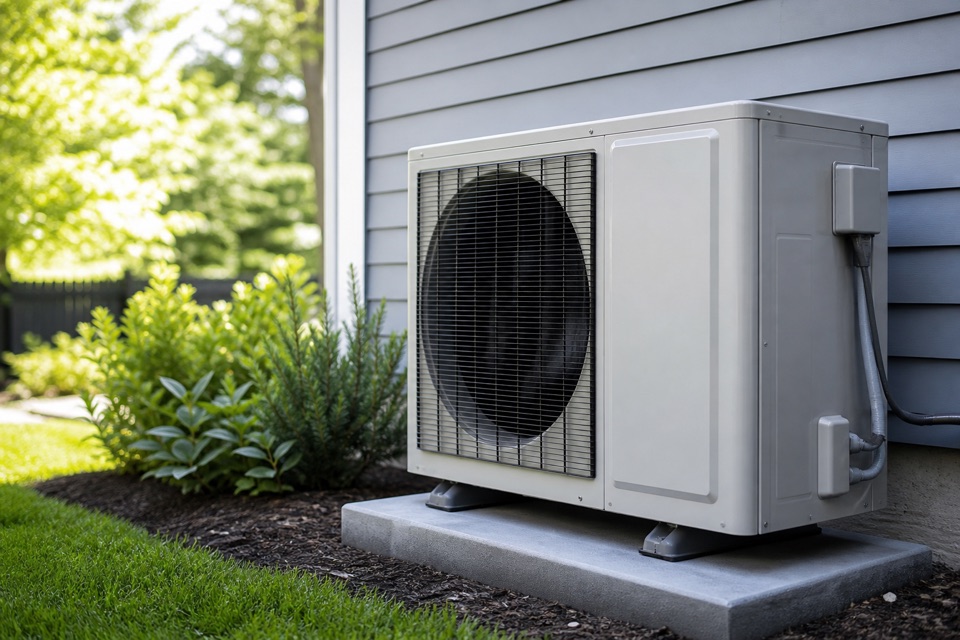
A hidden short doesn't just turn off the lights; it can cause voltage drops that force your HVAC compressor to work significantly harder, leading to premature wear and tear. If your air conditioner is frequently tripping the breaker, the problem might not be the AC unit itself—it could be a degrading wire hidden in the wall cavity between the panel and the equipment.
Proactive electrical diagnostics ensure that your home's infrastructure can safely support heavy, continuous loads. If you are experiencing power issues that seem tied to your heating or cooling system, it is highly recommended to have a professional evaluate both the hidden wiring and the appliance itself. Scheduling comprehensive AC inspection and testing alongside an electrical evaluation ensures that your entire home comfort system is operating safely and efficiently.
Precision Diagnostics in Action: Solving Complex Power Mysteries
The true value of non-destructive diagnostic tools becomes clear when complex power mysteries arise. Electrical systems are highly interconnected, and a symptom in one room can often trace back to a completely unexpected source. Without the right technology, these scenarios can lead to hours of frustration and unnecessary property damage.
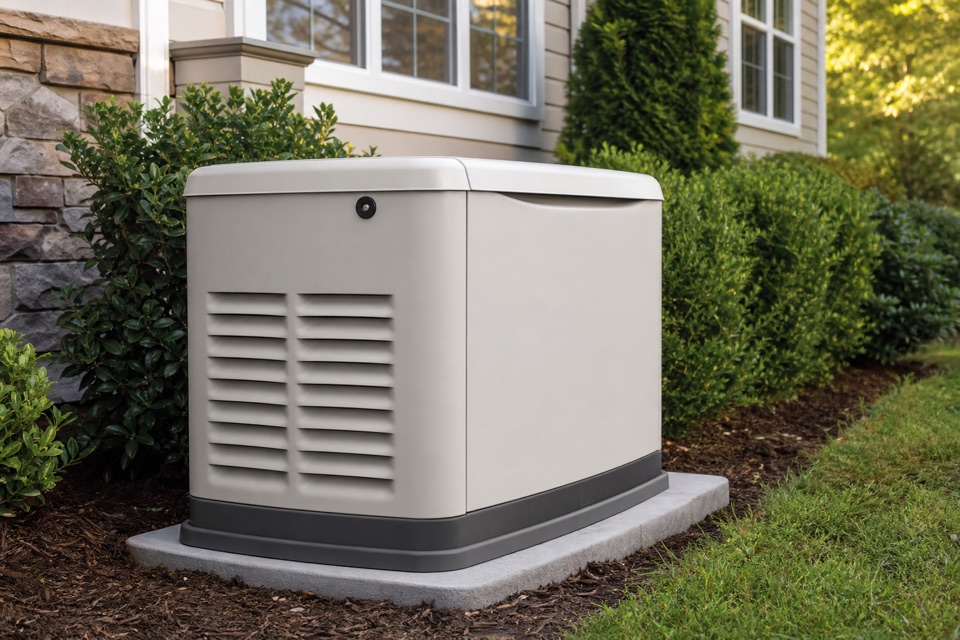
Consider a situation our technicians at Allred Heating Cooling Electric see frequently: partial power loss. Last spring, we helped an Auburn homeowner who experienced a sudden loss of power to most of their house. Strangely, only the living room lights remained functional, even after the homeowner repeatedly reset the main breakers. The house was equipped with a backup generator that had recently run its weekly automated cycle, adding a layer of complexity to the diagnosis.
Instead of immediately tearing into the living room walls to trace the few working circuits, our responding technician used advanced diagnostic procedures to evaluate the system holistically. By utilizing tools that detect voltage drops and thermal anomalies, the electrician traced the issue back to the source. The culprit was not a broken wire buried deep in a wall cavity, but rather a specific, loose connection at the generator interface that was causing only partial power restoration to the main panel.
Because the technician could accurately read the thermal heat signature of a failing connection behind drywall and at the panel, they were able to identify and tighten the loose wire quickly. Full power was restored to the house without a single hole being cut in the living room. This level of precision highlights the efficiency and cleanliness of modern electrical troubleshooting. Knowledgeable technicians rely on data and advanced tools to solve the root cause of the problem, ensuring customers never get the runaround.
Protecting Your Auburn Home from Hidden Electrical Risks
Ignoring the early warning signs of electrical issues is one of the most dangerous gambles a homeowner can take. While a flickering light might seem like a minor annoyance, it is often the visible symptom of a hidden, deteriorating connection. According to data from the National Fire Protection Association (NFPA), electrical distribution and lighting equipment consistently rank as leading causes of home structure fires. These fires rarely start in the open; they typically ignite silently inside wall cavities where resistance has been building up heat over time.
As we prepare for the early fall transition when indoor lighting and heating usage increases, our electricians strongly recommend being vigilant. We often see a spike in service calls as the days get shorter and the weather cools, and homeowners naturally begin turning on more lights and firing up heating appliances. This sudden increase in electrical demand can push a weakened, hidden connection past its breaking point.
Warning Signs You Should Never Ignore
Homeowners should be proactive about monitoring their electrical systems. If you notice any of the following symptoms, it is time to call a professional:
- Flickering or dimming lights: Especially when a heavy appliance (like a vacuum or AC unit) turns on.
- Burning smells: An acrid, fishy, or metallic odor near outlets or walls is a major red flag for melting wire insulation.
- Warm switch plates: Outlets and light switches should never feel hot to the touch.
- Frequently tripped breakers: A breaker that constantly trips is doing its job to protect you from an overloaded or shorted circuit.
- Buzzing sounds: Audible humming or crackling from inside a wall indicates electrical arcing.
It is vital to reiterate that DIY wire tracing is incredibly dangerous. Inexpensive, non-contact voltage testers from the hardware store cannot accurately map circuits through drywall, nor can they read the thermal signatures of failing connections. Attempting to fix hidden wiring without the proper training and tools puts your home at severe risk of fire or electrocution. Establishing a relationship with a trusted local professional for comprehensive electrical services is the best way to protect your property and your family.
Frequently Asked Questions About Non-Destructive Wire Tracing
How do you find a short in a wall without removing drywall?
Professionals use electromagnetic circuit tracers and thermal imaging cameras to locate faults non-invasively. By injecting a traceable signal into the dead wire, an electrician can follow the path with a receiver wand right over the paint. When the signal drops out, the exact location of the short is identified without making a single exploratory cut.
Can a short circuit cause a fire inside a wall?
Yes, electrical resistance generates heat, which can ignite surrounding building materials if left undetected. When a wire is damaged or a connection is loose, the electricity struggles to flow, creating friction-like heat. Over time, this thermal energy can melt the wire's protective insulation and set fire to wooden wall studs or dry insulation.
How do electricians trace wires in walls?
By injecting a specific electromagnetic signal into the dead circuit and following it with a receiver wand, electricians can find the exact break point. The receiver wand picks up the signal through inches of drywall, wood, and concrete, allowing the technician to draw an invisible map of the wiring layout. This ensures that any necessary repair access is localized and minimal.
Will tracing a short require turning off power to the whole house?
Not necessarily; professionals can isolate specific circuits, though whole-house safety checks are often recommended. Depending on the location of the fault and the layout of your electrical panel, the technician may only need to shut down the affected zone. However, turning off the main breaker is sometimes the safest protocol when dealing with complex, interconnected wiring issues.
How long does it take to find a broken wire in a wall?
With advanced diagnostic tools, faults can often be pinpointed in a fraction of the time it takes using manual methods. While the old "cut and guess" approach could take hours or even days of exploratory demolition, a skilled electrician using a circuit tracer and thermal camera can frequently locate the exact source of the short within the first hour of the diagnostic visit.
Secure Your Home's Electrical System with Advanced Diagnostics
Dealing with a sudden electrical short doesn't have to mean sacrificing your finished walls or bracing for a massive drywall reconstruction project. By relying on non-destructive diagnostic tools like electromagnetic circuit tracers and thermal imaging, professional electricians can pinpoint hidden faults down to the inch. This advanced approach provides incredible peace of mind, ensuring that the repair is clean, efficient, and localized.
Addressing electrical faults early is the best way to protect your home from fire hazards and ensure your heavy appliances operate safely, especially during the early fall transition when indoor lighting and heating usage increases. If you are experiencing tripped breakers, flickering lights, or dead circuits, don't wait for the problem to escalate. Reach out for professional AC repair service and comprehensive electrical troubleshooting to secure your home's infrastructure today.
Ready to Get Started?
Whether you need a repair, maintenance, or a new installation, our expert team is here to help.