Preparing Your Standby Generator Before the First Washington Fall Windstorm
Trust Allred
Summer heat and inactivity silently degrade backup power systems. Proactive late-August load testing exposes hidden battery flaws before severe autumn outages hit.
The Late Summer Countdown: Why August is Critical for Generator Prep
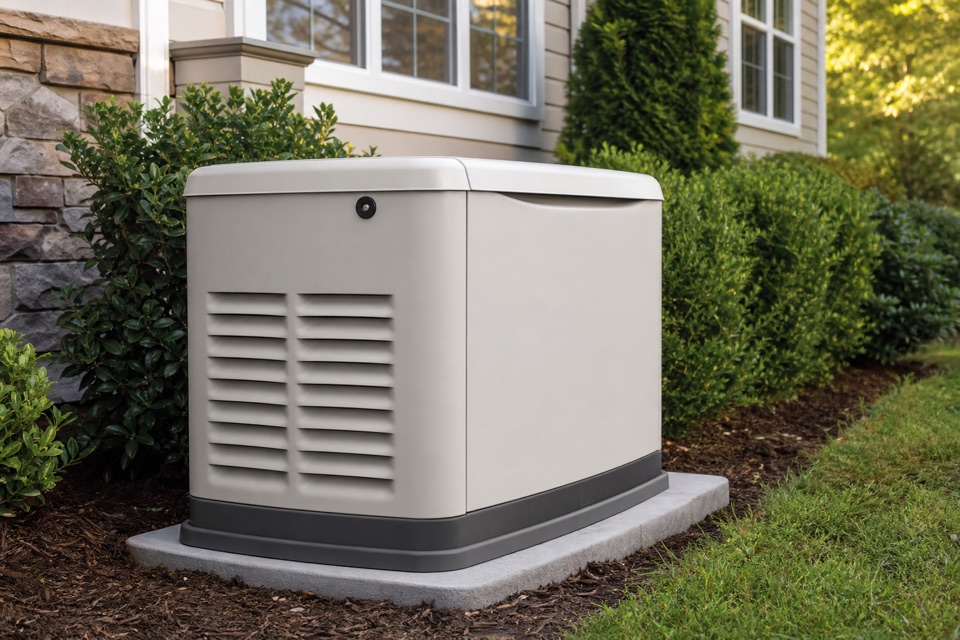
Late August in the Pacific Northwest means the long, dry days are numbered, making Preparing Your Standby Generator Before the First Washington Fall Windstorm the most critical task on your end-of-summer checklist. Here at Allred Heating Cooling Electric, as we help Auburn families transition into the back-to-school season, we see this critical window closing fast. Right now, the weather is calm, but this seasonal transition is exactly when the region shifts from warm, dry summer heat to sudden, severe autumn windstorms. During these long summer months, your standby generator has likely been sitting idle. While you have been focused on keeping the house cool, your backup power system has been subjected to high temperatures and inactivity—a combination that our technicians often see allowing hidden mechanical and electrical faults to develop unnoticed.
The fundamental problem most homeowners face is a false sense of security. Because the generator casing looks fine and the system hasn't been needed since last winter, it is easy to assume it is ready for action. However, the decision point arrives in late August: you can either proactively verify your system's readiness now, or wait until the power grid experiences its first major autumn failure to find out if your backup power will actually turn on. Acting before the pre-fall windstorm season begins ensures you aren't left in the dark. For comprehensive protection, exploring standby generator installation services and professional maintenance is the most reliable way to secure your home's power.
| System Status | Summer Idle State | Autumn Storm Demand |
|---|---|---|
| Battery Health | Sitting dormant, subject to heat degradation and fluid evaporation. | Requires maximum cold-cranking amps to turn over a cold engine instantly. |
| Fuel Lines | Unused, potentially accumulating condensation or stale fuel. | Must deliver consistent, uninterrupted flow under heavy load. |
| Alternator | Unstressed, only spinning during low-impact weekly exercises. | Forced to handle the sudden surge of your home's HVAC, fridge, and lights. |
Relying on assumptions leaves your home vulnerable. A professional assessment by our team in late summer bridges the gap between hoping your system works and knowing it is fully prepared to handle the intense electrical demands of a Pacific Northwest storm.
The Silent Threat to Your System: Summer Heat and Battery Degradation
Most homeowners are surprised to learn that cold winter weather isn't the only enemy of a generator battery. In fact, our service technicians frequently find that summer weather is the silent killer. Standby generator batteries typically last three to five years, but in our experience across the Auburn area, their lifespan degrades much faster when subjected to the fluctuating temperatures of a warm summer. When a battery sits idle in the heat, the internal chemistry begins to change without any visible warning signs on the outside of the casing.
The danger here is that a battery may appear perfectly fine during a visual inspection. The status light on the generator might even glow green, indicating that the battery has a surface charge. However, a surface charge is completely different from the sustained cold-cranking amps required to start a heavy generator engine under load. When that late August or pre-fall windstorm hits and the utility power drops, a heat-degraded battery simply won't have the internal power to turn the engine over, leaving you stranded in the dark.
How Temperature Swings Impact Battery Lifespan
The science behind this degradation comes down to electrolyte evaporation and sulfation. During warm Washington summers, the heat causes the liquid electrolyte inside standard lead-acid batteries to slowly evaporate. As the fluid level drops, the lead plates inside the battery are exposed to the air. This exposure accelerates a process called sulfation, where lead sulfate crystals harden on the plates, permanently reducing the battery's ability to hold and deliver a deep charge.
- Electrolyte loss: High ambient temperatures speed up the chemical reactions inside the battery, leading to faster water loss and internal corrosion.
- Hidden sulfation: Hardened crystals on the battery plates prevent the battery from delivering the sudden burst of energy needed to start the generator.
- Age vulnerability: Older batteries (those entering their third or fourth year) are exceptionally vulnerable as September approaches, having endured multiple seasons of temperature swings.
Discovering a dead battery during a widespread windstorm outage is entirely preventable. By scheduling professional late summer checks, our technicians can use specialized load-testers on the battery itself to measure its true cranking capacity, not just its resting voltage, ensuring it has the strength to perform when the grid goes down.
Why the Weekly Automatic Exercise Cycle Isn't Enough
One of the most common misconceptions our team encounters regarding standby generators is the belief that if the system runs its weekly exercise cycle, it is fully prepared for an actual power outage. It is incredibly reassuring to hear your generator fire up on a Tuesday afternoon for ten minutes, but this automatic test provides a very limited picture of your system's overall health.
The automatic weekly exercise cycle is designed to perform basic engine maintenance. When the generator turns on for this brief period, it circulates lubricating oil through the engine block, prevents seals from drying out, and runs rudimentary diagnostic checks on the control panel. It ensures the engine can physically start and run under ideal, zero-stress conditions.
The critical blind spot: What the weekly exercise cycle does not do is apply a full electrical load to the alternator. During a standard weekly test, the generator is not actually powering your home. The transfer switch does not engage, and the alternator is not forced to push electricity to your heavy appliances, HVAC system, or lighting circuits.
| Component | Tested During Weekly Exercise? | Tested During Real Outage? |
|---|---|---|
| Engine Block | Yes (Low RPM, no load) | Yes (High RPM, heavy load) |
| Oil Circulation | Yes | Yes |
| Alternator | No (Spins freely) | Yes (Pushes full electrical current) |
| Transfer Switch | No (Stays connected to utility) | Yes (Disconnects utility, connects generator) |
Because the weekly test doesn't demand actual electrical generation, we often see systems run perfectly while idle but immediately bog down, trip a breaker, or shut off completely the moment the house demands power. Relying solely on the weekly exercise creates a false sense of security that leaves homeowners highly vulnerable during real grid failures. True readiness requires testing the entire system under realistic conditions.
The Necessity of Professional Load-Testing
To truly guarantee that your backup power system will perform when the grid fails, professional load-testing is an absolute necessity. When our Allred Heating Cooling Electric technicians perform load-testing, we go far beyond the weekly exercise cycle by simulating a real-world power outage to see exactly how the engine and alternator handle actual household electrical demand. This is a highly technical process that requires specialized knowledge to perform safely and accurately.
During a professional load test, our technician forces the generator to take on the full electrical weight of the home. This exposes hidden failures that idle tests completely miss. For instance, an engine might sound fine when running empty, but under load, it might suffer from severe voltage drops or frequency instability. If the electrical frequency wavers, sensitive electronics in your home—like computers, smart appliances, and televisions—can be damaged or fail to operate. A professional load test ensures the system produces clean, stable power under stress.
Verifying the Automatic Transfer Switch (ATS)
The Automatic Transfer Switch (ATS) is the critical bridge between the utility grid, your home's electrical panel, and the generator. When utility power drops, the ATS must sense the outage, disconnect your home from the dead grid to prevent backfeeding dangerous electricity to utility workers, and then route the generator's power into your home.
Why this requires a licensed professional: Manipulating the transfer switch and live electrical panels is incredibly dangerous and should never be attempted as a DIY project. The sensors, contactors, and switching mechanisms inside the ATS must be verified by licensed electricians before storm season begins. As licensed electrical contractors serving Auburn and the surrounding communities, our team at Allred Heating Cooling Electric brings comprehensive firsthand expertise to this process, ensuring that the electrical handoff is seamless and safe. If you need peace of mind regarding your home's complex wiring and transfer systems, relying on professional electrical services is the only way to guarantee your family's safety and your system's reliability.

Fuel Systems and Fluid Readiness for Autumn
While the electrical components of your standby generator require highly specialized testing, the mechanical and environmental readiness of the system is just as crucial. After months of standby mode during the summer, the fluids and fuel lines that keep the engine running must be thoroughly evaluated. Degraded fluids or compromised fuel delivery will stop a perfectly good engine from running, no matter how healthy the battery is.
Preparing the mechanical side of your generator involves a strict checklist of fluid and environmental verifications to ensure flawless operation when autumn storms arrive. When comparing portable and standby generators for winter prep, standby systems require specific attention to their permanent fuel lines and housing environments.
- Check oil levels and filter conditions: Engine oil can degrade or accumulate moisture even when the generator isn't running constantly. Verifying the oil level and ensuring the filter is clean is vital for protecting the engine block under heavy load.
- Verify natural gas connections: For systems hooked directly to a municipal natural gas line, the connections, regulators, and valves must be inspected for integrity. Our technicians will also check for any debris, insect nests, or blockages around the air intakes that accumulated over the summer.
- Stabilize liquid propane or diesel: If your system runs on an on-site tank of liquid propane or diesel, the fuel itself must be evaluated. Diesel is particularly prone to condensation buildup and microbial growth in warm weather, requiring professional fuel stabilization and water-separation checks.
- Clear yard debris and vegetation: Late summer is the time to cut back overgrown bushes, tall grass, and early falling leaves away from the generator housing. The engine requires massive amounts of unobstructed airflow to keep cool while generating electricity. A choked intake will cause the system to overheat and shut down during an outage.
Understanding Washington's Unique Windstorm Vulnerability
Living and working in Auburn WA, our team knows exactly why late August preparation is so critical: the specific climate realities of the Pacific Northwest. The Puget Sound area is not just prone to generic bad weather; it faces a very specific meteorological phenomenon in the autumn that puts immense strain on the local power grid. As summer ends, powerful regional pressure gradients begin to form off the coast, driving sudden and severe wind events inland.
The specific environmental risk in Auburn and the surrounding Puget Sound area comes from the combination of our local flora and our seasonal rainfall. Throughout the summer, the soil dries out. When early fall rains arrive, they quickly saturate the ground. Because the region is heavily populated with dense evergreen canopies—trees that keep their wind-catching needles all year long—the combination of top-heavy trees, saturated soils, and sudden wind gusts creates a perfect storm for uprooted trees and catastrophic damage to overhead power lines.
The local power grid is highly susceptible during this specific seasonal transition. Unlike mid-winter storms where the ground might be frozen and trees have lost their leaves (in other parts of the country), the Pacific Northwest autumn brings heavy, sail-like evergreens crashing down onto local distribution lines. Because these outages are often widespread, utility crews can take days to restore power to residential neighborhoods. Reinforcing your home's resilience through proactive late-summer generator readiness is the only reliable defense against these prolonged, region-specific outages.
Secure Your Power Before the First Storm Hits
The transition from summer to fall happens quickly in Washington, and summer inactivity remains the biggest silent threat to your standby generator's reliability. Batteries degrade in the heat, fluids settle, and automatic weekly tests simply cannot guarantee that your system will handle the heavy electrical load of a real power outage. Waiting until the wind starts howling to find out if your generator works is a gamble you don't need to take.
Now is the time to schedule your professional load-testing, transfer switch verification, and battery checks with our team at Allred Heating Cooling Electric while the weather is still calm and emergency schedules haven't yet filled up. Proactive maintenance is always safer, more thorough, and less stressful than an emergency repair in the dark. While you can always rely on our 24/7 emergency electricians in Auburn if a catastrophic failure occurs, preventative care ensures your lights stay on without interruption. Take action today, and make Preparing Your Standby Generator Before the First Washington Fall Windstorm your priority for a safe, comfortable autumn.
Frequently Asked Questions
Why does my standby generator need a professional load test?
A professional load test forces the generator to power your home's actual electrical circuits, simulating a real outage. This exposes hidden alternator issues, voltage drops, and frequency instability that standard weekly idle tests cannot detect. It ensures the system can handle the heavy demand of your HVAC and appliances without shutting down.
How does summer weather affect generator batteries?
Summer heat accelerates the chemical reactions inside lead-acid batteries, causing the internal electrolyte fluid to evaporate. This leads to sulfation on the battery plates, silently destroying the battery's ability to deliver the cold-cranking amps needed to start the generator engine, even if the battery appears fine visually.
When should I schedule generator maintenance in Washington?
Late August is the ideal critical window for scheduling maintenance in Washington. This timing allows technicians to repair any damage caused by summer heat and ensures your system is fully load-tested and ready before the severe autumn windstorms and heavy rains begin in October.
Should I run my generator before a storm?
While your generator runs a weekly automatic exercise cycle to lubricate the engine, you should not attempt to manually force a full-load test yourself by flipping breakers. Instead, have a licensed professional perform a comprehensive load test and system diagnostic well before the storm season arrives.
Why did my standby generator fail during a previous outage?
Generators typically fail during outages due to degraded batteries, clogged fuel lines, or a malfunctioning automatic transfer switch. If a system has only been running low-stress weekly exercise cycles without professional load-testing, these hidden faults only reveal themselves when the house demands full electrical power.
Can a homeowner safely test an automatic transfer switch?
No, a homeowner should never attempt to manually test or manipulate an automatic transfer switch. The ATS bridges the utility grid and your home's live electrical panel, making it incredibly dangerous to handle without proper training; it must be tested and verified by a licensed electrical contractor.
Ready to Get Started?
Whether you need a repair, maintenance, or a new installation, our expert team is here to help.