Portable Generators vs. Whole-Home Standby Systems for Winter Storm Prep in Kent
Trust Allred
Dragging out a portable generator in freezing rain is physically demanding. Weigh the manual effort against the automated safety of a whole-home standby system.
Facing the Reality of Winter Outages in the Pacific Northwest
Before the first major freeze hits the Puget Sound, weighing Portable Generators vs. Whole-Home Standby Systems for Winter Storm Prep in Kent is one of the most critical decisions you will make for your family's safety. Winter freezing rain storms in the Pacific Northwest are notorious for striking suddenly and bringing down utility lines. When the temperature drops and the power grid fails, the reality of keeping your home warm sets in immediately.
Many homeowners assume a basic backup power source is enough. However, the physical and logistical nightmare of deploying temporary power in the middle of a freezing rain storm often catches people off guard. When ice coats your driveway and heavy tree branches are snapping under the weight of the freeze, stepping outside to manage heavy equipment becomes physically demanding and genuinely dangerous. You have to decide whether the manual effort of a portable unit is worth the trade-off, or if the automated convenience of a whole-home standby system is the better fit for your property.
Regardless of which route you choose, proper setup is not a do-it-yourself project. Connecting backup power to your home's electrical panel requires precise, professional electrical services to ensure your family, your appliances, and the local utility workers remain completely safe.
The Logistical Challenges of Portable Generators
When the grid goes dark, a portable generator can absolutely provide the backup power you need to keep the lights on and the refrigerator running. However, the operational reality of using one during severe winter weather introduces a strict set of logistical challenges that you must be prepared to handle.
The underlying problem: Portable units are manual machines that require active, hands-on management. According to CDC guidelines, you must follow the 20-foot rule to prevent deadly carbon monoxide poisoning. This means you have to drag a heavy piece of equipment at least 20 feet away from your home, away from any open doors, windows, or vents.
The weather complication: In the middle of winter, this simple task becomes a hazard. Freezing temperatures severely complicate fueling and starting small engines. You are forced to perform manual pull-starts and handle highly flammable gasoline outdoors while exposed to high winds and freezing rain. If you rely on standard extension cords, you also have to leave a door or window cracked open to route the cables inside. This instantly lets freezing air into your home, defeats your insulation, and creates severe tripping hazards in the dark.
The permanent solution: Even if you opt for a portable unit for your Kent home, it still requires proper electrical integration to safely power hardwired appliances like your furnace. Having a professional install a dedicated connection point keeps the cables outside and prevents the need for emergency electrical repairs in Kent caused by overloaded indoor extension cords.
Safety Risks in Freezing Rain
Operating portable equipment in Pacific Northwest winter weather requires extreme caution. The primary risks include:
- Severe slip hazards: Moving a 150-pound piece of machinery across an icy, sloping driveway puts you at high risk for falls and injuries.
- Water exposure: Standard extension cords and temporary outdoor outlets are highly vulnerable to short-circuiting when exposed to continuous freezing rain.
- Fuel contamination: Trying to pour gasoline into a small tank during high winds and precipitation can introduce water into your fuel supply, stalling the engine when you need it most.
Why Transfer Switches Are Non-Negotiable for Safety
The most misunderstood aspect of backup power is how the electricity actually gets into your home's wiring. You cannot simply plug a generator into a wall outlet or wire it directly to your breaker box. Doing so is illegal, violates building codes, and causes a deadly phenomenon known as backfeeding.
Backfeeding happens when your generator sends electricity in reverse, out of your house, and back onto the public utility grid. This sends high-voltage currents through the very power lines that utility workers are actively trying to repair. To prevent this, a transfer switch is legally and functionally required. A transfer switch isolates your home from the public grid the moment backup power is engaged, ensuring electricity only flows to your designated household circuits.
Whether you choose a portable unit or a permanent standby system, planning your generator installation around the correct transfer switch is the most important safety measure you will take.
Manual vs. Automatic Transfer Switches
The type of system you choose dictates the type of switch you need:
- Manual Transfer Switches: Designed for portable units. When the power goes out, you must brave the elements, connect your machine to an outdoor inlet box, start the engine, and then manually flip the switch on your electrical panel to transfer the power load.
- Automatic Transfer Switches (ATS): Paired with whole-home standby systems. The ATS constantly monitors the utility voltage. When it detects an outage, it automatically isolates your home from the grid, signals the standby unit to start, and transfers the power load seamlessly—keeping your family safely indoors.
Whole-Home Standby Systems: Automated Protection
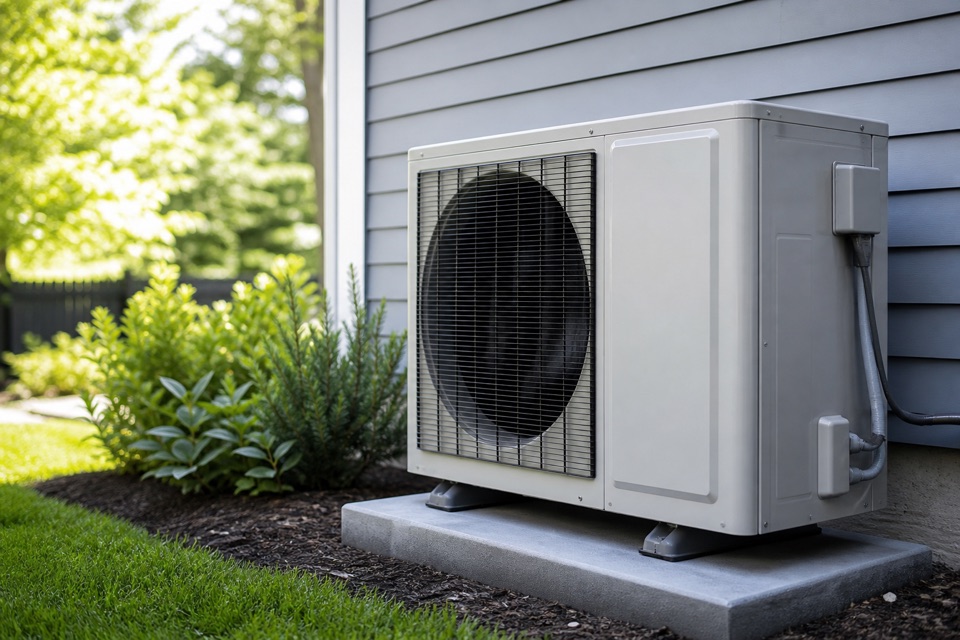
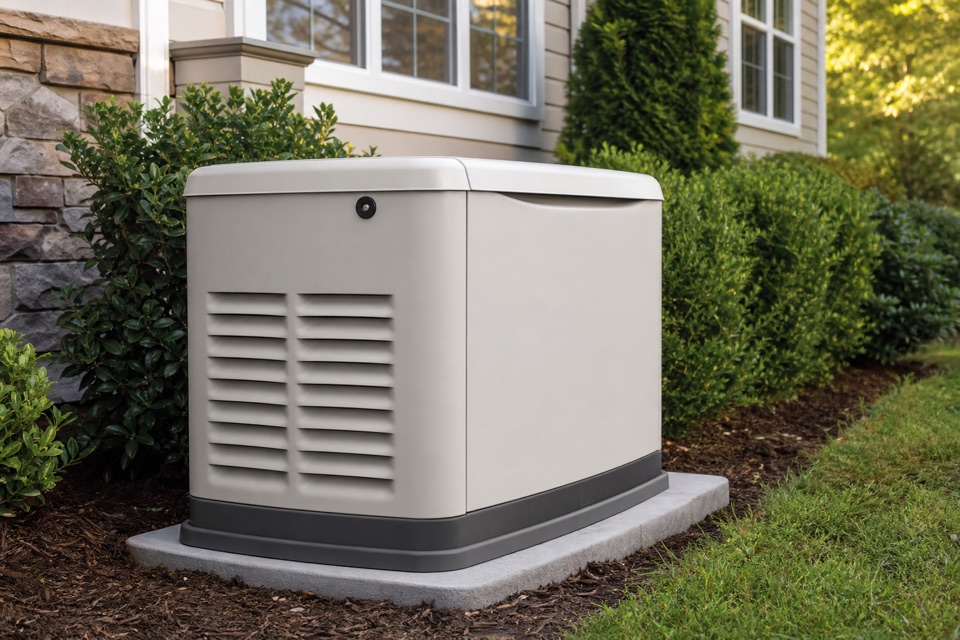
If you want to eliminate the physical burden of manual deployment, a whole-home standby system provides unparalleled peace of mind. These permanently installed units sit outside your home, much like an air conditioning compressor, and are hardwired directly into your electrical system.
The greatest advantage of a standby system is its completely hands-off nature. You do not have to step foot outside in the freezing rain, drag heavy equipment through the snow, or stockpile dangerous gallons of gasoline in your garage. Because these systems are connected directly to your home's existing natural gas or liquid propane supply, they have a continuous fuel source. They can run for days without you ever having to refuel them.
Furthermore, standby systems are built to handle massive electrical loads. While a portable unit might keep your fridge cold and a few lamps on, a properly sized standby system can power your entire home. This includes high-draw, critical appliances like your central heating furnace, well pumps, and electric water heaters. Keeping your home fully functional during an extended freeze is one of the top reasons to install a generator.
Professional integration by certified electricians ensures a safe, automated power switchover so homeowners never have to brave freezing weather to keep their families warm.
Side-by-Side Comparison: Portable vs. Standby Realities
To help you weigh your options for your Kent home, here is a breakdown of the operational realities of both systems during a severe winter storm.
| Operational Factor | Portable Generators | Whole-Home Standby Systems |
|---|---|---|
| Deployment Effort | Heavy manual labor; must be rolled out and set up during the outage. | Completely hands-free automation; activates automatically. |
| Weather Exposure | High risk; requires outdoor setup in freezing rain and wind. | Zero exposure required; you remain safely indoors. |
| Fuel Management | Requires constant manual refills and safe storage of liquid gasoline. | Continuous supply via municipal natural gas or dedicated propane tank. |
| Electrical Integration | Requires a manual transfer switch and physical cable connection. | Includes an automatic transfer switch (ATS) for seamless operation. |

The Importance of Professional Installation and Maintenance
Reliable power during a severe storm depends entirely on professional setup and ongoing maintenance. Attempting to DIY any part of a generator's electrical integration is a massive safety and compliance risk. An improperly wired system can cause electrical fires, destroy your home's appliances, and endanger the lives of utility workers.
Beyond the initial installation, regular maintenance is absolutely crucial to ensure the system actually fires up when the grid goes down. Backup power systems sit idle for months at a time. Without routine oil changes, battery tests, and system exercises, engines can seize, and electrical connections can degrade.
Extreme weather often exposes vulnerabilities in a system, making professional diagnostics crucial when partial power loss occurs. For example, during a pouring spring rainstorm, one local homeowner lost power and found that only their living room lights worked even after resetting the breakers. A technician arrived, traced the fault to a loose wire associated with their generator setup, tightened the connection, and safely restored full power to the house. Without a trained eye to diagnose the exact point of failure, the homeowner would have been left in the dark. Routine professional check-ups catch these minor electrical faults before they turn into major failures during a winter freeze.
Frequently Asked Questions About Winter Generator Prep
Do I need a transfer switch for a portable generator?
Yes, a transfer switch is legally and functionally required if you want to power hardwired appliances like a furnace or well pump. Connecting a portable unit directly to your electrical panel without a transfer switch causes deadly backfeeding into the utility grid. A manual transfer switch allows you to safely toggle the power source from the public grid to your generator.
How does a whole house generator turn on during a power outage?
A whole-house standby system activates via an automatic transfer switch (ATS) that constantly monitors the utility lines. When the ATS detects a drop in voltage, it instantly isolates your home from the grid and signals the generator engine to start. Within seconds, the system reaches proper operating speed, and the ATS seamlessly transfers the electrical load to the backup power supply.
Can a portable generator safely power a furnace in the winter?
A portable generator can power a furnace, but only if it produces enough running wattage and is properly integrated into your home's wiring. You cannot plug a hardwired furnace into an extension cord. You must have a licensed electrician install a manual transfer switch to safely route the portable power directly to the furnace's circuit.
Is it safe to run a generator in the freezing rain?
Operating non-weatherproofed electrical equipment in freezing rain is highly dangerous. Standard portable units must be protected from moisture to prevent electrocution and short circuits, but they cannot be run inside a garage or under a low overhang due to carbon monoxide risks. This extreme weather hazard strongly reinforces the value of permanent, weatherproof standby installations.
What are the electrical requirements for a standby generator in Kent?
Installing a standby system in Kent requires a dedicated natural gas or propane line, a properly sized automatic transfer switch, and adherence to local zoning codes for property line clearances. The electrical integration must be performed by a certified electrician to ensure the system safely isolates from the grid and handles your home's specific amperage load.
Secure Your Home's Power Before the Next Freeze
True winter preparedness means not having to fight the weather to keep the lights on and the heat running. Relying on temporary extension cords and manual pull-starts might work in a pinch, but it leaves you vulnerable to the harshest elements of a Pacific Northwest storm. For many Kent homes, upgrading to a permanent, automated system is the most reliable way to protect the property and the people inside.
Now is the time to evaluate your current setup before the winter storms arrive in full force. If you are tired of the physical hassle of manual backup power or want to ensure your home is fully protected against sudden outages, contact our Kent electricians today to schedule a professional consultation.
Ready to Get Started?
Whether you need a repair, maintenance, or a new installation, our expert team is here to help.