
The Truth About Duct Cleaning and When It Actually Improves Airflow
Trust Allred
Weak airflow during the August heat doesn't always mean your vents are choked with dust. See whether a deep clean or a mechanical diagnostic is the right step to restore your cooling.
Losing Ground to the August Heat? Why Weak Vents Aren't Always a Duct Problem
As we help Auburn families transition into the back-to-school season, your air conditioner might be running nonstop, but the vents are barely pushing out a breeze—a frustrating scenario that often leads homeowners to search for the truth about duct cleaning and when it actually improves airflow. You hold your hand up to the register, feel a weak trickle of cool air, and immediately assume the ductwork must be choked with years of dust. It is a logical assumption. However, in our years of servicing local homes, we've found that jumping straight to a duct cleaning service might not solve the underlying issue.
Dealing with August late-summer heat and end-of-season cooling wear puts immense stress on your HVAC equipment. When a system struggles to keep up with rising indoor temperatures, homeowners face a critical decision point. You have to decide whether to invest in a heavily marketed duct cleaning service or to have our professionals diagnose the mechanical root cause of the restriction. While professional duct cleaning has a legitimate place in home maintenance, our technicians routinely find that mechanical failures are far more likely to restrict cooling performance than a buildup of household dust.
Before you schedule a deep clean of your ventilation system, it is vital to understand what actually drives air through your home. Addressing the true source of the problem is the only way to ensure your air conditioning services yield lasting comfort.
The Mechanics of Airflow: What Actually Drives Vent Pressure
To understand why dirty ducts rarely cause a sudden drop in vent pressure, you have to look at how your HVAC system breathes. Airflow is a mechanical process. Your system pulls warm indoor air through the return vents, passes it over a chilled evaporator coil to remove heat and humidity, and then pushes that conditioned air back through the supply registers.
When our team evaluates system performance, we measure the cubic feet per minute (CFM) airflow output at the supply register. This CFM reading tells our technicians exactly how much air volume is making it into the room. Strong air pressure relies on two critical factors: a fully functioning blower motor to generate the force, and an unobstructed mechanical path inside the indoor unit.
A physical blockage in the ductwork—like a collapsed flex duct or a massive obstruction—will certainly stop air. However, routine dust accumulation along the walls of the ductwork does not reduce the physical diameter of the duct enough to choke off CFM output. Instead, a drop in airflow almost always points to a mechanical failure at the equipment level.
| Airflow Restriction Type | Common Causes | Impact on Vent Pressure |
|---|---|---|
| Mechanical Failure | Clogged filters, frozen coils, failing blower motors | Severe and immediate drop in CFM; system runs constantly. |
| Physical Duct Blockage | Collapsed duct, heavy construction debris, pest nests | Zero airflow to specific rooms; localized hot spots. |
| Routine Dust Buildup | Normal household dust over several years | Negligible impact on CFM; primarily an indoor air quality concern. |

The Real Reasons Your HVAC System is Struggling to Breathe
If routine dust isn't stopping the air, what is? When homeowners misdiagnose their cooling issues as dirty ducts, they usually overlook the mechanical components doing the heavy lifting. Based on our daily service calls, here are the most common mechanical causes of restricted airflow:
- Clogged Air Filters: The return air filter is the most common culprit for restricted airflow. When a filter becomes heavily soiled with pet dander, dust, and debris, it acts like a solid wall against the blower motor. The motor has to work twice as hard to pull air through, resulting in a weak breeze at the supply vents.
- Dirty or Frozen Evaporator Coils: The evaporator coil sits inside your indoor unit and is responsible for cooling the air. If the air filter is bypassed or neglected, dirt coats the fine fins of the coil. This dirt blocks air from passing through. Worse, restricted airflow causes the coil's temperature to drop, freezing the condensation into a solid block of ice that completely stops air movement.
- Failing Blower Motors: The blower motor is the heart of your system's airflow. As motors age, components like the run capacitor can degrade, or the bearings can wear out. A weak motor simply lacks the rotational power to push conditioned air through the home.
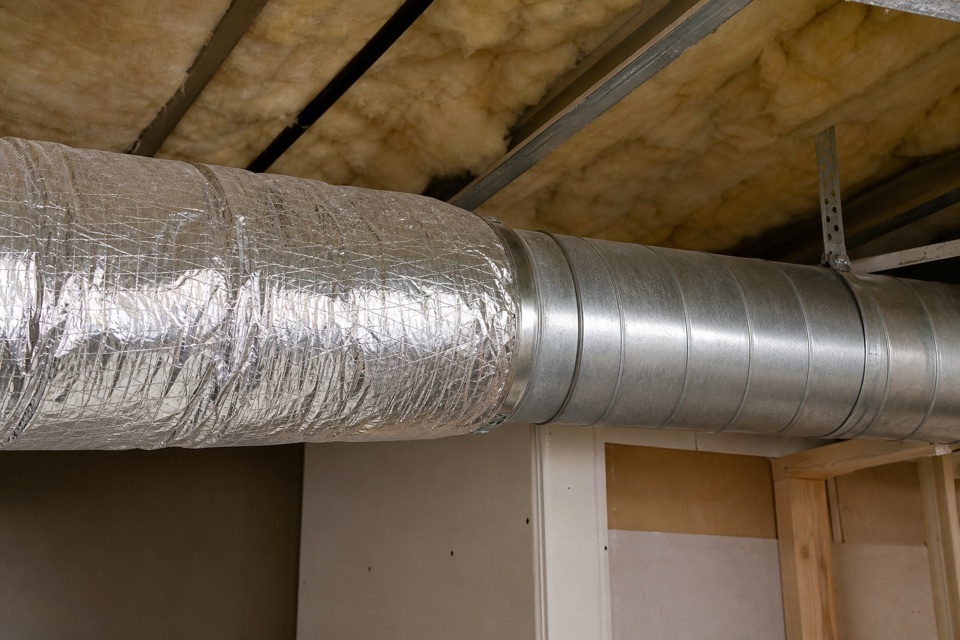
- Leaky Ductwork: Sometimes the air is moving perfectly, but it never reaches your living room. Leaks, disconnected joints, or tears in the ductwork allow conditioned air to escape into the attic or crawlspace before it ever reaches the supply registers.
Mechanical failures often masquerade as localized airflow or temperature issues. For instance, our team recently helped a local family dealing with an AC that repeatedly shut off after just one cycle due to overheating. It felt like a massive system blockage or total failure. However, our professional diagnostic revealed a faulty limiter switch—a purely mechanical component—was shutting the system down. Addressing the mechanical root cause resolved a frustrating end-of-season struggle.
When a Simple Filter Change Outperforms a Deep Clean
During record-breaking August temperatures, we field countless calls about systems blowing weak air. In many of these cases, severe cooling issues are resolved simply by replacing a neglected furnace filter. A restricted filter causes the system to overwork, overheat, and eventually shut down on a safety limit. Before you assume the ductwork is the problem, checking the filter is the single most effective troubleshooting step you can take. Understanding the high cost of dirty filters can save you from unnecessary service calls.
When is Duct Cleaning Actually Necessary to Restore Airflow?
While mechanical issues dominate the airflow problems our technicians see, there are specific, rare scenarios where duct cleaning is the correct and necessary solution. In these extreme cases, physical removal of debris is the only way to restore an unobstructed path for the air.
- Post-Renovation Debris: Major home remodels generate massive amounts of heavy particulate matter. Sawdust, drywall dust, and discarded building materials can easily find their way into open floor registers. This heavy debris can physically accumulate at junctions, creating a real obstruction that requires heavy-duty extraction.
- Pest and Vermin Infestations: If rodents, birds, or insects make their way into your ductwork, they leave behind nests, droppings, and physical blockages. These blockages severely restrict airflow and introduce serious biological contaminants into your living space, requiring immediate sanitation and cleaning.
- Collapsed or Crushed Flex Ducts: While not solved by cleaning, a crushed flexible duct in the attic or crawlspace acts exactly like a kinked garden hose. The air stops immediately at the pinch point.
In these extreme situations, clearing the physical blockage is mandatory. However, for the vast majority of homes we visit, routine dust does not accumulate enough to choke off a system's CFM output. If you suspect a severe blockage, scheduling professional AC inspection and testing will confirm whether the ductwork is actually compromised.
The Pacific Northwest Factor: Dust, Humidity, and Hidden Mold Risks
For our team, serving Auburn, WA, means navigating a very specific regional climate. The Pacific Northwest experiences damp winters followed by moderate, increasingly warm summers. This unique humidity profile changes the conversation around duct maintenance. While dust alone rarely stops airflow, dust combined with high humidity creates a totally different problem.
The mold connection: Dust is primarily composed of organic matter like skin cells and pet dander. In a dry climate, this dust just sits there. But in a damp environment, this organic matter becomes a food source. When high indoor humidity mixes with a layer of dust inside dark ductwork, it creates a perfect breeding ground for mold.
If visible mold is present inside the ducts or on the mechanical components of your HVAC system, professional duct cleaning and remediation become strictly necessary. To prevent this transition from a harmless dust nuisance to a serious indoor air quality hazard, controlling your home's indoor humidity is essential. Running your AC effectively during the warm late-summer days helps pull that excess moisture out of the air.
What the EPA Says About Routine Duct Maintenance
You do not have to take our word for it—authoritative bodies have studied the effects of duct cleaning extensively. The Environmental Protection Agency (EPA) maintains a clear stance that routine duct cleaning has never been shown to prevent health problems on its own. Furthermore, studies indicate that a light layer of dust inside the ducts does not significantly impact airflow or system efficiency.
The official recommendation: Both the EPA and the Department of Energy recommend that duct cleaning is only needed for visible mold, documented pest infestations, or excessive debris that physically blocks airflow. Instead of defaulting to duct cleaning as an annual chore, these organizations recommend focusing on overall HVAC maintenance. Keeping your filters fresh, your coils clean, and your blower motor serviced provides a much higher return on investment for both air quality and vent pressure.
Honest Diagnostics: Finding the True Source of Your Airflow Loss
When your home is uncomfortable, you need solutions, not sales pitches. This is where honest, transparent diagnostics from our team at Allred Heating Cooling Electric make all the difference. We refuse to sell a duct cleaning if a simple filter change or AC tune-up is what your system actually needs. A thorough mechanical inspection is the only way to find the true source of your airflow loss.
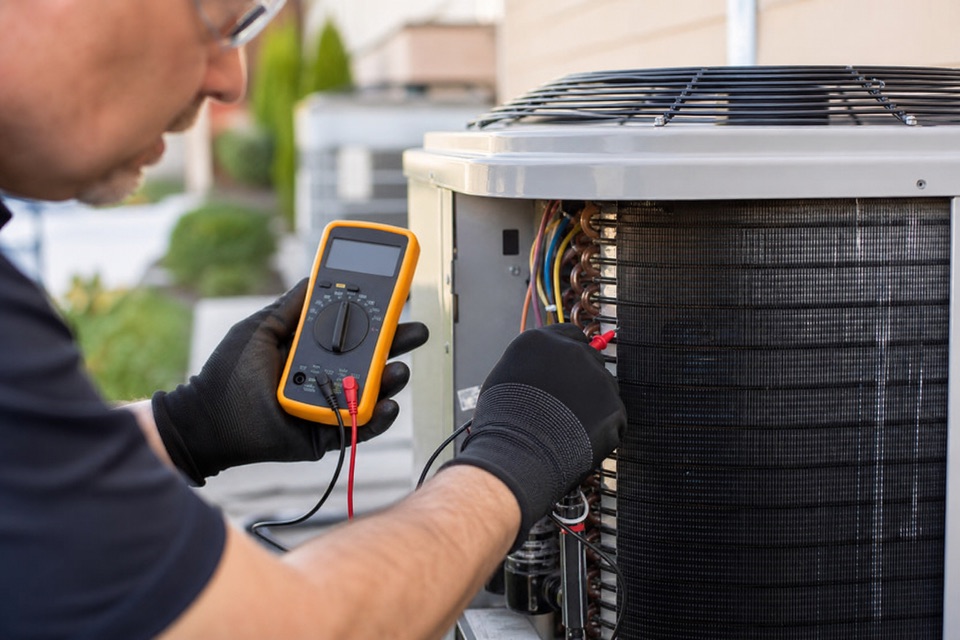
Our professional diagnostic goes far beyond looking into a vent with a flashlight. Our technicians perform static pressure tests to measure the exact resistance the air faces. We check the blower motor amps to ensure it is drawing the correct amount of power. We inspect the evaporator coil for freezing or severe dirt impaction.
Finding the exact root cause prevents unnecessary spending. For example, we recently helped a local homeowner who lost power to most circuits on a rainy Friday afternoon, leaving only the living room lights operational. Our thorough diagnostic traced the issue to a loose wire associated with the generator—not a massive electrical panel failure. Accurate troubleshooting works the same way for HVAC airflow. By relying on our expert AC repair service, you ensure that the actual problem is fixed, restoring your home comfort quickly during the hottest days of the year.
Frequently Asked Questions
Does cleaning air ducts improve airflow?
In our experience, cleaning air ducts only improves airflow if there is a severe physical blockage, such as a collapsed duct, a pest nest, or heavy post-construction debris. For the average home, routine dust buildup does not significantly restrict the volume of air moving through the vents. If your airflow is weak, a mechanical issue is usually the cause.
Will cleaning ducts make my AC colder?
No, cleaning your ducts will not change the temperature of the air your AC produces. The cooling process happens at the evaporator coil inside the indoor unit. If the air coming from your vents feels warm, you are likely dealing with a dirty coil, low refrigerant, or a failing compressor.
How do you know if your air ducts actually need cleaning?
We recommend duct cleaning if you see visible mold growth inside the hard ductwork, notice signs of a rodent or insect infestation, or have recently completed a major home renovation that generated excessive drywall dust. A professional inspection can verify if these conditions exist.
Is routine duct cleaning a waste of money?
If you are scheduling it simply because you think it will magically boost your HVAC system's mechanical performance, it may not be the best use of your maintenance budget. The EPA states that duct cleaning has not been proven to prevent health issues on its own. Investing in routine mechanical tune-ups and high-quality air filters is generally more effective.
What mechanical issues cause weak airflow from AC vents?
From what we see in the field, the most common mechanical culprits are severely clogged air filters, frozen or dirty evaporator coils, and failing blower motors. Leaky ductwork that allows air to escape into the attic before reaching your living space can also cause a significant drop in vent pressure.
Can a dirty evaporator coil feel like a dirty duct problem?
Absolutely. When an evaporator coil becomes packed with dirt and pet hair, it physically blocks the air from moving through the system. This results in very weak airflow at the supply registers, which homeowners often mistake for a blockage inside the ductwork itself.
Restore Your Home's Comfort with the Right Solution
Weak airflow during the late-summer heat is a clear sign that your HVAC system needs attention, but guessing at the cause will only prolong your discomfort. Whether you need a simple filter replacement, a coil cleaning, or a mechanical repair, getting an accurate diagnostic from our team is the first step. Secure your peace of mind and schedule your AC maintenance and tune-up today to ensure your system breathes easy all season long.
Related Articles
Ready to Get Started?
Whether you need a repair, maintenance, or a new installation, our expert team is here to help.