Navigating Auburn's Older Home Electrical Panels Before Adding a Winter Space Heater
Trust Allred
Plugging a modern space heater into a vintage Auburn electrical panel can easily overload aging circuits. Understand the hidden fire risks before temperatures drop.
The Late October Rush for Supplemental Heating in Auburn
Nearly half of all residential heating fires occur during the coldest months of the year, with auxiliary heating equipment ranking as the second leading cause of electrical fires in homes. Navigating Auburn's older home electrical panels before adding a winter space heater is a critical safety step that many homeowners overlook as the seasons change. At Allred Heating Cooling Electric, our team knows firsthand that when that late October pre-winter chill sets in, the immediate reaction is often to pull a portable heating unit out of the closet. While this might seem like a quick, harmless fix for a drafty bedroom or a cold home office, it introduces a severe, hidden risk for older housing stock.
Plugging high-draw modern appliances into vintage wiring creates an immense strain on systems that were never designed to handle today's electrical demands. Homes built decades ago lack the robust infrastructure required to support continuous, high-amperage loads. Relying on these portable units usually masks an underlying problem with your home climate control systems. If certain rooms are persistently cold, your primary furnace or heat pump is likely failing to distribute air properly.
Instead of putting your property at risk with overloaded circuits and degraded wiring, addressing the root cause of the cold spots is the smarter, safer decision. Professional Auburn HVAC repair services provide a permanent alternative to stressing your vintage wiring. By restoring your primary heating equipment to peak performance, you eliminate the need for dangerous supplemental devices entirely, ensuring your home stays warm without pushing your electrical panel to the breaking point.
The Electrical Math: Why a 1500-Watt Space Heater Overwhelms Vintage Circuits
The danger of plugging a modern heating device into an older wall outlet comes down to simple electrical math. A standard 1500-watt space heater load draws approximately 12.5 amps of continuous power while running. To understand why this is problematic, you have to look at the capacity of the wires hidden behind your walls. In older residential construction, the standard wall receptacle is typically wired to a 15-amp circuit.
On paper, 12.5 amps fits within a 15-amp limit, but electrical safety standards paint a very different picture. Electrical codes dictate that circuits should not be loaded to their absolute maximum capacity, especially for extended periods.
Understanding Continuous Load Limits
Electrical safety guidelines define a "continuous load" as any device that runs uninterrupted for three hours or more. Because portable heaters often run all night to keep a bedroom warm, they strictly fall into this category. For safety, continuous loads should never exceed 80% of a circuit's total capacity. On a standard 15-amp circuit, that maximum safe continuous limit is exactly 12 amps.
This means a 12.5-amp heater is already overloading the circuit the moment you turn it on. If you add even a single additional device to that same circuit, you push the wiring far beyond its safe threshold. To illustrate how quickly a 15-amp circuit maxes out, consider the amperage draw of common household items:
| Household Device | Average Wattage | Estimated Amperage (at 120V) |
|---|---|---|
| Standard Space Heater | 1500W | 12.5A |
| Vacuum Cleaner | 1200W | 10.0A |
| Desktop Computer | 400W | 3.3A |
| Modern Television | 150W | 1.25A |
| LED Table Lamp | 15W | 0.12A |
In our experience, older wiring degrades much faster under these maximum continuous loads. The insulation around the older wires becomes brittle, the connections heat up, and the risk of an electrical fire skyrockets. National Fire Protection Association (NFPA) data consistently highlights heating equipment as a leading cause of electrical fires, largely due to this specific mathematical mismatch between modern appliances and vintage infrastructure.

Understanding Auburn's Historic 60-Amp and 100-Amp Electrical Panels
The systemic limitations of older housing stock go far beyond a single wall outlet or an isolated 15-amp circuit. In our years of servicing Auburn's older housing stock, the team at Allred Heating Cooling Electric frequently encounters historic properties, particularly those situated in downtown, that were originally constructed with 60-amp or 100-amp main service panels. At the time these homes were built, electricity usage was minimal. A household only needed enough power for basic incandescent lighting, a refrigerator, and perhaps a radio or a single television set.
Today, modern building standards require a minimum of a 200-amp service panel to safely manage the cumulative load of a modern household. When you run a microwave, an electric oven, a clothes dryer, central air, and multiple entertainment systems simultaneously, your home draws a massive amount of electricity. If your house still operates on a 60-amp or 100-amp panel, that cumulative load leaves virtually no safe capacity for auxiliary heating.
Adding a 12.5-amp heater to a main panel that only has 60 amps of total capacity is highly dangerous. That single portable heater consumes over 20% of the entire home's available power. The main breaker is forced to operate near its absolute limit, which generates excessive heat inside the panel box itself. This heat degrades the breakers, causing them to fail or, worse, fuse in the "on" position so they cannot trip during an emergency.
This is why adhering to local building codes is so critical when evaluating an older home's electrical capacity. Working with trained professionals who understand local Auburn building codes and the unique electrical constraints of the area's older housing stock is essential for evaluating these aging systems. An expert can assess whether your vintage panel is already operating at its maximum threshold before you introduce high-draw heating appliances into the mix.
Clear Warning Signs Your Home's Electrical Panel is Overloaded
Your home will usually give you warning signs before a catastrophic electrical failure occurs. When a 1500-watt space heater load pushes your vintage panel past its limits, the physical symptoms are distinct. Recognizing these indicators early can prevent severe damage to your property and keep your household safe.
At Allred Heating Cooling Electric, we often see homeowners only realize their electrical panel is maxed out when they attempt to add new appliances or undertake renovations. For example, during a recent fall project right here in Auburn, our electricians upgraded a customer's aging panel to ensure it was properly equipped to support a new kitchen layout without overloading. If you are actively using auxiliary heating instead of addressing your primary system, you must watch closely for similar signs of electrical distress.
Here are the critical warning signs that your vintage panel is overloaded:
- Tripping circuit breakers: If the breaker cuts power repeatedly when the heater is running, the safety mechanism is doing its job. Resetting the breaker without addressing the overload degrades the switch over time, eventually causing it to fail.
- Dimming or flickering lights: When you turn the portable heater on and the lights in the room dim or flicker, the appliance is drawing too much power away from the rest of the circuit. This voltage drop is a clear sign the wiring is overtaxed.
- Warm wall outlets or switch plates: Outlets and switch plates should never feel warm to the touch. Heat indicates that the wiring behind the wall is facing excessive electrical resistance, which is a primary precursor to an electrical fire.
- Faint burning smells: A fishy or burning plastic odor near the electrical panel or specific outlets means wire insulation is actively melting. This is an emergency that requires immediate professional attention.
If you notice any of these symptoms, you must unplug the high-draw device immediately. These are undeniable signs it's time to schedule a circuit breaker repair before the panel suffers permanent, irreversible damage.
Why Relying on Space Heaters Signals Central HVAC Inefficiency
Addressing the immediate electrical dangers is only half the battle. We must also look at the root cause driving the need for extra warmth in the first place. As local Auburn HVAC and electrical experts, we know that our damp, chilly Pacific Northwest fall weather drives early reliance on supplemental heating, stressing older electrical systems before true winter even begins. However, portable heaters should only ever be viewed as a temporary band-aid, never a permanent home comfort solution.
If you find yourself needing a heater in the bedroom, living room, or home office during that late October / pre-winter stretch, it strongly signals that your central heating system is underperforming. Aging heat pumps or furnaces gradually lose their ability to distribute warm air evenly to all rooms. Over time, ductwork develops leaks, blower motors lose their power, and dirty coils restrict airflow. This leaves certain zones of the house uncomfortably cold, prompting homeowners to seek out dangerous supplemental heat.
The True Cost of Auxiliary Heating
The long-term safety and efficiency benefits of restoring your primary heating system far outweigh the perceived convenience of plugging in a portable unit. Running multiple high-wattage devices is incredibly inefficient and will cause your monthly utility bills to spike dramatically. Central systems are engineered to heat the entire square footage of your home using far less energy per room than a collection of portable electric coils. Additionally, upgrading an aging, inefficient central heating system may qualify you for federal tax credits or local utility incentive programs, making it a smart long-term investment.
Furthermore, poor airflow in specific rooms often masquerades as a need for extra heat. If a bedroom is always ten degrees colder than the hallway, the solution is not a 1500-watt heater; the solution is balancing the ductwork or repairing the furnace blower. By fixing the central heating distribution, you eliminate the cold spots entirely. More importantly, you eliminate the severe electrical strain on your vintage panel, making your home significantly safer and more comfortable.
Professional Pre-Winter Inspections for Safe Home Heating
The safest alternative to relying on dangerous portable heating is to have your central system and electrical infrastructure evaluated before the coldest months arrive. Especially for properties in downtown Auburn with older infrastructure, a professional inspection provides a clear, accurate picture of both your HVAC efficiency and your electrical safety.
Attempting DIY electrical work or ignoring frequently tripped breakers is never worth the risk. A comprehensive HVAC system inspection catches hidden vulnerabilities that the untrained eye will easily miss. When the technicians at Allred Heating Cooling Electric perform an evaluation, here is what we typically look for to ensure your home is ready for winter:
- Testing central heating performance: Technicians measure the airflow and temperature output at every register to ensure the furnace or heat pump is distributing warm air evenly across the entire house.
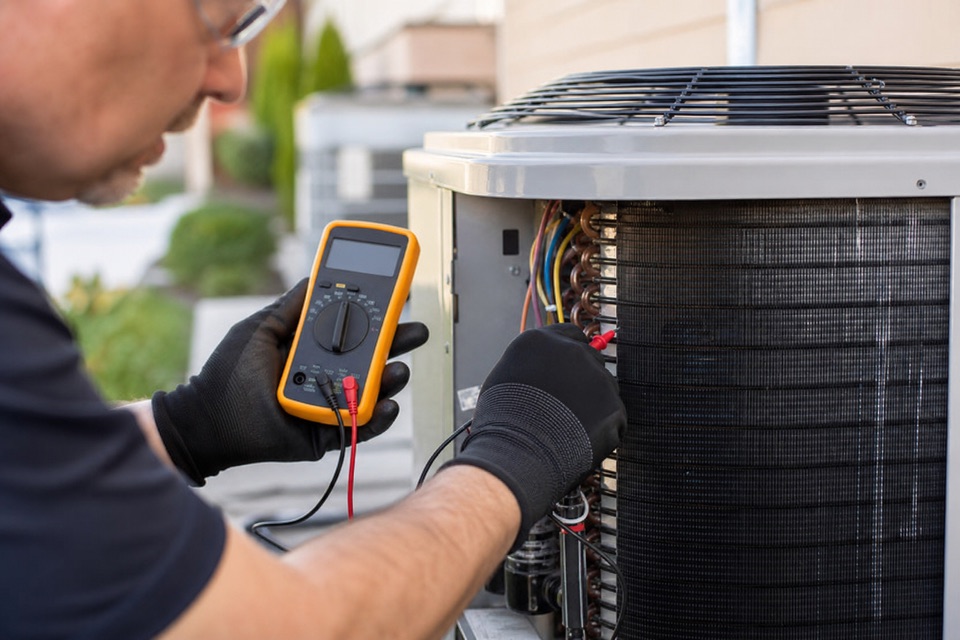
- Evaluating electrical draw: Professionals check the amperage draw of your central heating equipment to ensure it is operating efficiently and within the safe limits of your existing electrical panel.
- Inspecting vintage panels: Experts review the condition of older 60-amp or 100-amp panels, looking for signs of scorching, loose connections, or degraded breakers that pose a fire risk.
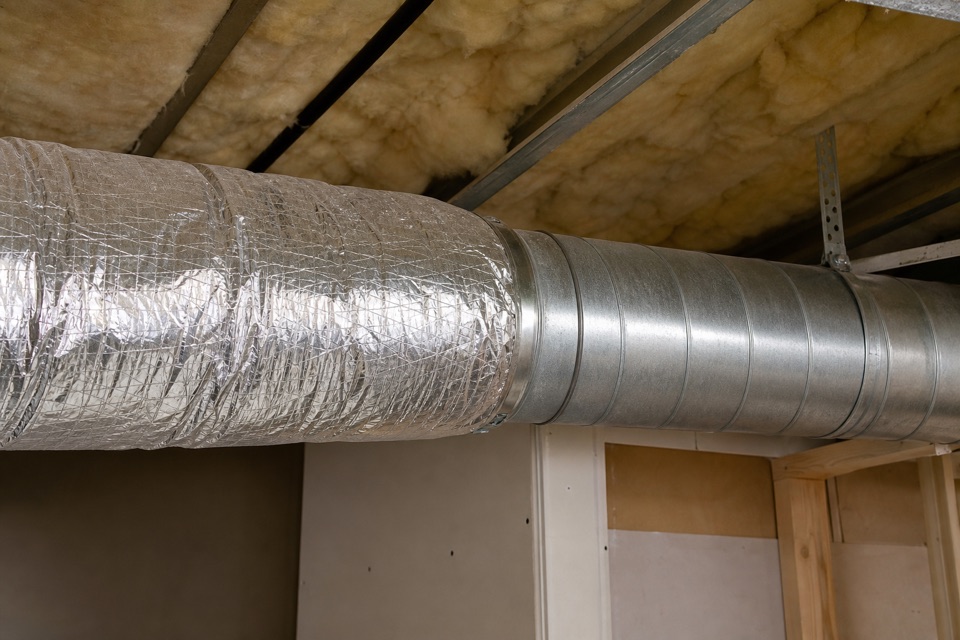
- Identifying ductwork issues: Technicians look for leaks, disconnections, or blockages in the duct system that might be causing those isolated cold spots in specific rooms.
- Calibrating thermostats: Ensuring the thermostat is accurately reading the room temperature prevents the system from short-cycling or under-heating the home.
Preventative maintenance catches both HVAC inefficiencies and electrical vulnerabilities simultaneously. Scheduling this assessment before the peak winter season hits ensures you aren't left scrambling for emergency repairs when temperatures drop below freezing and local technicians are fully booked.
Securing Your Home's Comfort Before Winter Arrives
Tripping breakers, dimming lights, and persistently cold rooms are critical warning signs that should never be ignored. As the late October / pre-winter season transitions into the freezing months, ensuring your home is equipped to keep you warm safely is paramount. Relying on high-draw portable heaters in an older home is a gamble with your property's electrical integrity.
Resolving central heating issues does more than just improve your daily comfort; it actively protects your vintage electrical panel from catastrophic overloads. Do not wait for a portable heater to melt a wall outlet or permanently damage a main breaker. Consult with local experts to evaluate your heating and electrical systems safely. By taking proactive steps now, you can enjoy a warm, comfortable home with the complete assurance that your older electrical infrastructure is secure.
Frequently Asked Questions
Why does my space heater trip the breaker in my older home?
A standard heater draws about 12.5 amps, which easily overloads older 15-amp circuits if anything else is plugged in at the same time. When the circuit detects this dangerous overload, the breaker trips to prevent the hidden wires from overheating and causing a fire. Resetting the breaker without removing the heavy electrical load will eventually damage the panel permanently.
Is it safe to use a space heater in a vintage house?
Using portable heating in a vintage house carries significant risks if the electrical panel and wiring have not been updated. Older homes with 60-amp or 100-amp panels simply do not have the overall capacity to support modern high-draw appliances continuously. If you must use one temporarily, it should be the absolute only device plugged into that specific circuit.
How do I know if my electrical panel is overloaded?
The most common signs of an overloaded panel include circuit breakers that trip frequently and lights that dim when major appliances turn on. You might also notice wall outlets feeling unusually warm to the touch or smell a faint burning plastic odor near the breaker box. If you experience any of these symptoms, unplug high-draw devices immediately and schedule a professional inspection.
How many amps does a 1500 watt heater use?
A standard 1500-watt heater uses approximately 12.5 amps of continuous power on a standard 120-volt residential circuit. Because electrical safety codes dictate that continuous loads should not exceed 80% of a circuit's total capacity, this 12.5-amp draw already exceeds the safe continuous limit of a standard 15-amp circuit.
Can repairing my central HVAC eliminate the need for space heaters?
Yes, restoring your central HVAC system is the most effective way to eliminate the need for dangerous supplemental heating entirely. When a furnace or heat pump operates efficiently, it distributes warm air evenly to every room in the house, removing the cold spots that prompt homeowners to use portable units. This approach is much safer for your electrical system and far more energy-efficient for your home.
Related Articles
Ready to Get Started?
Whether you need a repair, maintenance, or a new installation, our expert team is here to help.