Gas vs. Electric Furnaces: Evaluating Long-Term Operating Costs in King County
Trust Allred
Upgrading your heater this September? Weigh the operational efficiency of modern electric systems against the lower per-BTU energy consumption of natural gas.
Navigating Your Fall Heating Upgrade in the Pacific Northwest
Are you debating between replacing your aging heater with a natural gas or electric model? Gas vs. Electric Furnaces: Evaluating Long-Term Operating Costs in King County is a critical step for homeowners as the September pre-heating transition approaches. The damp fall weather arrives quickly in the Pacific Northwest, and waiting until your system fails leaves you with fewer options and rushed decisions.
In our years serving Auburn and the surrounding communities, the team at Allred Heating Cooling Electric has found that the core of this decision comes down to weighing the high operational efficiency of modern electric systems against the lower per-BTU energy consumption of natural gas. Both fuel sources offer distinct advantages, but determining which one makes the most sense for your home requires looking far beyond the physical equipment itself. You have to factor in how these systems interact with your local environment.
Evaluating long-term utility consumption under Puget Sound Energy's infrastructure means understanding your home's current electrical capacity, your existing ductwork, and the specific heating demands of your household. A furnace that looks incredibly efficient on paper might require extensive structural modifications to install, while a different model might drop right into your existing setup but consume slightly more energy over time.
Before the heavy winter chill sets in across Auburn WA and the surrounding King County area, taking the time to analyze these variables ensures you make a confident, informed choice. Let's break down exactly how our regional climate and local utility structures impact the operational costs of both gas and electric heating systems based on what we see in the field every day.
How Our Unique Climate Dictates Heating Efficiency
The King County winter profile: Unlike the Midwest or the Northeast, the Pacific Northwest rarely experiences months of extreme, sub-zero deep freezes. Instead, our typical winter profile consists of a persistent, damp chill hovering in the 30-to-40-degree range. This specific temperature band is crucial because it heavily influences the efficiency curve of whatever heating system you choose.
Electric efficiency in mild weather: Electric heating systems, particularly modern heat pumps, thrive in this exact climate. Because the outside air rarely drops into the single digits, electric systems do not have to work as hard to extract or generate heat. This allows them to operate at peak efficiency throughout the majority of our mild but wet winters, keeping your long-term energy draw manageable.
The raw power of natural gas: On the other hand, natural gas provides raw BTU output that easily cuts through that heavy, moisture-laden cold. When a sudden cold snap drops temperatures into the 20s, a gas furnace generates high-heat air instantly. It does not rely on extracting ambient heat from outside; it simply burns fuel to create a massive amount of warmth, pushing it forcefully through your vents.
Understanding felt-heat in high humidity: The difference in how these systems operate also changes the "felt-heat" inside your home. Because King County winters are highly humid, the air inside your house can feel colder than the thermostat indicates. Gas furnaces produce a very hot, dry heat that quickly neutralizes indoor humidity, making the space feel warmer faster. Electric systems tend to produce a more gradual, steady warmth that maintains an even temperature without the intense blasts of hot air.
Natural Gas Furnaces: High AFUE Ratings and Raw Output
Natural gas furnaces have been the standard in many King County homes for decades, and modern units are more sophisticated than ever. The efficiency of a gas furnace is measured by its AFUE (Annual Fuel Utilization Efficiency) rating. Today's high-efficiency gas furnaces can achieve up to 98% AFUE, meaning 98% of the fuel consumed is converted directly into usable heat for your home, with only 2% escaping as exhaust.
This high efficiency makes natural gas an incredibly cost-effective way to generate strong, reliable heat, especially during unexpected extreme cold snaps. When the temperature plummets, a gas furnace does not lose capacity; it continues to deliver the same high volume of warmth to keep your living spaces comfortable.
However, gas furnaces do require specific infrastructure. You must have access to a municipal gas line, and the system requires complex venting to safely expel combustion byproducts outside your home. Maintaining these exhaust systems is critical for your family's safety.
The risks of ignoring an aging gas system are significant. Our technicians recently responded to an Auburn homeowner who experienced this firsthand during the spring when their furnace quit working unexpectedly. After a thorough inspection, our team found cracked heat exchangers—a severe issue that could lead to dangerous carbon monoxide exposure. We safely replaced the entire unit, resolving the carbon monoxide risk and even helping improve the household's sinus and allergy problems. Regular maintenance is non-negotiable when dealing with combustible fuels.
Understanding BTU Heat Output
A BTU (British Thermal Unit) is the standard measurement of heat energy. Gas furnaces are sized based on their BTU input and output, which dictates how quickly they can fill your home with warm air. Because natural gas burns at a very high temperature, these furnaces deliver high volumes of heat rapidly. This rapid heating response is ideal for sudden temperature drops, allowing your home to recover from a chilly night in a matter of minutes once the thermostat clicks on.
Electric Resistance Heating vs. Heat Pumps
When discussing electric heating, our team always stresses the importance of differentiating between traditional electric resistance furnaces and modern heat pumps, as their long-term operational costs differ drastically.
- Electric Resistance Furnaces: These systems use electrical elements that heat up when current passes through them—much like a giant toaster. Technically, electric resistance heating is 100% efficient because all the electrical energy consumed is converted directly into heat. However, generating heat this way requires a massive amount of wattage, which can lead to high long-term utility consumption under Puget Sound Energy's rates.
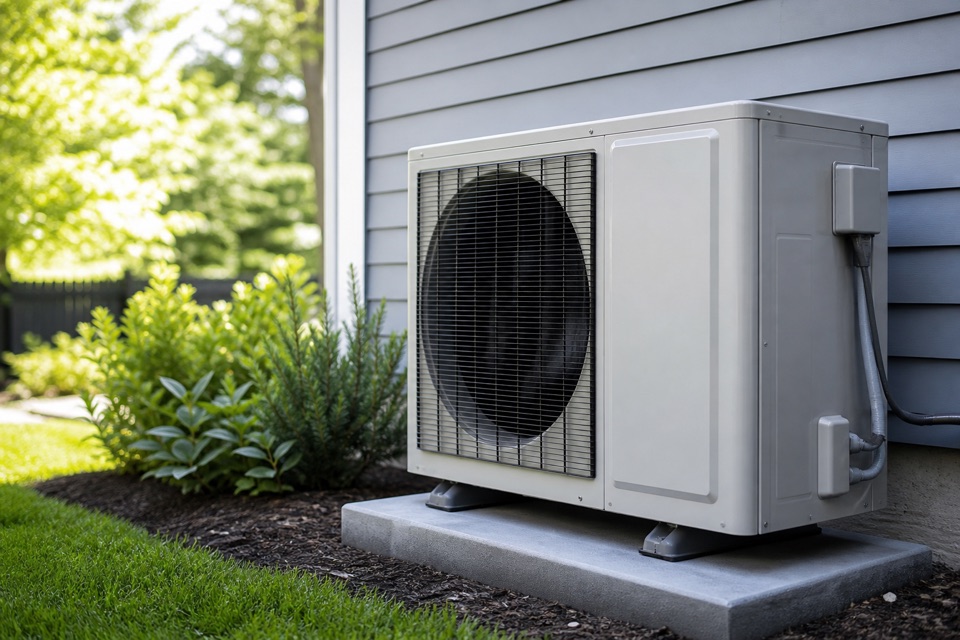
- Electric Heat Pumps: Instead of generating heat from scratch, a heat pump uses refrigerant to absorb ambient heat from the outside air and transfer it inside. Because they move heat rather than create it, heat pumps use significantly less electricity than resistance furnaces.
- Climate Suitability: Heat pumps are exceptionally viable for the Auburn WA area because they thrive in our typical 30-to-40-degree damp chill. They can provide consistent, efficient comfort all winter long without the heavy energy draw of a resistance furnace.
- Incentives and Upgrades: If you are considering Repairing a 15-Year-Old Furnace vs. Upgrading to a Dual-Fuel Heat Pump, keep in mind that generic utility rebates and federal tax credits may apply to high-efficiency electric upgrades. Homeowners should always verify current programs and eligibility requirements with their utility or a tax professional, as these incentives can help offset the initial installation investment.
Navigating Local Codes and Infrastructure Upgrades
Switching fuel types is rarely as simple as swapping one box for another. If you are moving from a gas furnace to an electric system, you will likely face hidden operational and installation considerations related to local building codes and your home's utility grid.
A pattern we see often during a gas-to-electric conversion is the hurdle of the electrical panel. Most older homes were built with 100-amp or 150-amp electrical services, which were perfectly adequate when the furnace ran on natural gas. However, installing a new electric furnace or a high-capacity heat pump often requires a significant electrical panel upgrade—sometimes up to a 200-amp service—to handle the increased electrical load safely.
Local building codes in King County strictly dictate the safety and compliance of these infrastructure changes. Our installation experts at Allred Heating Cooling Electric possess a deep understanding of local installation codes and Puget Sound Energy structures, ensuring that every Seattle AC Installation Services and heating upgrade is fully compliant and optimized for your home.
Understanding Puget Sound Energy's specific grid requirements is essential when planning a conversion. Proper installation directly impacts the long-term operational lifespan of your new system. A unit that is improperly wired or undersized for your ductwork will short-cycle, leading to premature wear and higher utility consumption regardless of its official efficiency rating.
Gas vs. Electric Furnaces in King County: Operational Differences
To help you weigh your options for Air Conditioning Services and heating replacements, here is a clear side-by-side comparison of how these two fuel types operate within our specific regional climate.
| Feature | Natural Gas Furnaces | Electric Heating (Resistance & Heat Pumps) |
|---|---|---|
| Energy Source & Efficiency | Up to 98% AFUE; minimal energy lost as exhaust. | 100% conversion (Resistance) but high wattage; Heat pumps offer high efficiency via heat transfer. |
| Climate Performance | Rapid high-heat output; excels during extreme cold snaps. | Consistent, steady operation; heat pumps thrive in mild damp chill (30-40°F). |
| Infrastructure Needs | Requires active gas lines, rigid safety codes, and complex venting. | Often requires high-capacity electrical panel upgrades (200-amp service). |
| Lifespan & Maintenance | Requires strict safety checks for heat exchanger degradation risks. | Simpler mechanical wear; no risk of carbon monoxide leaks. |

Why Early Fall is the Optimal Transition Window
Timing is everything when it comes to major home improvements. The September pre-heating transition is the absolute best time to evaluate your system and make a change. Waiting for an aging furnace to fail mid-winter limits your choices, forces rushed decisions, and often leaves your family in the cold while waiting for emergency replacement parts.
Complex gas-to-electric conversions require coordination between HVAC technicians, electricians, and sometimes municipal inspectors. Scheduling this multifaceted work is significantly easier before late October, when the first major cold fronts drive peak winter demand and book up service schedules for weeks.
If you have an older system, use this early fall window to get a comprehensive evaluation. For example, our crew recently performed an evaluation on a 20-plus-year-old furnace for a local customer who had no prior service records. We conducted a comprehensive Routine HVAC Maintenance check and cleaning, verifying that the old furnace was still operating safely for now, but giving the homeowner a clear, honest baseline for when a replacement will be necessary.
Use this transition period to optimize your entire HVAC setup for year-round performance. When evaluating Gas vs. Electric Furnaces: Evaluating Long-Term Operating Costs in King County, having our professionals assess your home early ensures you get a clear, regionally accurate comparison. You will understand exactly how local energy types impact your operational efficiency, allowing you to confidently choose the right system to keep your home comfortable for years to come.
Frequently Asked Questions
How does Puget Sound Energy infrastructure impact gas vs electric heating choices?
Puget Sound Energy manages both natural gas and electricity across much of King County, meaning your home's existing connection to their grid dictates your initial installation requirements. If your home lacks a high-capacity electrical panel, switching to an electric furnace may require a costly service upgrade coordinated through the utility. Conversely, staying with gas means you continue to rely on their underground piping network, which is highly reliable during winter storms.
Is electric heat better than gas in King County's damp climate?
Electric heat pumps are exceptionally well-suited for King County's damp climate because they operate most efficiently in the 30-to-40-degree range typical of our winters. They extract ambient heat from the outside air, keeping long-term energy consumption low. However, natural gas is often preferred by homeowners who want a hotter, faster blast of air to quickly dry out the damp indoor chill.
Is it cheaper to heat with gas or electricity in Washington state?
The long-term operational cost depends heavily on the type of electric system you choose and the fluctuating utility rates. High-efficiency gas furnaces (up to 98% AFUE) use very little fuel to produce massive amounts of heat, making them highly cost-effective per BTU. Electric heat pumps also offer excellent long-term savings due to their heat-transfer efficiency, whereas traditional electric resistance furnaces typically draw the most power and result in higher monthly consumption.
Are gas furnaces being phased out in Washington?
While Washington state has introduced stricter energy codes aimed at reducing carbon emissions and encouraging electric heat pump installations in new construction, existing homes are not currently forced to remove functional gas furnaces. Homeowners can still repair, maintain, and replace their natural gas systems. However, many residents are proactively exploring electric options to take advantage of energy efficiency incentives.
What is the most efficient heating system for cold damp climates?
A dual-fuel system, which pairs an electric heat pump with a natural gas furnace backup, is often considered the most efficient solution for cold, damp climates. The heat pump handles the mild, 40-degree damp days with extreme efficiency. When the temperature drops near freezing and the heat pump loses efficiency, the system automatically switches to the gas furnace for powerful, fast-acting warmth.
How long do gas vs electric furnaces last?
A well-maintained natural gas furnace typically lasts between 15 and 20 years before the risk of heat exchanger failure makes replacement necessary. Electric furnaces often last slightly longer—up to 20 or 25 years—because they do not endure the intense thermal stress of burning combustible fuel. Regardless of the fuel type, regular professional maintenance is the single most important factor in maximizing a system's lifespan.
Ready to Get Started?
Whether you need a repair, maintenance, or a new installation, our expert team is here to help.