Navigating Federal Way Permitting for New Ductless Mini-Split Installations
Trust Allred
Don't let municipal red tape keep you sweating this August. We break down local inspection timelines and exterior compressor rules so you can legally run your new AC without delay.
Why the Late-Summer Cooling Rush Complicates Mini-Split Approvals
Your new ductless mini-split is finally mounted on the wall, but instead of enjoying crisp, cool air, you are sweating through the afternoon waiting for a municipal inspector to give you the green light. Navigating Federal Way permitting for new ductless mini-split installations can be one of the most frustrating parts of upgrading your home comfort. In our years of serving the Auburn and Federal Way communities, our team at Allred Heating Cooling Electric frequently sees homeowners assume that once the equipment is physically bolted down and wired, the job is completely finished. However, local building codes dictate that the system cannot be legally operated until it passes rigorous municipal inspections.
If you are exploring your options for air conditioning services or need a seamless Federal Way AC installation, understanding these bureaucratic hurdles is the first step toward a stress-free project.
The timeline for these approvals stretches significantly during peak seasons. As temperatures climb, the city's administrative and inspection queues experience a massive influx of applications. The August late-summer cooling rush, right as families are navigating the back-to-school transition, creates a substantial backlog, meaning the gap between your installation day and your final sign-off can extend from a few days to several weeks. Without a clear understanding of this legal timeline, you might find yourself caught off guard, unable to cool your home during the hottest end-of-season days.
The dual-permit reality: Ductless systems are not plug-and-play appliances. Because they involve structural mounting and high-voltage wiring, they trigger multiple layers of regulatory oversight. You are not just dealing with one city department; you are navigating a dual-permit process that involves both mechanical and electrical approvals. Understanding how these two distinct requirements interact is essential for keeping your installation on track and compliant with local laws.
Understanding the Dual-Permit Process for Exterior Compressors
Installing a modern heating and cooling system within the Federal Way municipal jurisdiction requires strict adherence to building and safety codes. A ductless mini-split installation is categorized as a major home modification, which means it mandates two entirely distinct approvals before you can consider the project complete.
During a recent late-summer morning service call, one of our technicians responded to a homeowner experiencing sudden issues with their existing AC unit. We quickly assessed the problem and had the system in tip-top shape within a couple of hours. Rapid diagnostics and repairs like this are often made possible for our team because the original installation—including the electrical panel connections and disconnect boxes—was properly permitted, documented, and installed to code, eliminating guesswork for future technicians.
The risks of skipping permits: Bypassing the permitting process to save time or money carries severe consequences. Unpermitted electrical and mechanical work can result in hefty municipal fines, voided manufacturer warranties, and significant complications when you attempt to sell your home. Real estate inspectors actively look for unpermitted home modifications, and an undocumented HVAC system often forces sellers into costly retroactive permitting processes.
Mechanical vs. Electrical Approvals
To fully grasp the scope of the paperwork, you must understand the difference between the two required permits. Each serves a distinct safety purpose and is evaluated by different regulatory bodies.
| Permit Type | Regulatory Focus | Key Inspection Points |
|---|---|---|
| Mechanical Permit | Physical placement and structural integrity | Airflow clearances, line hide routing, wall penetration sealing, and secure mounting to the exterior pad or bracket. |
| Electrical Permit | High-voltage safety and panel capacity | Breaker panel connections, dedicated circuits, exterior disconnect boxes, and proper wire gauge sizing. |
The mechanical permit is issued directly by the city and focuses on the physical hardware. Inspectors want to ensure the unit is safely anchored, the refrigerant lines are properly insulated, and the wall penetrations are sealed against moisture intrusion. Conversely, the electrical permit is typically overseen by the Washington State Department of Labor & Industries (L&I). This phase evaluates your home's total panel capacity. Because ductless systems draw significant amperage, older homes may require a panel upgrade to safely support the new electrical load without tripping breakers or creating fire hazards.
Navigating Exterior Zoning Codes and Property Line Setbacks
Beyond electrical safety and structural mounting, the placement of your exterior compressor is heavily regulated by local zoning laws. The Federal Way Municipal Code (FWMC) Title 19 Zoning and Development rules outline strict requirements for where mechanical equipment can sit on your property.
Property line setbacks: You cannot simply place an exterior compressor wherever it looks best or is most convenient for the installation crew. Municipal codes dictate a minimum setback distance from your property lines. These rules prevent mechanical equipment from encroaching on neighboring lots, blocking utility easements, or creating fire hazards near fences. If an inspector arrives and finds the unit sitting too close to the property line, you will be forced to pay for a costly relocation—a mistake we actively prevent by strictly mapping out boundaries before we ever start drilling.
Residential noise ordinances: Setbacks are closely tied to municipal noise restrictions. Exterior compressors generate continuous sound while running, and local codes strictly limit the decibel (dBA) levels that can cross the property line into a neighbor's yard. During the approval process, inspectors verify that the unit's placement exactly matches the approved site plan submitted during the application phase.
- Verify the site plan: The final physical location must perfectly mirror the diagrams submitted to the city.
- Check the decibel rating: The equipment's manufacturer specifications must fall within allowable residential noise limits.
- Measure the boundary: Inspectors will physically measure the distance from the compressor to the fence or property line.
Selecting ultra-quiet equipment simplifies compliance with these local noise limits. For example, modern Daikin mini split systems are engineered with advanced inverter technology, allowing the compressor to run at lower, quieter speeds, making it much easier to satisfy strict municipal noise ordinances without sacrificing cooling power.
Pacific Northwest Weather and Elevated Mounting Requirements
The climate in our region heavily influences how municipal inspectors evaluate mechanical installations. We always remind our customers that operating within the Federal Way municipal jurisdiction means adhering to installation standards designed specifically to combat Pacific Northwest dampness and winter conditions. Inspectors scrutinize the physical mounting of the exterior compressor to ensure it can withstand local weather patterns.
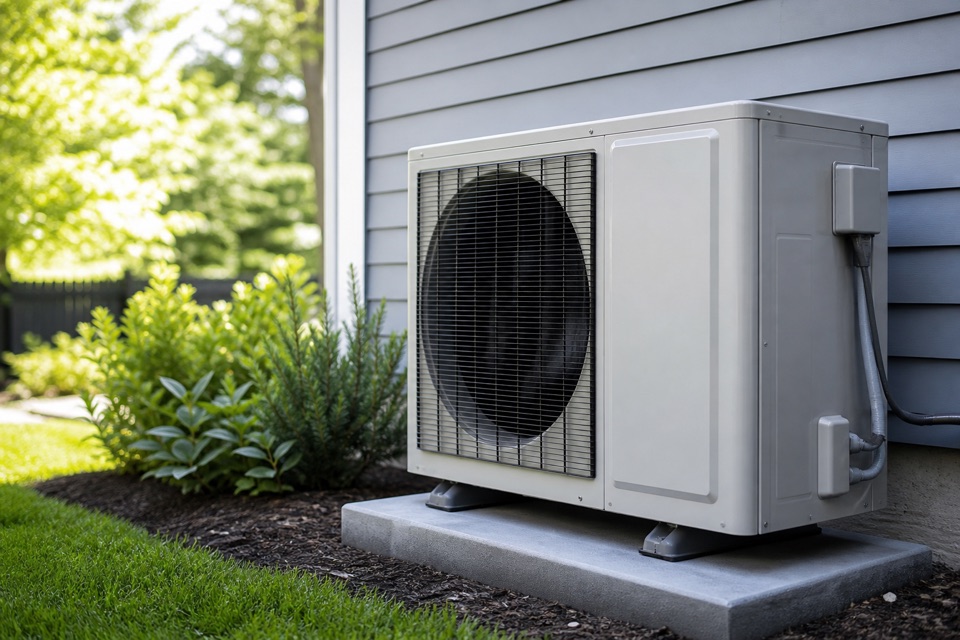
The necessity of elevated mounting: Exterior compressors cannot sit directly on the soil or a flat patio. Local codes require the unit to be mounted on elevated concrete pads, heavy-duty composite risers, or sturdy wall brackets. This elevation serves multiple critical functions for the longevity and safety of the equipment.
First, inspectors look for adequate clearance above potential water pooling lines. Heavy autumn and spring rainstorms can cause standing water in residential yards. If a compressor sits too low, localized flooding can submerge the electrical components or cause the fan blades to strike standing water, leading to catastrophic system failure. Furthermore, elevation protects the unit from snow accumulation zones. While heavy snowfall is not a daily occurrence, winter storms do happen, and snow must not be allowed to block the unit's vital airflow.
Protecting the defrost cycle: Proper elevation is absolutely vital for the system's winter operation. During freezing, damp weather, heat pumps naturally build up frost on their exterior coils. The system periodically enters a defrost cycle, melting the ice and draining the water out the bottom of the chassis. If the unit is not properly elevated, that drained water simply pools underneath and refreezes, eventually encasing the entire compressor in a solid block of ice. Failing to meet these strict elevation standards is one of the most common reasons homeowners fail their initial municipal inspections.
What to Expect from the City's Inspection Queue
Understanding the bureaucratic timeline helps manage expectations and prevents frustration. When you are rushing to get cooling online during the August late-summer cooling rush, the wait for an inspector can feel agonizing. During record-breaking high temperatures, we often receive frantic calls after a local homeowner's air conditioning unit stops functioning completely. When our technicians diagnose the issue, replace a failing part, and add coolant, we can restore comfort quickly. Waiting weeks for an inspector before you can legally turn on your newly installed system feels just as agonizing as an unexpected breakdown during a heatwave.
Here is the typical sequence of events you will experience while navigating the city's inspection queue:
- Application submission and review: Before any physical work begins, load calculations, site plans, and equipment specifications are submitted to the city. During peak cooling months, this initial review phase can take several days to a few weeks.
- Physical installation: Once the permits are issued, the installation crew mounts the equipment, runs the refrigerant lines, and completes the electrical tie-ins. The system is tested for functionality but must remain officially powered off.
- Entering the waiting queue: The contractor requests the final inspections. Because of the seasonal backlog, the typical wait time between the physical installation and the arrival of the city inspector can stretch from one to three weeks.
- The mechanical walkthrough: The city inspector arrives to verify the physical placement, property line setbacks, elevation requirements, and line hide sealing. You or an adult representative must be present to provide property access.
- The electrical walkthrough: A separate L&I inspector arrives to check the high-voltage connections, the exterior disconnect box, and the main breaker panel capacity. They will verify that the wiring matches the submitted load calculations.
Proactive scheduling is the only way to mitigate these delays. A well-organized contractor will request the inspections the moment the physical work is completed to secure your spot in the queue as early as possible.

Who Handles the Red Tape? Your Role vs. Your HVAC Contractor's Role
Navigating the Federal Way municipal jurisdiction is a complex administrative task, but you do not have to tackle it alone. A successful, fully compliant installation requires clear communication and a division of labor between you and your installation team.
Your responsibilities as the homeowner: Your primary role is facilitating access. You must provide clear pathways to the main electrical panel, the indoor mounting locations, and the exterior yard. On inspection days, you are responsible for securing pets, keeping the installation area clear of obstacles, and ensuring an adult is present to let the inspectors inside the home. You should also be prepared to answer basic questions about property lines if the inspector asks for clarification.
Your contractor's responsibilities: A professional team handles the heavy bureaucratic lifting. This includes drawing accurate site plans, submitting the dual-permit applications, paying the necessary municipal fees, and officially scheduling the L&I walkthroughs. At Allred Heating Cooling Electric, our deep familiarity with Federal Way municipal codes allows our team to handle all permitting red tape seamlessly, ensuring a hassle-free, compliant timeline that prevents application rejections and costly rework.
Turning over this administrative burden allows you to focus simply on enjoying your new cooling system. When a contractor knows exactly what local inspectors look for—from elevated mounting brackets to precise breaker sizing—the final walkthrough becomes a mere formality rather than a stressful hurdle. Once the system is officially signed off, you can shift your focus to scheduling routine AC maintenance and tune-ups to keep the equipment running efficiently for years to come.
Maintaining Code Compliance Long After the Final Sign-Off
The permit process officially ends when the inspector signs the documentation and places the approval sticker on your electrical panel or exterior disconnect box. However, maintaining code compliance is an ongoing responsibility. Ensuring your system remains safe and accessible is vital for both its performance and your legal standing.
Keep the exterior area clear: While the inspector verified the airflow clearances on day one, vegetation grows back rapidly during the spring and summer. Ongoing compliance requires keeping the area around the exterior compressor clear of debris, tall grass, and encroaching bushes. You must maintain at least two feet of unobstructed clearance around the unit to ensure proper airflow and to allow technicians safe access during future service calls.
Routine professional check-ups: Mechanical vibrations and seasonal temperature shifts can cause electrical connections to loosen over time. Our maintenance technicians frequently find that routine professional check-ups ensure the high-voltage connections remain tight, safe, and up to code. Proactive care prevents unexpected breakdowns during peak demand periods, like the August late-summer cooling rush, when emergency service wait times are at their longest. If a component does fail, having a baseline of proper maintenance makes AC repair service in Federal Way much faster and more straightforward.
Preserve your documentation: Finally, keep your approved permit documentation in a safe, accessible place. Store the paperwork alongside your equipment manuals and warranty certificates. If you ever decide to sell your property, prospective buyers and real estate agents will request proof that the HVAC system was installed legally and inspected by the city. Having these documents readily available prevents delays during the closing process.
Frequently Asked Questions About Federal Way HVAC Permits
Do I need a permit for a mini split in Federal Way?
Yes, installing a ductless mini-split in Federal Way strictly requires municipal permitting. Because the installation involves high-voltage electrical connections, structural mounting, and refrigerant lines, it is classified as a major home modification. Attempting to bypass this requirement can result in fines, voided warranties, and significant complications if you ever attempt to sell your home.
What happens during an HVAC final inspection?
During the final inspection, city and state officials conduct a visual and physical audit of the completed work. The mechanical inspector verifies property line setbacks, elevation clearances, and structural mounting integrity. The electrical inspector checks the main breaker panel capacity, the wire sizing, and the safety of the exterior disconnect box to ensure everything meets current fire and safety codes.
How long does a mechanical permit take to get approved?
The approval timeline fluctuates heavily based on the season and municipal workload. During slower months, a mechanical permit might be reviewed and approved in just a few days. However, during the peak summer cooling season, the city's administrative backlog can extend the initial approval and final inspection scheduling to several weeks.
How close to the property line can I put an AC unit?
Exterior mechanical equipment must adhere to specific setback distances dictated by the Federal Way Municipal Code. Generally, units cannot sit directly on the property boundary, as they must comply with residential noise ordinances and maintain clear utility easements. Your contractor must submit a site plan verifying the exact distance before the city will approve the installation.
Does a ductless mini split require an electrical permit in WA?
Yes, all ductless mini-split installations in Washington State require a dedicated electrical permit. This process is typically overseen by the Department of Labor & Industries (L&I). The inspector will verify that your home's electrical panel can safely handle the increased amperage and that all exterior disconnects are wired safely to prevent shock hazards.
Skip the Bureaucratic Headache with Expert Local Guidance
While municipal requirements and property line setbacks are undeniably strict, they do not have to delay your home comfort. Navigating the paperwork, scheduling the walkthroughs, and waiting out the August late-summer cooling rush can feel overwhelming, but the right local partnership makes all the difference.
Partnering with an experienced local team like Allred Heating Cooling Electric that manages the site plans, municipal fees, and L&I inspections from start to finish ensures your project stays on track and fully compliant. You deserve to enjoy your new cooling system with complete peace of mind. Reach out to us today to schedule an assessment, and let our experienced professionals handle the administrative red tape so you can focus on a cooler, more comfortable home as summer winds down.
Ready to Get Started?
Whether you need a repair, maintenance, or a new installation, our expert team is here to help.