Navigating Puget Sound Energy Rebates for Ductless Upgrades in Issaquah
Trust Allred
Navigating utility paperwork shouldn't delay your fall heating prep. We outline the efficiency ratings and documentation required to successfully claim your ductless incentives in Issaquah.
The Bureaucratic Hurdle: Upgrading Your Heating System Before Winter
When your current system is struggling, Navigating Puget Sound Energy Rebates for Ductless Upgrades in Issaquah is often the first step homeowners take before cold weather sets in. But as you look into high-efficiency ductless options, the sheer volume of utility incentive paperwork, strict equipment requirements, and local regulations feels overwhelming. At Allred Heating Cooling Electric, our team frequently sees homeowners face this critical decision point: selecting a ductless system with qualifying efficiency ratings while ensuring all documentation is perfectly aligned to successfully claim those utility incentives without getting bogged down by the red tape.
Before diving into the complex world of utility compliance, it helps to understand your foundational air conditioning and cooling solutions.
The clock is ticking on your installation window. As we approach September 2026, engaging in early fall heating prep is the smartest move you can make. If you wait until the first frost hits the Puget Sound, you will likely encounter contractor delays, backordered equipment, and a backlog at the local permit office. Completing your installation and paperwork while the weather is still mild ensures your system is tested, approved, and running smoothly long before you actually need it to keep your home warm.
Utility incentive programs are incredibly beneficial, but they are undeniably complex. The paperwork requires precise model numbers, matched system certificates, and verified local inspections. Missing just one signature or selecting a unit that falls a fraction of a point below the efficiency threshold can result in a denied application. A localized approach removes the friction from this process. Working with professionals who understand both the specific utility guidelines and the local municipal codes means you do not have to become an expert in HVAC bureaucracy just to upgrade your home's comfort.
Why the Puget Sound Climate Demands High-Efficiency Ductless Systems
The Pacific Northwest has a highly specific weather pattern that makes traditional heating and cooling systems work harder than they need to. In our years of serving the area, we've noticed that homes built in the 1980s and 90s with aging electric furnaces struggle the most. In Issaquah, the mild, wet winters and warm, dry summers create the perfect environment for heat pump technology. Because ductless systems transfer heat rather than generating it from combustible fuels, they operate with incredible efficiency in our regional climate.
Grid load management and utility goals: Local utility companies actively encourage the transition to ductless systems. During the winter, thousands of baseboard heaters and electric furnaces kick on simultaneously, putting immense strain on the local electrical grid. By offering financial incentives for homeowners to install high-efficiency heat pumps, utilities can effectively manage and reduce this peak demand. It is a mutually beneficial arrangement: the utility company stabilizes the grid, and you receive an upgrade that lowers your monthly energy consumption.
The long-term energy savings homeowners experience when upgrading to AC and ductless installation in Issaquah are substantial. Because a heat pump can deliver multiple units of heat for every single unit of electricity it consumes, your month-to-month operational costs drop significantly compared to older, less efficient heating methods.
| Heating System Type | Performance in Puget Sound Winters | Utility Incentive Eligibility |
|---|---|---|
| Electric Baseboard | Consumes high electricity to generate heat directly. | Rarely eligible for efficiency upgrades. |
| Standard Electric Furnace | Strains the grid during cold snaps; high operational cost. | Not typically incentivized. |
| Ductless Heat Pump | Extracts ambient heat from outdoor air efficiently. | Highly incentivized when meeting minimum ratings. |
To access these utility incentives, your new equipment must meet very specific performance metrics. Utility companies do not just hand out incentives for any heat pump; they require proof that the system will perform at a high level year-round.
Decoding the Utility Standards: What Are the Minimum Efficiency Ratings?
Understanding the alphabet soup of HVAC ratings is the first step to securing your incentives. Utility programs set strict minimums for these ratings to qualify for financial incentives, and falling short by even a fraction of a point means your application will be denied. Our technicians at Allred Heating Cooling Electric always verify that your chosen system achieves qualifying HSPF and SEER2 efficiency ratings before we even begin the installation.
SEER2 (Seasonal Energy Efficiency Ratio): This metric measures the cooling efficiency of your heat pump over a typical cooling season. The "2" indicates the updated, more rigorous testing standards implemented recently to better reflect real-world operating conditions, often requiring a baseline of at least 15.2 SEER2 to qualify for certain programs.
HSPF2 (Heating Seasonal Performance Factor): This metric measures the heating efficiency of your heat pump over the winter season. For homeowners in the Pacific Northwest, this is often the most critical number utility companies look at when approving incentives.
Here are the steps to verify your equipment specifications before committing to an installation:
- Request the exact model numbers: Ask your contractor for the specific model numbers of both the indoor and outdoor units they plan to install.
- Check the utility guidelines: Review the current minimum SEER2 and HSPF2 requirements published by your local utility provider.
- Verify the combination: Ensure that the specific combination of indoor and outdoor units has been tested together and meets the required minimums.
- Secure the official certificate: Do not rely on marketing brochures; demand the official certification document that proves the system's performance.
The Importance of AHRI Certification
The Air-Conditioning, Heating, and Refrigeration Institute (AHRI) is an independent organization that tests and certifies the performance of HVAC equipment. When a manufacturer claims a system achieves a certain SEER2 or HSPF2 rating, AHRI verifies that claim through rigorous testing.
Utility companies require an official AHRI certificate to prove the system's efficiency rating. This certificate is the golden ticket for your incentive application. It proves that the specific combination of equipment installed in your home performs exactly as promised.
A major pitfall for homeowners is installing mismatched indoor and outdoor units. If an outdoor compressor is paired with an incompatible indoor air handler, the system loses its AHRI certification. Even if both components are highly efficient on their own, the lack of a matched certificate will instantly void your incentive eligibility.
Understanding Issaquah's Permitting and Inspection Process
Securing utility incentives often hinges on a finalized, approved city permit. Utility companies want proof that the system was installed safely, legally, and up to local building codes before they release any funds. In Issaquah, our installation crews know firsthand that navigating the municipal permitting process alongside your utility paperwork is non-negotiable.
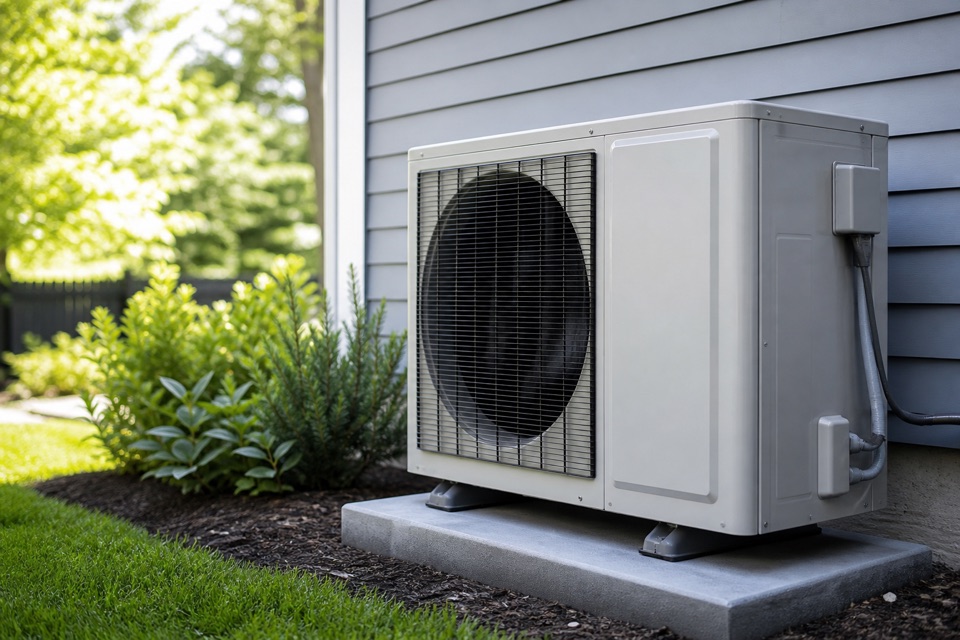
The City of Issaquah requires specific permits for ductless installations. You will typically need a mechanical permit for the heat pump itself, and an electrical permit for the new wiring and circuit breakers required to power the system. Attempting to bypass these permits not only creates safety hazards but completely disqualifies you from utility incentive programs.
The post-installation inspection process involves a city inspector visiting your home to verify the work. They will check the electrical connections, the mounting of the outdoor unit, and ensure all local codes were followed. Timelines for these inspections can vary, which is why navigating local mini-split permitting early in the fall season is so important. If the inspector finds an issue, the contractor must fix it and schedule a re-inspection before the permit can be finalized.
Real-world electrical hurdles: Unexpected issues often pop up during these installations that must be resolved to pass inspection. For example, during a recent air conditioning system installation in an older Issaquah neighborhood, a local homeowner experienced a tripping breaker due to an outdated, incorrectly wired 100-amp electrical panel. Matt, who is also an electrician, stepped in to fix the panel box and even removed rats from the crawl space. The electrical panel was fixed, resolving the breaker issues and ensuring the installation could proceed safely and pass city inspection. Working with contractors who handle the permitting and technical process proactively saves you from these bureaucratic and mechanical headaches.
Compiling Your Documentation: A Step-by-Step Walkthrough
Once your system is installed and running, the administrative work begins. Compiling the correct documentation is where many homeowners stumble, causing their incentive applications to be delayed or denied entirely. Proper early fall heating prep includes gathering all your paperwork promptly.
The essential documents needed for your application:
- The AHRI Certificate: The official document proving your system meets the required efficiency ratings.
- The Final Invoice: This must show a zero balance and clearly list the exact model numbers of the installed equipment.
- The Permit Sign-Off: The finalized, approved inspection report from the City of Issaquah.
- The Utility Application Form: The specific form provided by your utility company, filled out completely and accurately.
Common paperwork errors include submitting an invoice that lacks model numbers, forgetting to include the AHRI certificate, or submitting the application before the city inspection is finalized. Any of these mistakes will kick your application back to the starting line, delaying your incentives by weeks or even months.
The timeline for submitting documentation post-installation is usually strict. We handle this bureaucratic maze daily at Allred Heating Cooling Electric, and we always warn customers that most utility programs require all paperwork to be submitted within a specific window—often 30 to 90 days after the installation date. Missing this window means forfeiting the incentives entirely.
This is where choosing the right partner makes all the difference. Allred Heating Cooling Electric provides expert, localized guidance to navigate this exact paperwork without the hassle. Instead of leaving you to figure out the forms and certificates on your own, a dedicated local contractor manages this bureaucratic maze on your behalf, ensuring every box is checked and every deadline is met.

Protecting Your Investment and Efficiency Post-Installation
Securing your utility incentives is a great victory, but maintaining those qualifying HSPF and SEER2 efficiency ratings requires ongoing care. The efficiency numbers on your AHRI certificate represent how the system performs under ideal, factory-clean conditions. Over time, dust, debris, and wear and tear will naturally degrade that performance.
The cost of neglect: Neglecting maintenance can severely degrade system performance, negating the environmental and financial benefits the utilities paid for. A clogged MERV 11 air filter, for instance, forces the blower motor to work harder, consuming more electricity. A dirty outdoor coil prevents the system from absorbing or releasing heat efficiently, causing run times to increase. If you ignore maintenance, your high-efficiency system will eventually perform like a much older, cheaper model.
Basic upkeep tasks homeowners should schedule annually include:
- Cleaning or replacing indoor air filters: This should be done every 1-3 months depending on usage and indoor air quality.
- Clearing debris from the outdoor unit: Keep leaves, branches, and snow at least two feet away from the compressor.
- Scheduling professional tune-ups: A technician needs to check refrigerant levels, inspect electrical connections, and clean the coils.
Routine care catches small problems before they become major breakdowns. For instance, one spring, a customer noticed a problem with their AC unit. A technician quickly assessed the AC problem and completed the repair, resulting in an AC that was in tip-top shape within a couple of hours. This kind of prompt attention keeps efficiency high and prevents costly damage.
Highlighting the value of a long-term relationship with a reliable HVAC service provider is essential. When you rely on routine system maintenance, you protect the investment you made and ensure your home stays comfortable year after year.
Frequently Asked Questions About Ductless Incentives in Washington
What documentation is needed for Puget Sound Energy HVAC incentives?
You will need a complete paperwork packet to secure your incentives. This typically includes the official AHRI certificate proving the system's efficiency, a final paid invoice detailing the exact equipment model numbers, and proof of a finalized city permit inspection. Missing any of these documents will result in your application being delayed or denied. Always double-check that the model numbers on your invoice perfectly match the numbers on your AHRI certificate.
What are the inspection requirements for ductless upgrades in Issaquah?
The City of Issaquah requires a formal post-installation inspection to verify safety and code compliance. An inspector will visit your home to check the mechanical mounting of the unit, the electrical connections, and overall adherence to local building codes. You cannot submit your utility incentive application until this inspection is passed and the permit is officially closed out by the city.
How do I ensure my ductless system meets utility efficiency standards?
You must verify that the equipment achieves qualifying HSPF and SEER2 efficiency ratings before installation begins. Ask your HVAC contractor to provide the AHRI certificate for the specific combination of indoor and outdoor units they plan to install. Compare the ratings on that certificate directly against the current minimum requirements published by your local utility provider to ensure full compliance.
Do I need a mechanical permit to install a mini-split in Issaquah?
Yes, a mechanical permit is absolutely required by the City of Issaquah for any mini-split installation. In addition to the mechanical permit, you will also need an electrical permit to cover the new wiring and circuit breakers. Failing to pull these permits is a code violation and will instantly disqualify you from receiving any utility incentives.
What happens if my new heat pump doesn't have an AHRI certificate?
Without an AHRI certificate, you cannot prove the efficiency of your system to the utility company. Even if the manufacturer claims the unit is highly efficient, utility programs require independent verification. If your indoor and outdoor units are mismatched or lack this certification, your incentive application will be denied, and you will miss out on the financial benefits entirely.
Partner with Local Experts to Secure Your Utility Incentives
Navigating the paperwork doesn't have to be a barrier to upgrading your home's comfort. While the bureaucratic hurdles of permits, AHRI certificates, and strict efficiency ratings in Issaquah can seem daunting, having the right guidance makes the process smooth and straightforward. You deserve the peace of mind that comes from knowing your equipment meets all utility standards and your paperwork is handled correctly.
The satisfaction of a clear, step-by-step compliant installation means you can enjoy your new ductless system without worrying about missed deadlines or denied applications. Take the stress out of your early fall 2026 heating prep by working with our experienced team at Allred Heating Cooling Electric. Schedule a consultation today to review eligible equipment and ensure you secure every utility incentive available to you before the cold weather arrives.
Ready to Get Started?
Whether you need a repair, maintenance, or a new installation, our expert team is here to help.