Home Maintenance Tips and Troubleshooting: Is an HVAC Maintenance Plan Worth the Investment?
Trust Allred
The Hidden Risks of the First Autumn Temperature Drop
You turn up the thermostat on the first chilly autumn evening, expecting a rush of warm air, but instead, you are met with cold drafts, strange noises, or a system that refuses to ignite. Effective home maintenance tips and troubleshooting begin with understanding that the most critical period for your HVAC system is the mid-fall heating-startup phase. After sitting dormant throughout the entire summer, your furnace or heat pump is suddenly called upon to perform at maximum capacity. This sudden transition exposes mechanical vulnerabilities that have quietly developed over months of inactivity.
At Allred Heating Cooling Electric, our team frequently sees unexpected breakdowns on the first cold night simply because basic seasonal preparations were skipped. The interplay between your cooling and heating equipment is delicate; understanding how your Air Conditioning Systems and heating units interact is crucial for a smooth transition. Knowing exactly when to rely on safe, foundational DIY checks versus when to schedule our professional AC Maintenance and Tune-Up sets the foundation for reliable, uninterrupted winter comfort.
The Mechanical Realities of Summer System Dormancy
The Problem: When a heating system sits idle from spring until mid-fall, it does not remain in a state of suspended animation. Environmental factors and the sheer passage of time take a toll on internal components. Dust, pet dander, and airborne debris settle heavily on burners, igniters, and sensors. Meanwhile, the essential lubrication inside blower motors and moving mechanical parts can settle, separate, or dry out entirely.
The Cause: As the system remains off, the natural humidity and temperature fluctuations of summer allow moisture to accumulate inside the metal cabinet. This condensation can cause minor oxidation on electrical contacts and sensors. When the thermostat finally signals the furnace to turn on, these dry bearings face immense friction, and the oxidized electrical connections struggle to communicate properly. The result is often a delayed ignition, a tripped breaker, or a system that short-cycles (turns on and off rapidly without heating the home).
The Solution: Addressing these mechanical realities proactively is the core purpose of a structured maintenance approach. Having our expert technicians clean, lubricate, and test these components before the heavy workload begins prevents premature wear and tear. When Auburn homeowners ask us, Are HVAC Maintenance Plans Worth It?, we explain that the answer lies in neutralizing these exact dormancy risks before they cause a mid-winter failure.
How Inactivity Impacts Heat Exchangers
The heat exchanger is the heart of your furnace, responsible for safely transferring combustion heat into the air that circulates through your home. During the summer, settled dust coats this vital component. This layer of dust acts as a powerful insulator. When the furnace fires up for the mid-fall heating-startup, that insulating layer forces the heat exchanger to retain too much heat, forcing the system to work much harder than necessary.
As the heat exchanger overheats, the furnace's internal safety sensors detect the abnormal temperature spike and immediately shut the system down to prevent a fire hazard. This leads to frustrating short-cycling, where the house never reaches the desired temperature, and the constant starting and stopping places severe strain on the blower motor and electrical relays.
Safe Homeowner Upkeep: Pre-Winter Checks You Can Do
While internal diagnostics require professional expertise, there is a definitive boundary for safe homeowner upkeep. Performing these specific, safe pre-winter checks helps ensure proper airflow and system safety before the heavy heating season begins.
- Replacing air filters: A clogged filter restricts airflow, forcing the blower motor to work harder and increasing the risk of the system overheating. Swap out standard filters every 30 to 90 days, especially right before the mid-fall heating-startup.
- Updating thermostat settings: Transitioning your programmable or smart thermostat from cooling to heating schedules ensures the system isn't fighting itself. Test the heating function early in the season to verify the thermostat is communicating correctly with the furnace.
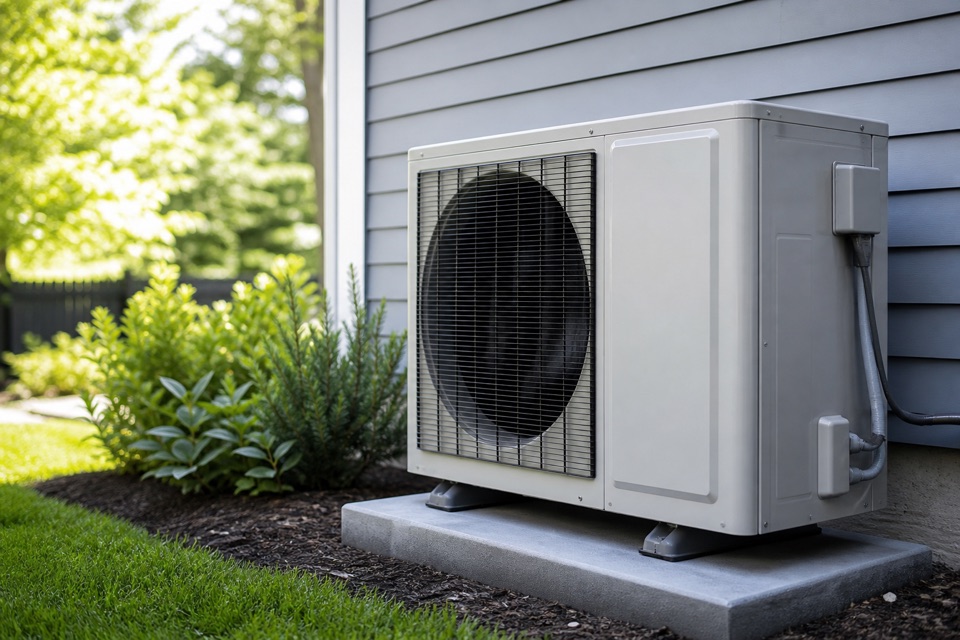
- Clearing outdoor unit debris: For homes utilizing heat pumps, the outdoor compressor needs unobstructed airflow to extract ambient heat. Clear away fallen leaves, overgrown branches, and debris, leaving at least a two-foot clearance around the entire unit.
- Testing carbon monoxide detectors: Because gas furnaces produce carbon monoxide during the combustion process, functional detectors are non-negotiable. Test every unit in your home and replace the batteries before the heating system begins running continuously.
The Danger Zone: Where DIY Troubleshooting Ends
The strict boundary: Safe DIY maintenance stops at the cabinet door. Opening the sealed combustion chamber, adjusting gas pressure, or testing high-voltage electrical components carries significant safety risks and can immediately void manufacturer warranties. Attempting amateur repairs on modern, highly calibrated HVAC equipment often turns a minor adjustment into a catastrophic system failure.
Our team at Allred Heating Cooling Electric recently helped a local Auburn homeowner who experienced this danger firsthand during a winter cold snap when their furnace began overheating and shutting off after just one cycle. With premature newborn twins in the house requiring consistent, safe warmth, the situation was highly urgent. One of our professional technicians diagnosed a faulty limiter switch—a complex internal safety component that required specialized diagnostic tools to test and replace, safely restoring the heat without compromising the system's integrity.
Transitioning systems safely from cooling to heating often involves comprehensive AC Inspection & Testing to ensure cooling components are properly shut down and heating elements are safely engaged. Attempting to clean sensitive flame sensors with the wrong materials or adjusting gas valves without a license can lead to highly dangerous carbon monoxide leaks or explosive ignition hazards.

Navigating the Pacific Northwest Climate Transition
Regional climate impacts: The shift into autumn in the Auburn area brings specific, localized challenges for HVAC equipment. The transition to wet, chilly autumn weather introduces high humidity and severe condensation risks to dormant outdoor and indoor units alike. As temperatures drop and the autumn rains set in, moisture management becomes a critical part of pre-winter maintenance.
Damp internal components are significantly more prone to electrical faults, short circuits, and accelerated corrosion. For outdoor heat pumps, ensuring proper drainage and clearing wet, heavy debris prevents the unit from freezing over and blocking vital airflow as temperatures drop closer to freezing.
A localized HVAC maintenance plan accounts for these specific Pacific Northwest environmental stressors rather than relying on generic, one-size-fits-all checklists. Because our technicians live and work in the Auburn area, we know exactly where moisture tends to pool inside dormant systems and how to mitigate those risks before the mid-fall heating-startup.
What a Professional HVAC Maintenance Plan Actually Covers
The Problem: Homeowners often assume that a quick filter change and a visual inspection are enough to prepare a furnace for winter. However, visual checks cannot detect micro-cracks in a heat exchanger, slight drops in gas pressure, or failing capacitors.
The Cause: Modern HVAC systems are highly complex networks of electrical relays, combustible gases, and pressurized refrigerants. Over time, vibrations loosen electrical connections, and normal operation alters gas pressure calibrations. The value of comprehensive professional oversight is something we see constantly. Recently, when our team performed a seasonal inspection on an existing furnace, we discovered that the system had not been properly serviced by a previous company, uncovering several critical missed items. By performing a thorough verification and deep mechanical cleaning, we ensured the furnace was fully optimized and safe.
The Solution: Licensed technicians perform deep mechanical cleaning, verify high-voltage electrical connections, and calibrate gas pressure for safe, efficient operation. Proactive servicing prevents the need for emergency Professional AC Repair or sudden heating fixes during peak cold snaps. Consistent documentation and expert oversight extend the lifespan of the equipment and maintain peak energy efficiency.
| Maintenance Focus | Basic Homeowner Action | Professional Plan Coverage |
|---|---|---|
| Airflow Management | Replacing standard 1-inch air filters | Cleaning the blower motor assembly and testing static air pressure |
| Electrical Systems | Replacing thermostat batteries | Tightening high-voltage connections and testing capacitor loads |
| Combustion Safety | Testing room carbon monoxide alarms | Inspecting heat exchangers for cracks and calibrating gas valves |
| System Efficiency | Keeping vents open and unblocked | Tuning burner ignition for optimal fuel consumption |
Securing Peace of Mind for the Winter Season
The bottom line: Skipping comprehensive pre-winter maintenance drastically increases the risk of unexpected breakdowns, inefficient performance, and elevated energy consumption. The mid-fall heating-startup is the ultimate test of your system's resilience after a long summer slumber.
Partnering with a reliable, local team ensures your system is properly prepared for the rigorous demands of continuous winter heating. Embracing "The Allred Way" means securing the peace of mind that comes from having a reliable, local 24/7 team backing your maintenance plan. Explore how an annual HVAC maintenance plan provides ongoing protection, expert care, and an objective, clear approach to keeping your home's climate control systems running safely all season long.
Frequently Asked Questions
What HVAC maintenance can I do myself?
Safe DIY maintenance is limited to tasks outside the sealed equipment cabinet. You should regularly replace your indoor air filters, keep the outdoor heat pump unit clear of leaves and debris, and ensure all indoor supply and return vents are unblocked. Additionally, testing your carbon monoxide detectors and updating thermostat schedules are essential homeowner responsibilities.
Why is my furnace not turning on in the fall?
A furnace failing to start in the fall is often due to issues developed during summer dormancy. Dust buildup on the flame sensor or igniter can prevent the system from firing safely, or the thermostat may be failing to communicate with the control board. If a basic filter change and breaker check do not resolve the issue, professional diagnostics are required.
How do I troubleshoot my home heating system safely?
Safe troubleshooting begins with checking the simplest external factors first. Verify that the thermostat is set to "heat," check the electrical panel for a tripped breaker, and confirm the furnace power switch is turned on. If these basic steps do not restore operation, stop immediately; opening the cabinet to test internal components is dangerous and requires a licensed professional.
What is exactly included in a professional HVAC maintenance plan?
A professional plan includes comprehensive mechanical cleaning, safety testing, and system calibration. Technicians will inspect the heat exchanger for structural integrity, clean the burner assembly, test all safety limit switches, measure electrical draw on motors, and calibrate gas pressure. This ensures the system runs safely and at peak energy efficiency.
How does summer dormancy affect my heating system components?
Months of inactivity allow dust to settle on critical sensors and heat exchangers, which can cause overheating and short-cycling upon startup. Furthermore, lubrication inside moving parts can dry out, increasing mechanical friction, while internal cabinet condensation can cause minor oxidation on electrical contacts.
When is the best time to schedule pre-winter heating maintenance?
The optimal time for heating maintenance is during the early-to-mid fall, right before the first major temperature drop forces the system into heavy daily use. Scheduling proactively ensures your system is clean, safe, and fully operational before local technicians become booked up with emergency winter no-heat calls.
Ready to Get Started?
Whether you need a repair, maintenance, or a new installation, our expert team is here to help.