Are HVAC Maintenance Plans Worth It? Answering Common Homeowner Questions
Trust Allred
Sudden HVAC Underperformance: When to Troubleshoot and When to Call an Expert
Your vents are blowing constantly, but the rooms still feel uncomfortably warm or freezing cold—which is exactly why getting common homeowner questions answered quickly is the key to restoring your home's comfort. Waking up to a system that is blowing room-temperature air during peak heating or cooling season is a stressful experience. The immediate reaction is often panic, followed by wondering how much a repair will cost and how long you will have to wait for a technician to arrive.
Before you pick up the phone, you face a critical decision point: determining whether the issue is a simple user error or a complex mechanical failure. Many homeowners do not realize that a significant percentage of system failures trace back to easily correctable issues that require no tools or technical training to fix. Dispatching a professional prematurely for a simple fix can be frustrating and costly, resulting in dispatch fees for something that takes only seconds to resolve.
Understanding the clear boundary between safe, practical troubleshooting and the need for professional intervention protects both your system and your wallet. By running through a basic diagnostic checklist, you can confidently rule out the minor hiccups. If you do find a larger issue, you can then reach out for professional air conditioning services knowing that a technician is truly required. Ultimately, transitioning from reactive panic to a proactive approach ensures these sudden, stressful scenarios become a thing of the past.
Safe Troubleshooting: 3 Things to Check Before Requesting a Dispatch
When your system stops performing as expected, taking a few minutes to perform safe, basic troubleshooting can save you a service fee. You do not need to be a mechanical expert to verify the foundational elements of your system's operation. Here is a jargon-free checklist of safe thresholds to check before calling a technician.
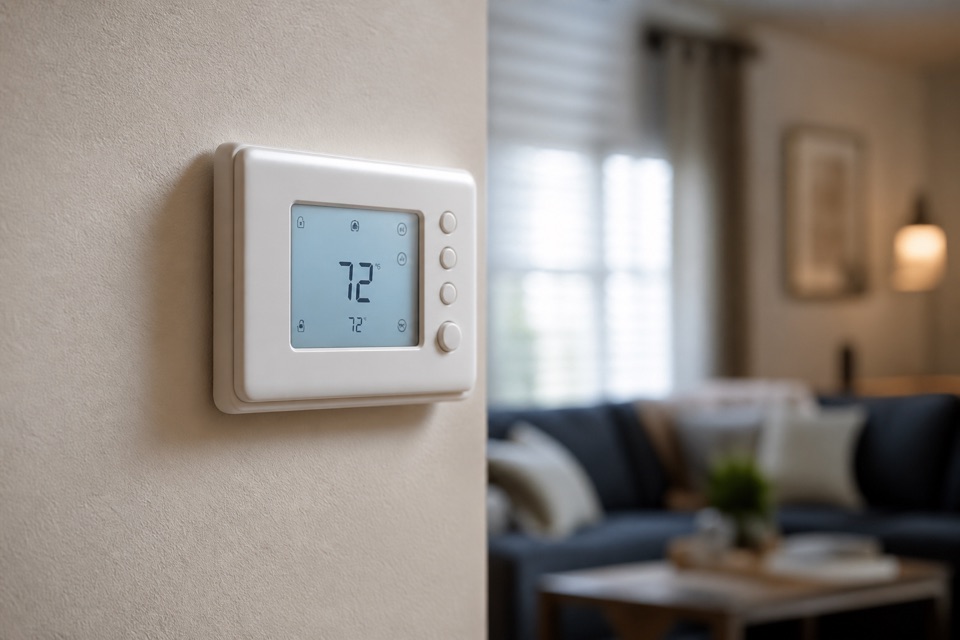
- Check the thermostat settings and power: This sounds overly simple, but a bumped thermostat is a frequent culprit. Verify that the system is set to the correct mode (heating or cooling) and that the fan is set to "Auto" rather than "On." If the fan is set to "On," it will blow air continuously, even when the heating or cooling cycle is not actively running, resulting in room-temperature air coming from the vents. Additionally, if the display is blank or unresponsive, replace the batteries.
- Inspect and replace the air filter: A heavily soiled filter is the leading cause of airflow restriction and subsequent system failure. When air cannot flow freely through the return vents, the internal coils can freeze over in the summer or the heat exchanger can overheat in the winter. Pull the filter out and hold it up to a light source; if you cannot see light passing through, it is time for a replacement.
- Verify the electrical panel for tripped breakers: HVAC systems draw a substantial amount of electricity, especially during heavy system loads in peak heating or cooling season. Check your home's main electrical panel to see if the dedicated breaker for the furnace or air conditioner has tripped. If it has, reset it once. If it trips a second time immediately, stop—this indicates a serious electrical short that requires professional attention.
One local homeowner experienced furnace issues on a Saturday morning this past spring, expecting a long wait for a weekend appointment. Before immediately rolling a truck, the technician offered basic troubleshooting steps over the phone. When those initial checks failed to resolve the issue, the technician came to the house and quickly got the furnace running again. Running through these basics establishes a helpful baseline for the technician. Establish a hard rule for yourself: if the thermostat is set correctly, the filter is clean, and the breaker is on, it is time to stop and schedule an AC maintenance tune-up or repair.

Knowing Your Limits: When DIY Troubleshooting Becomes Dangerous
While checking a filter or a thermostat is perfectly safe, attempting to diagnose internal components crosses a dangerous line. Modern heating and cooling equipment is highly complex, involving high-voltage electricity, pressurized chemicals, and combustible gases. Explicitly knowing your limits protects you from physical injury and prevents accidental damage to your expensive equipment.
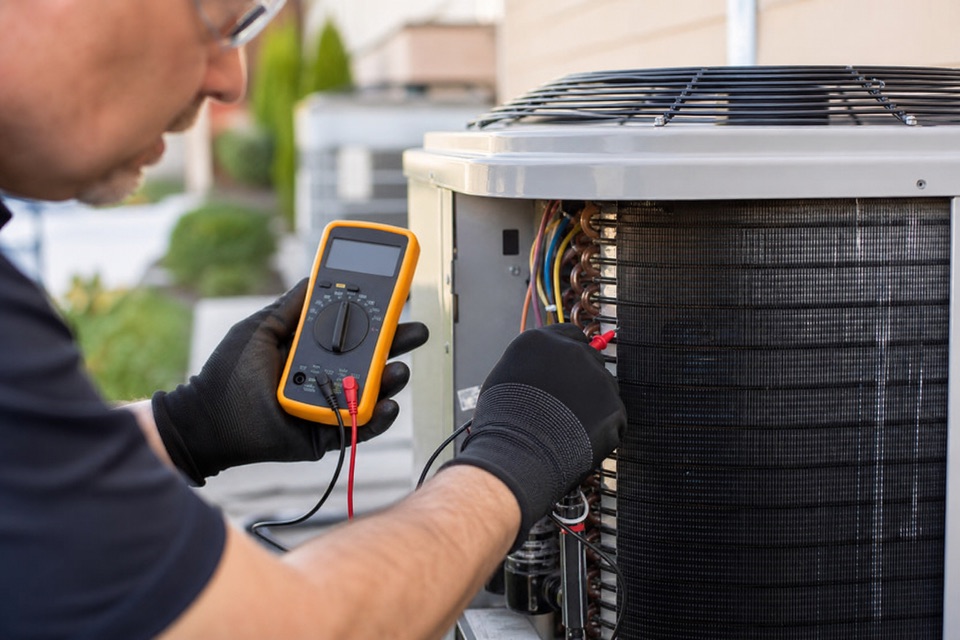
High Voltage Hazards: The air handler and condenser cabinet house capacitors that store massive amounts of electrical energy, even after the main power is shut off at the breaker. Touching the wrong terminal can result in a severe, life-threatening shock. Professional technicians use specialized multimeters to verify that voltage is completely discharged before ever placing their hands near internal wiring.
Refrigerant Handling Regulations: If you suspect your system is blowing warm air due to low refrigerant, this is never a DIY fix. Refrigerant handling requires specific EPA Section 608 certification. The chemicals operate under extreme pressure and can cause instant frostbite upon contact with the skin. Furthermore, technicians use calibrated manifold gauges to measure superheat and subcooling—metrics that tell them exactly how much refrigerant is needed. Overcharging a system is just as damaging as undercharging it, often leading to a blown compressor.
Protecting Your Warranty: Tampering with internal components, splicing wires, or attempting to solder lines will almost certainly void your manufacturer warranty. Most major brands stipulate that any internal repairs or part replacements must be performed by a licensed professional to keep the coverage active. Professional technicians have the rigorous training necessary to navigate these hazards safely, ensuring the repair is done correctly the first time without compromising your safety or your warranty status.
How HVAC Maintenance Plans Prevent Panic-Inducing Breakdowns
The Problem: Homeowners often find themselves trapped in a cycle of reactive repairs, waiting until a system completely fails during peak heating or cooling season before paying attention to it. This approach leads to panic-inducing breakdowns, emergency dispatch fees, and uncomfortable days waiting for parts to arrive.
The Cause: Sudden failures rarely happen overnight. They are usually the result of minor, cumulative wear and tear that goes unnoticed. A slightly clogged drain line, a slowly degrading capacitor, or a fan motor working through heavy friction will eventually push the system past its breaking point. When these small issues are ignored, the system works harder, draws more electricity, and eventually shuts down to prevent catastrophic failure.
The Solution: Routine preventative care bridges the gap between reactive troubleshooting and reliable comfort. Enrolling in a proactive plan allows technicians to catch the exact issues that lead to sudden failures before they escalate. During a comprehensive visit, professionals clean the coils, lubricate moving parts, and measure electrical draws to identify components that are nearing the end of their lifespan.
Beyond preventing breakdowns, there is a significant financial benefit to this approach. Regular maintenance helps systems maintain up to 95 percent of their original operating efficiency, directly lowering your monthly utility bills. Understanding why annual HVAC maintenance is important shifts your mindset from waiting for an emergency to enjoying a predictable, scheduled routine. The true value of a maintenance plan is the quiet confidence that comes with knowing your equipment is professionally monitored and optimized year-round.
Year-Round Stress: Why Continuous Operation Demands Proactive Care
Equipment wear and tear is heavily influenced by the environment it operates in. In the Pacific Northwest, the climate dictates a demanding schedule for home comfort systems. With our damp, cold winters transitioning directly into increasingly warm summers, local heat pumps and air handlers rarely get a break. This continuous, year-round operation places a heavy workload on every moving part inside the cabinet.
During the winter, heat pumps work diligently to extract ambient heat from the chilly, moisture-heavy air, often running frequent defrost cycles to prevent ice buildup on the outdoor coils. As the season shifts, the system immediately pivots to air conditioning mode, managing heavy condensation and working to lower the indoor humidity. Because the equipment is constantly cycling to meet the demands of the weather, the internal blower motors, contactors, and compressors degrade at an accelerated rate compared to regions with milder, more distinct seasons.
Seasonal transitions are the most common times for sudden underperformance to manifest. A system that barely survived the heavy workload of winter is highly likely to fail on the first hot day of summer if it hasn't been properly inspected. A maintenance plan ensures that the system is specifically calibrated for the upcoming seasonal shift. Technicians clear out the winter debris, check the summer condensate drains, and adjust the blower speeds to ensure the system is ready to handle the unique stresses of the next several months without interruption.
Smart Diagnostics: Why a Documented Service History Matters
One of the most overlooked benefits of consistent professional care is the creation of a comprehensive service history. Diagnosing an older system with zero service records is incredibly difficult. Without a baseline, a technician has to evaluate every single component from scratch, often spending extra time ruling out variables that could have been easily verified with a quick glance at past notes.
When a technician was called this past spring to service a 20-plus-year-old furnace with no prior service records, the lack of history meant they had to perform extensive verification and a deep cleaning just to establish a safe baseline. While the furnace was ultimately confirmed to be working well after the comprehensive cleaning, having a documented history would have streamlined the entire diagnostic process.
This is where Trust All Red stands apart. Our reliable, professional technicians rely heavily on comprehensive service history tracking to drive smart, data-backed decisions. By logging voltage readings, refrigerant pressures, and component conditions during every visit, we build a detailed health profile of your equipment. This historical data allows our team to spot long-term degradation trends rather than just guessing at the cause of a sudden failure.
If a capacitor was reading slightly low last year and has failed this year, the technician knows exactly what happened. This level of tracking empowers technicians to make accurate, cost-effective recommendations regarding whether to repair a failing part or replace the entire unit. A maintenance plan is the absolute best way to build this valuable diagnostic history, ensuring that every time a technician visits your home, they are fully informed about your system's unique quirks and performance metrics.
Assessing System Health: Diagnostics vs. Comprehensive Tune-Ups
Homeowners often wonder what type of service they actually need when their system is acting up. Understanding the difference between a targeted diagnostic inspection and a comprehensive tune-up helps you make the right call for your home's needs.
| Service Feature | Diagnostic Inspection | Comprehensive Tune-Up |
|---|---|---|
| Primary Purpose | Identify the root cause of a specific, active failure or underperformance issue. | Holistic cleaning, calibration, and preventative maintenance of the entire system. |
| Scope of Work | Targeted testing of suspected failing components (e.g., testing a specific motor or checking for a leak). | System-wide checklist including coil cleaning, lubrication, electrical testing, and airflow balancing. |
| Timing | Reactive: Scheduled when the system is broken, making strange noises, or blowing warm air. | Proactive: Scheduled bi-annually during seasonal transitions before the heavy weather hits. |
| Expected Outcome | A definitive answer on what is broken and a quote for the necessary repair. | Restored efficiency, extended equipment lifespan, and prevention of future breakdowns. |
An inspection is highly focused. If your system is currently failing to cool your home, the technician's primary goal is to find the broken part and provide a solution. Conversely, a tune-up assumes the system is generally operational but needs to be optimized to stay that way. Maintenance plans bundle these comprehensive tune-ups into an easy, predictable schedule, actively preventing the need for isolated, stressful diagnostic calls. If your system is currently broken, you need an AC inspection and testing appointment. If it is running but hasn't been serviced in over a year, a tune-up is the right choice.
Frequently Asked Questions About HVAC Performance and Maintenance
Why is my HVAC system blowing room-temperature air?
This is usually caused by a dirty air filter restricting airflow or a simple thermostat misconfiguration. When the filter is clogged, the system cannot pull in enough air to heat or cool, causing safety switches to shut off the main heating or cooling elements while the fan continues to blow. It can also indicate that the thermostat fan is set to "On" instead of "Auto." If those basic items are clear, the issue may be a refrigerant leak or a failing compressor that requires professional attention.
What HVAC troubleshooting can I do myself safely?
You should limit your DIY efforts to checking the thermostat settings, replacing the air filter, and verifying the electrical breaker. These three steps require no tools and pose no risk of electrical shock or chemical exposure. You should never attempt to open the equipment cabinet, handle internal electrical components, or tamper with the refrigerant lines, as these actions are highly dangerous and can void your manufacturer warranty.
Is an HVAC maintenance plan worth it?
Yes, maintenance plans easily offset their upfront cost by preventing expensive emergency dispatches and significantly extending the overall lifespan of your equipment. Routine care ensures the system maintains peak operating efficiency, which directly lowers your monthly energy costs. Furthermore, the priority service and discounted repair rates included in most plans provide immense value and security during extreme weather events.
When should I call an HVAC technician?
You should call a professional immediately if the system makes unusual grinding or squealing noises, emits strange burning odors, or completely fails to respond to basic thermostat resets. Additionally, if you find yourself constantly adjusting the thermostat but the home never reaches the desired temperature, it is time for an expert evaluation. Ignoring these warning signs usually leads to more severe mechanical damage.
Does a documented service history actually save time on repairs?
Yes, having a detailed log of past performance helps technicians quickly identify chronic issues versus entirely new failures, which speeds up the diagnostic time considerably. When a technician can see exactly what the electrical draws and refrigerant pressures were during the last visit, they do not have to guess at the baseline. This data-driven approach leads to highly accurate, cost-effective repair recommendations.
How often should Pacific Northwest homeowners schedule HVAC maintenance?
Due to the heavy, year-round usage required to manage damp winters and warm summers, bi-annual maintenance is highly recommended. You should schedule a cooling tune-up in the spring to prepare the air conditioner and a heating tune-up in the fall to prepare the furnace or heat pump. This frequency ensures the system is properly calibrated for the unique demands of each upcoming season.
Take the Guesswork Out of Your Comfort with Preventative Care
Having common homeowner questions answered gives you the confidence to know exactly how to handle sudden system underperformance. By keeping a clear, simple troubleshooting checklist in mind, you can prevent unnecessary panic and avoid paying dispatch fees for minor user errors. When you know your safe DIY limits, managing your home's comfort becomes much less intimidating.
However, the ultimate solution to performance anxiety is stepping away from reactive repairs and embracing proactive, professional care. Regular tune-ups catch the hidden wear and tear that leads to sudden failures, ensuring your equipment runs efficiently through every peak heating or cooling season. Protect your investment, lower your energy bills, and take the guesswork out of your comfort by exploring a preventative maintenance plan today.
Related Articles
Ready to Get Started?
Whether you need a repair, maintenance, or a new installation, our expert team is here to help.