Managing Indoor Humidity During August Heatwaves in the Pacific Northwest
Trust Allred
If your home feels cold but clammy during late-summer heat, your AC might be short-cycling and failing to remove moisture. See why oversized units struggle and how to restore comfort.
The Late-Summer Paradox: Cold Air but a Sticky Home
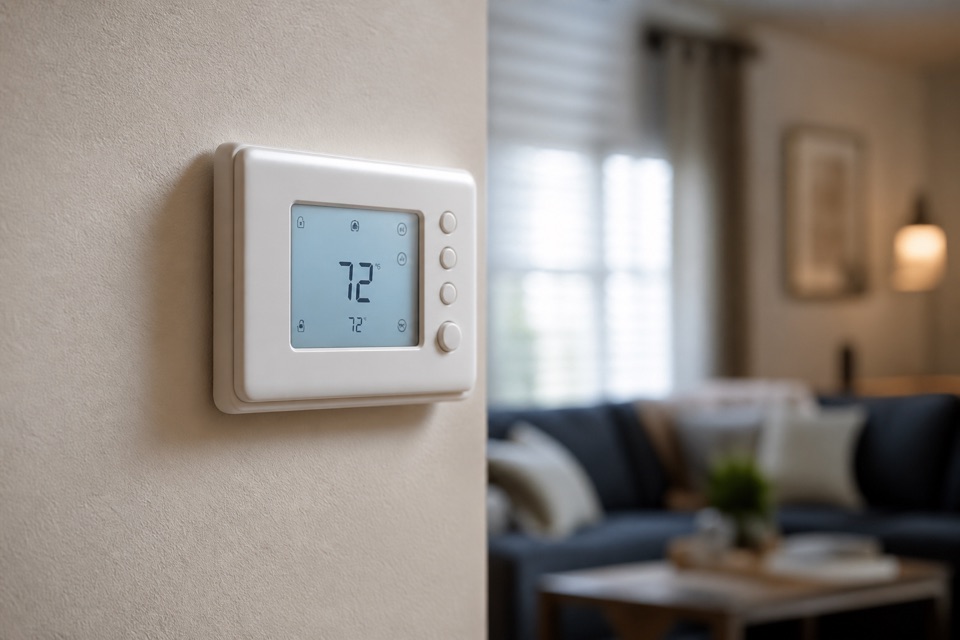
When the heat spikes late in the season, managing indoor humidity during August heatwaves in the Pacific Northwest becomes just as critical as lowering the temperature on your thermostat. Here at Trust All Red, our team frequently hears from local homeowners who walk into their living room, check the wall, and see that the system registers a perfectly reasonable 70 degrees. Yet, the air feels heavy, your skin feels sticky, and the environment is deeply uncomfortable. This cold-but-clammy phenomenon is a frustrating reality for many in our local area during late-summer August weather patterns.
Lowering the temperature is only half of what an air conditioning system is actually supposed to do. A truly functional cooling system must also actively remove moisture from the air. Late-summer heatwaves in this region often bring unexpected marine layer interactions, pulling moisture inland and causing sudden indoor humidity spikes that older or poorly optimized systems simply cannot handle. Solving this clammy discomfort requires understanding whether you need simple behavioral adjustments, supplemental equipment, or professional diagnostics to get your system back on track.
For comprehensive air conditioning services or immediate guidance on optimizing your home's climate, reaching out to a certified technician ensures your system is equipped to handle the heavy moisture load.
Sensible vs. Latent Cooling: What Your AC is Actually Doing
To understand why your home feels like a damp cave, you have to look at the physics of how air conditioning works. Cooling a home involves two distinct processes: sensible cooling and latent cooling. When a system fails to balance these two functions, comfort suffers dramatically.
Sensible cooling refers to the actual drop in air temperature that you can feel and measure with a standard thermometer. When your thermostat drops from 80 degrees to 72 degrees, you are witnessing sensible cooling in action. Latent cooling, on the other hand, is the removal of moisture (humidity) from the indoor air. This process requires the airborne water vapor to condense into liquid water on the system's cold evaporator coil, where it then drips into a drain pan and is channeled out of your home.
Because central AC was historically rare in the Pacific Northwest, our technicians at Trust All Red often encounter modern retrofits that do not accurately account for the unique regional insulation and climate profiles. Installers often focus entirely on sensible cooling power, leading to massive performance gaps when the humidity rises. According to ASHRAE guidelines, an air conditioning unit typically needs to run continuously for 15 to 20 minutes before the evaporator coil gets cold enough to effectively extract moisture. Without sufficient run time, the system only performs sensible cooling, leaving the latent heat (humidity) trapped indoors.
If your system shuts off before it can extract that moisture, you may need professional AC repair to adjust blower speeds or assess the unit's overall cooling cycle.
The 20-Minute Moisture Benchmark
The condensation process on the evaporator coil is not instantaneous. When the system first kicks on, the coil begins to drop in temperature. For the first ten minutes, the coil is cold enough to chill the air passing over it, but often not cold enough to reach the dew point required to pull water vapor out of the air. It takes sustained, continuous operation—usually hitting the 20-minute mark—for the coil to become a highly effective dehumidifier. Short bursts of cold air fail to trigger this condensation cycle, which is why a system that cools your house too quickly will inevitably leave it feeling damp.

The 'Bigger is Better' Myth and the Trap of Short-Cycling
One of the most persistent and damaging misconceptions our team encounters in home comfort is the idea that a more powerful, higher-tonnage AC unit will automatically provide better cooling. In reality, an oversized air conditioner is the primary culprit behind a cold, clammy house. When a unit is too large for the square footage and thermal load of the home, it falls into a trap known as short-cycling.
Short-cycling occurs when an oversized unit blasts a massive volume of cold air into the home, satisfying the thermostat's temperature setting in under 10 minutes, and abruptly shutting off. Because the sensible cooling happens so rapidly, the system never reaches that crucial 20-minute benchmark required for latent cooling. The temperature drops, but the moisture remains entirely untouched.
Beyond leaving your home feeling like a refrigerator, short-cycling puts immense wear and tear on the compressor. The most stressful part of an air conditioner's operation is the startup sequence. A properly sized system will turn on, run for a long, steady cycle, and gently shut down. An oversized system violently starts and stops dozens of times a day, drawing massive amounts of electricity and significantly shortening the lifespan of the equipment. Furthermore, the persistent high humidity creates an environment ripe for poor indoor air quality, as damp air encourages trapped pollutants to linger.
If you suspect your system is too large for your home, scheduling system inspection and testing is the best way to verify its capacity against your home's actual thermal load.
Identifying a Short-Cycling System
How do you know if your system is short-cycling? Look for these distinct warning signs during the next heatwave:
- Frequent on/off cycles: If your system is turning on and off more than 3 to 4 times per hour, it is likely short-cycling.
- Uneven temperatures: Oversized systems shut off so quickly that the blower fan doesn't have time to push the cold air to the furthest rooms in the house, leaving some rooms freezing and others warm.
- Excessive indoor humidity: If the windows feel damp or the air feels heavy despite the AC running constantly, the unit is failing to perform latent cooling.
Immediate Behavioral Adjustments During a Heatwave
While an improperly sized system requires professional intervention, there are several practical, safe steps you can take immediately to manage humidity without attempting any dangerous DIY repairs. Adjusting how you interact with your home and your thermostat can provide temporary relief from the clammy air.
- Check your thermostat fan settings: Ensure the fan is set to 'Auto' rather than 'On'. When the fan is set to 'On', it continues to blow air over the indoor coil even after the cooling cycle has finished. This takes all the moisture that just condensed on the wet evaporator coil and immediately re-evaporates it, blowing it right back into your living space.
- Manage indoor moisture sources: Your daily activities add a surprising amount of water vapor to the air. Run exhaust fans during cooking and showering, and leave them on for at least 15 minutes after you finish. Avoid boiling large pots of water or running the dishwasher during the peak heat of the afternoon.
- Keep windows and blinds closed: During the day, block solar heat gain by keeping blinds drawn, particularly on south- and west-facing windows. Keep windows tightly shut to prevent humid outdoor air from infiltrating your conditioned space.
- Change your HVAC air filters: A clogged air filter restricts airflow over the evaporator coil. When airflow is reduced, the system struggles to pull enough warm, moist indoor air across the cold coils to effectively complete the cooling and dehumidification cycle. Swap out dirty filters to ensure maximum breathability for the system.
These behavioral shifts won't fix a fundamentally broken or oversized unit, but they will give a struggling system a fighting chance to keep your indoor air manageable during a severe temperature spike.
How Mechanical Issues Sabotage Moisture Removal
Sometimes, the root cause of a clammy home isn't an oversized unit, but rather a lack of maintenance and mechanical faults that mimic the exact same symptoms. When a system is mechanically compromised, its ability to remove moisture plummets, leaving you with cold, sticky air.
Low refrigerant levels are a common culprit. The refrigerant is the lifeblood of the cooling cycle; it is the chemical responsible for absorbing heat and moisture from your indoor air. If there is a leak in the lines, the evaporator coil cannot reach the correct, uniform temperature required for effective dehumidification. In severe cases, low refrigerant can cause the coil to freeze over entirely, stopping the cooling process dead in its tracks. Similarly, a thick layer of dust and dirt on the evaporator coil acts as an insulating blanket. This grime blocks the warm indoor air from actually making contact with the cold metal of the coil, severely restricting the transfer of both heat and moisture.
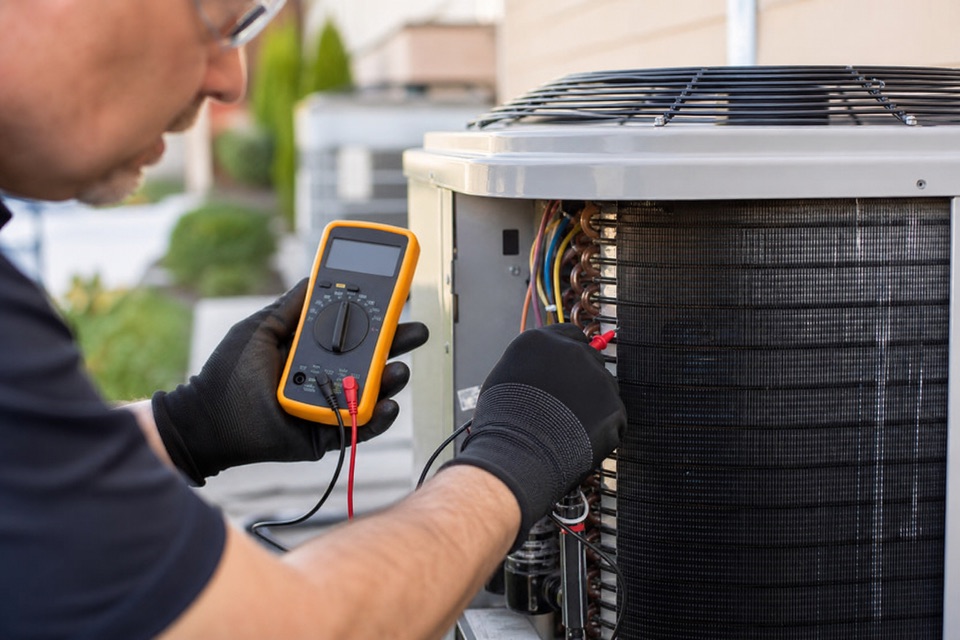
Diagnosing refrigerant leaks or cleaning deep internal coils requires specialized gauges, recovery tanks, and EPA certification. It should never be attempted as a DIY project. The importance of professional intervention cannot be overstated. In fact, our team at Trust All Red recently responded to a local homeowner during a severe summer heatwave when their air conditioning unit stopped working entirely just before record-breaking high temperatures hit over the weekend. Our technician diagnosed a failing component, replaced the faulty part, and restored the necessary refrigerant, getting the house cooled down and properly dehumidified before the worst of the heat arrived.
To prevent these sudden breakdowns and ensure your system handles high moisture loads efficiently, investing in routine AC maintenance before extreme weather hits is essential.
Long-Term Solutions: Supplemental Dehumidification vs. Right-Sizing
If you have corrected your thermostat settings, changed your filters, and had a technician verify that your system is mechanically sound, yet your home still feels clammy, you are facing a larger decision point. Permanently resolving a severe humidity issue usually comes down to two long-term solutions: adding supplemental dehumidification or right-sizing the HVAC equipment.
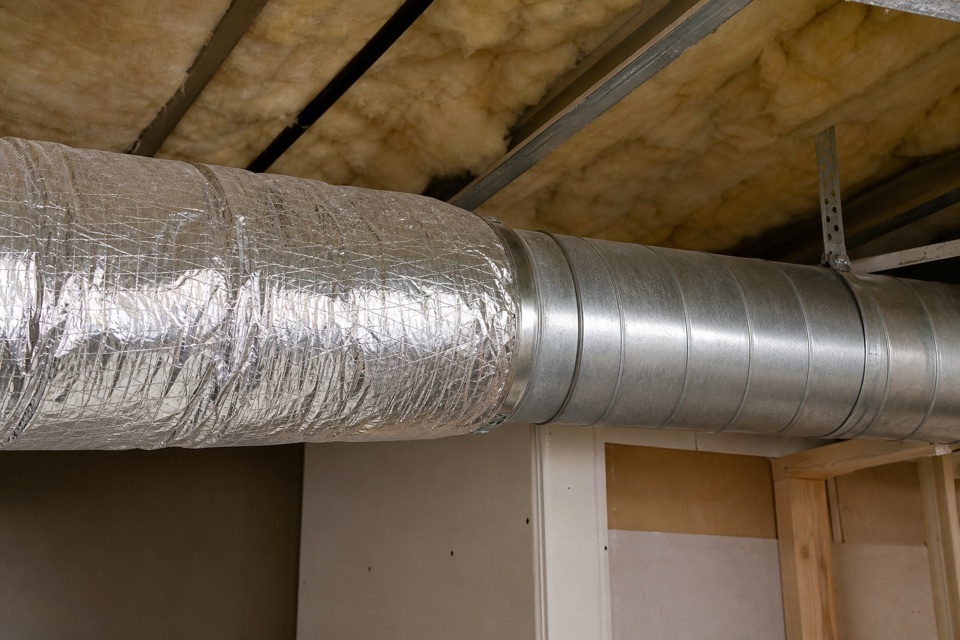
For homes where the existing AC is relatively new but slightly oversized, a whole-home dehumidifier is an excellent solution. These units integrate directly into your existing ductwork and operate independently of the cooling cycle. If the thermostat registers 70 degrees but the humidity is at 60%, the AC stays off while the dehumidifier kicks on, pulling moisture out of the air without dropping the temperature any further.
Alternatively, if your system is aging and due for replacement, upgrading to a variable-speed compressor is the ultimate fix. Unlike a standard single-stage AC that blasts at 100% capacity until it shuts off, a variable-speed system can throttle its output down to 30% or 40% capacity. It runs low and slow for hours at a time, perfectly matching the home's thermal load. This continuous, low-capacity operation maximizes latent cooling, wringing every drop of excess humidity out of the air while maintaining an incredibly precise temperature. Additionally, qualifying energy-efficient upgrades like this may be eligible for local utility incentive programs or federal tax credits, making the investment more manageable—always consult a tax professional or your utility provider to verify current options.
| Solution | How It Works | Best Use Case |
|---|---|---|
| Whole-Home Dehumidifier | Integrates with ductwork to remove moisture independently of the AC cooling cycle. | Homes with newer, slightly oversized ACs or areas with high humidity but moderate temperatures. |
| Variable-Speed AC | Adjusts compressor speed to run longer, slower cycles that maximize moisture extraction. | Homes needing full HVAC replacement or suffering from severe short-cycling and temperature swings. |
Whichever path you choose, a professional Manual J load calculation is an absolute necessity. This complex mathematical formula takes into account your home's square footage, window placement, insulation quality, and regional climate factors to determine the exact tonnage required. Professional AC sizing and maintenance by trusted technicians is the only way to prevent short-cycling and ensure optimal dehumidification. Guesswork simply does not work.
When to Consider Equipment Replacement
Before investing heavily in repairs, evaluate the current state of your equipment. Consider the age of the current system; units over 10-12 years old are likely losing efficiency and may not justify the cost of major mechanical overhauls. Track the frequency of repairs and short-cycling symptoms, as repeated breakdowns are a clear sign of a failing system. Finally, if you are dealing with persistent poor indoor air quality, mold risks, and comfort issues, a clean slate with properly sized equipment is often the most cost-effective long-term choice. For more on understanding system warnings, consider decoding your AC's weird noises to catch early signs of failure.
Frequently Asked Questions About Summer Humidity and AC Performance
Why does my house feel damp when the AC is running?
The short answer is that your AC is cooling the air but not running long enough to extract the moisture, usually due to being oversized. When a system is too large for the space, it blasts cold air and satisfies the thermostat rapidly, shutting down before the latent cooling cycle can remove the water vapor from the indoor air.
How long should an AC run to remove humidity?
A properly sized system should run continuously for at least 15 to 20 minutes per cycle to effectively remove latent heat. It takes this amount of time for the evaporator coil to reach the sustained low temperatures required for airborne moisture to condense into water droplets and drain away.
What is AC short-cycling?
Short-cycling happens when a system turns on and off rapidly, typically cooling a space in under 10 minutes. This prevents the unit from completing a full dehumidification cycle, leaves the home feeling clammy, and puts extreme mechanical wear and tear on the compressor due to the constant starting and stopping.
Does leaving the AC fan on 'On' help with humidity?
No, leaving the fan 'On' blows air over the wet evaporator coil, reintroducing moisture back into the home. Always use the 'Auto' setting so the fan shuts off at the exact same time the cooling cycle ends, allowing the condensed water to properly drain out of the system.
Can a dirty air filter cause high indoor humidity?
Yes, restricted airflow prevents the system from drawing enough warm, moist indoor air over the cold coils to effectively dehumidify the space. A clogged filter chokes the system, reducing its ability to process the air volume necessary for both sensible and latent cooling.
Restore True Comfort to Your Home Before the Next Heatwave
A cold but clammy home is a clear sign of an improperly sized or struggling mechanical system, not a normal part of late-summer weather. You do not have to settle for sticky, uncomfortable indoor air just because the temperatures are rising outside. Managing indoor humidity effectively requires a system that runs long enough to do the job right.
If your system is short-cycling or failing to keep the air dry, it is time to seek professional diagnostics to evaluate your system's runtime, mechanical health, and overall sizing. Schedule an inspection and secure professional AC repair before the next major temperature spike hits, ensuring you have a clear, logical path to real comfort.
Related Articles
Ready to Get Started?
Whether you need a repair, maintenance, or a new installation, our expert team is here to help.