Why Your AC Tripped the Breaker During the Hottest Day of the Year
Trust Allred
Coming home to a sweltering house and a tripped AC breaker is incredibly frustrating. Find out why extreme heat overworks your system and why flipping the switch back on could cause fatal damage.
Coming Home to a Hot House: The Evening Breaker Trip
Summer temperatures are hitting record highs across the region, and wondering why your AC tripped the breaker during the hottest day of the year is an incredibly frustrating way to start your evening. At Allred Heating Cooling Electric, our dispatch team fields countless calls about this exact scenario. The late afternoon sun has been baking your roof for hours, the house is sweltering, and the one piece of equipment supposed to provide relief is completely unresponsive. You check the electrical panel, and sure enough, the switch for the air conditioner is sitting firmly in the middle, tripped position.
When this happens, the immediate temptation is to simply flip the switch back on and hope for the best. However, as our technicians always warn homeowners, a tripped breaker is rarely a simple electrical nuisance or a random fluke. It is actually a critical mechanical failsafe that is actively protecting your expensive compressor from catastrophic failure.
During a severe 7 PM evening heat load, when temperatures have peaked and your home has absorbed hours of solar radiation, your cooling equipment is working at maximum capacity. If a component begins to fail or overheat, the system draws a massive surge of electricity. The breaker detects this dangerous electrical surge and cuts the power before the wiring can melt or the compressor can destroy itself.
This leaves you with a crucial decision point: leaving the system off to diagnose the root cause is inherently safer than immediately forcing it back on. By understanding the mechanical strain behind the trip, you can make informed decisions about your air conditioning services and prevent a minor repair from turning into a full system replacement.
The Science of High Amperage Draw During Extreme Heat
To understand why air conditioners overload electrical circuits, you have to look at the mechanical physics of refrigeration during peak summer heat. An air conditioner does not actually create cold air; it absorbs heat from inside your home and pumps it outside. When the outdoor temperature skyrockets, the system has to work significantly harder to reject that heat into an already hot environment.
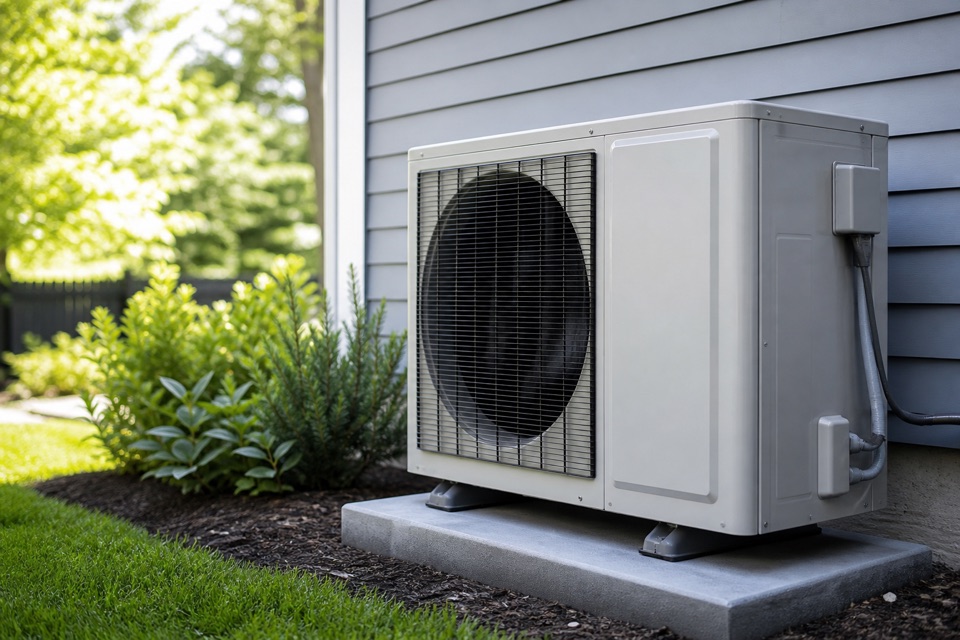
In our experience servicing local homes, sudden, prolonged temperature spikes during Pacific Northwest and Washington summer heatwaves put unprecedented continuous strain on local residential AC systems. Many of these systems were not historically designed for such prolonged, extreme heat. As the outdoor temperature rises, the pressure of the refrigerant inside the condenser unit (known as head pressure) increases dramatically.
This increased head pressure forces the compressor motor to push against immense physical resistance. To keep the refrigerant flowing and the house cooling, the compressor demands more electrical power. It begins to draw significantly higher amperage. If the system is already compromised by age, poor maintenance, or failing parts, this continuous, long cooling cycle prevents the machinery from resting. The electrical strain compounds minute by minute until the amperage draw exceeds the safety limit of the circuit breaker.
| Operating Condition | System Strain Level | Amperage Draw | Breaker Trip Risk |
|---|---|---|---|
| Mild Weather (75°F) | Low to Moderate | Normal baseline current | Very Low |
| Standard Summer (85°F) | Moderate | Slightly elevated, within safe limits | Low |
| Extreme Heatwave (95°F+) | Severe | High current, pushing maximum capacity | Moderate to High |
| Extreme Heat + Dirty Filter | Critical | Excessive current, thermal overload | Imminent |
As the table illustrates, heat alone pushes the system near its limits. When you add any mechanical restriction to that peak summer heat, the breaker is forced to intervene to stop an electrical fire or a total motor burnout.
The Hidden Dangers of the 'Quick Reset'
Warning: Repeatedly resetting a tripped AC breaker can cause permanent compressor burnout, destroy internal wiring, or create hazardous electrical arching inside your panel.
The National Electrical Code (NEC) approaches circuit breakers strictly as safety devices. From an electrical safety perspective, a tripped breaker indicates a definitive fault in the line, not a temporary glitch. When you force a compromised system to run by repeatedly resetting the breaker during a 7 PM evening heat load, you are overriding the exact safety mechanism designed to protect your home.
Every time you flip that switch back on while a mechanical fault exists, massive amounts of current rush into a motor that cannot process it. This generates intense heat inside the compressor's electrical windings. Eventually, the insulation on those wires melts away, causing a short circuit directly to the metal casing—a condition known as a "grounded compressor." Once a compressor grounds out, it is permanently dead, and the repair bill skyrockets.
Our technicians recently helped a local homeowner who experienced this firsthand when their air conditioner stopped working on the hottest day of the year. Calling us for help after 7 PM instead of repeatedly flipping the breaker allowed our team to arrive within an hour, diagnose the true mechanical failure, and safely restore cooling without risking further damage to the unit. Trusting the safety mechanism and calling for emergency AC repair is always the smartest financial and safety decision you can make.
Common Mechanical Culprits Behind the Trip
When the breaker cuts power to your cooling system, the root cause usually lies within the HVAC equipment itself. During our routine summer service calls, our team typically sees a few common triggers. Identifying these can help you understand why your system is struggling and why professional intervention is necessary.
- Dirty air filters: A clogged filter suffocates airflow, forcing the blower motor to work harder and run hotter until it overloads the circuit.
- Failing run capacitors: If the capacitor is weak, it cannot provide the necessary electrical jolt to start the compressor, resulting in a massive, prolonged amperage spike.
- Dirty condenser coils: Blankets of dirt, pollen, or cottonwood on the outdoor unit trap heat inside, driving up head pressure and electrical draw.
- Low refrigerant levels: A leak causes the system to run continuously without ever satisfying the thermostat, eventually overheating the compressor.
- Grounded compressors: Internal electrical failure causes the motor to short out, which will trip the breaker instantly every time power is applied.
Addressing these issues early through routine AC maintenance is the most effective way to prevent mid-summer breakdowns.
Airflow Restrictions and Overheating
The most common, yet easily preventable, cause of an overloaded system we see is restricted airflow. Your air conditioner relies on a precise volume of air moving across the indoor evaporator coil to function correctly. When a filthy air filter blocks that airflow, the coil can actually freeze over into a block of solid ice. The blower motor then strains against this blockage, drawing excessive amperage until the breaker trips. There is a direct correlation between skipped seasonal maintenance and emergency breaker trips during peak summer heat.
Electrical Component Degradation
Inside your outdoor condensing unit sits a small, cylindrical part called a run capacitor. This component stores electricity and releases it to help the heavy compressor motor start up and keep running smoothly. Extreme heat accelerates the degradation of these electrical components. When a capacitor fails, the compressor tries to start but cannot overcome the mechanical resistance. It sits there humming, pulling "locked rotor amps"—a surge of electricity up to five times the normal operating current—which immediately trips the breaker.
HVAC vs. Electrical: When the Panel is the Problem
While the majority of AC breaker trips stem from mechanical strain, there are instances where the air conditioning equipment is functioning perfectly, but the electrical infrastructure is failing. Circuit breakers are mechanical devices with internal springs and contacts. Over time, especially if they have been tripped and reset multiple times, these internal components wear out. A "weak breaker" will trip at a much lower amperage than its rated capacity.
This creates immense frustration for homeowners. A standard HVAC technician might check the air conditioner, find no mechanical faults, and tell you to hire an electrician. An electrician might check the panel, see the AC pulling high amps, and tell you to call an HVAC company back out. You end up paying two dispatch fees while your house remains sweltering under the 7 PM evening heat load.
This complexity is exactly why one of our customers, dealing with ongoing heat pump issues over three years, ultimately required our comprehensive diagnostic service rather than just simple breaker resets. The interplay between high-voltage electrical panels and complex mechanical cooling systems requires deep expertise in both fields.
Signs the issue might be at the electrical panel:
- The breaker switch feels physically hot to the touch.
- You hear a buzzing or crackling sound coming from the electrical box.
- The breaker trips instantly the millisecond you try to reset it, before the AC even has a chance to turn on.
- There is a faint burning smell near the breaker box.
Because our team holds dual licensing in both HVAC and electrical trades, Allred Heating Cooling Electric acts as your ultimate single-call solution. This eliminates the headache of hiring two separate contractors to diagnose whether the fault lies in the mechanical cooling equipment or the home's electrical panel.
Safe Steps to Take Before the Technician Arrives
If you find yourself in a hot house with a tripped breaker, we recommend taking a few safe, user-level actions to protect your home while you wait for our technicians to arrive.
- Turn the thermostat to the "OFF" position: This prevents the system from immediately calling for cooling if power is restored, preventing sudden electrical surges.
- Leave the breaker off: Do not attempt to reset the breaker again. Leave it in the tripped or "off" position to ensure no live current is being sent to a potentially shorted motor.
- Check the indoor air filter: Locate your return air filter. If it is visibly coated in a thick layer of dust and hair, remove it and replace it with a clean one. This is a safe, necessary step that helps rule out severe airflow restriction.
- Inspect the outdoor unit visually: Walk outside and look at the condenser. Ensure there are no large branches, debris, or dense weeds blocking the metal fins. Do not attempt to open the unit.
What NOT to do: Never attempt to open the electrical panel cover to inspect wiring. Never remove the access panel on your outdoor air conditioner to test capacitors, contactors, or high-voltage components. These systems hold lethal amounts of electricity even when the breaker is off. Always leave internal diagnostics to professional AC technicians who have the training and licensing to handle high-voltage equipment safely.

Frequently Asked Questions About AC Breaker Trips
Is it safe to turn my AC back on after it trips the breaker?
The short answer is no, unless you just resolved a known, simple issue like replacing a completely blocked air filter. A single reset may be attempted if you have corrected an obvious airflow problem, but generally, we do not recommend it without a professional diagnosis. Forcing the system to run with a mechanical fault can destroy the compressor.
Why does the AC breaker trip only on hot days?
Extreme heat increases the refrigerant head pressure inside the outdoor unit, forcing the compressor motor to push against severe physical resistance. To keep running, the compressor must draw more electrical current. When the heat is extreme enough, this amperage draw pushes past the breaker's safety limit, causing it to trip and cut the power.
How long should I wait to turn the AC back on after it trips?
If you are attempting a single reset after changing a dirty filter, wait at least 30 minutes before turning the power back on. This allows the compressor's internal thermal overload protector to cool down and reset itself. However, calling our professionals to inspect the system is always the safer route to prevent permanent damage.
Can a bad capacitor cause the breaker to trip?
Yes. A failing run capacitor cannot provide the necessary voltage boost to start the compressor motor. When the compressor tries to start without this boost, it stalls and pulls massive amounts of electricity—often up to five times its normal operating current. This massive amperage spike instantly trips the breaker.
Why does my AC trip the breaker after running for 15 minutes?
This usually indicates a progressive overheating issue, such as restricted airflow, low refrigerant, or a failing fan motor. The system runs normally at first, but because it cannot effectively dissipate heat, the internal temperatures rise steadily over those 15 minutes. Once it gets too hot, the thermal overload engages or the amperage spikes, tripping the breaker.
Restore Your Comfort Safely and Reliably
A tripped breaker during the peak summer heat is a clear symptom of a larger mechanical or electrical strain on your cooling system. While it is incredibly frustrating to deal with a hot house, that breaker is doing its job to protect your property from hazardous electrical overloads and your compressor from fatal burnout.
We cannot overstate the importance of professional diagnosis. Guessing at the problem or repeatedly flipping the switch can easily turn a minor capacitor replacement into a catastrophic failure. If your system is refusing to run, leave the power off and schedule a comprehensive inspection with us. By relying on our dual-licensed experts to evaluate both the mechanical cooling equipment and the electrical panel, you can safely restore your home's comfort and ensure your system is ready to handle the rest of the summer heat.
Ready to Get Started?
Whether you need a repair, maintenance, or a new installation, our expert team is here to help.