Why Smoke Detectors False Alarm When You Turn on the Heater for the First Time
Allred
A blaring smoke alarm during your first furnace startup is usually caused by harmless dust burn-off. We break down how to tell the difference between a normal seasonal smell and a real safety hazard.
Is Your First Heater Startup Setting Off Alarms?
Are your smoke alarms blaring just minutes after you turned the thermostat to "heat" for the first time this season? If you are wondering why smoke detectors false alarm when you turn on the heater for the first time, you are definitely not alone. At Allred Heating Cooling Electric, our dispatch team fields dozens of these frantic calls every November from Auburn homeowners. It is a startling experience that sends many rushing through their hallways, searching for flames that do not exist.
During a crisp November first-time furnace startup, the sudden shriek of an alarm and a faint burning odor can easily trigger panic. The good news is that this phenomenon is incredibly common and usually harmless, stemming from a simple process known as dust burn-off. However, knowing the difference between normal seasonal startup behavior and a genuine safety hazard is critical for protecting your household.
Before winter weather fully sets in, taking the time to evaluate your home climate control systems ensures they operate safely and efficiently. By scheduling seasonal HVAC maintenance, you can eliminate these stressful false alarms and enjoy reliable warmth without the unnecessary panic.
The Mechanics of First-Startup Dust Burn-Off
To understand why your alarms are triggering, you have to look at what happens inside your heating equipment during the months it sits idle. In our years of servicing the Auburn WA area, we see that the transition from mild summers to chilly, damp falls means systems often sit entirely unused for four to five months. That long dormancy is the primary catalyst for the start-of-season burning smell.
The Summer Dormancy Period
While your furnace or heat pump rests during the spring and summer, the air inside your home continues to circulate. Even if you run your air conditioning frequently, microscopic particles bypass your filters over time. Pet dander, pollen, fabric fibers, skin cells, and standard household dust get pulled into your cold air returns and eventually settle deep inside the ductwork and directly on the heating elements.
Because the heat exchanger remains cool for months, this layer of debris accumulates undisturbed. In the Auburn WA area homes our team visits, the buildup can become quite substantial by the time the ambient temperature drops enough to warrant turning on the heat.
The Ignition and Combustion Phase
When you finally adjust your thermostat and the heating cycle initiates, the burners ignite, and the heat exchanger rapidly climbs in temperature. The layer of settled dust and dander is suddenly subjected to intense heat. Because these particles are highly combustible, they instantly flash-burn.
This micro-combustion is exactly what creates the distinct, dry, dusty burning odor that wafts out of your vents during a November first-time furnace startup. The system is essentially cleaning itself by incinerating the summer's accumulation of debris. While the smell can be strong and unpleasant, it is a normal mechanical reaction to prolonged dormancy.
How Sensitive Ionization Alarms Detect Invisible Particles
We often explain to our customers that a small amount of burning dust can trigger a loud emergency response, even if you do not see any actual smoke in your home. The answer lies in the specific technology used inside your household safety devices.
Photoelectric vs. Ionization Technology
Modern smoke detectors generally rely on one of two primary technologies: photoelectric or ionization. Photoelectric alarms use a beam of light scattered by visible smoke particles, making them excellent at detecting smoldering, smoky fires. Ionization alarms, on the other hand, contain a tiny amount of radioactive material that creates a constant electrical current between two plates. They are designed to detect fast-flaming fires that produce microscopic, invisible particles.
The Role of Micro-Particles in False Alarms
When the dust on your heat exchanger burns off, it rarely produces thick, visible smoke. Instead, it releases thousands of microscopic combustion particles into your ductwork, which are then blown directly into your living spaces. Because ionization alarms are highly sensitive to these invisible micro-particles, they register the disruption in their electrical current almost instantly.
This is why your alarms might start screaming during a November first-time furnace startup before you even notice the burning smell. The detector is reacting to the invisible byproducts of the dust incinerating inside the furnace cabinet.
Why Your Alarm is Actually Doing Its Job
While a false alarm is intensely frustrating, it is actually proof that your safety equipment is functioning exactly as engineered. The ionization sensor detected the byproducts of combustion in the air and alerted you to a potential fire. Understanding this mechanical interaction can provide significant peace of mind when the siren goes off during that first chilly evening.
Dust Burn-Off vs. Real Emergency: What to Look For
Even though dust burn-off is the most common culprit behind a start-of-season alarm, our technicians always advise that you should never automatically assume you are safe. Heating equipment relies on controlled combustion and high-voltage electricity, meaning real emergencies do happen. You need clear, time-bound criteria to distinguish between a harmless nuisance and a dangerous situation.
Normal Dust Burn-Off Symptoms
If you are dealing with standard dust accumulation, the symptoms will be brief and predictable. The odor will smell distinctly like hot dust or dry burning hair. More importantly, the smell should begin to dissipate within 30 to 60 minutes of the first heating cycle. If your alarm triggers, you can temporarily silence it, open a few windows to ventilate the micro-particles, and let the cycle finish.
Signs of a Genuine Heating Emergency
If the situation deviates from a brief, dusty odor, you must take immediate action. Turn off the heating system at the thermostat and investigate further. Understanding what a burnt smell from your HVAC vents means is crucial for protecting your property.
| Symptom | Harmless Dust Burn-Off | Genuine Heating Emergency |
|---|---|---|
| Odor Profile | Dry, dusty, similar to a hot radiator | Melting plastic, ozone, electrical burning, or sulfur |
| Duration | Fades entirely within 30 to 60 minutes | Persists for hours or worsens over time |
| Visual Evidence | Completely invisible; no smoke in the air | Visible smoke or haze exiting the air registers |
| Alarm Behavior | Triggers briefly, stays off once ventilated | Continues to sound repeatedly despite ventilation |

When the Alarm Signals a Real Threat: Carbon Monoxide Risks
While smoke alarms triggering from dust is a nuisance, a different type of alarm sounding during a November first-time furnace startup points to a life-threatening issue. Many modern homes utilize combination smoke and carbon monoxide (CO) detectors. If the CO side of your detector triggers, you are facing a severe hazard that requires immediate evacuation and professional intervention.
The Hidden Danger of Cracked Heat Exchangers
The heat exchanger in your furnace is the metal shield that separates the toxic combustion gases (like carbon monoxide) from the clean air being blown into your home. Over years of expanding and contracting during heating cycles, the metal can fatigue and develop microscopic cracks. When a heat exchanger cracks, odorless, invisible carbon monoxide can leak directly into your home's airstream.
Because you cannot see, smell, or taste carbon monoxide, functional alarms are your only line of defense. If your system shuts down unexpectedly and the CO alarm sounds, do not attempt to reset the system. Open windows, leave the house, and call for emergency diagnostics.
Real-World Consequences of Heating Failures
Ignoring warning signs or neglecting maintenance can lead to serious consequences. For instance, our technicians recently responded to a local homeowner who experienced unexpected heating failure when their furnace quit working entirely during a late-fall cold snap. After reaching out to us for help, our team performed a thorough inspection and discovered a dangerous cracked heat exchanger posing a severe carbon monoxide poisoning risk. Ultimately, we replaced the old furnace, which successfully resolved the immediate health hazard and even improved the household's allergy issues.
This underscores why any alarm sounding in conjunction with system malfunctions must be treated with the utmost respect. Professional diagnostics are the only way to verify the integrity of the heat exchanger.
Stopping False Alarms Before the First Cold Snap
The most effective way to handle a startling false alarm is to prevent it from happening in the first place. Rather than bracing yourself for a burning smell and screaming detectors every fall, you can take proactive steps to ensure a quiet, safe transition into the heating season. The Allred Way focuses on a comprehensive, proactive approach to seasonal maintenance that thoroughly cleans and inspects the system before the cold hits, preventing both nuisance alarms and real hazards.
The Allred Way: Proactive Seasonal Care
By scheduling a professional system inspection with our team before the temperatures drop, you eliminate the guesswork of whether a smell is harmless or hazardous. One of our certified technicians accesses the internal components of your furnace and physically removes the summer's dust accumulation before the burners ever ignite.
Step-by-Step Pre-Season Preparations
When you rely on our professional preventative care, the process includes several vital safety checks that go far beyond just changing a filter in Auburn WA area homes:
- Thorough Component Cleaning: Our technicians carefully clean the heat exchanger, burners, and blower motor, removing the pet dander, dust, and debris that cause start-of-season burn-off.
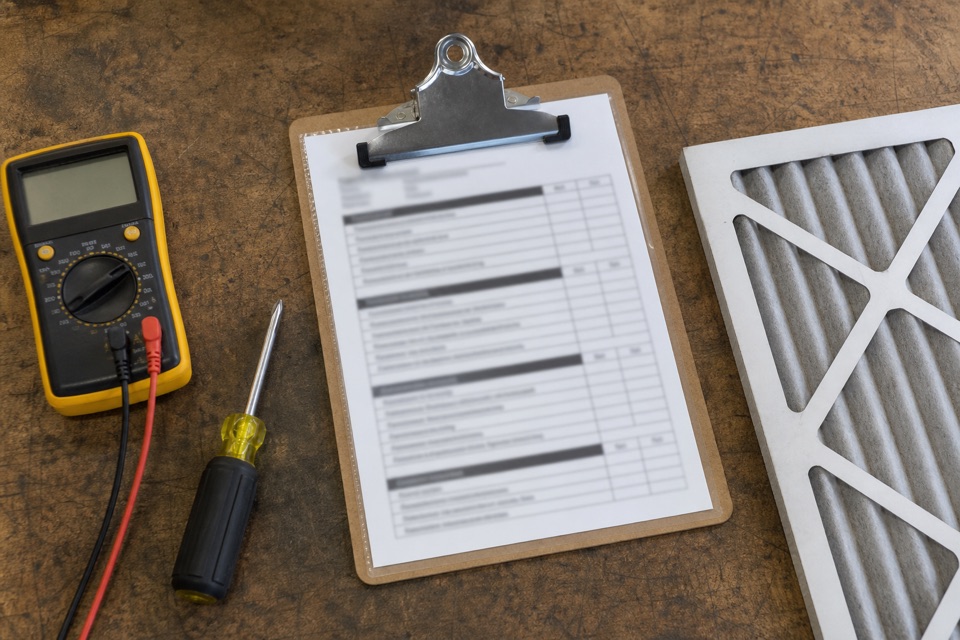
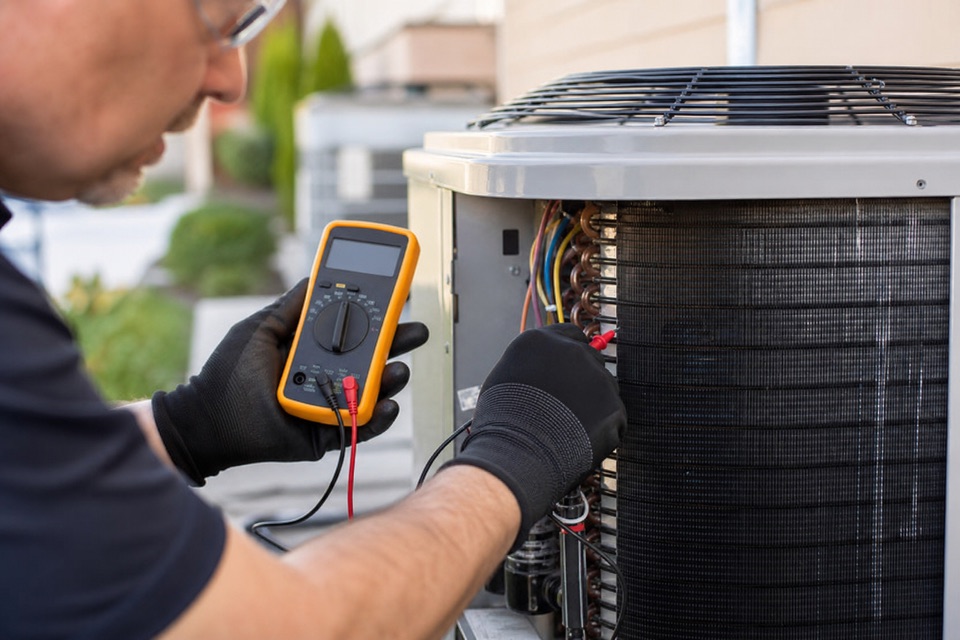
- Safety Switch Testing: All internal limit switches and rollout sensors are tested to ensure the furnace will automatically shut down if it begins to overheat.
- Heat Exchanger Inspection: We visually scope the heat exchanger to check for dangerous cracks or metal fatigue that could leak carbon monoxide.
- Ignition Calibration: The flame sensor and igniter are cleaned and calibrated to ensure the system lights smoothly without dangerous gas buildup.
- Airflow Verification: The ductwork and venting systems are checked to ensure proper airflow, which prevents the system from suffocating and overheating.
Frequently Asked Questions About Heater Startups and Smoke Detectors
Navigating the first cold days of the year often brings up a lot of questions regarding home safety and heating performance. Here are direct answers to the most common concerns our customers face during a November first-time furnace startup.
Why does my smoke detector go off when I turn on the heat?
Dust settles on the heat exchanger over the summer. Turning on the heat burns this dust, releasing invisible combustion particles into your ductwork. Sensitive ionization alarms detect these microscopic particles in the air and trigger rapidly, even if you cannot see any visible smoke.
How do I stop my smoke alarm from going off when the heater is on?
Open windows to ventilate the home temporarily and silence the alarm. Allow the heating cycle to run for 30 to 60 minutes to completely finish the burn-off process. To prevent this entirely in the future, schedule pre-season maintenance to have our team clean the system beforehand.
Is the burning smell from my heater dangerous?
A brief dusty burning smell during the first use is generally harmless and normal. However, smells of melting plastic, ozone, or electrical burning are dangerous. Persistent smells lasting longer than an hour require professional attention from our technicians to ensure your system is operating safely.
Can a dirty furnace cause carbon monoxide?
Dirt and lack of maintenance can restrict airflow and lead to severe overheating. Over time, this repeated overheating can crack the metal heat exchanger. A cracked heat exchanger allows dangerous, invisible carbon monoxide to enter the home's air supply.
How long should the dust burn-off smell last during the first startup?
The standard dust burn-off smell should begin to fade within 30 to 60 minutes of the first continuous heating cycle. If the odor remains strong for several hours or returns during subsequent days, you should turn off the system and schedule a professional inspection.
Why do ionization smoke alarms trigger faster than photoelectric ones?
Ionization alarms use a continuous electrical current that is easily disrupted by tiny, invisible particles of combustion, like burning dust. Photoelectric alarms rely on a light beam that must be physically scattered by larger, visible smoke particles, making them less reactive to microscopic dust burn-off.
Ensure a Safe, Quiet Heating Season This Year
Understanding exactly why dust burn-off happens provides much-needed peace of mind during the first cold days of the year. When you know that sensitive ionization detectors are simply reacting to microscopic particles from summer dormancy, you can handle a brief false alarm calmly without fearing for your property.
However, true safety in Auburn WA area homes comes from knowing your system is clean, intact, and thoroughly inspected. You should never have to guess whether an alarm signifies harmless dust or a failing heat exchanger. Talk to our experts at Allred Heating Cooling Electric today to ensure your heating equipment is fully prepared, safely calibrated, and ready to deliver reliable comfort all winter long.
Related Articles
Ready to Get Started?
Whether you need a repair, maintenance, or a new installation, our expert team is here to help.