
Retrofitting Ductwork in Historic Tacoma Craftsman Homes
Trust Allred
Upgrading a 1920s home shouldn't mean destroying its original charm with bulky bulkheads. High-velocity AC offers a brilliant way to add modern cooling while keeping historic plaster intact.
The Unique Challenge of Cooling a 1920s Tacoma Craftsman in Late Summer
Your upstairs bedrooms are sweltering, but the thought of tearing open your original plaster walls is keeping you from upgrading your home's comfort. Retrofitting ductwork in historic Tacoma Craftsman homes is a complex challenge, especially when August late-summer heat turns these beautiful multi-story properties into unbearable heat traps. For decades, homeowners living in these architectural treasures simply suffered through the warmest months or relied on noisy, inefficient window units. Tacoma's historically mild climate has shifted in recent years, making intense, lingering August heatwaves a new reality that original 1920s ventilation designs simply cannot handle.
The core dilemma is simple but frustrating: you desperately want modern air conditioning solutions, but you absolutely refuse to destroy your home's original architectural charm to get them. Traditional forced-air systems require massive amounts of space to move air effectively. For a home built a century ago, forcing standard ductwork behind the walls usually means making destructive aesthetic compromises. You are faced with a critical decision point: forcing standard, bulky ductwork into a home that wasn't built for it, or exploring specialized AC installation in Tacoma tailored specifically for historic properties.
The structural reality: Homes built in the 1920s were designed around gravity heating or radiant boiler systems. The builders relied on natural convection to move warmth upward, completely ignoring the need for return air pathways or the large, sealed ducting required for modern cooling. When the August heat sets in, the hot air rises to the second floor and stays there, trapped by poor attic ventilation and dense plaster walls. Solving this problem requires a system that respects the home's original blueprint while delivering the cooling power necessary to combat modern heatwaves.
Why Standard Ductwork Clashes with 1920s Architectural Integrity
To understand why traditional retrofits fail aesthetically in older homes, you have to look behind the plaster. Most 1920s houses were built using balloon framing or early platform framing techniques. These construction methods left severe limitations in the wall cavities. The spaces between the studs are often interrupted by horizontal fire blocking, diagonal bracing, or the original massive brick chimneys that anchor the center of the house. There simply is no clear, straight path from a basement air handler to a second-story bedroom.
Standard rigid metal ducts require anywhere from 8 to 10 inches of clearance to function properly. They physically cannot fit behind original walls without requiring major demolition. When contractors attempt to force these large ducts into a historic home, the aesthetic consequences are immediate and permanent.
The destructive compromises of standard ductwork:
- Dropped ceilings: Hallway and closet ceilings are often lowered by a foot or more to create artificial chases for the metal trunks.
- Intrusive bulkheads: Boxy, drywall-covered soffits are built into the corners of rooms, ruining the symmetry of the space.
- Massive cutouts: Original hardwood floors and thick baseboards are chopped apart to fit large, stamped-metal register grilles.
- Lost crown molding: Lowering ceilings often means destroying or permanently covering up original, irreplaceable plaster crown molding.
These alterations do more than just look out of place—they permanently alter the character and historical integrity of the property. When you walk into a 1920s Craftsman, the appeal lies in the unblemished wood trim, the high ceilings, and the seamless plasterwork. Building modern drywall boxes to hide sheet metal ducts instantly dates the renovation and diminishes the home's authentic charm.
| Feature | Standard Forced-Air Ductwork | High-Velocity Mini-Ducts |
|---|---|---|
| Space Required | 8 to 10 inches of clearance | 2 inches of clearance |
| Aesthetic Impact | Requires dropped ceilings and bulkheads | Seamless integration into existing cavities |
| Vent Style | Large, intrusive metal grilles (10"x6" or larger) | Small, customizable circular vents (5" outer diameter) |
| Installation Damage | High risk to original lath and plaster walls | Minimal cutting, preserves architectural integrity |
How High-Velocity HVAC Systems Solve the Space Problem
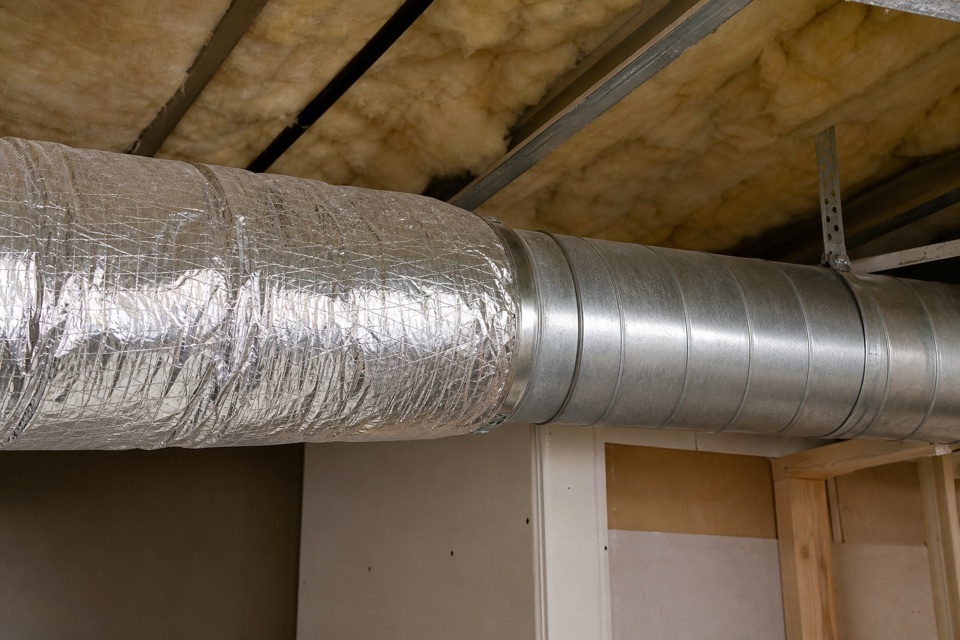
The most effective solution for older properties is bypassing the need for large metal trunks entirely. High-velocity HVAC systems are engineered specifically to solve the space constraints of historic homes. Instead of relying on massive volumes of slow-moving air, these specialized systems use a high-pressure air handler to push conditioned air through flexible, 2-inch mini-ducts. Because the tubing is so small and flexible, it easily snakes through existing tight spaces, navigating around 1920s fire blocks and structural beams without requiring demolition.
These systems utilize the principle of aspiration cooling. Rather than just dumping cold air into a room and waiting for it to settle, high-velocity vents shoot a stream of cold air into the space at a high speed. This creates a gentle suction effect that rapidly mixes the room's existing air with the newly conditioned air. The result is an incredibly even temperature from floor to ceiling, eliminating the hot and cold spots that plague older, drafty homes. Furthermore, the high-velocity coil removes up to 30% more humidity than standard forced air, which is crucial for comfort during muggy late-summer stretches.
Despite the name, high-velocity systems are remarkably quiet. Traditional metal ductwork expands, contracts, and rattles as the temperature changes. With flexible, insulated mini-ducts, you won't be left decoding weird noises from your AC every time the system kicks on. The sound-attenuating tubing absorbs the rush of air, resulting in a whisper-quiet operation that blends perfectly into a peaceful, historic home environment.
Seamless Integration Without Bulkheads
The true magic of high-velocity systems lies in their invisibility. Because the 2-inch tubing is so maneuverable, technicians can route the mini-ducts through the back corners of closets, inside existing plumbing chases, and between original floor joists.
How mini-ducts preserve your home's layout:
- Zero dropped ceilings: The tubing fits snugly between the existing joists, meaning your original room heights remain completely untouched.
- Preserved woodwork: Vents can be placed in the ceiling or high on the walls, keeping your 100-year-old hardwood floors and thick baseboards intact.
- Flexible routing: If a solid beam blocks the path, the flexible tubing simply bends around it, whereas rigid metal ducts would require a dead end or a massive structural modification.

Preserving Lath and Plaster During Your Retrofit
One of the biggest anxieties homeowners face when upgrading a historic property is the fear of damaging fragile building materials. Original lath and plaster walls are highly susceptible to cracking. The plaster is held in place by "keys"—small amounts of plaster that squeeze between the wooden lath strips and harden. Heavy vibration from power tools, aggressive hammering, or cutting large rectangular holes for standard vents can easily break these keys, causing massive sections of plaster to detach from the wall and crumble.
High-velocity systems mitigate this risk beautifully. Because they use small, circular vents, the installation requires minimal cutting. A technician can carefully drill a precise 2-inch hole using a specialized hole saw, creating virtually zero vibration and leaving the surrounding plaster keys completely intact. The vent covers themselves are small, unobtrusive circles that can often be custom-stained or painted to match existing wood finishes, blending seamlessly into your 1920s aesthetic.
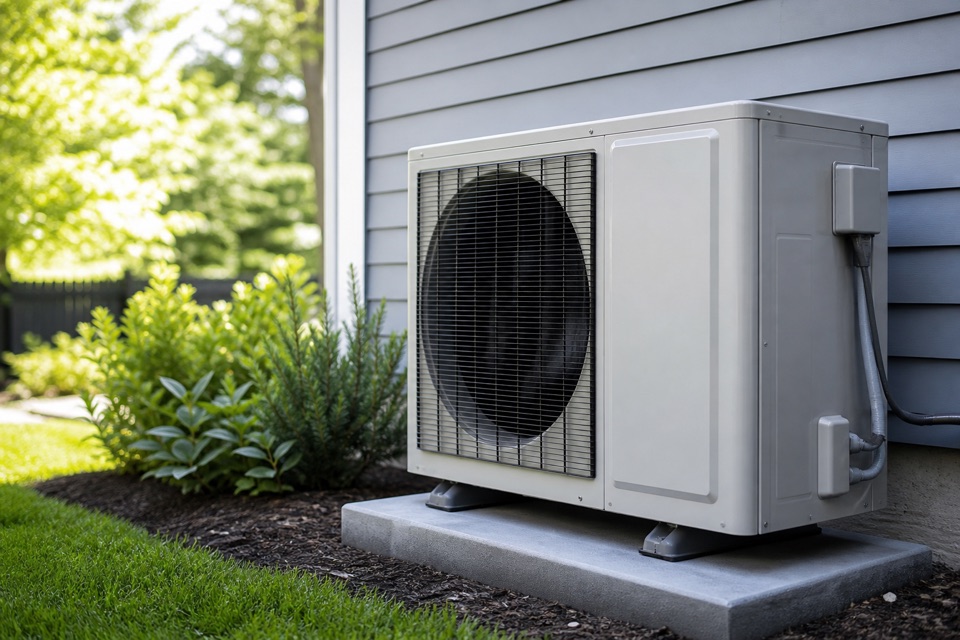
Working with Allred Heating Cooling Electric means partnering with professionals who have specialized expertise in navigating Pacific Northwest structural quirks. Ensuring your 1920s plaster remains intact during the retrofit is a top priority. Proper installation also means planning for the future. By strategically placing the main air handler in an accessible attic or basement space and preserving the integrity of the access points, you ensure that any future Tacoma AC repair services remain completely non-invasive to your living space.
Electrical and Infrastructure Upgrades for Older Homes
Adding modern central air to a century-old house involves more than just running ducts; it requires a close look at the home's power supply. Original 1920s electrical panels, or even outdated replacement boxes from the 1960s and 70s, rarely support the heavy electrical load of a modern central air system. Many historic homes still have remnants of knob-and-tube wiring or are operating on an undersized 60-amp or 100-amp service, which simply cannot safely handle the startup surge of a new compressor.
It is critical to work with a contractor who can identify and correct existing electrical hazards during the installation process. Overloaded circuits and tripping breakers are common when new technology meets old infrastructure. For example, during a spring installation of a new air conditioning system, one local homeowner found their existing panel box was constantly tripping the breaker. The technician quickly diagnosed that the panel box had a flaw stemming from a previous electrician's error. By correcting the wiring mistake on the spot, the breaker issues were fully resolved, ensuring the new system operated safely and reliably from day one.
Key electrical upgrades often needed for historic AC retrofits:
- Service panel upgrades: Upgrading to a 200-amp panel to ensure the home can safely run the AC alongside modern appliances.
- Dedicated circuits: Installing a dedicated 240-volt circuit specifically for the outdoor condenser unit to prevent system overloads.
- Grounding improvements: Ensuring the new HVAC equipment is properly grounded to current electrical codes, protecting both the equipment and the home.
Emphasize the safety and efficiency gained by bringing the home's power supply up to code alongside your HVAC upgrade. It provides peace of mind that your historic home is protected from electrical fire risks while delivering modern comfort.
Long-Term Value and Efficiency in Historic Properties
Investing in a high-velocity retrofit is not just about surviving August heat; it's about protecting the long-term value of your property. Modern high-velocity heat pumps offer superior energy efficiency compared to dragging noisy, heavy window units in and out of your frames every summer or relying on aging, inefficient floor furnaces. Because the mini-ducts are heavily insulated and installed entirely within the conditioned envelope of the home, there is virtually zero energy lost to duct leakage—a problem that plagues up to 30% of standard forced-air systems.
Furthermore, upgrading to a high-efficiency system can offer financial benefits beyond lower monthly utility bills. Qualifying high-efficiency installations may be eligible for generally applicable federal tax credits or local utility incentives. While programs and qualifications change frequently, it is always wise to verify current programs with your utility provider or a tax professional to see how you can offset the initial investment.
Protecting this investment requires ongoing care. High-velocity systems rely on precise airflow to maintain their efficiency and quiet operation. Scheduling routine AC maintenance is essential to ensure the specialized high-pressure blower operates at peak performance and that the mini-ducts remain free of dust and debris. Regularly changing the specialized air filters and having a professional inspect the aspiration coils will keep your system running flawlessly for decades, ensuring your historic home remains a comfortable sanctuary year after year.
Partner with Local Experts to Protect Your Home's Heritage
Achieving modern cooling comfort does not require sacrificing the charm and integrity of your historic architecture. You do not have to settle for bulky dropped ceilings, ruined plaster, or loud window units just because you live in a 1920s property. By choosing a high-velocity HVAC system, you can seamlessly integrate advanced cooling technology into the tightest wall cavities, preserving the exact aesthetic that made you fall in love with your historic Tacoma Craftsman neighborhood in the first place.
Protecting your home's heritage requires consulting with professionals who understand both the structural realities of older homes and the advanced technology needed to cool them efficiently. If you are ready to explore retrofitting ductwork in historic Tacoma Craftsman homes, now is the time to take action. Schedule a consultation with a local expert to evaluate your home's specific layout and discover how high-velocity cooling can transform your indoor comfort without leaving a trace on your historic walls.
Frequently Asked Questions
Can you put central air in a 100-year-old house?
Yes, you can absolutely install central air in a century-old home. The most effective method is using a high-velocity HVAC system or a ductless mini-split system. These modern technologies are specifically designed to bypass the need for the large wall cavities that older homes lack, allowing for full-home cooling without destroying the original architecture.
How much space do high-velocity ducts need?
High-velocity mini-ducts require only about 2 inches of clearance to fit inside a wall or ceiling. This incredibly small footprint allows the flexible tubing to snake through existing 1920s wall cavities, floor joists, and tight corners. Because they are so compact, they eliminate the need to build intrusive bulkheads or drop your ceilings.
Do you have to tear up walls to install AC in an old house?
No, tearing up walls is not necessary if you choose the right cooling system. High-velocity systems use flexible tubing that can be fished behind existing plaster, requiring only small, 2-inch circular holes for the vents. This preservation-first approach keeps your original lath and plaster walls completely intact and avoids the massive drywall repairs associated with standard ductwork.
What is the best AC for a Craftsman home?
The best AC for a historic Craftsman home is typically a high-velocity system. These systems preserve the home's architectural integrity by using tiny, flexible ducts that fit into historic framing without requiring dropped ceilings. They also provide excellent humidity control and even cooling, which is essential for older multi-story homes that tend to trap heat on the upper floors.
How do you run ducts in a house with no wall cavities?
When a house lacks traditional wall cavities due to balloon framing or solid masonry, technicians route flexible mini-ducts through alternative pathways. The 2-inch tubing is often run through the backs of closets, inside existing plumbing chases, up through the floor from a basement, or down from the attic. This strategic routing completely hides the ductwork from the main living spaces.
Will a high-velocity system ruin the original plaster in my Tacoma home?
No, a properly installed high-velocity system is designed to protect fragile building materials. Because the vent openings are small and circular, technicians use precision hole saws to cut the openings. This creates zero heavy vibration, ensuring the delicate "keys" holding your 1920s lath and plaster together do not crack or crumble during the retrofit.
Ready to Get Started?
Whether you need a repair, maintenance, or a new installation, our expert team is here to help.