Transitioning Your Dual-Fuel System from Cooling to Heating as Temperatures Drop
Trust Allred
September's wild temperature swings can force your hybrid HVAC to work overtime. Adjusting your crossover temperature ensures seamless comfort from freezing mornings to warm afternoons.
Tackling the Early Fall HVAC Challenge in the Pacific Northwest
Before the first freeze hits, transitioning your dual-fuel system from cooling to heating as temperatures drop becomes the most important task on your homeowner checklist. September in Washington brings a familiar, frustrating pattern: you wake up to near-freezing mornings, only to find yourself sweating in 70-degree heat by mid-afternoon. This daily volatility forces your hybrid HVAC system to work overtime, often switching inefficiently between modes if it isn't calibrated correctly for the season.
When your system is constantly bouncing between heating and cooling, it places immense strain on the mechanical components. The key to surviving these September temperature swings is fine-tuning your thermostat to handle these extremes automatically, eliminating the need for constant manual adjustments. By securing professional cooling system services and scheduling a comprehensive seasonal maintenance tune-up, you can ensure your dual-fuel setup operates seamlessly through the most unpredictable weather of the year.
The underlying issue: Most homeowners don't realize that a dual-fuel system relies on precise temperature thresholds to operate efficiently. When the morning air is crisp, you need reliable heat. When the afternoon sun beats down, you need responsive cooling. If your system is confused about which unit should be running, you will experience uneven temperatures, wasted energy, and unnecessary wear and tear on your equipment.
Taking control of this transition early in the fall sets the stage for a comfortable, efficient home. Instead of wrestling with the thermostat every few hours, a properly configured system does the heavy lifting for you, reading the ambient outdoor temperature and making the smartest, most energy-efficient decision for your indoor comfort.
How Dual-Fuel Systems Handle Daily Temperature Swings
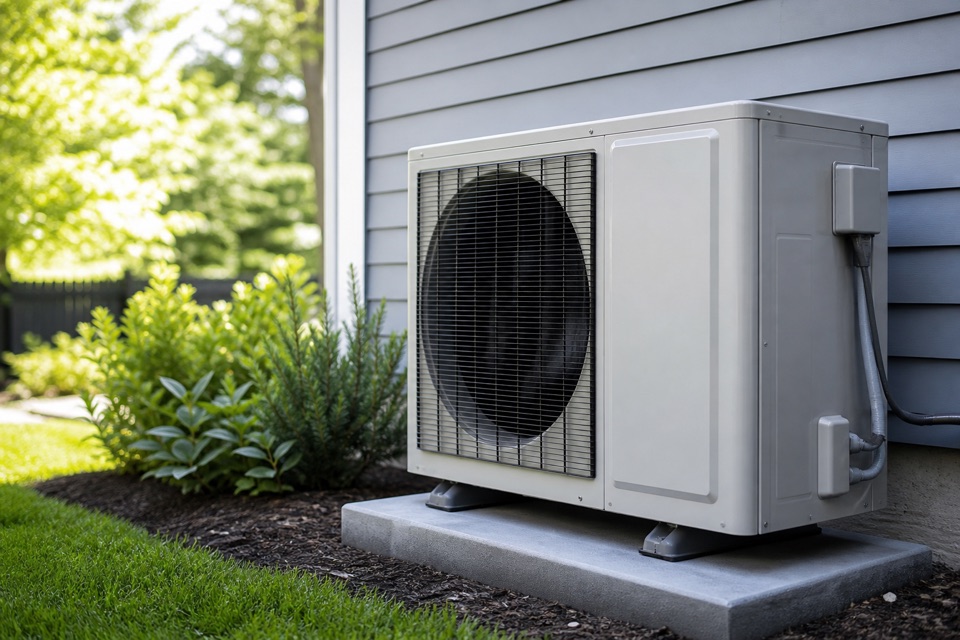
To understand why fall weather is so demanding on your HVAC equipment, you first have to look at the mechanical synergy inside your setup. A dual-fuel (or hybrid) system pairs an electric heat pump with a gas furnace. This combination is designed to give you the best of both worlds: the high-efficiency mild heating and cooling of a heat pump, backed up by the heavy-duty heating power of a gas furnace when temperatures plummet.
Here in Auburn, WA and the surrounding Puget Sound area, our specific microclimate necessitates a system that can cool your living room at 2 PM and heat it robustly at 4 AM. This rapid shift requires the system to transition flawlessly. If your equipment is older or failing to make these daily switches, knowing exactly when your HVAC system becomes ancient history can save you from an unexpected breakdown during a cold snap.
The Role of the Heat Pump in Early Autumn
During the mild days of early fall, the heat pump is the star of the show. Heat pumps do not generate heat; they move it. In the afternoon, the unit operates in reverse, pulling warm air out of your house to provide cooling. As the sun sets and the temperature dips into the 50s and 40s, the heat pump switches back to heating mode, extracting ambient heat from the outside air and moving it indoors. Because it transfers heat rather than burning fuel to create it, the heat pump is incredibly energy-efficient for moderate heating.
When the Gas Furnace Takes Over
However, heat pumps have a physical limitation. As the outdoor air gets colder, there is less ambient heat available to extract. Once the temperature drops near freezing, the heat pump has to work exceptionally hard to warm your home, causing its efficiency to plummet. This is the exact moment the gas furnace is designed to take over. The furnace acts as the secondary, heavy-duty heating source, activating only when the weather is too harsh for the heat pump to handle economically.
| Temperature Range | Primary Active System | Typical Time of Day (Sept/Oct) | Operational Goal |
|---|---|---|---|
| Above 40°F | Electric Heat Pump | Mid-day to Late Afternoon | High-efficiency cooling or mild heating |
| 35°F - 40°F | Crossover Zone | Evening / Early Morning | System transition based on thermostat settings |
| Below 35°F | Gas Furnace | Deep Night / Pre-Dawn | Heavy-duty, robust heating power |
Decoding Your Thermostat Crossover Temperature
The secret to making this complex mechanical dance work is a setting known as the thermostat crossover temperature, or the balance point. This is the exact outdoor temperature at which your dual-fuel system decides to stop using the electric heat pump and start burning gas in the furnace.
What exactly is a crossover temperature?
The crossover temperature is a programmed threshold in your thermostat. For most modern air-source heat pumps, the system maintains optimal efficiency down to about 35-40 degrees Fahrenheit. When the outdoor temperature is above this mark, the heat pump runs. When it falls below this mark, the gas furnace kicks in.
How does the system know when to switch?
Your thermostat relies on an outdoor temperature sensor to monitor the weather in real-time. As the temperature drops during a chilly September night, the sensor feeds this data back to the thermostat. Once the reading crosses your set balance point, the thermostat automatically shuts down the heat pump compressor and ignites the gas furnace burners, ensuring a seamless transition without any input from you.
What happens if the balance point is wrong?
If your thermostat crossover temperature / balance point is set too high (for example, at 50 degrees), your gas furnace will run constantly during mild weather, wasting fuel and driving up your utility bills. If it is set too low (for example, at 25 degrees), your heat pump will struggle to heat the house on freezing mornings, running continuously without ever reaching your desired indoor temperature, leaving your home feeling drafty and cold.

Why Factory Default Settings Struggle in Our Microclimate
A typical pattern we see in the Auburn, WA and surrounding Puget Sound area is homeowners struggling with thermostats that are still running on factory default settings. When manufacturers program these devices, they generally assume a gradual, linear transition into winter—meaning the weather gets a little colder each day until spring. They do not account for the rapid, 12-hour temperature swings that define early fall in the Pacific Northwest.
When a generic national setting is applied to our volatile microclimate, the system gets confused. If the morning is 38 degrees and the afternoon is 72 degrees, a poorly calibrated thermostat might trigger the furnace in the morning, overshoot the temperature, and then immediately trigger the AC to compensate. This phenomenon, known as short-cycling, places immense wear on your blower motor, compressors, and heat exchangers.
The local advantage: Working with local experts who understand Pacific Northwest weather patterns ensures your crossover temperature is optimized specifically for Auburn's climate shifts. We know exactly how the damp morning cold differs from a dry afternoon heat, and how your system should respond.
Because these extreme daily shifts put so much strain on the system as it toggles between heating and cooling modes, generic settings simply aren't enough. Professional system inspection and testing is the best way to calibrate your outdoor sensors accurately, ensuring your thermostat reads the local conditions perfectly and executes the transition without stressing your equipment.
Actionable Thermostat Adjustments for September
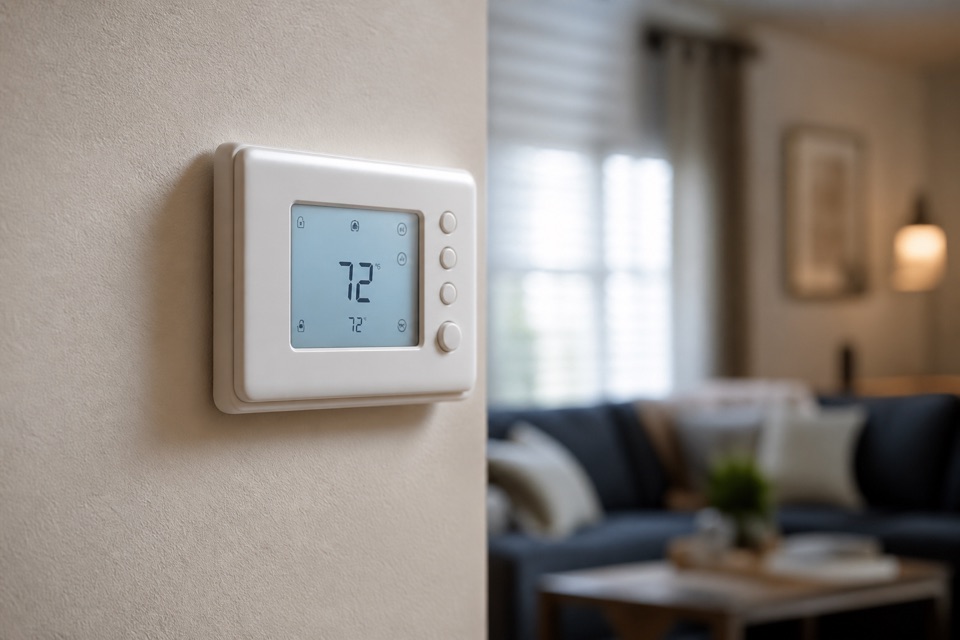
While calibrating the internal sensors and wiring should always be left to a licensed professional, there are several user-facing adjustments you can make to your programmable thermostat right now to prepare for September temperature swings. Managing these settings correctly ensures your system runs efficiently without fighting itself.
- Review your current programmable schedules: Start by checking your daily schedule. Ensure that your sleep, wake, away, and return times accurately reflect your fall routine. If you are still running a summer cooling schedule, your system will waste energy trying to cool a house that is already freezing in the morning.
- Verify the crossover setting: Navigate to the dealer or advanced settings menu on your user-facing thermostat interface (consult your manual for the exact path). Check that the thermostat crossover temperature / balance point is set between 35 and 40 degrees Fahrenheit. If it is set higher, lower it to this efficiency mark to maximize heat pump usage.
- Establish proper deadbands: A "deadband" is the minimum temperature difference allowed between your heating setpoint and your cooling setpoint. If you set your heat to 68°F and your AC to 70°F, a 2-degree deadband might cause the system to rapidly switch back and forth. Widen this gap to at least 4 to 5 degrees (e.g., Heat at 68°F, Cool at 73°F) during the fall to prevent the heat pump and furnace from short-cycling.
- Rely on user-facing controls: Always stick to the digital interface of your smart or programmable thermostat. Never attempt DIY internal wiring adjustments or open the equipment panels to adjust physical control boards, as this requires a licensed professional and can void your warranty.
Maximizing Energy Efficiency Before the Deep Freeze
Taking the time to calibrate your hybrid system isn't just about comfort; it is a significant financial strategy. According to Department of Energy data, proper programmable thermostat adjustments can save homeowners up to 10% annually on heating and cooling energy usage. When you multiply that across the lifespan of a dual-fuel system, the efficiency gains are substantial.
The efficiency mechanism: The primary way you save energy in the early fall is by preventing the gas furnace from firing up unnecessarily. Gas is a powerful heating fuel, but burning it during a mild 45-degree morning is overkill. By ensuring your heat pump handles the moderate September temperature swings, you drastically reduce your reliance on fossil fuels during the transition months.
Furthermore, if your current heat pump is aging and struggling to maintain efficiency even in mild weather, modernizing your equipment can unlock additional financial benefits. Upgrading to high-efficiency heat pumps often qualifies homeowners for generally applicable energy rebates or federal tax credits. While programs vary by year and region, these incentives are designed to reward energy-efficient home improvements. We always advise readers to verify current incentive programs and exact qualifications with their local utility providers or a qualified tax professional to maximize their return on investment.
Pre-Season Readiness for Both Sides of Your Hybrid System
One of the unique challenges of a dual-fuel setup is that both the heating and cooling components must be maintained simultaneously. During early fall in the Auburn, WA and surrounding Puget Sound area, the cooling side of your heat pump is still working hard in the afternoon, but the gas furnace side must be fully prepped and ready for the impending winter.
One local homeowner reached out over the summer realizing their system was lagging and requested a furnace tune-up well before the seasons changed. A serviceman performed a comprehensive tune-up efficiently, ensuring the heating side was fully prepped and safe to operate long before the first frost arrived. This proactive approach is exactly what prevents emergency breakdowns when the weather finally turns.
To ensure your system is ready for the transition, a professional technician will typically perform the following pre-season checks:
- Testing the outdoor ambient sensors: Dirty or failing outdoor sensors can misread the weather, causing the thermostat to trigger the crossover temperature at the wrong time.
- Checking the reversing valve: This critical heat pump component physically switches the flow of refrigerant between heating and cooling modes. It must operate smoothly to handle daily temperature swings.
- Inspecting the furnace heat exchanger: Before the gas furnace fires up for the first time in months, it must be inspected for cracks or soot buildup to ensure safe operation.
- Verifying the balance point calibration: The technician will test the communication between the thermostat, the heat pump, and the furnace to ensure the handoff happens exactly at the programmed threshold.
Don't wait until the furnace fails to ignite on a freezing morning. Recommend scheduling Auburn AC maintenance now to secure your system's reliability through the entire seasonal transition.
Ensure Seamless Comfort Through Every Autumn Fluctuation
Surviving the unpredictable early fall weather requires more than just crossing your fingers; it requires a perfectly balanced thermostat and a well-maintained dual-fuel system. By understanding how your heat pump and gas furnace work together, you can take control of your indoor environment and eliminate the frustration of constant manual adjustments.
Taking action now prevents you from waking up to a chilly house or returning home to an overheated living room. Ensure your thermostat crossover temperature / balance point is dialed in correctly for the season. Consult with local HVAC experts to lock in the perfect settings, perform a thorough tune-up, and guarantee that your hybrid system delivers seamless comfort through every autumn fluctuation.
Frequently Asked Questions
What is the best crossover temperature for a dual fuel system?
The ideal crossover temperature for most dual-fuel systems is typically between 35 and 40 degrees Fahrenheit. At this threshold, an air-source heat pump usually begins to lose its peak efficiency, making the gas furnace the more economical heating choice. Setting the balance point in this range ensures you maximize electric heating during mild weather while reserving gas power for true cold snaps. A local technician can help you pinpoint the exact degree based on your specific equipment model and local climate.
How do I stop my heat pump from short cycling in the fall?
To prevent short cycling, start by widening the "deadband" on your programmable thermostat to at least 4 to 5 degrees between the heating and cooling setpoints. This buffer stops the system from rapidly switching back and forth when the indoor temperature fluctuates slightly. Additionally, ensure your air filters are clean, as restricted airflow can cause the system to overheat and shut down prematurely. If adjusting the thermostat settings doesn't resolve the issue, a professional inspection is needed to check the reversing valve and refrigerant levels.
At what temperature does a dual fuel system switch to gas?
A dual-fuel system switches to gas exactly at the crossover temperature programmed into the thermostat, which is usually set around 35 to 40 degrees Fahrenheit. The system relies on an outdoor temperature sensor to monitor the weather in real-time. Once the outdoor ambient temperature drops below that programmed balance point, the thermostat automatically shuts off the heat pump and ignites the gas furnace to take over the heating load.
How does a dual fuel thermostat work during extreme daily temperature swings?
During extreme daily swings, a dual-fuel thermostat continuously reads the outdoor sensor to decide which heating or cooling method is most efficient. On a freezing morning, it reads temperatures below the balance point and activates the gas furnace. As the afternoon warms up and the house requires cooling, it shuts down the furnace, reverses the heat pump's operation, and provides air conditioning. It manages this complex daily cycle automatically, provided the crossover settings and deadbands are configured correctly.
Can I manually override my hybrid heat crossover temperature?
Yes, most modern smart and programmable thermostats allow you to manually adjust the crossover temperature through the advanced user settings menu. You can also manually set the system to "Emergency Heat" or "Auxiliary Heat," which forces the gas furnace to run regardless of the outdoor temperature. However, manually overriding the system frequently defeats the energy-saving purpose of a hybrid setup, so it is best to calibrate the balance point correctly and let the system run automatically.
Why is my gas furnace running when it is 50 degrees outside?
If your gas furnace is running in 50-degree weather, your thermostat's crossover temperature is likely set too high, or the outdoor temperature sensor is malfunctioning. At 50 degrees, your heat pump should easily handle the heating load with high efficiency. You should check your thermostat settings to ensure the balance point is lowered to the 35-40 degree range. If the settings are correct but the furnace still fires, a dirty or broken outdoor sensor may be sending incorrect weather data to the system.
Ready to Get Started?
Whether you need a repair, maintenance, or a new installation, our expert team is here to help.