
Are HVAC Maintenance Plans Worth the Upfront Cost for New Construction Homes?
Trust Allred
Your newly built home might look pristine, but construction dust can clog a brand-new HVAC system before you even move in. See why a first-year checkup is critical to protect your investment.
Why Your Pristine New Construction HVAC System Still Needs a Checkup
Are HVAC maintenance plans worth the upfront cost for new construction homes, or is a newly installed system guaranteed to run flawlessly for years without any professional attention? It is a question many homeowners ask when settling into a freshly built property. You look around at the pristine walls, the untouched appliances, and the modern thermostat, naturally assuming that everything behind the drywall is in perfect working order. However, new construction does not always equal perfect construction. The reality is that your brand-new climate control equipment has already been through a grueling construction phase, and deciding whether to skip the first-year maintenance plan as the cooling season wears on is a critical decision point for your home's future.
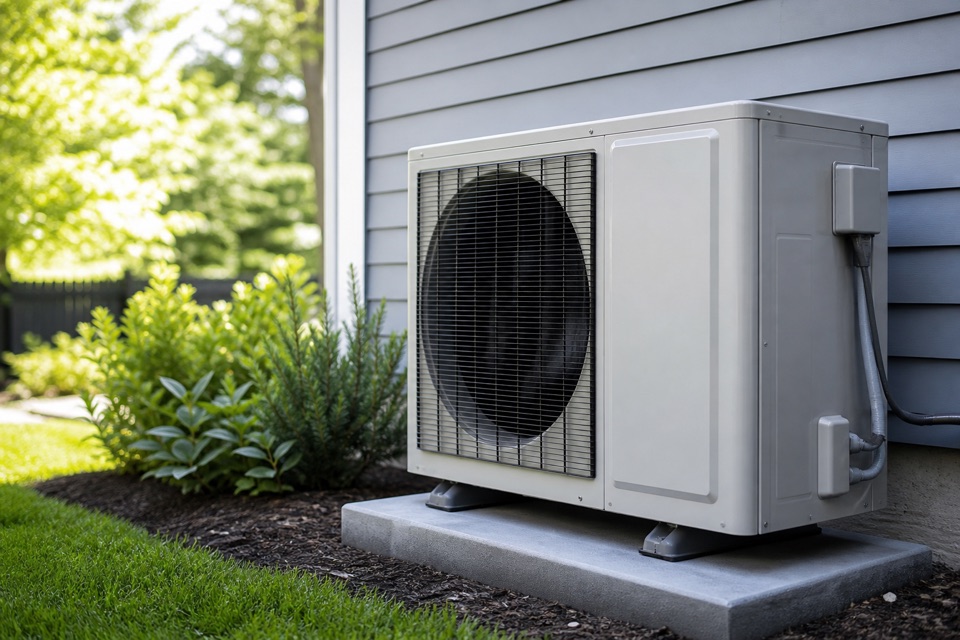
If you need immediate help evaluating your newly built home's cooling setup, learn more about our Air Conditioning Systems.
Throughout many Auburn WA new construction developments, heating and cooling units are often installed long before the house is finished. This means the equipment operates while other trades are still actively working inside the home. As a result, a system that is technically "brand new" to you has likely already processed a heavy load of airborne debris. Before you even unpack your first box, your system may have already accumulated:
- Drywall dust: Fine particulate matter that easily bypasses basic builder-grade filters and coats the indoor evaporator coil.
- Sawdust and wood shavings: Debris from trim work and flooring that gets swept into open floor registers.
- Paint fumes and chemical off-gassing: Volatile compounds that circulate through the ductwork during the final finishing stages.
- Insulation fibers: Loose material from attic or crawlspace work that finds its way into the blower motor housing.
Because the system acts as the lungs of the house during the messy building process, it rarely starts its first official year of operation in factory-clean condition. A professional checkup clears away this construction-phase wear and tear, ensuring that your equipment starts its actual lifespan with a clean slate.
How First-Year 'Settling' Impacts Your Ductwork and Airflow
Beyond the dust and debris of the building phase, a new house is a dynamic, shifting structure. During the first 12 to 18 months after completion, the materials used to frame your house undergo a natural drying and acclimation process. Lumber shrinks, foundations undergo micro-settling, and the entire structural envelope makes tiny physical adjustments. Because your ductwork is hard-fastened to these shifting joists and trusses, the air distribution network is forced to move right along with the house.
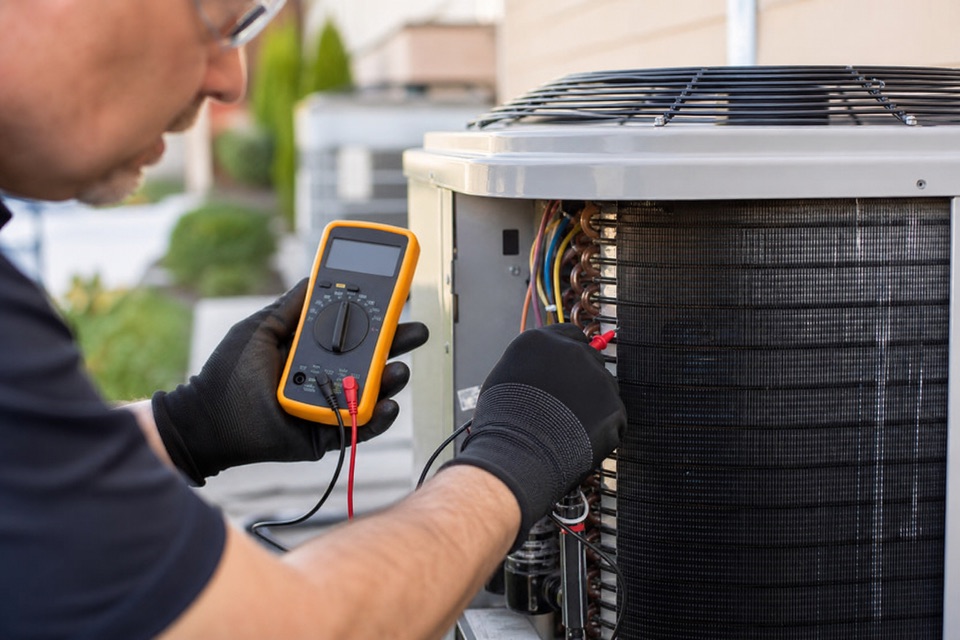
A typical pattern we see involves early oversights combined with this natural settling. For example, during a routine spring checkup for a local homeowner, it became clear that the system had not been properly evaluated after its initial installation, leaving important safety and performance checks missed. The technician thoroughly serviced the unit, pointed out the missed items to the homeowner, and took pictures to document the exact state of the equipment. This level of documentation is critical when dealing with newly built properties, as early corrections prevent minor install flaws from becoming major mechanical failures.
Does house settling restrict HVAC airflow?
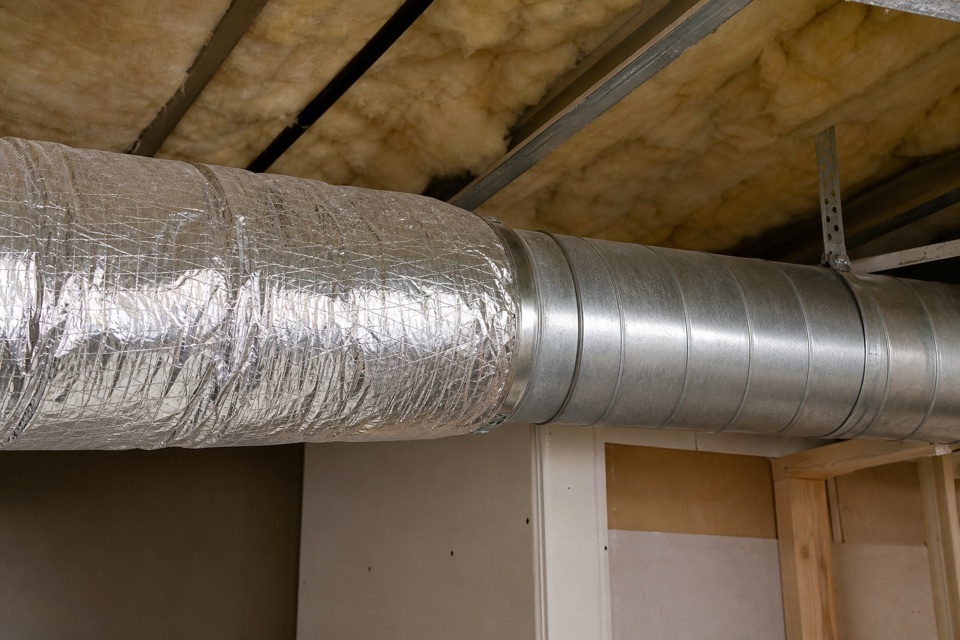
Yes, the physical shifting of a new home can absolutely impact how air moves through your vents. When the wooden framing of a house dries out and settles, it can pull on the strapping that holds your ductwork in place. This movement can cause rigid metal duct joints to pull apart slightly, creating hidden air leaks behind your walls or in your attic. You end up paying to air-condition an unfinished crawlspace instead of your living room.
Furthermore, flexible ductwork can easily become pinched or kinked if the framing shifts in a way that compresses the duct against a truss. When airflow is restricted by a kinked duct, the blower motor has to work much harder to push the same amount of air. This extra strain reduces the overall energy efficiency of the equipment and can lead to premature motor failure if left unaddressed. Regular AC inspection and testing during the first year ensures these settling issues are caught and corrected before they cause permanent damage.
Can installation errors go unnoticed in a new build?
Fast-paced construction schedules frequently lead to rushed installations. In large housing developments, contractors are often working under tight deadlines to finish dozens of homes at once. In this hurried environment, minor details can be overlooked. A technician might forget to properly seal a plenum joint, leave a refrigerant line slightly undercharged, or fail to adjust the blower speed to match the specific square footage of your home.
These errors rarely cause an immediate, catastrophic breakdown, which is why they easily pass the final builder walk-through. Instead, they cause the system to run inefficiently, slowly degrading the components over time. A comprehensive first-year maintenance visit acts as a vital quality control check, verifying that the initial installation meets strict manufacturer specifications rather than just basic building codes.
The Fine Print: Can Skipping Maintenance Void Your New HVAC Warranty?
One of the most misunderstood aspects of buying a new construction home is how the warranties actually work. Many homeowners assume that because they have a comprehensive one-year builder's warranty, they do not need to worry about the heating and cooling equipment. However, the builder's warranty and the manufacturer's warranty are two completely separate agreements with very different requirements.
| Warranty Type | Typical Duration | What It Covers | Maintenance Requirement |
|---|---|---|---|
| Builder's Warranty | 1 Year | Workmanship, installation errors, and general defects in the home. | Usually minimal, but covers early structural/install flaws. |
| Manufacturer Parts Warranty | 5 to 10 Years | Internal components like the compressor, evaporator coil, and blower motor. | Strictly requires documented annual professional maintenance. |
| Extended Labor Warranty | Varies (Optional) | The cost of labor to replace failed manufacturer parts. | Requires continuous, documented professional upkeep. |
To keep the long-term manufacturer coverage active, you must play by the manufacturer's rules. If you need more clarity on how these agreements overlap, reading up on understanding HVAC warranties can save you from unexpected out-of-pocket expenses down the road.
What automatically voids an HVAC warranty?
The single most common reason a manufacturer will deny a warranty claim is the lack of documented professional maintenance. The fine print in almost every major equipment manual states that the unit must be serviced annually by a licensed professional. If a compressor fails in year three and you cannot produce service records showing that the system was cleaned and checked during years one and two, the manufacturer can legally refuse to pay for the replacement part.
Other actions that can automatically void your coverage include:
- Improper initial installation: If the unit was not installed according to factory specifications, the warranty is void from day one. A first-year checkup verifies the installation is correct.
- Using unapproved replacement parts: If a non-certified technician uses generic, off-brand parts for a minor repair, the manufacturer will no longer cover the system.
- Neglecting obvious repairs: If a professional notes that a contactor is failing and you refuse the repair, subsequent damage caused by that failure will not be covered.

Late-Summer Stress Testing in the Pacific Northwest
Timing your first-year maintenance is just as important as having it done at all. The August late-summer cooling season provides the ultimate stress test for newly installed equipment. During the milder spring months, an air conditioner might only run in short bursts. It is only when the peak heat arrives that the unit is forced to run continuously for hours at a time. This heavy, sustained usage is exactly what exposes hidden sizing issues, incorrect refrigerant charges, or minor electrical flaws that went unnoticed during the milder weather.
The unique challenges of modern building codes: Auburn WA tightly sealed new builds trap humidity much more efficiently than older, draftier homes. Modern energy codes require homes to have an incredibly tight "building envelope" to prevent conditioned air from escaping. While this is fantastic for energy efficiency, it means your cooling system is solely responsible for managing indoor humidity.
The importance of proper ventilation: In these airtight environments, a system that is even slightly overcharged or improperly calibrated will fail to dehumidify the air properly. The home might feel cold, but it will also feel clammy and damp. Early maintenance ensures the equipment is perfectly calibrated to adapt to Pacific Northwest late-summer demands, optimizing the blower speed to extract maximum moisture from the indoor air while maintaining a comfortable temperature.
Catching short-cycling early: If the builders installed a unit that is slightly too large for the home's square footage—a common occurrence in new developments—the system will cool the house too quickly and shut off before it has a chance to remove humidity. A late-summer checkup identifies this "short-cycling" behavior so adjustments can be made to the thermostat differentials and blower settings to compensate.
Why Proactive Maintenance is an Investment in Your Home's Future
It is easy to view HVAC care solely as a tool for breakdown prevention, something you only do when an older system starts making strange noises. However, for a new construction home, you should shift your perspective from breakdown prevention to investment protection. You have just made one of the largest financial investments of your life; maintaining the mechanical systems that protect the house is simply good stewardship.
As the protector of your home's new investment, Allred Heating Cooling Electric focuses on ensuring your pristine systems maintain strict manufacturer warranties and operate flawlessly from day one. A comprehensive maintenance plan is not about fixing broken parts; it is about keeping perfect parts in factory-fresh condition. When you schedule professional AC maintenance and tune-up services, you are paying to lock in the system's day-one efficiency for the long haul.
During a year-one tune-up, a technician will perform several critical baseline measurements that protect your investment:
- Measuring static pressure: This ensures the ductwork is properly sized and that the blower motor is not fighting against restricted airflow.
- Verifying refrigerant superheat and subcooling: This confirms the factory charge is exactly matched to your home's specific line-set length, ensuring maximum cooling capacity.
- Tightening electrical connections: The vibration from the first few months of continuous operation can loosen terminal screws; tightening them prevents future electrical shorts.
- Clearing the condensate drain: Removing construction dust from the drain line prevents water from backing up and damaging your new ceilings or floors.
Catching these minor inefficiencies early prevents them from compounding into major wear and tear. A system that runs smoothly uses less electricity, operates more quietly, and provides a much more even temperature distribution throughout your new home.
Frequently Asked Questions About New Construction HVAC Care
Do brand new HVAC systems need annual maintenance?
Yes, annual maintenance is required to catch early settling issues and ensure peak efficiency. Even a system that is only a few months old has likely ingested construction dust and debris during the building phase. A professional cleaning establishes a baseline for the system's performance and clears out the early wear and tear, ensuring it operates exactly as the manufacturer intended.
Can skipping maintenance void my new HVAC warranty?
Absolutely. Most manufacturers stipulate that without proof of professional annual maintenance, their parts warranties are void. If a major component like a compressor or blower motor fails prematurely, the factory will ask for service records. If you cannot provide them, you will be held financially responsible for the replacement parts, even if the system is only a few years old.
What automatically voids an HVAC warranty?
Lack of documented professional maintenance is the most common reason for a voided warranty. Additionally, improper initial installation, failing to register the equipment within the required timeframe after closing on the house, or using unapproved, off-brand replacement parts will also nullify your coverage immediately.
How often should a new AC be serviced?
A new AC should be serviced at least once a year, ideally before the heavy cooling season begins or during the late-summer stress period. This annual schedule keeps the internal components clean, ensures the refrigerant charge remains perfectly balanced, and fulfills the strict documentation requirements of your manufacturer's warranty.
Does new construction HVAC have a separate warranty?
The builder's warranty typically covers the home for one year, while the HVAC manufacturer's warranty covers specific internal parts for five to ten years, provided maintenance is kept up. It is vital to understand that once the one-year builder warranty expires, you are entirely reliant on the manufacturer's warranty for any major equipment defects.
How does house settling affect new ductwork?
Yes, shifting framing can pinch flexible ducts or separate rigid metal joints as the lumber dries and the foundation settles during the first year. This structural movement can create hidden air leaks or restrict airflow, which forces the blower motor to work harder, reduces energy efficiency, and makes certain rooms harder to cool.
Protect Your New Home's Comfort and Warranty Today
Moving into a new construction home should come with the comfort of knowing everything is pristine, efficient, and protected. Validating your manufacturer warranty and ensuring your ductwork has survived the initial settling phase provides long-lasting confidence in your climate control. Do not wait until the late-summer heat exposes a hidden installation flaw. Schedule your first-year inspection today to keep your equipment running flawlessly, protect your investment, and enjoy the perfect indoor environment you expect from a brand-new home.
Related Articles
Ready to Get Started?
Whether you need a repair, maintenance, or a new installation, our expert team is here to help.