
How Long Does a Typical Emergency Electrical Repair Take?
Trust Allred
Losing power during a late-summer heatwave is stressful when you don't know the timeframe for a fix. We outline realistic timelines for common electrical emergencies.
Why Did the Power Go Out, and How Fast Can It Be Fixed?
When a breaker trips and refuses to reset, or your whole house goes suddenly dark, the first question you likely have is: how long does a typical emergency electrical repair take? Losing power is always stressful, but it becomes a pressing safety issue during the late summer and August heat. As indoor temperatures rise quickly, waiting hours for a resolution can turn an inconvenience into a household crisis. At Allred Heating Cooling Electric, we know you need your air conditioning systems back online, your refrigerator running, and your family comfortable.
The reality is that electrical repair timelines vary drastically depending on the root cause of the failure. A blown fuse or a single tripped breaker might be resolved shortly after a professional arrives. However, a catastrophic panel failure or a melted bus bar is a much larger undertaking. Understanding our professional diagnostic process helps you set realistic expectations, plan your day, and manage your household's safety while you wait for power to be restored.
When you call for emergency service, our technicians' primary goal is not just speed, but absolute safety. Rushing an electrical repair often leads to missed hazards, which is why our professionals follow a strict, methodical process to isolate the fault, secure the system, and execute a permanent repair.
The Initial Dispatch and Diagnostic Phase Timeline
Before any actual repairs begin, a licensed electrician must figure out exactly what went wrong. In our experience serving residential properties in Auburn WA, our team typically dedicates the first 30 to 60 minutes on-site exclusively to safe, professional diagnostics. This phase is critical because electrical systems are highly interconnected; a symptom in the living room might actually originate in the main panel or even outside the home.
Our technicians do not guess when dealing with high voltage. They use specialized equipment, such as digital multimeters, thermal imaging cameras, and circuit tracers, to accurately locate the source of the electrical failure. We never rush this thorough diagnostic phase, even during urgent August heatwaves, because bypassing safety checks puts your home at risk for electrical fires.
- Visual Inspection: The electrician walks through the affected areas, checking for obvious signs of damage like scorch marks, melted plastic, or the smell of burning ozone.
- Load Testing: Using professional meters, our technician measures the voltage and amperage across your panel to see if the system is pulling more power than it can safely handle.
- Circuit Isolation: By methodically turning off and testing individual breakers, the electrician isolates the specific circuit that has failed, ensuring the rest of the house remains protected.
Securing the Home's Electrical System
The immediate priority upon our arrival is ensuring the panel and all affected circuits are safe. Before touching any internal wiring, our technicians verify that there is no active fire risk, no live current hazard, and no immediate threat to the occupants. If a component is actively sparking or overheating, the first step is to completely de-energize that section of the panel. Once the diagnostic is complete and the home is secured, your electrician will provide a clear timeline for the actual repair phase so you know exactly what to expect.

Quick Fixes vs. Major Failures: Understanding the Scope
Once the diagnostic phase is finished, the actual repair work begins. The timeline for this work depends entirely on the scope of the failure. Knowing when to call an electrician early can sometimes prevent a minor issue from snowballing into a major panel failure.
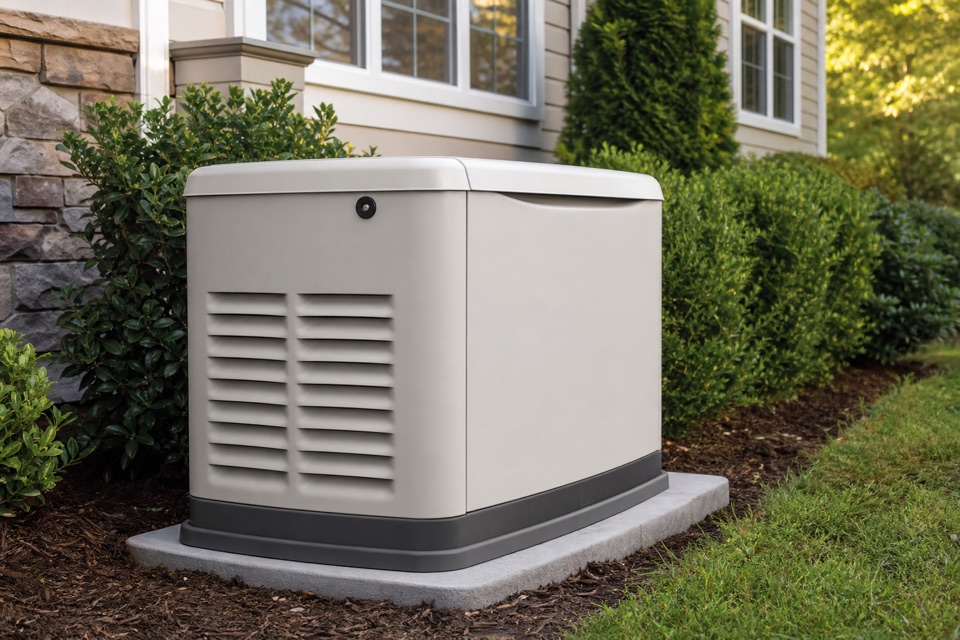
Minor repairs typically take 1 to 2 hours after the initial diagnosis. These include tasks like replacing a blown fuse, swapping out a standard 15-amp or 20-amp breaker that has worn out, or tightening a loose connection in a junction box. A seemingly small symptom, like a partial power loss in a single room, can often be traced back to one of these specific, quickly resolved issues. For example, our team recently helped a homeowner who experienced a partial power loss during an end-of-summer thunderstorm—only their living room lights worked after they attempted a breaker reset. Our responding technician identified and tightened a loose wire associated with their generator, and full power was safely restored to the house within a couple of hours.
Major failures, on the other hand, can take 4 to 8 hours to resolve. These situations involve catastrophic damage to the core of your electrical infrastructure, such as a melted main breaker, burnt bus bars, or extensive water damage inside the panel box. These timelines also depend heavily on part availability and the condition of your existing electrical wiring.
| Repair Category | Typical Timeframe | Common Examples |
|---|---|---|
| Diagnostic Phase | 30 to 60 Minutes | Thermal scanning, load testing, circuit isolation |
| Minor Repairs | 1 to 2 Hours | Replacing a standard breaker, tightening loose wires, swapping a fuse |
| Major Failures | 4 to 8 Hours | Main breaker replacement, panel box repair, fixing burnt bus bars |
Whether you are dealing with a quick fix or a major overhaul, your Allred electrician will keep you informed. Especially in late summer and August, when homes are relying heavily on their cooling systems, getting a fast and accurate timeline is essential for your peace of mind.
How Late-Summer Heat Impacts Electrical Loads and AC Systems
Electrical emergencies rarely happen in a vacuum. They are often triggered by environmental factors and heavy household demand. Late-summer cooling demands place maximum strain on residential electrical systems. When temperatures spike, your air conditioner runs continuously, pulling significant amperage through your electrical panel for hours on end.
This continuous heavy electrical load can easily overheat aging breakers or expose loose connections that might have gone unnoticed during milder weather. As the metal components heat up and cool down, they expand and contract, which can gradually loosen the screws holding your wires in place. Eventually, this leads to arcing, tripped breakers, or even a complete loss of power to the cooling system.
Here in the Pacific Northwest, our team sees firsthand how late-summer heatwaves make rapid restoration of AC-related electrical systems a high priority. Homes in our region are not always built to dissipate extreme heat naturally, meaning that an electrical surge or main breaker failure often necessitates emergency service to restore indoor comfort. If your cooling system goes offline due to an electrical fault, fast and reliable Auburn emergency repair services are critical to protect vulnerable household members from dangerously high indoor temperatures.
The Timeline for Replacing a Tripping Main Breaker
One of the most disruptive electrical emergencies a homeowner can face is a tripping main breaker. The main breaker is the gateway between the utility grid and your home's electrical panel. When it trips repeatedly, it is doing its job as a critical safety mechanism—protecting your home from a massive overload or a dangerous short circuit. As we always advise our customers, this is never a nuisance to be ignored or simply reset repeatedly.
Replacing a main breaker or repairing the surrounding panel box is intensive work that typically requires 4 to 8 hours. The process involves completely de-energizing the panel, removing the damaged components, inspecting the bus bars for heat damage, installing the new breaker, and rigorously testing the connections under load. In some cases, the timeline is extended because our technicians must fix errors made by previous electricians. For instance, we recently responded to a local customer whose panel box kept tripping the breaker repeatedly during the intense August heat. Our electrician discovered a wiring error made by a previous contractor, fixed the fault, and stabilized the panel box so the breaker stopped tripping permanently.
Why Utility Coordination Adds Time
Certain main panel repairs require the local utility company to get involved. If the main breaker cannot be safely isolated from the incoming power lines, the utility provider must dispatch a crew to pull the meter or disconnect the power at the pole.
- Waiting on Dispatch: Electricians cannot legally or safely pull a utility meter without authorization. Waiting for the utility crew to arrive can add several hours to your overall repair timeline.
- Reconnection Procedures: Once the repair is finished, the utility company must return to inspect the connection and restore power from the grid.
- Permitting and Inspections: Depending on the municipality in Auburn WA, major panel work may require an expedited permit and a follow-up inspection to ensure total compliance with safety codes.
What to Expect During Your Emergency Service Call
When you are sitting in the dark, the last thing you want is a lack of communication. Knowing what to expect from the moment you call for help until the final safety check can significantly reduce your stress. Allred Heating Cooling Electric provides responsive 24/7 emergency dispatch and is committed to transparent timeline communication, ensuring you are never left guessing how long the power will be out.
Here is the standard procedure our team follows during an emergency electrical visit in Auburn WA:
- Immediate Dispatch and Arrival: A technician is routed to your home, prioritizing calls based on active safety hazards and extreme temperature risks.
- Site Security and Diagnostics: The technician secures the panel, tests the circuits, and identifies the exact point of failure.
- Transparent Timeline Updates: Before any wrenches are turned, you receive a clear explanation of the problem, the required repair, and a realistic timeframe for completion.
- Professional Repair Execution: The electrician replaces the damaged components using code-compliant materials, ensuring the fix is permanent.
- Final Safety Testing: The most crucial step. The electrician verifies that all circuits are operating safely under normal loads, checking for voltage drops or unusual heat signatures before leaving your home.
While you wait for our electrician to arrive, practice safe habits. Unplug sensitive electronics to protect them from potential power surges when the electricity is restored. Keep refrigerator and freezer doors closed to preserve food. Most importantly, leave the electrical panel alone—do not attempt to force a breaker to stay on if it continues to trip.
Frequently Asked Questions About Electrical Emergencies
How long does it take an electrician to diagnose a problem?
It typically takes an electrician 30 to 60 minutes to properly diagnose an electrical problem. This timeframe allows the technician to use specialized tools to safely isolate the fault without guessing. Rushing this phase can lead to misdiagnosis and lingering safety hazards.
How long does it take to replace a main breaker?
Replacing a main breaker generally takes 4 to 8 hours from start to finish. This timeline includes diagnosing the root cause of the failure, safely removing the damaged components, installing the new breaker, and performing final load testing. The process may take longer if it requires coordination with the local utility company to safely disconnect the incoming power.
Why does my AC keep tripping the breaker?
Your AC usually trips the breaker because it is pulling too much amperage, which can be caused by a failing compressor, dirty air filters, or an aging, weakened breaker. During late summer and August heatwaves, continuous operation puts maximum strain on both the HVAC unit and the electrical panel. Resolving this requires a professional assessment of both systems to determine where the fault lies.
What happens during an electrical emergency call?
During an electrical emergency call, technicians first secure the area to eliminate immediate fire or shock hazards. They then perform a thorough diagnostic, provide you with a clear repair plan and timeline, and execute the necessary repairs. The visit concludes with rigorous safety testing to ensure your home's electrical system can handle normal daily use.
Is a partial power outage considered an emergency?
Yes, a partial power outage is considered an emergency if it involves burning smells, sparking, or if it affects critical household systems. Losing power to medical equipment, refrigeration, or cooling systems during extreme heat creates a dangerous environment that requires immediate professional intervention.
Restore Your Power and Peace of Mind
Navigating a sudden power loss doesn't have to be a prolonged ordeal if you understand the process. While diagnostic times are relatively fixed at around an hour, overall repair timelines depend heavily on the severity of the failure—ranging from a quick one-hour fix for a loose wire to an all-day project for a catastrophic panel failure. Attempting to rush this process or DIY electrical repairs is extremely dangerous and can lead to devastating house fires or severe injury.
If you are wondering how long does a typical emergency electrical repair take for your specific situation, the safest step is to contact a licensed professional immediately. By relying on our experienced technicians at Allred Heating Cooling Electric in Auburn WA, you ensure that your home receives transparent, safe, and efficient diagnostics. Don't wait for a minor electrical hiccup to turn into a major hazard—schedule an AC emergency repair and electrical assessment today to restore your power, your cooling, and your peace of mind.
Ready to Get Started?
Whether you need a repair, maintenance, or a new installation, our expert team is here to help.