Are HVAC Maintenance Plans Worth It? A Homeowner's Guide to Heat Pumps vs. Split Systems
Trust Allred
The HVAC Replacement Dilemma: Choosing and Protecting Your Next System
At Trust All Red, we know firsthand that navigating the maze of options comparisons for homeowners can feel overwhelming when an aging HVAC system finally starts failing to keep the house comfortable. You notice the rooms are heating unevenly, the utility bills are creeping upward, and that strange rattling noise from the utility closet is becoming impossible to ignore. Deciding how to replace a central heating and cooling system is one of the most significant investments you will make in your property, tying you to a specific technology for the next ten to fifteen years.
For most residential properties, we find that the decision ultimately narrows down to two primary architectures: a modern air-source heat pump vs. AC/Furnace split system. Both setups have distinct operational profiles, unique efficiency metrics, and specific responses to regional weather patterns. Understanding these technical differences is the first step toward making an informed, long-lasting choice for your home.
However, selecting the right hardware is only half the battle. Regardless of which technology you ultimately choose to install, protecting that complex machinery through proactive, professional care is what guarantees its longevity. By investing in professional air conditioning services and scheduling a routine AC maintenance and tune-up, you ensure your new equipment delivers the comfort and efficiency you paid for, season after season.
Heat Transfer vs. Heat Generation: How Modern Systems Operate
The Problem: Homeowners often experience frustrating spikes in their utility bills and uneven indoor temperatures as they transition between winter heating vs. summer cooling cycles. Much of this inefficiency stems from a misunderstanding of how different HVAC architectures actually manage indoor climates.
The Cause: Traditional split systems rely on a divided approach to climate control. During the winter, a gas furnace operates on the principle of heat generation. It consumes fossil fuels—creating small, controlled combustions—to generate new thermal energy, which is then pushed through a heat exchanger and blown into your living spaces. In the summer, a separate central air conditioner takes over to handle the cooling load. Because creating new heat requires a constant supply of consumable fuel, older furnaces can suffer from significant energy loss through exhaust and inefficient burners.
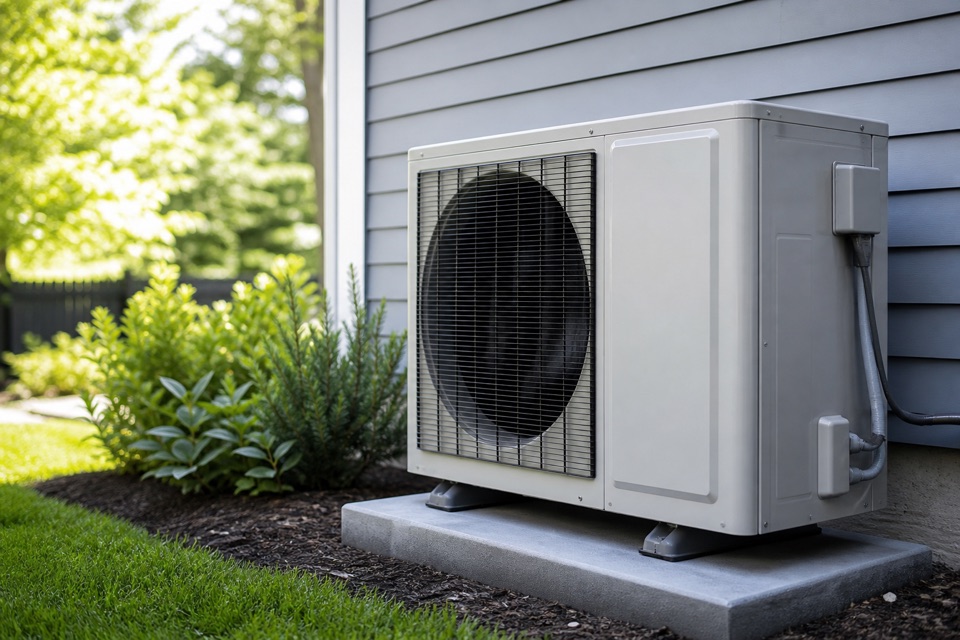
The Solution: Modern air-source heat pumps solve this efficiency gap by abandoning heat generation entirely in favor of heat transfer. A heat pump uses a closed loop of pressurized refrigerant to absorb existing ambient thermal energy from one location and move it to another.
The Mechanics of Two-Way Heat Transfer
During the summer, a heat pump acts exactly like a traditional air conditioner. It absorbs the warm air from inside your house and releases it outdoors. The technological advantage reveals itself in the winter. The system simply reverses its flow. Even when it feels freezing outside, the ambient air still contains trace amounts of thermal energy. The heat pump captures this outdoor energy, compresses the refrigerant to raise its temperature, and transfers that concentrated heat inside your home.
Because moving existing heat requires significantly less electricity than generating brand-new heat from scratch, heat pumps operate at exceptional efficiency levels. Understanding this fundamental difference between generation and transfer is critical when evaluating which system will best serve your household's long-term energy goals.

Evaluating Climate Suitability for Pacific Northwest Homes
Historically, a persistent myth dictated that homeowners living in colder climates absolutely required a gas furnace to survive the winter. Decades ago, early heat pump models did struggle to extract enough thermal energy once temperatures plummeted below freezing, forcing them to rely on inefficient auxiliary electric resistance heating. Today, our team sees every day that this outdated narrative no longer applies to high-performance, modern equipment.
Busting Outdated Cold-Weather Myths
Modern air-source heat pumps are engineered with variable-speed compressors and advanced refrigerants that allow them to pull functional heat from the outdoor air even when temperatures drop into the sub-zero range. When evaluating an air-source heat pump vs. AC/Furnace split system, it is vital to look at your specific, localized weather data rather than national averages.
Why Seattle and Auburn Climates Favor Heat Transfer
The regional advantage: In our years of serving the local area, specifically around Seattle and Auburn, we've found that average winter low temperatures reliably hover in the mid-to-upper 30s Fahrenheit. This specific temperature band is the absolute optimal operating environment for modern air-source heat pumps. The climate is damp and chilly, but rarely experiences the prolonged, deep-freeze conditions of the Midwest. Because the outdoor air retains plenty of thermal energy at 35 degrees, a heat pump can operate at peak efficiency throughout almost the entire Pacific Northwest winter.
The traditional alternative: Traditional split systems remain a highly viable and popular option, particularly for homes that already have extensive natural gas infrastructure in place. However, sticking with a furnace requires a careful evaluation of your year-round energy usage. If you choose a split system, you are maintaining two distinct pieces of heavy machinery, each with its own specific seasonal demands.
Efficiency Ratings and Potential Generic Incentives
To make an objective decision between system types, you need to understand the standardized metrics used to measure their performance. You cannot compare an air-source heat pump vs. AC/Furnace split system effectively without knowing how to read the labels.
Decoding the Acronyms
For cooling efficiency, both heat pumps and traditional central air conditioners use the SEER2 (Seasonal Energy Efficiency Ratio 2) rating. This number represents the cooling output during a typical cooling season divided by the total electrical energy input. A higher SEER2 rating indicates a more efficient cooling system.
Heating efficiency is where the metrics diverge. Heat pumps use HSPF2 (Heating Seasonal Performance Factor 2), which measures the ratio of heat output over the heating season to the electricity used. Gas furnaces use AFUE (Annual Fuel Utilization Efficiency), which measures the percentage of fossil fuel successfully converted into usable heat rather than being lost as exhaust.
Because high-efficiency electric systems drastically reduce fossil fuel consumption, they frequently qualify for general federal tax credits and local utility rebates. Homeowners should always consult with a qualified tax professional or their local utility provider to verify current program eligibility and application requirements, as these incentives can offset the initial installation costs of upgrading to modern heat transfer technology.
| Metric | Air-Source Heat Pump | Traditional Split System (AC/Furnace) |
|---|---|---|
| Cooling Efficiency | Measured by SEER2 | Measured by SEER2 |
| Heating Efficiency | Measured by HSPF2 (Electricity to Heat Ratio) | Measured by AFUE (Fuel to Heat Percentage) |
| Operational Duty | Continuous, year-round operation | Alternating seasonal operation |
| Incentive Potential | High eligibility for electrification credits | Moderate eligibility (varies by AFUE rating) |
Why System Architecture Dictates Proactive Care
Once you understand the operational differences between these two setups, it becomes clear why their structural architecture dictates different approaches to maintenance. The way a system handles the transition between winter heating vs. summer cooling cycles determines how its internal components wear down over time.
The Year-Round Toll on Heat Pumps
Continuous operation: Because a heat pump manages both the heating and the cooling for your home, it rarely gets a day off. The compressor, the blower motor, and the electrical relays are working continuously, 365 days a year. This relentless duty cycle means that wear-and-tear accumulates much faster than on a system that rests for six months. A heat pump requires meticulous attention to its refrigerant charge and defrost controls to ensure it does not freeze over during damp Pacific Northwest winters.
The Seasonal Demands of Split Systems
Dormancy issues: Traditional split systems face a completely different set of challenges. When your furnace sits idle all summer, dust settles on the burners, and lubrication in the blower motor can degrade. When the air conditioner sits dormant all winter, electrical contacts can corrode, and condensate drains can become clogged with debris. These systems require careful startup and shutdown procedures to transition safely between seasons.
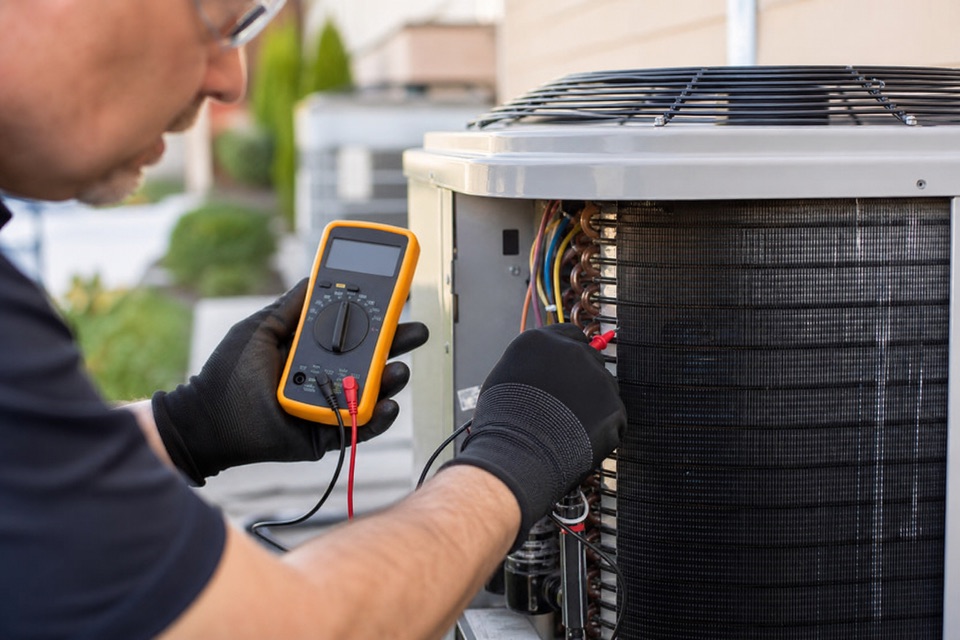
The danger of neglect: Neglecting these architectural nuances inevitably leads to premature component failure. For example, during a recent spring service call, our Trust All Red technicians evaluated an aging furnace that had absolutely no prior service records on file. The system was severely compromised by decades of accumulated grime. Only after performing a rigorous verification process and a deep cleaning of the neglected components could the furnace be restored to safe, working order. Allowing complex machinery to operate without professional oversight is a massive gamble. Routine AC inspection and testing ensures that airflow dynamics, refrigerant levels, and electrical components consistently meet the manufacturer's strict specifications.
Are HVAC Maintenance Plans Worth It for Your Chosen System?
The short answer is yes. Whether you choose an air-source heat pump vs. AC/Furnace split system, enrolling in a structured maintenance program is the single most effective way to protect your investment. Modern HVAC systems are highly calibrated pieces of technical equipment; they are not household appliances you can simply plug in and ignore.
Here is exactly how a structured maintenance plan benefits your household:
- Prevents sudden breakdowns: A comprehensive tune-up catches minor wear—like a fraying belt, a loose electrical connection, or a failing capacitor—long before it cascades into a major, system-wide failure on a holiday weekend.
- Preserves efficiency ratings: Those high SEER2 and HSPF2 ratings you paid a premium for will steadily decline if the system is forced to push air through clogged filters or dirty evaporator coils. Consistent cleaning preserves the equipment's original efficiency.
- Ensures thorough oversight: In one instance during a routine spring tune-up, a homeowner asked us for a second look at their furnace because a previous, unaffiliated service had felt rushed. Our technicians took the time to point out critical missed items, thoroughly documenting the neglected areas with photographs. A dedicated plan ensures no detail is overlooked.
- Maintains warranty compliance: Almost all major HVAC manufacturers explicitly require a documented history of professional, annual maintenance to keep their factory warranties intact. If a compressor fails and you cannot prove it was maintained, the replacement cost falls entirely on you.
- Provides long-term cost savings: By reducing the likelihood of emergency dispatch fees, lowering monthly utility bills through optimized performance, and extending the overall lifespan of the equipment, maintenance plans easily pay for themselves over time.
Furthermore, members of structured maintenance plans benefit from priority scheduling and access to trusted technicians. When you understand why annual HVAC maintenance is important, you stop viewing it as an optional chore and start seeing it as essential asset protection.
Protecting Your Investment Against Peak Weather Extremes
The true value of a well-maintained HVAC system reveals itself during the most demanding times of the year. Extreme temperature spikes—whether an unseasonably hot August afternoon or a freezing January night—put maximum stress on aging or unmaintained components. This is the exact moment when neglected systems fail.
Securing Critical Safety Mechanisms
Proactive prevention: Professional servicing ensures that vital safety mechanisms function correctly under pressure. For a furnace, this means verifying the integrity of the heat exchanger to prevent carbon monoxide leaks and testing the high-limit switch to ensure the unit shuts down if it overheats. For a heat pump, it means confirming the defrost board is operating correctly so the outdoor coil does not become encased in a solid block of ice during winter heating vs. summer cooling cycles.
The Value of Reliable Relationships
Consistent support: One local family came to Trust All Red after dealing with multiple, recurring heat pump issues over a frustrating three-year period. It was only by establishing a reliable, ongoing service relationship with our team that they finally achieved consistent comfort. Having a dedicated team systematically track and resolve the equipment's quirks transformed a stressful situation into a stable one.
Investing in a structured plan shifts your entire approach as a homeowner from reactive panicking to proactive management. Knowing that you have 24/7 emergency availability as a critical safety net provides unparalleled peace of mind. If the worst does happen during a severe weather event, you already know exactly who to call for swift, professional AC repair service.
Frequently Asked Questions
What is the difference between a split system and a heat pump?
A traditional split system uses two separate units—a furnace to generate heat and an air conditioner to provide cooling. A heat pump is a single, unified system that provides both heating and cooling by transferring thermal energy between the indoors and outdoors. Heat pumps operate year-round, while split systems alternate duties based on the season.
Is a heat pump suitable for Pacific Northwest winters?
Yes, modern air-source heat pumps are exceptionally well-suited for the Pacific Northwest. Because average winter lows in the region generally stay in the 30s, there is abundant ambient thermal energy in the outdoor air for the heat pump to capture and transfer indoors. They operate at high efficiency in this damp, chilly climate.
Should I replace my gas furnace with a heat pump?
Replacing a gas furnace with a heat pump depends on your home's existing infrastructure and your energy goals. Heat pumps offer higher energy efficiency and eliminate combustible fuels from the home, but if your property already has extensive, well-maintained gas lines, a high-efficiency furnace might still be a logical choice. A professional load calculation is the best way to decide.
At what temperature does a heat pump become inefficient?
Older heat pumps often struggled when temperatures dropped below freezing (32°F). However, modern variable-speed heat pumps are engineered with advanced refrigerants that allow them to extract functional heat even when outdoor temperatures drop below zero. Their efficiency only begins to noticeably decline in extreme, prolonged deep-freeze conditions.
Do HVAC maintenance plans cover both heat pumps and traditional furnaces?
Yes, professional maintenance plans are designed to accommodate whatever equipment is installed in your home. A plan for a split system will typically involve a dedicated furnace tune-up in the fall and an AC tune-up in the spring. A heat pump plan will focus on inspecting the reversing valve, checking refrigerant charges, and cleaning the coils twice a year.
How often should I schedule an inspection for a dual-purpose system?
Because a heat pump operates continuously throughout the year to provide both heating and cooling, it should be inspected and serviced at least twice annually. Scheduling a visit in the spring and another in the fall ensures the system is prepared to handle the peak workloads of the upcoming extreme weather seasons.
Choosing the right equipment is a major milestone, but protecting it is an ongoing commitment. Whether you opt for the high-efficiency heat transfer of a modern heat pump or the reliable heat generation of a traditional split system, prioritizing professional oversight ensures your home remains comfortable, safe, and energy-efficient for years to come.
Related Articles
Ready to Get Started?
Whether you need a repair, maintenance, or a new installation, our expert team is here to help.