
Are HVAC Maintenance Plans Worth It? Demystifying Heat Pump Defrost Cycles
Trust Allred
Why Is My Heat Pump Blowing Cool Air?
You adjust the thermostat to warm up the house, but the air coming out of your vents feels suspiciously cool. If you are searching for home maintenance tips and troubleshooting, few things cause as much immediate panic as a heating system that seems to be doing the exact opposite of its job. You rely on your equipment to keep your home comfortable, and feeling a chill from the registers naturally triggers concern. The immediate question you face is a critical decision point: should you wait it out, or is it time to call a professional for a diagnostic?
During the peak winter heating months, this specific behavior is one of the most common concerns homeowners face. However, what feels like a sudden mechanical failure is frequently a built-in protective mechanism working exactly as designed. Your system has internal protocols to protect itself from freezing solid, and occasionally blowing cool air is a byproduct of that defense system. Learning to identify normal operation versus a genuine malfunction saves you stress and unnecessary service fees.
Understanding how your equipment operates is a core part of effective Air Conditioning and heating care. While knowing the signs of a normal cycle is helpful in the moment, proactive AC maintenance and tune-up services offer the best long-term defense against unexpected failures.
The Initial Reaction vs. System Reality
Most homeowners assume that a heat pump should only ever produce warm air when set to heating mode. Because a furnace operates by burning fuel or heating electric elements to generate consistent, high-temperature heat, we expect a similar output from all heating systems. Heat pumps, however, operate on a completely different set of physical principles. They do not generate heat; they move it. Because they are exposed to the outdoor elements, they must periodically shift their operation to manage ice accumulation. This shift can temporarily alter the temperature of the air circulating through your ductwork, leading to the false impression that the compressor has failed.
Understanding the Heat Pump Defrost Cycle Mechanics
To understand why your system occasionally behaves this way, we have to look at the physics of how it warms your home. The root of the problem lies in the way air-source heat pumps function in cold weather. Even when it feels freezing outside, the ambient air still contains thermal energy. Your outdoor unit uses chemical refrigerant to absorb this latent heat from the outdoor air, compress it to raise its temperature, and transfer it inside to warm your living space.
The cause of the cool air phenomenon is a natural byproduct of this heat extraction process. As the outdoor coil absorbs heat, its temperature drops significantly—often well below the freezing point of water. Any moisture present in the outdoor air condenses on the cold metal fins of the coil. When the temperature of the coil is below freezing, that condensation turns into frost. If left unchecked, this frost would eventually build into a solid block of ice, suffocating the unit, blocking airflow, and completely stopping the heat transfer process.
The solution engineered into every modern unit is the defrost cycle. To melt the accumulated ice, the system temporarily reverses its operation. It switches back into cooling mode, taking the heat from inside your house and sending it back outside to warm up the outdoor coil. Because the system is temporarily pulling heat from your indoor air to melt the outdoor ice, you will experience a temporary drop in supply air temperature at your vents. Once the ice is melted, the system shifts back into heating mode and resumes warming your home. This complex reversal requires precise timing and calibrated sensors, which is why annual HVAC maintenance is important to keep the system functioning reliably.
The Role of Auxiliary Heat
During a normal defrost cycle, the system usually engages its auxiliary or backup heating strips (if your system is equipped with them). These electric resistance heaters activate inside the indoor air handler to counteract the cooling effect of the reversed cycle. They temper the air so that it does not feel completely frigid coming out of the vents. If these backup strips are malfunctioning, or if your system relies solely on the heat pump without auxiliary heat, the air will feel noticeably cooler for the duration of the cycle.
How High Humidity and Chilly Weather Impact Your System
The frequency of these defrost cycles is not random; it is heavily dictated by the specific weather patterns outside your home. In regions like the Pacific Northwest, the climate creates a perfect storm for rapid frost accumulation. The damp, chilly winter weather in this region provides the two necessary ingredients for ice: abundant airborne moisture and low temperatures. When the ambient humidity is high, there is simply more water vapor in the air ready to condense onto your outdoor coil.
Interestingly, the most severe freezing does not happen during the absolute coldest days of the year. When temperatures drop into the teens or single digits, the air is typically very dry, meaning there is little moisture available to form frost. Instead, temperatures between 30 and 40 degrees Fahrenheit represent the peak frost-forming climate for air-source heat pumps. In this temperature band, the air can still hold a significant amount of moisture, and the refrigerant inside the coil is running cold enough to freeze that moisture on contact.
Frequency Expectations During Cold Snaps
Under these specific damp and chilly conditions, your system is forced to work harder to keep its coils clear. It is entirely normal for the equipment to enter defrost mode frequently—often every 30 to 90 minutes. Homeowners frequently mistake this increased cycling for a mechanical failure, assuming the unit is short-cycling or struggling to keep up with the thermostat demand.
If you notice your system shifting gears multiple times an hour during a cold, foggy morning or a damp winter evening, this is expected system behavior. The control board is simply sensing the rapid accumulation of frost and taking proactive steps to clear the coil before the ice can restrict airflow and damage the compressor.
Normal Defrost Symptoms vs. Warning Signs of Malfunction
Distinguishing between a routine cycle and a genuine mechanical failure is the most important skill for a homeowner. Knowing what to look for allows you to protect your equipment without panicking over normal operation. Below is a breakdown of what you should expect to see, hear, and feel when the system is working correctly, versus the red flags that require professional attention.
| Symptom Category | Normal Defrost Operation | Warning Sign of Malfunction |
|---|---|---|
| Cycle Duration | Lasts roughly 5 to 15 minutes before returning to normal heating. | Cycle lasts longer than 30 minutes without shifting back to heat. |
| Outdoor Fan Activity | The top fan on the outdoor unit stops spinning completely. | The fan remains off indefinitely, or the motor makes a loud grinding noise. |
| Visual Appearance | Steam or water vapor rises from the outdoor unit as frost melts. | Heavy, solid ice encases the entire unit, including the inner coils. |
| Indoor Air Temperature | A temporary drop in supply air temperature at the vents. | The system blows cold air continuously for hours. |
Why the Fan Stops and Steam Rises
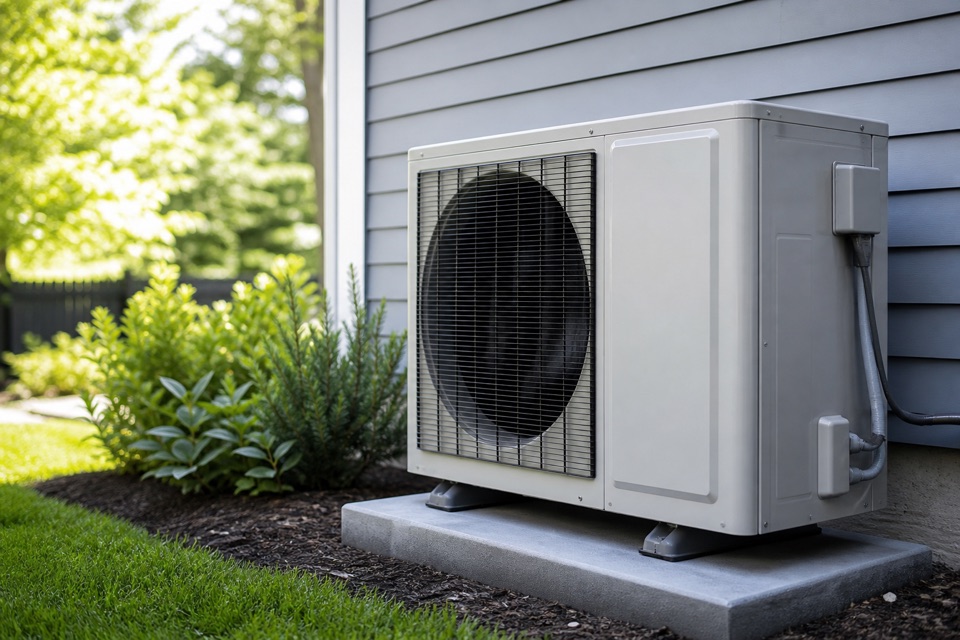
During a normal cycle, you might look outside and notice that the large fan on top of the unit has stopped spinning, even though the compressor is still humming. This is an intentional design feature. By stopping the fan, the system prevents cold outdoor air from blowing across the coil, allowing the heat transferred from inside the house to build up rapidly and melt the frost. As the ice turns to water and evaporates off the hot copper tubing, you will often see a cloud of steam rising from the top of the unit. This steam is frequently mistaken for smoke, prompting emergency calls, but it is completely harmless.
When to Call for Professional Help
While a light coating of frost is normal, a solid block of thick ice is not. If your outdoor unit looks like it has been encased in a glacier, the defrost cycle has failed. Ignoring continuous icing poses severe risks to your equipment. The ice acts as an insulator, preventing heat transfer and forcing the compressor to run continuously until it overheats and fails. If you observe these warning signs, it is time to turn the system off to prevent further damage and schedule an AC repair service to diagnose the underlying failure.

The Hidden Components: Reversing Valves and Defrost Boards
To fully grasp why these systems sometimes fail, we need to look at the internal components responsible for managing this process. The defrost cycle is not a simple mechanical switch; it is a highly coordinated event controlled by complex electronics and specialized valves. When these parts suffer from excessive wear and tear, the entire process breaks down.
The Reversing Valve's Job
The heart of a heat pump is the reversing valve. This brass component features a sliding mechanism inside that physically redirects the flow of high-pressure refrigerant gas. When the system needs to defrost, a small electrical coil (the solenoid) becomes energized, shifting the internal slider. This instantly changes the direction of the refrigerant, turning the outdoor coil into the hot condenser and the indoor coil into the cold evaporator. Over time, the internal slider can become physically stuck due to debris in the refrigerant line, or the electrical solenoid can burn out. When this happens, the system may become permanently trapped in cooling mode.
Sensors and Control Boards
The brain behind the operation is the defrost control board. Depending on the age and model of your equipment, this board uses either a time-temperature method or a demand-defrost method to initiate the cycle. It relies on temperature sensors attached directly to the outdoor copper piping. If a sensor degrades and sends inaccurate temperature readings to the board, the system might never initiate a defrost cycle, leading to a solid freeze-up. Alternatively, a failing board might trigger the cycle too frequently, wasting energy and keeping your home uncomfortably cool.
Because these components involve high-voltage electricity, pressurized chemical refrigerants, and delicate circuitry, they cannot be serviced or calibrated by homeowners. Diagnosing a stuck reversing valve or a faulty thermistor requires professional digital gauges and multimeters. Attempting to force a defrost cycle or bypass a control board can result in catastrophic compressor failure.
Are HVAC Maintenance Plans Worth It for Heat Pump Owners?
Given the complexity of the reversing valve, the control board, and the temperature sensors, the problem of a failing defrost cycle is almost entirely preventable. The cause of most winter freeze-ups is a lack of routine testing. Parts do not usually fail overnight; sensors slowly drift out of calibration, electrical contacts slowly pit and corrode, and refrigerant levels slowly drop. The solution to preventing mid-winter breakdowns is proactive, scheduled care.
An HVAC maintenance plan is essentially an ongoing service agreement that ensures your equipment is inspected, cleaned, and calibrated by a professional before the heavy heating season begins. For heat pump owners, these plans are particularly valuable because the equipment runs year-round—providing air conditioning in the summer and heating in the winter. This double duty means the components accumulate wear and tear twice as fast as a traditional split system (like a furnace and a standalone AC unit).
The Measurable ROI of Routine Care
The return on investment for a maintenance plan is found in three specific areas: fewer unexpected breakdowns, extended equipment lifespan, and sustained energy efficiency. When a system operates with a heavy layer of frost because a sensor is slightly out of calibration, it has to run longer to heat the home, driving up your monthly utility bills. Routine AC inspection and testing verifies the exact millivolt readings of the defrost sensors and tests the physical shifting of the reversing valve before the freezing weather arrives.
By catching a degrading sensor in October, you avoid an emergency no-heat situation in December. Ultimately, maintenance plans act as an insurance policy for your home comfort, ensuring that when the damp, freezing weather hits, your system is fully prepared to manage its own frost accumulation without skipping a beat.
Honest Evaluations: Knowing When to Call an Expert
Understanding your system's normal behavior is the very first step in avoiding unnecessary service fees. Not every strange noise, sudden shift in airflow, or temporary drop in temperature requires a technician to rush to your home. By learning to read the symptoms of a standard defrost cycle, you empower yourself to make informed decisions about your property.
The 15-Minute Rule
A typical pattern we see is a homeowner calling for emergency service the moment they feel cool air, only to have the system return to normal heating before the technician even arrives. If you notice the air turning cool, the most practical first step is to simply check your watch. Wait 15 minutes. In the vast majority of cases, the system will complete its cycle, the outdoor fan will kick back on, and warm air will resume flowing from your registers. If the 30-minute mark passes and the air is still cold, you have a legitimate reason to reach out for help.
The Value of Transparent Diagnostics
When you do need to call for a diagnostic, the character of the company you choose matters just as much as their technical skill. Trust All Red is committed to honest evaluations and transparent communication. A trustworthy technician will always prioritize accurate diagnostics over quick fixes. If your system is simply struggling with an unusually damp weather pattern and operating normally, an honest professional will explain the situation rather than pushing an unnecessary repair. This commitment to integrity ensures that when a real repair is necessary, you have all the factual information needed to make the right choice for your home.
Secure Your Comfort With Proactive System Care
The short answer is that occasional cool air during the winter is a standard part of heat pump operation. Normal defrost cycles are temporary, lasting only a few minutes, while continuous icing and hours of cold air are the true warning signs of a malfunction.
To keep your equipment running efficiently and reliably through the harshest weather, consider the long-term benefits of an HVAC maintenance plan. By keeping the reversing valves, sensors, and control boards professionally calibrated, you secure your peace of mind. Take the time to explore AC maintenance and tune-up options today, and ensure your home stays consistently warm all winter long.
Frequently Asked Questions
Why is my heat pump blowing cold air in heat mode?
Your system is likely in its normal defrost cycle. To melt frost that has accumulated on the outdoor coil, the unit temporarily reverses its operation, pulling heat from inside your home and sending it outside. This process causes a temporary drop in the temperature of the air coming out of your vents, but it should return to normal within 15 minutes.
How do I know if my heat pump is in defrost mode?
You can identify this mode by looking at the outdoor unit. The large fan on top will stop spinning, the compressor will continue to run, and you may see steam rising from the unit as the ice melts. Inside the house, you will notice the air from the registers feels cooler than usual for a short period.
How long does a heat pump defrost cycle last?
A standard cycle typically lasts between 5 and 15 minutes, depending on the severity of the frost buildup and the outdoor temperature. Once the sensors detect that the outdoor coil is clear of ice, the system automatically shifts back into standard heating mode. If the cycle lasts longer than 30 minutes, it indicates a malfunction.
Are HVAC maintenance plans worth it for heat pumps?
Yes, they are highly beneficial because heat pumps operate year-round for both heating and cooling, accumulating wear and tear faster than seasonal systems. A maintenance plan ensures that complex parts like the reversing valve and defrost control board are tested annually. This proactive care prevents unexpected winter breakdowns and maintains energy efficiency.
Can high humidity cause my heat pump to freeze up?
Yes, high ambient humidity combined with chilly temperatures creates the ideal environment for rapid frost accumulation. When the air is damp and temperatures are between 30 and 40 degrees, the moisture easily condenses and freezes on the cold outdoor coil. This weather pattern will cause your system to enter its defrost cycle much more frequently.
Ready to Get Started?
Whether you need a repair, maintenance, or a new installation, our expert team is here to help.