The Mechanics of Air Scrubber Technology in Homes with Pets
Trust Allred
When closed windows trap pet odors inside, standalone room purifiers often fall short. See how active, whole-home oxidative scrubbers neutralize dander directly inside your ductwork.
The Late-Summer Pet Odor Trap in Tightly Sealed Homes
Your air conditioner is running nonstop to beat the August heat, but instead of fresh relief, you are noticing a distinct, lingering dog smell. Here at Allred Heating Cooling Electric, this is a pattern we see often, which brings us directly to understanding the mechanics of air scrubber technology in homes with pets. As we transition into the late-summer and back-to-school season, houses are typically closed up tight to keep the cool air inside. While this is great for your energy bills, it creates a perfect trap for pet odors, shedding hair, and microscopic dander.
Most pet owners respond to this indoor air quality problem by purchasing multiple standalone room purifiers. You might place one in the living room near the dog bed and another in the master bedroom. However, our clients quickly realize that while the air right next to the machine smells fine, the rest of the house still feels heavy and stale. This creates a critical decision point for homeowners: do you continue to rely on localized, passive filtration, or is it time to upgrade to active, whole-home air scrubbing?
If you are relying heavily on your air conditioning systems to stay comfortable through the end of the season, integrating routine HVAC maintenance and tune-ups with advanced air purification can completely change how your home feels and smells. To understand why a whole-home approach works better than a corner unit, we have to look at the exact science of how these technologies handle biological contaminants at the duct level.
Passive Filtration vs. Active Oxidation: The First-Principles Science
To truly understand indoor air quality, you have to look at the fundamental difference between passive systems and active systems. If you have a standard air filter or a standalone room purifier, you are using passive filtration. These systems rely entirely on the premise that contaminated air will eventually find its way into the machine.
In our experience working on Auburn homes, the core problem with passive filtration is that it cannot treat surfaces, nor can it reach stagnant air pockets where pet dander naturally settles. If your dog shakes off in the hallway, that dander has to remain airborne, travel through the house, and get sucked into the return vent before the filter can catch it. If it lands on the carpet or the couch first, the filter is useless.
Active oxidative technology flips this process upside down. Instead of waiting for the pollutants to come to the unit, an active air scrubber sends friendly oxidizers out into the living space. These molecules actively seek and destroy biological contaminants in the air and on surfaces before they even reach your return vents. Understanding the impact of dirty filters on your system is important, but upgrading to active oxidation means you are no longer relying solely on a physical barrier to keep your air clean.
The Waiting Game of HEPA Filters
Passive filters rely entirely on the system's airflow. While High-Efficiency Particulate Air (HEPA) filters are excellent at trapping microscopic particles, their effectiveness is limited by physics. They act as a goalie, waiting at the net. If the air doesn't flow through the filter medium, the air doesn't get cleaned.
Heavy pet dander settles quickly. Pet skin flakes and hair are often too heavy to remain suspended in the air for long periods. They settle on furniture, floors, and bedding long before the HVAC blower can pull them into the ductwork, meaning a passive filter never gets the chance to trap them.
The Proactive Nature of Oxidizers
Oxidizers act like an invisible cleaning crew. When an air scrubber is running, it continuously produces purifying molecules that circulate through your home's ductwork and out into every room. These molecules fill the space, actively hunting down contaminants.
Neutralizing odors at the source. Because these friendly oxidizers land on surfaces, they neutralize pet odors right where they originate—like the living room rug or the dog bed—rather than waiting for that odor to circulate through the entire house.

How UV-C and Hydroperoxides Neutralize Pet Dander at the Molecular Level
When we talk about air scrubbers, we are looking at a highly specialized scientific process that takes place entirely inside your ductwork. The core of this technology relies on a combination of specialized UV-C light and a proprietary metallic catalyst. As the air from your home flows past the air scrubber unit, the UV-C light shines onto the catalyst surface, triggering a photocatalytic reaction.
This reaction creates what are known as advanced oxidation products, specifically safe, low-level hydroperoxides. Hydroperoxides are naturally occurring compounds. In fact, they are created outdoors every day when sunlight interacts with moisture in the atmosphere. Our technicians often explain this to clients as the exact reason why the air outside smells so fresh and clean after a thunderstorm. An HVAC air scrubber simply replicates this natural outdoor cleaning process and brings it safely indoors.
At the molecular level, the process is fascinating. When these hydroperoxide molecules encounter a biological contaminant—like a microscopic fleck of pet dander or the volatile organic compounds (VOCs) that make up a "wet dog" smell—they immediately attack the structural integrity of the pollutant. The oxidizers break down the complex protein structures of the pet dander, rendering it inert and harmless. Simultaneously, they alter the chemical composition of the odor-causing VOCs, breaking them apart until nothing is left but harmless water vapor and carbon dioxide.
The result is a continuous purification cycle. Because the air scrubber is mounted directly in your HVAC supply plenum, every time your blower fan turns on, a fresh wave of these neutralizing molecules is pushed through your vents. This means the air is constantly being treated, and the molecular breakdown of pet odors happens 24 hours a day, 7 days a week, without you ever having to lift a finger or change a standalone unit's filter.
Why Auburn Homes Struggle with Trapped Pollutants in August
The science of air scrubbing is particularly relevant when you look at how modern homes are constructed. Homes in Auburn, WA, are built and retrofitted to be incredibly energy-efficient. They are tightly sealed with advanced insulation, double-pane windows, and heavy weatherstripping to protect against damp Pacific Northwest winters and keep the cool air inside during late-summer heatwaves. While this tight thermal envelope is fantastic for your utility bills, it inadvertently traps indoor pollutants.
During August, when temperatures spike, windows stay firmly shut. Your air conditioning system runs continuously, rapidly recirculating the exact same stale, dander-filled air over and over again. Without active air scrubbing, the concentration of microscopic pet skin flecks, odors, and dust compounds significantly over the weeks. The longer the house stays sealed, the more pronounced the indoor air quality problems become.
Our team at Allred Heating Cooling Electric recently helped a local homeowner who experienced the compounding effect of trapped air during a late-summer weekend with record-breaking high temperatures. Their air conditioning unit was not functioning, leading to a hot, sweltering house. One of our technicians arrived promptly, diagnosed the problem, replaced a failing component, restored the system's cooling capacity, and swapped out the heavily soiled furnace filters. Once we cooled the house down, the sheer volume of pet dander caught in the old filters highlighted just how much biological matter continuously circulates when the system runs nonstop.
Heavy reliance on the cooling system during these record-breaking heat events makes proper airflow and filtration critical. When you have pets, a standard 1-inch paper filter simply cannot keep up with the volume of dander being pulled through the return ducts. This regional reality is exactly why relying on passive filtration in a tightly sealed Auburn home often leaves homeowners frustrated with lingering pet odors.
The Limitations of Standalone Plug-In Purifiers for Pets
When pet odors become overwhelming, the most common reflex is to order a standalone plug-in room purifier. We want to acknowledge that these consumer units absolutely have a place in the market. If you need to spot-treat a very small, enclosed space like a home office, a high-quality HEPA room purifier will do an adequate job of filtering the air immediately around it. However, when it comes to managing pet dander across an entire home, we consistently see their limitations become glaringly obvious.
The primary issue is the "Clean Air Delivery Rate" (CADR) radius. A standalone unit can only pull in air from a few feet away. Because pets move freely from the living room to the kitchen to the bedroom, they spread dander far beyond the reach of a single corner unit. To effectively treat a whole house using passive room purifiers, you would need to purchase, plug in, and maintain a separate machine for almost every room.
Beyond the lack of coverage, running multiple high-speed room purifiers introduces significant noise and aesthetic drawbacks. These units often sound like small jet engines when running on high, and they take up valuable floor space while presenting tripping hazards with their power cords. We frequently hear from clients who are tired of listening to a fan whirring in the corner of their living room while trying to watch television. If you feel the same way, it is time to look at a solution that integrates directly into your home's infrastructure. Having a professional AC inspection and testing can help determine how well your current ductwork is distributing air, which is the first step in upgrading to a whole-home system.
| Feature | Whole-Home Air Scrubber | Standalone Room Purifier |
|---|---|---|
| Coverage Area | Treats every cubic foot of conditioned air in the home via ductwork. | Limited to a single room or a small radius around the unit. |
| Technology Type | Active oxidation (neutralizes on surfaces and in the air). | Passive filtration (waits for air to pass through a physical filter). |
| Maintenance Needs | Low maintenance; UV bulb/cell replacement typically every 1-2 years. | High maintenance; requires frequent filter vacuuming and replacement. |
| Aesthetics & Noise | Completely invisible and operates silently inside the HVAC system. | Takes up floor space, requires an outlet, and generates fan noise. |
Integrating Scrubbers into Existing Ductwork
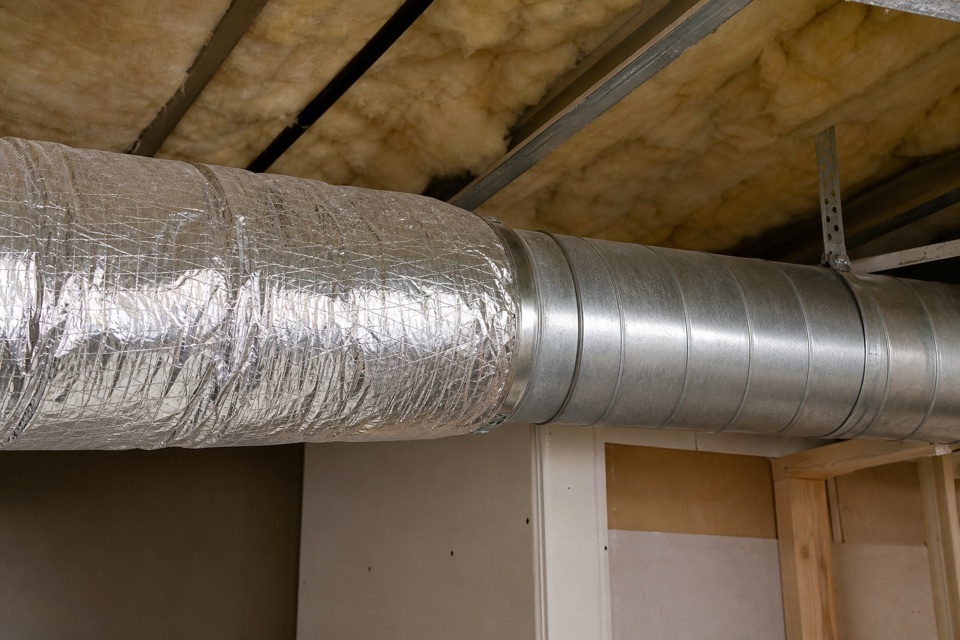
Unlike a consumer product that you unbox and plug into a wall, an HVAC air scrubber is a permanent upgrade to your home's mechanical infrastructure. It requires precise integration into your existing ductwork to function correctly and safely. This is not a plug-and-play device, and the installation mechanics dictate exactly how effective the unit will be at eliminating pet odors.
At Allred Heating Cooling Electric, our team's expertise in whole-home HVAC integration ensures that professional duct-level installations allow the scrubber to work in perfect harmony with the existing system. Here is a breakdown of how our technicians handle the integration process:
- Strategic Placement in the Supply Plenum: The air scrubber is physically installed in the main supply plenum, which is the large sheet metal box located immediately above (or next to) your HVAC indoor unit. This placement ensures that 100% of the conditioned air passes the UV-C light and picks up the purifying hydroperoxides before branching off into the individual room ducts.
- Calculating Proper Sizing: Sizing is absolutely critical. If an undersized unit is installed, it will not produce enough oxidizers to effectively neutralize pet odors across a large square footage. Conversely, improper placement of a large unit can restrict the physical airflow of your system, leading to static pressure issues.
- Cutting and Sealing the Ductwork: The installation requires cutting a precise hole into the metal supply plenum. Once the unit is inserted, our technicians meticulously seal it to prevent any conditioned air from leaking out into the attic, garage, or utility closet.
- Electrical Integration with the Blower Motor: This is a crucial step. The air scrubber's power supply must be wired directly into the HVAC control board. This ensures that the scrubber operates in tandem with the blower motor—meaning it only produces oxidizers when the fan is actually moving air through the house, maximizing efficiency and extending the life of the UV cell.
Because the installation involves modifying the sheet metal of your ductwork and wiring high-voltage components into your furnace or air handler's control board, it requires a licensed professional. If you are already considering a new AC installation, that is the absolute best time to have an air scrubber integrated directly into the new plenum design. You can also ask our team to help you verify if any generally applicable energy rebates or utility incentive programs apply to your high-efficiency system upgrades.
Frequently Asked Questions About HVAC Air Scrubbers and Pets
Do air scrubbers remove pet dander?
Yes, air scrubbers actively neutralize pet dander by breaking down its protein structure. While passive filters simply trap dander that floats into them, an air scrubber sends hydroperoxides into the living space to attack the dander on surfaces and in the air. This molecular breakdown renders the dander inert, significantly reducing the allergens circulating in your home.
How does an HVAC air scrubber work?
An HVAC air scrubber works by using a specialized UV-C light shining on a metallic catalyst inside your ductwork. This interaction creates advanced oxidation products, including safe levels of hydrogen peroxide vapor. These purifying molecules are then pushed out through your air vents, where they actively seek out and destroy biological contaminants, bacteria, and odors throughout the entire house.
Air scrubber vs purifier for pets?
The short answer is that an air scrubber treats the whole house actively, while a purifier treats a single room passively. A room purifier uses a fan to pull pet hair and dander through a physical HEPA filter, limiting its reach to a few feet. A duct-mounted air scrubber uses your home's existing HVAC blower to distribute odor-neutralizing oxidizers into every single room, providing far superior coverage for homes with pets.
Are UV air scrubbers safe for pets?
Yes, professionally installed UV air scrubbers are completely safe for both humans and pets. The advanced oxidation process creates hydroperoxides at levels that mimic what is naturally found in fresh outdoor air. Because the UV-C light is safely contained entirely inside the metal ductwork, neither you nor your pets are ever exposed to the physical light itself.
Do air scrubbers eliminate wet dog smells from the whole house?
Yes, they are highly effective at eliminating the volatile organic compounds (VOCs) that cause wet dog smells. Because the oxidizers travel through the ductwork to reach every room, they neutralize the odor at the source—even if the dog is in the living room and the smell has drifted down the hallway. It breaks the odor down molecularly rather than just masking it with a fragrance.
Can an air scrubber be installed in any existing HVAC system?
In most cases, yes, an air scrubber can be integrated into any forced-air HVAC system that utilizes ductwork. The unit is mounted directly into the supply plenum above the furnace or air handler. However, a professional technician must evaluate the system first to ensure there is adequate physical space on the plenum and that the control board can support the integrated electrical load.
Achieving True Whole-Home Freshness for Your Pets
Achieving true indoor air quality requires looking past the limitations of traditional, passive filters. While standard filters are necessary for protecting your HVAC equipment from large dust particles, we know firsthand that they simply cannot handle the microscopic dander and embedded odors that come with owning pets. To fundamentally change how your home smells and feels, you have to actively neutralize contaminants at the molecular level.
A duct-mounted air scrubber provides a comprehensive, silent, and invisible solution that works around the clock. By utilizing your home's existing ductwork, it ensures that every cubic foot of conditioned air is treated, reaching the spaces where standalone purifiers simply cannot go. If you are tired of fighting a losing battle against lingering dog smells, exploring professional IAQ upgrades is the next logical step.
Whether you are scheduling routine HVAC maintenance and tune-ups before the seasons change or evaluating a complete system overhaul, discussing the mechanics of air scrubber technology in homes with pets with our qualified team will provide clarity on the best path forward for your family's comfort.
Ready to Get Started?
Whether you need a repair, maintenance, or a new installation, our expert team is here to help.