Are HVAC Maintenance Plans Worth It? A Homeowner's Troubleshooting Guide
Trust Allred
The Core Problem: When Minor Irregularities Signal Major System Stress
You adjust the thermostat, expecting a rush of conditioned air, but the vents are barely breathing. The system runs continuously, yet the house refuses to reach a comfortable temperature. When you are looking for reliable home maintenance tips and troubleshooting, understanding standard residential HVAC airflow and temperature regulation issues is the first critical step. Our team at Trust All Red frequently sees homeowners struggle to determine if a strange noise or weak airflow is a simple DIY fix—like a clogged air filter—or a symptom of a deeper mechanical failure requiring immediate professional diagnosis.
To establish a solid baseline for your home comfort, you need to know how your system operates under pressure. Addressing minor irregularities early prevents catastrophic system failure, especially when equipment works overtime during peak summer and winter transitions, such as the demanding mid-July heatwaves. For a comprehensive look at how your system should function, exploring professional Air Conditioning resources can help you understand the standard performance you should expect from your equipment.
Common signs of early system stress include:
- Inconsistent temperatures: One room feels freezing while another remains stifling hot.
- Unusual operational cycles: The system turns on and off rapidly without reaching the set temperature.
- Weak air delivery: The blower runs, but very little air pushes through the registers.
- Spikes in energy usage: Your utility bills climb unexpectedly despite normal usage habits.
Understanding Your HVAC Mechanics: Airflow and Temperature Regulation
The Problem: Many homeowners experience poor climate control and assume the entire unit is broken, when the issue actually stems from a breakdown in the basic mechanics of airflow or heat transfer.
The Cause: In our experience servicing the local area, we find that residential HVAC systems rely on a delicate balance of mechanical components to regulate air and temperature. When one part of this sequence is disrupted, the entire system suffers. During peak summer and winter transitions, this mechanical stress compounds rapidly if airflow is restricted or internal components are insulated by dirt.
The Solution: Understanding these core mechanics helps you recognize when your system is struggling, making proactive AC maintenance and tune-ups a logical choice for preventing severe damage.
The Role of the Blower and Ductwork
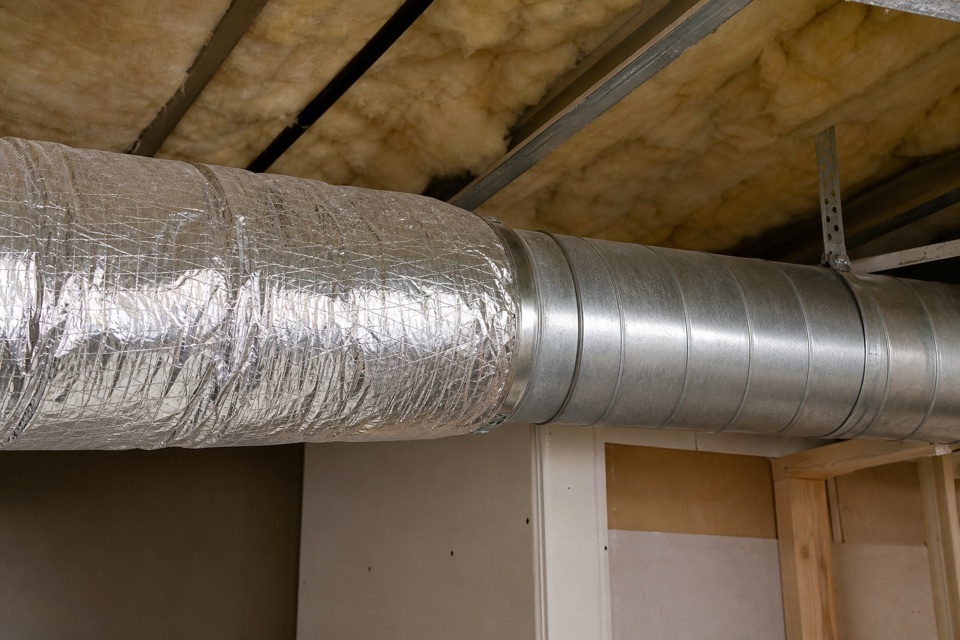
Your HVAC system uses a blower motor to pull unconditioned indoor air through the return ducts, push it over the conditioning coils, and distribute it back into your living spaces through the supply ducts. A standard residential system needs to move about 400 cubic feet per minute (CFM) of air per ton of cooling capacity, which requires consistent static pressure. If the blower motor is weak, or if the ductwork is leaking, the pressure drops. Low pressure means the conditioned air never reaches the furthest rooms in your house, forcing the system to run longer cycles just to satisfy the thermostat.
Heat Exchange Basics
Temperature regulation is all about heat transfer. In the summer, the evaporator coil inside your home absorbs heat from the indoor air, and the refrigerant carries that heat outside to be released by the condenser coil. In the winter, a furnace—especially high-efficiency models operating at 90% AFUE or higher—uses a heat exchanger to warm the air before the blower distributes it. This basic physics requires clean surfaces. If a layer of dust coats the evaporator coil, it acts as an insulator, preventing the refrigerant from absorbing heat. This often causes the coil to freeze solid. Clean components are absolutely necessary for this heat exchange process to function efficiently.
Safe Homeowner Troubleshooting: What You Can Check Yourself
Before calling a professional, there is a logical sequence of checks you can safely perform. One summer, a homeowner reached out to our dispatch team for guidance on furnace maintenance. A Trust All Red technician patiently explained how to keep the unit clean and monitor airflow, demonstrating that proactive homeowner involvement makes a significant difference. Heading into peak summer and winter transitions, follow these safe troubleshooting steps:
- Check and replace dirty air filters: A clogged filter is the leading cause of restricted airflow. It chokes the blower motor, increasing electrical draw and causing the system to overheat or freeze. Check your filter monthly and replace it at least every 90 days, especially if you use denser MERV 11 or MERV 13 filters that restrict airflow faster when dirty.
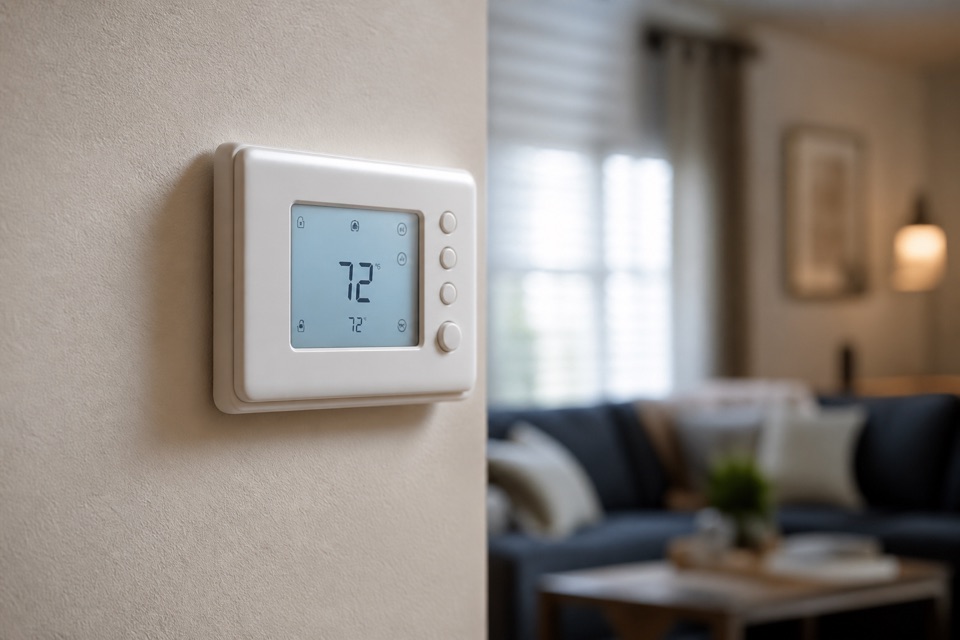
- Verify thermostat settings and battery life: A blank thermostat screen or unresponsive controls often point to dead batteries. Ensure the thermostat is set to the correct mode (cooling or heating) and that the fan is set to "auto" rather than "on."
- Ensure all indoor vents are open and unblocked: Closing vents in unused rooms disrupts the system's static pressure. Verify that rugs, heavy curtains, or furniture are not blocking the supply or return registers.
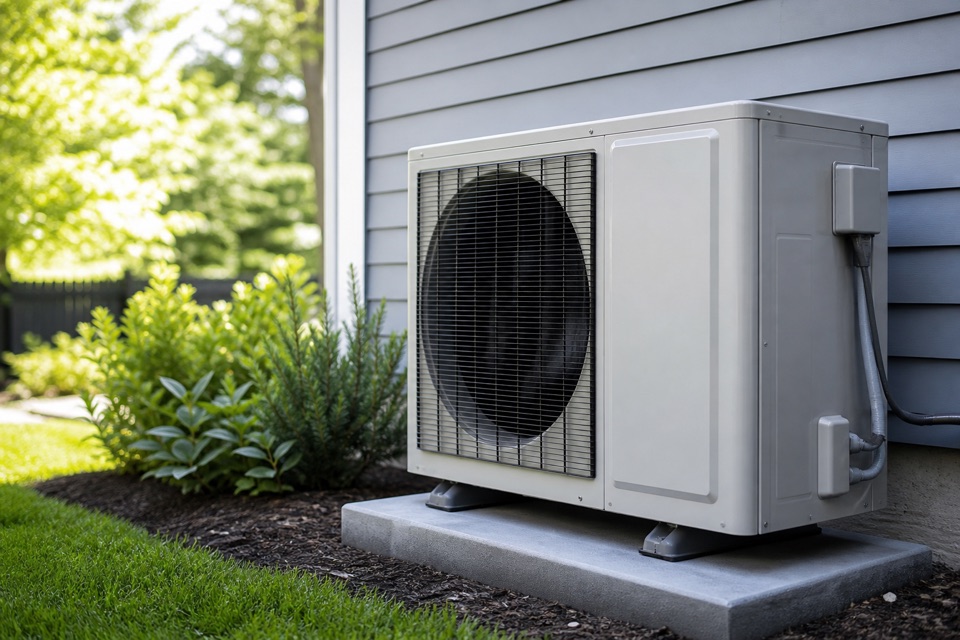
- Safely clear leaves and debris from the outdoor unit: The outdoor condenser needs at least two feet of clearance to exhaust heat properly. Gently remove leaves, twigs, and overgrown vegetation from around the unit, but never insert tools through the fan grate or touch internal wiring.
Staying on top of these basic tasks is a core component of annual HVAC maintenance, ensuring your equipment operates with unrestricted airflow.

The Limits of DIY: When to Call a Licensed Professional
While basic troubleshooting resolves many minor issues, it is crucial to recognize the boundary between safe homeowner maintenance and dangerous DIY repair. Handling 240-volt electrical components or highly pressurized R-410A refrigerants without proper licensing and training poses severe safety risks and can void your equipment's warranty.
During a recent spring, a homeowner discovered their furnace was not heating properly on a Saturday morning. After our team offered safe troubleshooting steps over the phone that did not resolve the problem, a Trust All Red professional arrived at the house and safely diagnosed a complex internal failure, getting the system running within an hour. This highlights the value of having an expert step in when basic checks fall short.
Warning signs that require immediate professional attention:
- Electrical burning smells: An odor of melting plastic or ozone indicates overheating wiring or a failing motor. Shut the system down immediately.
- Short-cycling: If the unit turns on and off every three minutes, the compressor is under extreme stress and risks permanent damage.
- Grinding or squealing noises: These sounds typically point to failing motor bearings or a damaged blower belt.
- Ice buildup on the refrigerant lines: This indicates either a severe airflow restriction or a refrigerant leak, both of which require professional gauges to diagnose safely.
If your system exhibits any of these symptoms, especially during peak summer and winter transitions, it is time to schedule a professional AC repair service to prevent further mechanical degradation.
What Actually Happens During a Professional Maintenance Visit?
Many homeowners wonder what a technician actually does during a tune-up that they cannot do themselves. A professional maintenance visit is a comprehensive mechanical audit designed to catch minor wear-and-tear before it escalates into a major breakdown.
One spring, our technicians inspected a 20-year-old 80% AFUE furnace that had recently been serviced by a different contractor. The technicians pointed out several critical safety and performance checks the previous company missed, providing pictures so the homeowner understood exactly what needed attention. This level of thoroughness is what separates a quick visual check from a true mechanical evaluation.
A standard professional tune-up checklist includes:
- Testing electrical amp draws: Technicians measure the electrical current pulled by the compressor and blower motor. High amp draws indicate a failing motor working too hard.
- Inspecting and testing capacitors: Capacitors store energy to jumpstart motors. We use multimeters to ensure they are reading within 5% of their microfarad rating; a weak capacitor will cause a motor to stall and eventually burn out.
- Deep cleaning heat exchangers and coils: Professionals use specialized non-corrosive chemicals to safely remove insulating dirt from delicate aluminum fins without bending them.
- Clearing condensate drain lines: Technicians flush the drain lines to prevent biological growth and water backups that can flood your home.
- Calibrating the thermostat: Ensuring the thermostat accurately reads the ambient room temperature prevents the system from overworking.
Having a licensed technician perform routine AC inspection and testing ensures your equipment is mechanically sound before peak summer and winter transitions.
Climate Impact: How Pacific Northwest Weather Accelerates Wear
Regional climate plays a massive role in how quickly your HVAC system degrades. In our local area, the combination of damp, chilly winters and increasingly warm summers creates a unique set of challenges for residential heating and cooling equipment.
The constant moisture present in the air during the wetter months significantly increases the risk of drainage clogs and indoor air quality issues. When an air conditioner or heat pump runs, it naturally dehumidifies the air, pulling anywhere from 10 to 20 gallons of water out of your home each day during peak humidity. In a damp climate, the condensate drain lines are constantly working. If dust and airborne particulates mix with this constant moisture, biological growth can rapidly form in the drain pan and lines, leading to severe clogs and potential water damage.
Furthermore, the rapid shift from long, damp heating seasons to hot, dry summers means your equipment rarely gets a break. The mechanical stress of switching back and forth between heavy heating demands and intense cooling cycles requires the system to be in top condition. Bi-annual inspections are critical in this region to prepare the equipment for these rapid weather shifts, ensuring proper moisture control and drainage right at the start of peak summer and winter transitions.
The Long-Term ROI of HVAC Maintenance Plans
Investing in an HVAC maintenance plan is ultimately about protecting the lifespan and efficiency of your most expensive home appliance. According to the U.S. Department of Energy, regular maintenance helps cooling and heating equipment retain up to 95% of its original efficiency, which is vital whether you are running an older 12 SEER unit or a modern 18 SEER system. When dirt builds up and parts wear down, the system consumes more electricity or gas to produce the same amount of comfort.
At Trust All Red, we built our maintenance plans to focus on a transparent service approach, providing homeowners with objective mechanical data rather than fear-based sales tactics. With 24/7 emergency availability included for plan members, a maintenance agreement acts as a proactive partnership. You gain the peace of mind that comes from having a reliable safety net for unexpected issues, especially during peak summer and winter transitions when wait times for service typically skyrocket.
| Approach | System Efficiency | Lifespan Impact | Emergency Risk |
|---|---|---|---|
| Reactive Repair (No Plan) | Declines annually due to dirt and wear | Shortened by compounded mechanical stress | High risk of sudden failure during extreme weather |
| Proactive Maintenance Plan | Retains up to 95% of original efficiency | Maximized through regular part calibration | Significantly lower risk; priority service provided |
By keeping the internal components clean and the electrical draws within manufacturer specifications, you extend the overall lifespan of the system, delaying the significant capital expense of a full replacement.
Securing Peace of Mind for the Seasons Ahead
Understanding your system's basic mechanics is the first step to maintaining a comfortable, efficient home. While basic homeowner troubleshooting—like changing filters and keeping vents clear—is incredibly helpful, professional oversight guarantees safety and long-term reliability.
As you prepare for peak summer and winter transitions—particularly the critical October-to-November heating shift—do not wait for a minor irregularity to become a major mechanical failure. We encourage you to explore professional maintenance options today to protect your investment, lower your monthly utility costs, and secure total peace of mind for the seasons ahead.
Frequently Asked Questions About HVAC Troubleshooting and Maintenance
How can I troubleshoot my HVAC system before calling a pro?
Start by checking the most common culprits of airflow restriction and power loss. Verify that your thermostat is set to the correct mode and has fresh AA or AAA batteries. Next, inspect your air filter and replace it if it is dirty or clogged. Finally, ensure all indoor vents are open and that the outdoor condenser unit is free of leaves and debris. If these steps do not restore normal function, it is time to call our licensed technicians.
What is exactly included in standard HVAC maintenance plans?
A standard maintenance plan includes a comprehensive mechanical audit and cleaning of your system. Technicians will test electrical amp draws, inspect capacitors to ensure proper microfarad output, clean the evaporator and condenser coils, and flush the condensate drain lines. They also calibrate the thermostat and check the system's refrigerant levels to ensure everything operates within the manufacturer's specifications.
What causes weak airflow in a home HVAC system?
Weak airflow is almost always caused by a restriction in the system or a failing blower motor. The most frequent cause is a severely clogged 1-inch or 4-inch pleated air filter that prevents the blower from pulling in enough air. Other common causes include crushed or leaking ductwork, blocked supply registers, or a frozen evaporator coil that physically blocks the air from passing through the system.
Are HVAC maintenance plans actually worth the investment?
Yes, maintenance plans offer a strong return on investment by preserving system efficiency and preventing expensive emergency breakdowns. Regular tune-ups help the equipment retain up to 95% of its original efficiency, preventing the rapid degradation often seen in unserviced 10-to-15-year-old systems. Additionally, catching minor wear-and-tear early extends the overall lifespan of the unit, delaying costly replacements.
How does damp regional weather affect my HVAC maintenance schedule?
Damp climates increase the amount of moisture your system processes, making regular maintenance even more critical. Constant humidity raises the risk of biological growth and severe clogs in the 3/4-inch PVC condensate drain lines. Bi-annual maintenance ensures these lines are flushed and the system is properly prepared to handle heavy moisture loads without backing up into your home.
Ready to Get Started?
Whether you need a repair, maintenance, or a new installation, our expert team is here to help.