Common Homeowner Questions Answered: Are HVAC Maintenance Plans Worth It?
Trust Allred
Navigating System Inefficiencies and Operational Failures
Your thermostat is set to a comfortable 68 degrees, but the house feels uncomfortably warm, the vents are barely pushing out a breeze, and the outdoor unit is running non-stop. Having common homeowner questions answered is the first step when your heating or cooling equipment starts acting up and you need to know exactly what is going wrong. At Trust All Red, we frequently field calls from frustrated homeowners in the local area whose climate control systems have begun to underperform, exhibiting strange behaviors like short-cycling, unusual noises, or uneven temperature distribution across different rooms.
To keep your home comfortable year-round, explore our Air Conditioning Systems and learn more about our AC Maintenance and Tune-Ups.
In our experience, most operational failures do not happen on mild, temperate days. Instead, breakdowns almost exclusively occur during periods of high stress, specifically during peak summer and winter transitions when the equipment is forced to run at maximum capacity after months of relatively light use. When a system is pushed to its limits, any underlying inefficiency—such as a slightly restricted airflow or a marginally low refrigerant charge—suddenly cascades into a noticeable operational failure.
Understanding the baseline of a healthy HVAC system empowers you to make informed decisions about your equipment. By learning the factual, neutral technical mechanics of how your system operates, you can accurately identify when a minor quirk is actually a warning sign of an impending breakdown. Proactive care and a solid grasp of your system's daily behavior remain the most reliable ways to prevent sudden, inconvenient disruptions to your indoor comfort.
The Technical Impact of Neglected Maintenance on System Lifespan
The Problem: On our daily service calls throughout the local area, we often see homeowners notice their heating and cooling systems gradually losing effectiveness over the years, accompanied by rising utility bills and an increase in unexpected repair calls.
The Cause: The root cause of this decline is almost always compounded mechanical wear driven by neglected maintenance. When dirt, dust, and debris accumulate inside the system, they restrict airflow. This forced restriction makes the blower motor work significantly harder to push air through the ductwork. According to data from the U.S. Department of Energy, simply replacing a dirty, clogged filter with a clean one can lower an air conditioner's energy consumption by 5% to 15%. When airflow and refrigerant cycles are compromised, the system cannot absorb or release heat efficiently, which often leads to the evaporator coil freezing into a block of solid ice or the system short-cycling (turning on and off rapidly without completing a full cooling cycle).
The Solution: Routine preventative maintenance mitigates these risks by addressing the friction and airflow restrictions before they cause permanent damage. A properly maintained HVAC system can last 15 to 20 years, whereas neglected systems fail prematurely due to the compounded strain placed on their vital components. For more insights on extending your equipment's lifespan, read Why Annual HVAC Maintenance Is Important.
Understanding the Compounding Effect of Wear and Tear
Our technicians will be the first to tell you that mechanical failures rarely happen in isolation; they are the result of a chain reaction. Consider a minor issue like a degrading electrical capacitor. The capacitor provides the initial jolt of energy needed to start the compressor. As it weakens, it forces the compressor to draw more electrical amperage to start up.
- Increased Heat: Higher amperage generates excess heat within the compressor's motor windings.
- Degraded Insulation: Over time, this recurring excess heat breaks down the protective insulation around the wiring.
- Total Failure: Eventually, the electrical short causes the compressor to fail entirely—an expensive breakdown that could have been prevented by replacing a simple capacitor during a routine check.
This compounding effect is exactly why systems fail so frequently during peak summer and winter transitions, as the sudden demand pushes weakened components past their breaking point.
Identifying Mechanical vs. Electrical HVAC Issues
Heating and cooling systems are complex networks that rely equally on mechanical parts (like fans, blower motors, and compressors) and electrical components (like relays, contactors, and circuit boards). Because the Trust All Red team brings comprehensive expertise across heating, cooling, and electrical systems to the local area, we often see how a simple electrical fault is misdiagnosed as a mechanical failure, leading to unnecessary frustration for the homeowner.
Electrical issues typically present with distinct symptoms. If you experience tripped circuit breakers, hear a loud buzzing or clicking noise at the outdoor condenser unit without the fan spinning, or have a completely unresponsive, blank thermostat, you are likely dealing with an electrical fault. These issues mean the communication or power delivery to the system has been interrupted.
Conversely, mechanical issues manifest through physical performance problems. Grinding, squealing, or rattling noises usually point to failing bearings or loose belts. Weak airflow from the registers, or an evaporator coil encased in ice, indicates a mechanical failure in the air circulation or refrigerant pressure systems.
| Symptom Category | Common Warning Signs | Likely Underlying Cause |
|---|---|---|
| Electrical Faults | Tripped breakers, buzzing at unit, blank thermostat | Failing capacitors, burnt contactors, bad wiring |
| Mechanical Faults | Grinding noises, weak airflow, frozen indoor coils | Worn bearings, blocked filters, blower motor strain |
| Interconnected Failures | Fan runs but air is warm, system won't shut off | Stuck relays preventing compressor engagement |
It is crucial to recognize that these systems are deeply interconnected. A failing mechanical fan motor can overheat and cause an electrical breaker to trip, while a faulty electrical relay can keep the compressor running continuously until it mechanically burns out. Accurately diagnosing the root cause during peak summer and winter transitions prevents a multi-system failure.
The Boundary Between Homeowner Upkeep and Professional Service
At Trust All Red, we always emphasize that knowing exactly when an issue crosses from basic, safe homeowner maintenance into a required professional service call is essential for both your safety and the longevity of your equipment. There are several critical tasks that homeowners should handle proactively, and a strict set of procedures that must be left to licensed technicians.
Safe Homeowner Maintenance Tasks:
- Replacing air filters regularly: Check your filter monthly and replace it every 30 to 90 days depending on thickness and household conditions.
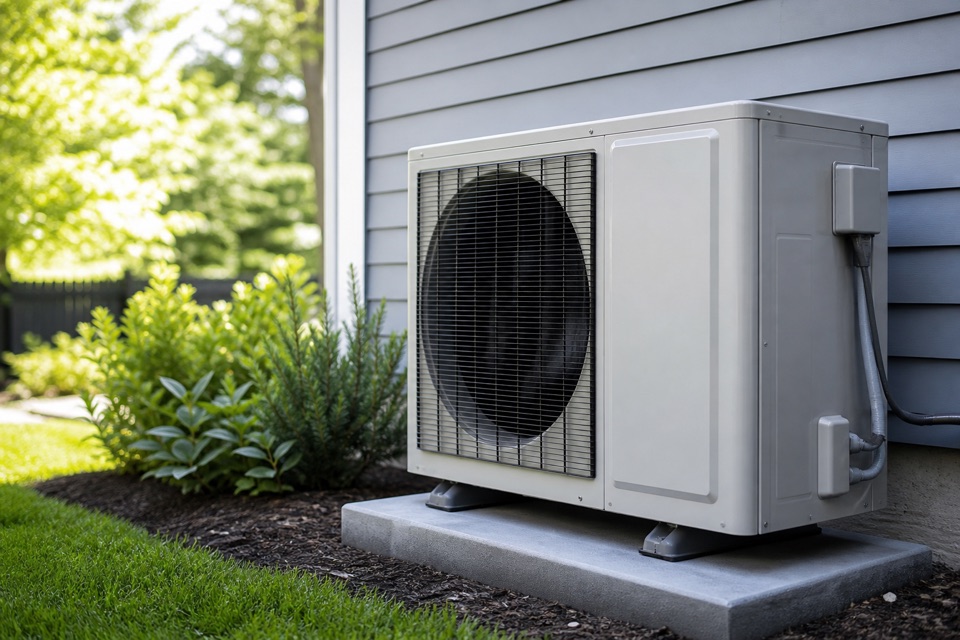
- Clearing outdoor debris: Ensure the outdoor condenser unit has at least two feet of clearance from leaves, overgrown shrubs, and grass clippings to allow for proper airflow.
- Unblocking indoor vents: Keep furniture, rugs, and curtains away from supply and return registers. Never close vents in unused rooms, as this severely disrupts the system's pressure balance.
Strictly Prohibited DIY Actions:
- Handling refrigerants: Federal law mandates EPA certification to handle, recover, or charge HVAC refrigerants. Improper handling is illegal and dangerous.
- Testing high-voltage components: HVAC systems operate on high-voltage electricity (often 240V). Attempting to test capacitors or contactors without proper training risks severe electrical shock.
- Cleaning internal evaporator coils: The aluminum fins on evaporator coils are incredibly delicate. Using the wrong chemical cleaner or applying too much pressure will bend the fins, permanently destroying the coil's ability to transfer heat.
If you notice symptoms like rapidly tripping breakers, a complete lack of cooling, hissing sounds near refrigerant lines, or burning electrical odors, stop troubleshooting immediately. These symptoms mandate an immediate call to a licensed technician. If you suspect your system is failing, schedule an AC Inspection and Testing to safely diagnose the problem.

Managing Moisture and Humidity in Regional Climates
The role of an HVAC system extends far beyond simply blowing hot or cold air; it is also responsible for managing indoor humidity. In the local area, our specific climate creates unique challenges for HVAC systems. The Trust All Red team frequently responds to calls where the constant presence of ambient moisture heavily impacts system transitions and leads to severe operational inefficiencies when not properly managed.
During the warmer months, an air conditioner acts as a powerful dehumidifier. As warm indoor air passes over the cold evaporator coil, moisture condenses into water droplets, which then flow out through a condensate drain line. If this line becomes clogged with dust or algae, the excessive moisture backs up. This standing water not only causes property damage but also leads to rapid biological growth inside the ductwork, significantly reducing the efficiency of heat exchange and degrading indoor air quality.
In the winter, managing moisture shifts to the outdoor unit. Heat pumps in damp, chilly climates frequently accumulate frost on their outdoor coils. To combat this, the system enters a defrost cycle, temporarily reversing its operation to send hot refrigerant outside and melt the ice. If the defrost control board fails, or if the drainage lines are blocked, the unit will encase itself in solid ice, completely halting the heating process. Professional maintenance ensures that all condensate drains, drip pans, and defrost sensors are functioning perfectly before peak summer and winter transitions hit.
Protecting Your Equipment Warranty Through Routine Care
Beyond the immediate mechanical benefits, professional maintenance plans provide crucial administrative and protective benefits regarding your manufacturer warranty. We often have to deliver tough news because most homeowners do not realize that major HVAC manufacturers require documented proof of routine professional maintenance to keep equipment warranties valid.
When you purchase a new heating or cooling system, it typically comes with a limited parts warranty that covers the replacement of major components like the compressor, blower motor, or heat exchanger if they fail due to a manufacturing defect. However, the fine print on almost every major brand's warranty explicitly states that the equipment must be serviced annually by a licensed professional. Skipping this annual service can instantly void the warranty. If a compressor fails and you cannot provide maintenance records, you will be left fully responsible for the cost of the replacement parts.
Enrolling in an HVAC maintenance plan provides a meticulously documented history of care. If a component fails during peak summer and winter transitions, your service provider can easily submit the maintenance logs alongside the warranty claim, simplifying the approval process. For expert help when things go wrong, rely on our AC Repair Services. Consistent professional oversight acts as an insurance policy for the longevity of the system, ensuring that you remain protected against unexpected manufacturer defects.
Frequently Asked Questions About HVAC Maintenance Plans
Why is my HVAC system running but not cooling?
If your system is running but blowing warm air, our technicians typically find that the most common culprit is a severe airflow restriction or a refrigerant issue. A completely clogged air filter or a blocked outdoor condenser prevents the system from properly transferring heat. Alternatively, a refrigerant leak will strip the system of its ability to cool the air, even while the mechanical fans continue to run constantly.
What causes an HVAC system to freeze up during summer transitions?
An HVAC system freezes up when there is a lack of warm airflow moving across the indoor evaporator coil, or when the refrigerant pressure drops too low. Without enough warm indoor air passing over the cold coil (usually due to a dirty filter or closed vents), the condensation on the coil drops below freezing and turns to ice. Operating the system with a frozen coil can severely damage the compressor.
How often should an HVAC system be serviced by a professional?
At Trust All Red, we recommend that heating and cooling systems require professional servicing at least twice a year. The air conditioning side should be inspected and tuned up in the spring, while the heating components (furnace or heat pump) should be serviced in the fall. This biannual schedule ensures the equipment is prepared for the heavy workloads of peak summer and winter transitions.
What exactly is included in routine HVAC maintenance?
Routine professional maintenance involves a comprehensive technical inspection of both mechanical and electrical components. A licensed technician will test electrical voltages and amperages, calibrate the thermostat, inspect the condensate drain lines, check refrigerant charge levels, and clean the delicate internal coils. This process identifies failing components before they cause a total system breakdown.
Can I clean my own HVAC internal evaporator coils?
No, cleaning internal evaporator coils is a task that must be left to licensed professionals. The aluminum fins on the coils are highly sensitive and easily crushed by improper brushing or harsh chemical cleaners. Damaging these fins permanently restricts airflow and destroys the coil's ability to absorb heat, leading to premature system failure.
How can I tell if my HVAC issue is electrical or mechanical?
Electrical issues typically cause sudden, distinct operational stops, such as tripped circuit breakers, a blank thermostat screen, or a buzzing sound at the outdoor unit without the fan spinning. Mechanical issues usually present as physical performance degradation, such as grinding or squealing noises from the motor, weak airflow from the vents, or visible ice buildup on the copper refrigerant lines.
When should a homeowner stop troubleshooting and call an HVAC professional?
You should stop troubleshooting and call a professional immediately if you encounter rapidly tripping circuit breakers, smell burning electrical odors, hear loud metallic grinding noises, or notice a complete loss of heating or cooling. Continuing to run a system under these conditions, or attempting to repair high-voltage electrical components yourself, poses severe safety risks and can cause irreversible damage to the equipment.
Ensuring Long-Term Comfort and System Reliability
Understanding your system's baseline behavior is the critical first step in preventing major, inconvenient breakdowns. When you know the difference between a minor airflow issue and a serious electrical fault, you are better equipped to protect your home's comfort during peak summer and winter transitions.
Ultimately, investing in a professional maintenance plan removes the guesswork from homeowner upkeep. It ensures that complex mechanical and electrical components are routinely inspected by licensed experts, keeping your warranty intact and your energy bills in check. By partnering with the qualified local team at Trust All Red, you gain a clear, well-structured approach to home comfort, ensuring your heating and cooling systems run efficiently and reliably year-round.
Ready to Get Started?
Whether you need a repair, maintenance, or a new installation, our expert team is here to help.