Are HVAC Maintenance Plans Worth It? Understanding System Wear and Tear
Trust Allred
The Hidden Cost of Neglect: Why Heating and Cooling Systems Fail
When your air conditioner runs nonstop but the house still feels warm, or a strange grinding noise echoes from the utility closet, finding reliable home maintenance tips and troubleshooting strategies becomes an immediate priority. Heating and cooling equipment represents a significant investment in your property, yet these complex mechanical and electrical networks degrade silently over time. At Trust All Red, our team frequently sees older 10 to 12 SEER units from the early 2000s working themselves to the point of failure because homeowners do not realize that minor inefficiencies compound daily, forcing the equipment to work harder and run longer just to maintain the temperature on the thermostat.
Neglecting basic care accelerates physical wear on moving parts and places unnecessary strain on electrical components. This introduces a core decision every homeowner must face: understanding which basic upkeep tasks are safe to handle independently, and knowing when a professional maintenance plan is necessary to prevent a catastrophic failure. Proactive care is fundamentally about physical mechanics and electrical safety, going far beyond a generic seasonal tune-up. To keep your air conditioning systems and heating units operating reliably, you need a clear picture of exactly how these components break down and what it takes to stop that process in its tracks.
The Physical Mechanics of Component Degradation
To understand why proactive care matters, it helps to look at the physical mechanics of how specific components fail when left unattended. Heating and cooling systems rely on the precise transfer of thermal energy and the unrestricted flow of air. When either of these processes is hindered, the entire system suffers a cascading failure effect.
The insulating effect of dirt: Inside your equipment, the evaporator coil absorbs heat from your indoor air, while the outdoor condenser coil releases that heat outside. These coils are constructed from tightly packed aluminum fins. When dust, pet dander, and outdoor debris accumulate on these fins, the dirt physically acts as an insulator. In fact, our technicians have measured that even a 1/16th-inch layer of dust on an evaporator coil can drop system efficiency by up to 21%. This barrier stops the transfer of heat. In cooling mode, the system runs longer to achieve the same temperature drop, leading to overheated motors and increased energy consumption. In heating mode, a dirty heat exchanger struggles to transfer warmth, causing the furnace to cycle on and off rapidly—a process known as short-cycling, which severely damages the ignition system.
Friction in moving parts: Blower motors, condenser fan motors, and compressors contain high-speed moving parts that require specific tolerances to operate smoothly. Over years of operation, factory lubrication dries out. Unlubricated bearings generate excess friction, which produces heat. This heat degrades the protective insulation on motor windings, eventually leading to a complete electrical short and mechanical failure. These physical changes happen gradually, making them easy to miss until a major breakdown disrupts your day.
How Airflow Restrictions Damage the System
Airflow is the lifeblood of any HVAC setup. The relationship between clean filters, duct pressure, and blower motor strain is direct and measurable. According to data from the U.S. Department of Energy, replacing a dirty, clogged filter with a clean one can lower an air conditioner's energy consumption by 5% to 15%. When our team responds to frozen coil calls during the peak July heat, we almost always trace it back to a filter that hasn't been changed in over six months, forcing the blower motor to pull against high static pressure.
Restricted airflow leads to severe secondary issues. In cooling mode, insufficient warm air moving over the indoor evaporator coil causes the refrigerant temperature to drop below freezing. Condensation on the coil turns to solid ice, completely blocking airflow and potentially sending liquid refrigerant back to the compressor—a fatal event for the equipment. In heating mode, blocked airflow traps heat inside the furnace, causing the heat exchanger to overheat and potentially crack, which poses a serious carbon monoxide risk.
Safe DIY Home Maintenance Tips and Troubleshooting vs. Professional Care
Establishing a clear boundary between what you can safely handle and what requires certified expertise is the most important step in protecting your equipment. While there are highly effective tasks you can perform to keep your system efficient, opening service panels exposes you to high-voltage electricity and pressurized chemical refrigerants. Understanding why annual HVAC maintenance is important means recognizing where your DIY efforts should end and professional intervention should begin.
| Maintenance Task | Who Should Perform It | Why It Matters |
|---|---|---|
| Replacing Air Filters | Homeowner (DIY) | Prevents airflow restriction, reduces blower motor strain, and saves 5-15% on energy costs. |
| Clearing Outdoor Debris | Homeowner (DIY) | Ensures the condenser coil has adequate airflow to release heat efficiently. |
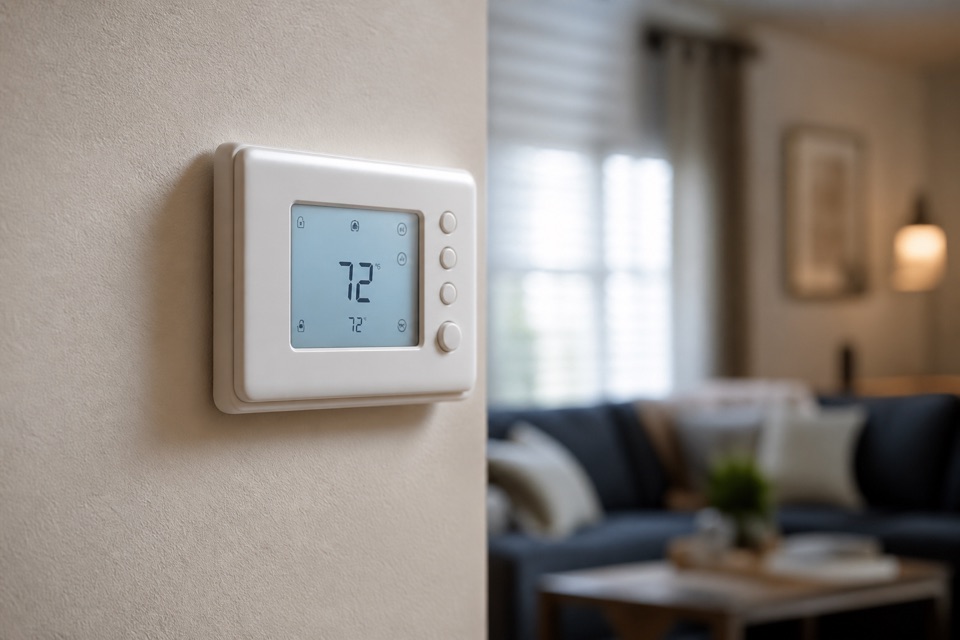
| Checking Thermostat Settings | Homeowner (DIY) | Verifies the system is calling for heating or cooling correctly before assuming a mechanical failure. |
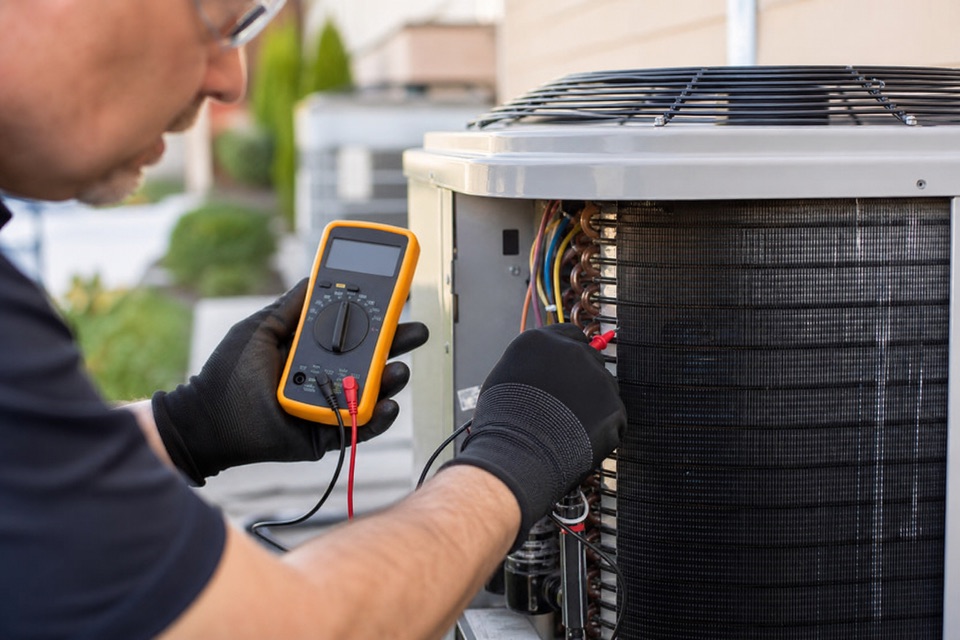
| Testing Electrical Components | Professional | Requires multimeters to test high-voltage capacitors and contactors safely. |
| Checking Refrigerant Charge | Professional | Requires EPA certification to handle pressurized, regulated chemical coolants. |
| Inspecting Heat Exchangers | Professional | Requires specialized cameras to detect microscopic cracks that could leak carbon monoxide. |
The decision framework: If your troubleshooting involves changing a standard 1-inch MERV 8 filter, resetting a tripped breaker once, or clearing leaves away from the outdoor unit, you are within safe DIY territory. If the system continues to malfunction after these basic steps, or if the troubleshooting requires removing a screwed-on metal panel, it is time to call an expert.

Why Electrical Health Matters for Heating and Cooling
Heating and cooling systems are often viewed purely as mechanical devices that blow hot or cold air. In reality, they are some of the heaviest electrical consumers in a residential property. A standard mechanical tune-up is entirely insufficient if the electrical health of the system is ignored. Your equipment relies on a network of capacitors, contactors, relays, and circuit boards to start and run effectively.
The danger of worn electrical contacts: A contactor is a heavy-duty switch that controls the flow of high-voltage electricity to your compressor. Every time your thermostat calls for cooling, the contactor snaps shut. Over thousands of cycles, the electrical current arcing across this gap causes the metal contacts to become pitted, burned, and coated in carbon. Pitted contacts create electrical resistance. This resistance forces the compressor to pull more amperage to start, which generates excess heat and eventually burns out the compressor motor entirely.
Similarly, run capacitors store electrical energy to give motors the extra torque they need to operate. As capacitors degrade—often dropping below their required microfarad rating by just 10%—motors run hotter and slower. Because electrical failures account for a massive percentage of system breakdowns, partnering with a multi-trade provider like Trust All Red offers distinct advantages. Working with a company that brings comprehensive expertise across heating, cooling, and electrical trades means your system is evaluated holistically. You gain the peace of mind that comes from knowing the power supply and the mechanical output are both functioning perfectly. This level of detail is exactly why thorough AC inspection and testing goes far beyond simply hosing off the outdoor unit.
How Local Climate Conditions Accelerate System Wear
Generic equipment advice often falls short because it ignores the specific environmental factors that dictate how a machine operates. In the Pacific Northwest, the local climate plays a massive role in how quickly heating and cooling components degrade. The prolonged damp, chilly winters and increasingly warm summers create a unique set of challenges that require proactive, region-specific care.
Moisture and electrical corrosion: High humidity and persistent dampness during the heavy rains of November through March dramatically increase the likelihood of electrical contact corrosion. Moisture in the air settles on cold metal components inside the outdoor unit. Over time, this condensation accelerates rust and degrades the delicate wiring connections on circuit boards. What begins as a minor layer of oxidation can quickly turn into a dead short that prevents the unit from turning on during the first cold snap of the year.
Biological growth and summer stress: The damp climate also promotes moisture buildup within ductwork and on indoor evaporator coils. Without regular professional cleaning, this dark, moist environment becomes a breeding ground for biological growth, which clogs the coil fins and ruins indoor air quality. Furthermore, as summers in the region push temperatures into the upper 90s, equipment that historically sat idle for much of the season is now being pushed to its absolute limits. Systems are running longer cycles under unprecedented thermal stress. Connecting these environmental realities to a structured care routine is the best way to avoid needing emergency AC repair service when the weather hits its extremes.
Timing Your System Care: Pre-Summer and Pre-Winter Strategies
Understanding what needs to be checked is only half the equation; knowing exactly when to perform these checks is equally important. Pre-summer and pre-winter are the two critical periods for preventative maintenance. We strongly recommend scheduling your system care during these transition windows to prevent peak-season breakdowns when extreme weather hits and service schedules are booked solid.
Pre-summer cooling inspections: Scheduled during the mid-April to late May transition window, a technician must perform specific calibrations to ensure the air conditioner can handle the thermal load before the heavy heat arrives. This includes measuring the superheat and subcooling of the refrigerant to confirm exact charge levels. Operating with even a 10% undercharge can severely damage the compressor. Additionally, the technician will flush the condensate drain line. During heavy summer use, the system pulls gallons of water out of the indoor air; if the drain line is clogged with algae or dust, that water will back up and flood your utility space.
Pre-winter heating safety checks: Before the first freeze—typically in September or October—the focus shifts to combustion safety and electrical staging. For gas furnaces, the technician will inspect the heat exchanger for stress fractures, test the ignition sequence, and verify that the flue pipe is venting exhaust gases safely outdoors. For heat pumps, the defrost control board and reversing valve must be tested to ensure the outdoor unit will not freeze into a solid block of ice during damp winter nights. Timing these interventions correctly ensures you are never left waiting for a repair in an uncomfortable home.
What Exactly Is Included in a Professional Maintenance Plan?
Many homeowners hesitate to invest in a maintenance plan because they are unsure of the actual structural value it provides. A professional plan moves far beyond a simple visual check; it is a comprehensive strategy of deep mechanical and electrical testing designed to provide long-term financial savings and equipment reliability.
A structured professional visit from Trust All Red typically includes the following rigorous steps:
- Comprehensive Electrical Profiling: Technicians measure the exact voltage and amperage draw of the compressor, blower motor, and condenser fan motor, comparing current readings against factory specifications to spot failing parts before they break.
- Coil Restoration: Both the indoor evaporator and outdoor condenser coils are treated with specialized, non-corrosive cleaners to remove impacted dirt, restoring the system's ability to transfer heat efficiently.
- Refrigerant Circuit Testing: The sealed chemical circuit is evaluated for microscopic leaks, ensuring the system is not slowly losing pressure (down to the exact ounce) and working harder than necessary.
- Moving Part Lubrication: Any unsealed bearings are lubricated to reduce mechanical friction, lower operating temperatures, and extend the lifespan of the motors.
- Safety Control Verification: High-limit switches, pressure switches, and flame sensors are manually tested to guarantee they will shut the system down safely in the event of a malfunction.
Beyond the technical steps, regular plans provide sustained energy efficiency—preventing the 5-15% efficiency loss associated with neglected systems. Members also benefit from priority service scheduling and comprehensive system tracking. Having a documented history of your equipment's performance over its lifespan removes the guesswork from home maintenance and makes future repair-versus-replace decisions entirely data-driven.
Frequently Asked Questions About HVAC Maintenance
Are HVAC maintenance plans worth it?
Yes, maintenance plans are highly cost-effective because they prevent expensive catastrophic failures and maintain energy efficiency. We often tell our customers that by keeping coils clean and electrical components tested, a plan stops the gradual 5-15% efficiency loss that drives up monthly utility bills. The long-term savings on energy and delayed replacement costs easily outweigh the annual fee.
What is included in an HVAC maintenance plan?
A comprehensive plan includes deep mechanical and electrical testing, not just a visual inspection. Technicians will clean the indoor and outdoor coils, test capacitors and contactors under load, clear the condensate drain, verify refrigerant pressures, and inspect safety controls. This structured approach ensures every critical component is operating within factory specifications, whether it's a newer 18 SEER variable-speed unit or an older single-stage system.
Can I do HVAC maintenance myself?
You can and should perform basic upkeep, but internal mechanical work requires a professional. Safe DIY tasks include changing your air filters every 30 to 90 days (especially if using standard 1-inch pleated filters), keeping the outdoor unit clear of leaves and debris, and checking your thermostat batteries. Opening access panels to test electrical parts or handle refrigerant requires specialized training and licensing.
How often should HVAC be serviced?
Our team recommends heating and cooling systems be professionally serviced twice a year. The optimal schedule is a cooling inspection pre-summer and a heating safety check pre-winter. This biannual approach ensures the equipment is calibrated and ready to handle the heaviest thermal loads during extreme weather.
How does electrical system health impact my heating and cooling?
Your HVAC system relies on high-voltage electrical components to start and run heavy motors. If parts like contactors become pitted or capacitors lose their required microfarad rating to store energy, the motors are forced to pull excess amperage. This creates heat and electrical resistance, which is the leading cause of premature compressor and blower motor failure.
Why is moisture control critical for HVAC systems in the Pacific Northwest?
The damp, chilly winters (especially from late fall to early spring) in the region create heavy condensation on outdoor metal components, leading to rapid electrical contact corrosion. Inside the home, excess moisture can cause biological growth on the evaporator coil and inside the ductwork. Professional maintenance includes cleaning these areas and applying treatments to prevent moisture-related degradation.
Protecting Your Home's Comfort Year-Round
Understanding the physical mechanics of system wear and tear empowers you to make better decisions about your property. When you know exactly how dirt insulates coils and how pitted electrical contacts destroy motors, the value of proactive care becomes undeniably clear. By maintaining a structured checklist of safe DIY tasks and relying on professional oversight for complex mechanical and electrical systems, you can extend the lifespan of your equipment and keep your utility costs manageable.
Do not wait until a pre-summer heatwave or a freezing winter night to find out your system is struggling. Taking action now ensures your equipment operates safely and efficiently when you need it most. Explore professional AC maintenance and tune-up options with Trust All Red today, and secure the right home maintenance tips and troubleshooting support to protect your home's comfort year-round.
Related Articles
Ready to Get Started?
Whether you need a repair, maintenance, or a new installation, our expert team is here to help.