
Is It Normal for My Generator to Run a Weekly Self-Test?
Trust Allred
Hearing your new standby generator fire up on a quiet afternoon can be startling. This automated exercise cycle is actually a vital feature protecting your home.
Why Did My Standby Generator Just Turn On By Itself?
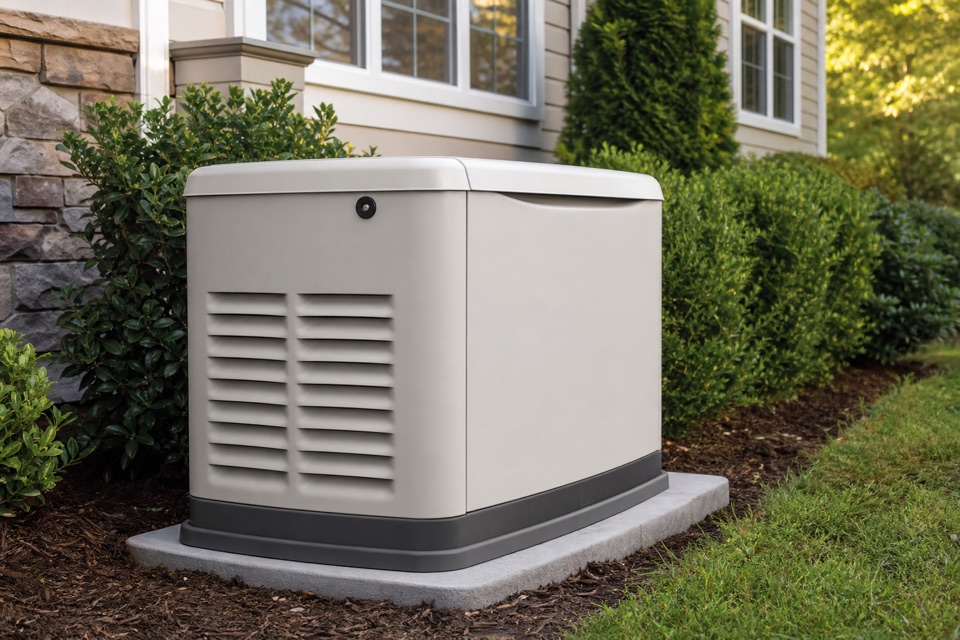
Is it normal for my generator to run a weekly self-test, or did the system just malfunction on its own? You are sitting in your living room on a perfectly clear, quiet afternoon in the Auburn WA area when suddenly, a loud roar erupts from the side of your house. The sun is shining, the lights are on, and the utility grid is functioning perfectly. Yet, your newly installed standby generator has fired up completely unprompted.
This sudden noise often triggers immediate homeowner anxiety. You might wonder if the unit is glitching, if it is needlessly burning through your fuel supply, or if a localized power outage occurred without you noticing. If you recently invested in backup power, hearing the engine run for no apparent reason can be startling.
The good news is that this built-in feature is not a flaw. This automated sequence is known as an "exercise cycle." Modern standby generators are programmed to turn themselves on, run for a brief period, and turn themselves off without any human intervention. The technicians at Allred Heating Cooling Electric configure these systems specifically to perform this automated check so you never have to guess about your system's readiness when a real emergency strikes.
The Short Answer: Yes, Weekly Generator Self-Tests Are Completely Normal
Yes, it is completely normal for a standby generator to run a weekly self-test. In fact, this unprompted operation is one of the most important features of your backup power system. Known in the industry as an exercise cycle, this short run-time is the ultimate proof that your equipment is fully operational before real outages occur.
During the early fall pre-storm season, hearing this test run provides critical peace of mind. The weekly exercise cycle serves three primary mechanical purposes:
- Lubricating engine seals: The engine circulates oil throughout its internal components, preventing rubber seals and gaskets from drying out, cracking, and causing oil leaks.
- Verifying battery health: The system tests the starter battery to ensure it has enough cranking amps to turn the engine over reliably.
- Performing diagnostic checks: The onboard computer runs a scan on the alternator and internal sensors to confirm voltage output is stable.

What Exactly Happens During a Generator Exercise Cycle?
Understanding the mechanical details of the self-test helps demystify the process and builds foundational knowledge about your home's backup power. The exercise cycle is a highly choreographed sequence of events designed to test the system without disrupting your daily life in the Auburn WA area.
The 10 to 20-Minute Run Time
A typical self-test lasts between 10 and 20 minutes. This specific timeframe is intentional. It provides just enough time for the engine oil to circulate fully and for the internal components to reach their optimal operating temperature. Running for less than 10 minutes would not allow the engine to warm up adequately, while running longer than 20 minutes would waste fuel unnecessarily.
Lower Engine Speeds and Optimal Temperatures
Many modern standby generators are designed to perform their exercise cycle at a lower engine speed, often referred to as a "quiet test" mode. Instead of running at the full 3,600 RPM required to generate maximum electricity, the engine might run at a lower RPM. This reduces noise pollution in your neighborhood while still achieving the necessary operating temperature to burn off internal condensation.
The Role of the Transfer Switch
One of the most common points of confusion is whether the generator is actually powering the house during the test. The answer is no. Your home remains connected to utility power the entire time. The automatic transfer switch (ATS) recognizes that the utility grid is still active. It allows the generator engine to run independently without transferring the electrical load of your house onto the generator.
Internal Diagnostics and Fuel Flow Monitoring
While the engine hums along, the generator's onboard computer is hard at work. It monitors the flow of natural gas or liquid propane into the combustion chamber. It checks internal engine temperatures, oil pressure levels, and voltage output. If any of these sensors detect a reading outside the normal parameters, the system will log a fault code and display a warning light on the exterior control panel.
| Feature | Weekly Exercise Cycle | Active Power Outage |
|---|---|---|
| Trigger Cause | Programmed internal clock | Loss of utility grid voltage |
| Engine Speed | Often reduced (Quiet Test mode) | Full 3,600 RPM for maximum output |
| Home Power Source | Utility grid remains connected | Generator assumes the electrical load |
| Duration | 10 to 20 minutes | Until utility power is restored |
Why Your Generator Needs to Run Unprompted
The mechanical necessity of the weekly test cannot be overstated. A standby generator is essentially a heavy-duty engine sitting idle in your yard. Just like a car that sits in a garage for months without being started, an idle generator is prone to severe mechanical degradation. The early fall pre-storm season is the perfect time to understand why this unprompted running prevents long-term damage.
- Circulating Oil to Protect Engine Seals: Inside your generator's engine are numerous rubber seals, O-rings, and gaskets. These components require a constant coating of engine oil to remain pliable. When an engine sits idle for weeks or months, gravity pulls all the oil down into the oil pan. The upper seals dry out, become brittle, and eventually crack. When the engine finally does start during an emergency, those cracked seals will cause catastrophic oil leaks. The weekly test forces oil back up into the engine block, keeping every seal lubricated and intact.
- Preventing Moisture Build-Up and Wet Stacking: Internal combustion engines naturally produce condensation as temperatures fluctuate outside. If this moisture is allowed to sit inside the engine block, it causes internal rust and corrosion. Furthermore, in certain models, unburned fuel can accumulate in the exhaust system—a condition known as "wet stacking." The 15-minute exercise cycle brings the engine up to a high enough temperature to evaporate trapped moisture and burn off any residual fuel deposits.
- Verifying Battery Cranking Amps: Your generator relies on a standard 12-volt battery to start the engine. Batteries naturally lose their charge over time, especially in cold weather. The exercise cycle forces the starter motor to draw power from the battery. The system then monitors how effectively the alternator recharges that battery during the run time. This ensures the starter has enough cranking amps to turn the engine over when a real emergency strikes.
Ultimately, these mechanical needs frame the exercise cycle as essential preventative maintenance. Allowing the unit to run unprompted extends the lifespan of the equipment and drastically reduces the chances of a mechanical failure during a blackout.
The Electrical Connection: Verifying Panel Communication
While most homeowners focus on the engine, a standby generator is actually a complex electrical appliance that must communicate seamlessly with your home's main electrical panel. The exercise cycle is not just a mechanical tune-up; it is a vital electrical handshake.
Because Allred Heating Cooling Electric provides comprehensive electrical services, we understand that a generator test isn't just about the engine—it's about safely verifying the integration with your home's entire electrical system. The generator and the automatic transfer switch (ATS) are in constant communication. The ATS acts as the brain of the operation, monitoring the utility lines 24/7 for voltage drops.
During the self-test, the system validates the internal circuitry and the low-voltage communication lines running between the generator housing and the ATS. It ensures that the sensors responsible for detecting a power loss are active and responsive. Without this weekly handshake between the generator and the electrical panel, hidden electrical faults—such as a frayed communication wire or a blown internal fuse—could go completely unnoticed.
You would only discover the communication failure when the grid goes dark and your generator sits in silence. This is why having a comprehensive provider handle both the mechanical engine maintenance and the home's electrical integration is so critical for homeowners in the Auburn WA area. The weekly test verifies that the electrical pathways are clear and ready to safely route backup power to your home's circuits.
Why September Self-Tests Are Critical for Auburn Homeowners
The timing of your generator's maintenance cycle is deeply tied to the regional climate. September stands as the critical transition month in the Pacific Northwest. The dry, warm days of summer are ending, and the heavy weather is waiting just over the horizon. Hearing the exercise cycle operate smoothly right now is the best reassurance you can get before the heavy late October and November windstorms arrive.
The Puget Sound region, particularly the Auburn WA area, is famous for its dense, beautiful tree canopy. While these evergreen trees are a hallmark of the Pacific Northwest, they are also the primary enemy of local utility lines. When the early fall pre-storm season transitions into severe autumn windstorms, heavy branches inevitably snap. High winds whip through the valleys, bringing trees down across exposed power lines and leaving entire neighborhoods in the dark for days at a time.
Because the ground often becomes saturated from heavy autumn rains, tree root systems weaken, making them even more susceptible to toppling in high winds. A successful September self-test means your system is fully prepared to handle these sudden grid failures. It confirms that your fuel lines are clear, your battery is fully charged, and your engine is ready to take on the electrical load of your home the moment a falling branch severs your connection to the grid.
Can You Change or Skip the Weekly Generator Test?
Once homeowners understand what the exercise cycle is doing, the next logical question is usually about control. Can you adjust when it happens, or turn it off entirely?
The Problem: The default factory setting for a self-test might trigger the generator at an inconvenient time, such as 2:00 AM on a Tuesday, waking up your family or annoying your neighbors. Alternatively, some homeowners want to disable the test to save money on natural gas or propane.
The Cause: Standby generators are shipped from the manufacturer with a pre-set default exercise time. The system doesn't know your schedule, your local noise ordinances, or your personal preferences. It simply follows its internal programming to run once every seven days.
The Solution: You can absolutely change the time and day of the exercise cycle. Most modern standby generators allow you to adjust the schedule directly through the digital control panel on the side of the unit, or via a connected mobile app on your smartphone. We advise setting the test for a time when the noise won't be a nuisance, such as mid-morning or early afternoon on a weekday.
However, we strongly warn against disabling the weekly test entirely. While you might save a microscopic amount of fuel, the risks of skipping tests are severe. Disabling the cycle leads directly to dried-out engine seals, dead starter batteries, and stagnant oil. The minor cost of the fuel used during a 15-minute test is practically invisible on your utility bill, but the cost of replacing a seized engine or a cracked gasket is massive. More importantly, skipping the test during the early fall pre-storm season virtually guarantees a high likelihood of the system failing to start during the first major windstorm.
Frequently Asked Questions About Generator Self-Tests
Homeowners in the Auburn WA area frequently ask our technicians about the nuances of their backup power systems. Here are the most common questions regarding the exercise cycle.
Why is my generator running when there is power?
It is performing a programmed exercise cycle. This automated sequence ensures the engine and electrical components are functioning correctly while utility power is still active. The automatic transfer switch prevents the generator from sending electricity into your home while the grid is fully operational, allowing the engine to warm up safely.
How long does a generator self test take?
Most standard exercise cycles last between 10 and 20 minutes. This is just enough time for the engine oil to circulate fully and the system to reach its optimal operating temperature. Once the internal diagnostics are complete and the moisture is burned off, the system will shut itself down automatically.
How much fuel does a generator use during a weekly test?
Very little. Because it runs for a short duration and usually at a lower RPM with no electrical load attached, fuel consumption is minimal. The cost of the natural gas or propane used is far less than the cost of repairing severe engine damage resulting from a lack of internal lubrication.
How often should a home generator exercise?
Manufacturers generally recommend a weekly exercise cycle to maintain peak reliability. While some modern systems allow homeowners to program bi-weekly or even monthly tests, weekly is the standard for optimal readiness. Frequent short runs are the best way to keep rubber seals pliable and batteries fully charged.
How can I tell if my generator is just exercising or if there's a problem?
If the utility power in your home is still on, and the generator runs for about 15 minutes before shutting off automatically, it is just exercising. However, if the unit continues running indefinitely while you have grid power, or if it displays a red fault light on the exterior control panel, the system requires a professional inspection to diagnose the error.
Ensure Your Generator is Ready for the Next Outage
Hearing your standby generator fire up on a quiet afternoon shouldn't be a source of stress. That unprompted weekly run is actually the sound of peace of mind. It is your system actively proving that it is perfectly ready for the upcoming early fall pre-storm season.
If you notice unusual noises during the test, see warning codes on the display panel, or realize that your generator has missed its scheduled exercise cycles, do not wait for the power to go out to address the issue. Schedule a professional inspection to ensure everything is operating as intended. Talk to a local expert today to verify that your standby generator and electrical panel are communicating flawlessly, so you are never left in the dark when you ask, "Is it normal for my generator to run a weekly self-test?"
Ready to Get Started?
Whether you need a repair, maintenance, or a new installation, our expert team is here to help.